Ultimate Care Guide for Your Vintage Grunge Necklace
Learn how to safely clean, polish, and restore oxidized metals, leather, and dark gemstones in your favorite vintage grunge necklace.

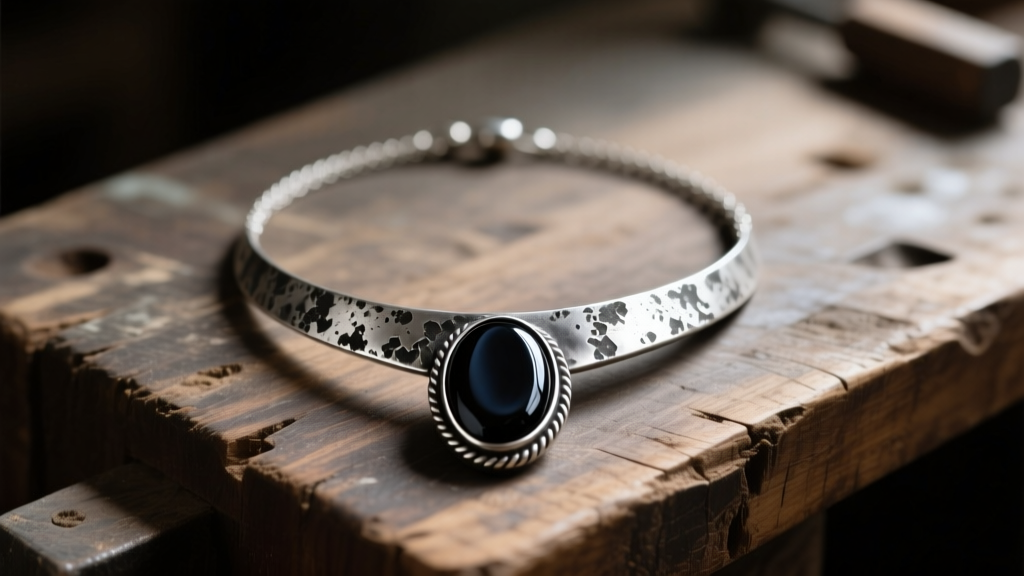
The grunge aesthetic in jewelry is defined by its raw, unpolished, and deliberately weathered appearance. As the 90s and early 2000s revival continues to dominate alternative fashion in 2026, the grunge necklace remains a staple piece. Characterized by oxidized sterling silver, darkened brass, braided leather, and moody gemstones like onyx or obsidian, these pieces require a highly specific approach to maintenance. Standard jewelry cleaning methods will not just fail to clean your grunge necklace—they will actively destroy its intentional patina and structural integrity.
The Chemistry of Patina vs. Tarnish
Before applying any cleaning agent, you must understand the difference between tarnish and patina. Tarnish is an unwanted layer of corrosion, typically silver sulfide, that forms when silver reacts with sulfur compounds in the air. Patina, however, is the intentional oxidation applied by jewelers to darken the recesses of a piece, creating high contrast and that signature gritty grunge look.
Commercial liquid silver dips (such as Tarn-X) rely on thiourea, a toxic chemical that instantly strips all oxidation. If you submerge an oxidized grunge necklace in these solutions, it will emerge blindingly bright, flat, and completely stripped of its dark crevices. To preserve the aesthetic, you must clean only the surface dirt and oils without dissolving the chemically induced patina.
Cleaning Oxidized Sterling Silver Safely
To clean a heavily textured, oxidized 925 silver grunge necklace without ruining the dark accents, abandon liquid cleaners entirely. Instead, use a mechanical and highly targeted approach:
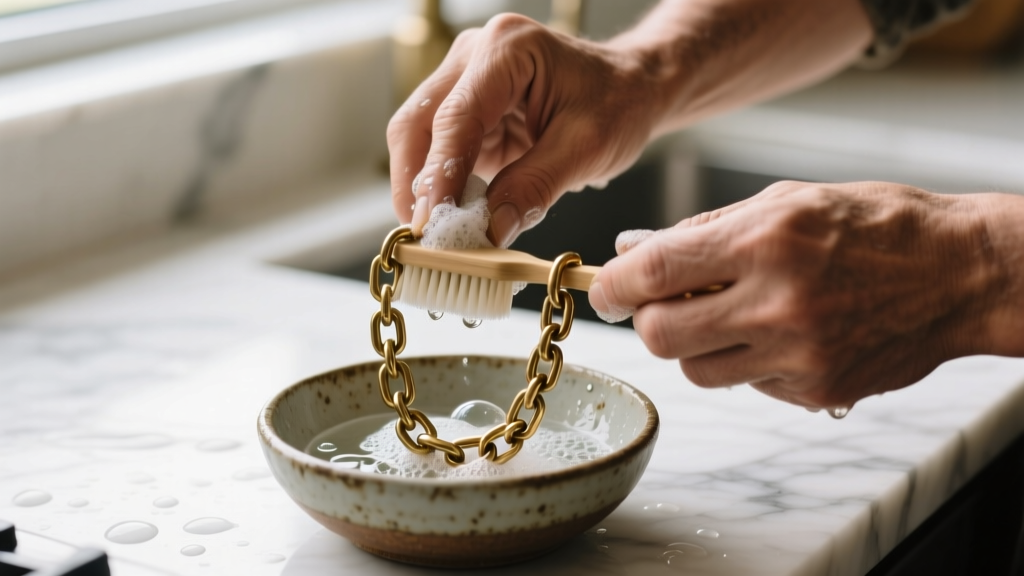
- The Soap Bath: Mix three drops of pH-neutral dish soap (like Dawn) into a bowl of lukewarm distilled water. Submerge the necklace for no more than two minutes to loosen sebum and skin cells.
- Targeted Agitation: Use an extra-soft baby toothbrush to gently sweep the bristles over the raised areas of the metal. Avoid digging into the blackened grooves.
- Selective Polishing: Once dry, use a dry, untreated microfiber cloth to buff only the high points. If you need more abrasion, use a silver polishing cloth (impregnated with jeweler's rouge) strictly on the raised edges, folding the cloth to avoid touching the recessed patina.
Brass, Copper, and Gunmetal Alloys
Grunge necklaces frequently utilize raw brass, copper, or gunmetal finishes. Each requires a distinct chemical approach. Raw brass and copper develop a natural, splotchy verdigris over time. While some collectors love this, you can stabilize it by gently rubbing the metal with a paste made of equal parts lemon juice and baking soda, then immediately neutralizing it with a baking soda and water rinse. According to metallurgical conservation standards, failing to neutralize the acid will result in microscopic etching of the brass surface.
The Gunmetal Warning
True gunmetal is an alloy of copper, tin, and zinc, but modern grunge jewelry usually achieves this dark, matte grey look through PVD (Physical Vapor Deposition) coating or rhodium plating over a brass base. PVD coatings are incredibly hard but microscopically thin. Using abrasive polishes like Brasso or even a coarse jeweler's cloth will scratch right through the dark coating, permanently exposing the bright yellow brass underneath. Clean PVD gunmetal only with a damp microfiber cloth and mild soap.
Material-Specific Cleaning Matrix
| Material | Safe Cleaner | Tool | Critical Warning |
|---|---|---|---|
| Oxidized 925 Silver | Mild dish soap (pH neutral) | Soft baby toothbrush | Never use liquid dips containing thiourea |
| Raw Brass / Copper | Lemon juice & baking soda paste | Microfiber cloth | Rinse immediately to prevent acidic etching |
| Gunmetal (PVD Plated) | Warm distilled water | Lint-free cotton swab | Avoid all abrasives; strips the dark PVD layer |
| Braided Leather | Saddle soap (sparingly) | Damp horsehair brush | Never submerge; causes collagen fibers to rot |
The Leather and Waxed Cord Dilemma
Many grunge pendants are suspended on braided leather, waxed cotton, or suede cords. Human sweat has a pH ranging from 4.5 to 7.0 and contains lactic acid, urea, and salts. Over time, this acidic cocktail breaks down the collagen fibers in leather and degrades the wax coating on cotton cords, leading to dry rot, fraying, and catastrophic snapping.
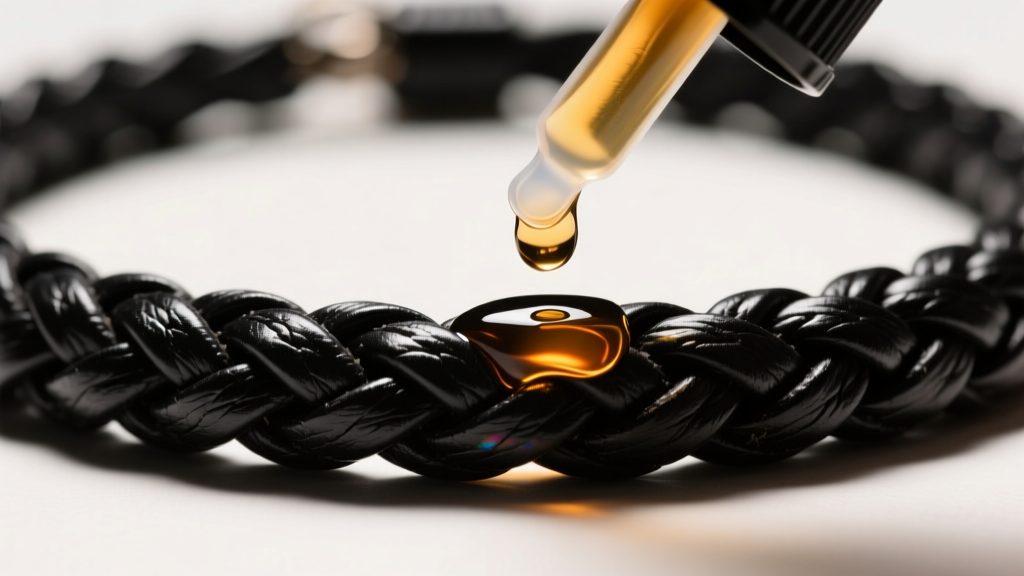
Never soak leather cords in water. Instead, wipe them down weekly with a barely damp cloth. Every three months, apply a minuscule amount of mink oil or a dedicated leather conditioner (like Bickmore Bick 4) using your fingertips. Massage it into the cord, let it absorb for 15 minutes, and buff off the excess. This restores the lipid barrier and prevents the leather from becoming brittle.
Gemstone Safety: Onyx, Obsidian, and Turquoise
The Gemological Institute of America (GIA) strictly warns against using ultrasonic cleaners on porous or treated gemstones, which are incredibly common in grunge jewelry. Stones like turquoise (Mohs hardness 5-6) are highly porous and often stabilized with wax or resin. Ultrasonic vibrations and heat will melt the stabilizing resin, causing the stone to crack or turn a muddy brown.
Onyx and obsidian, while harder (Mohs 5.5 to 7), are often backed with foil or set in closed-bezel oxidized settings where water can become trapped, leading to hidden corrosion of the silver backing. Furthermore, avoid steam cleaners. The sudden thermal shock can cause internal fractures in obsidian, a naturally occurring volcanic glass that is already prone to conchoidal fracturing. Always clean these dark gemstones by wiping them gently with a dry, lint-free optical cloth. If they are heavily soiled with skin oils, breathe on them to create a light fog of condensation, then wipe clean. Avoid chemical glass cleaners, which contain ammonia that can dull the polish of softer stones over time.
Storage and Preventative Maintenance
How you store your grunge necklace when it is not being worn dictates how often you will need to clean it. The Silver Institute recommends storing silver in anti-tarnish flannel bags or airtight ziplock bags with 3M anti-tarnish strips. These strips contain activated carbon and silver nanoparticles that absorb atmospheric sulfur and hydrogen sulfide before they can react with your jewelry.
Expert Tip: Never store a leather-corded grunge necklace in an airtight plastic bag alongside the metal pendant. Leather naturally off-gasses moisture and organic compounds that can accelerate the tarnishing of the silver or brass clasp. Store the cord coiled loosely in a breathable cotton pouch, separate from the metal components.
Keep your jewelry box away from direct sunlight and HVAC vents. Fluctuating humidity levels cause leather to expand and contract, weakening the structural integrity of the braiding and the adhesive used in pendant bails. By understanding the specific material science behind your alternative jewelry, you can ensure your vintage grunge necklace maintains its dark, moody aesthetic for decades without losing the intentional grit that makes it unique.


