Care Guide: Cleaning Your Favorite Sexy Necklace Styles
Discover expert cleaning and maintenance tips for your favorite sexy necklace styles, from delicate gold lariats to intimate pearl body chains.

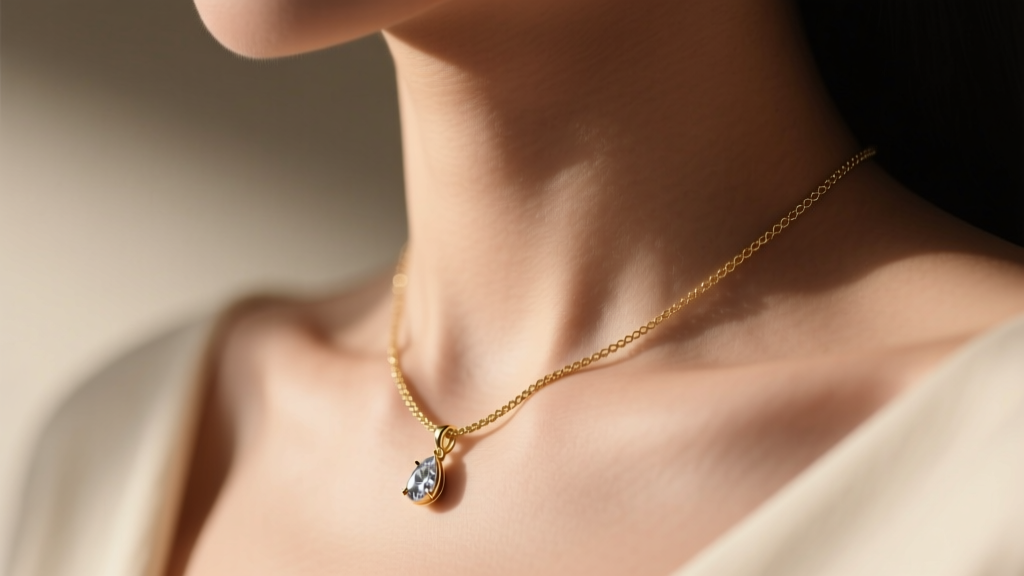
What Defines a 'Sexy Necklace' in Modern Jewelry?
When jewelers and stylists refer to a 'sexy necklace,' they are typically describing pieces designed to interact intimately with the skin and the body's natural contours. This category encompasses delicate gold lariat necklaces (Y-chains) that draw the eye down the décolletage, intricate body chains that drape across the torso, and sensual chokers featuring dark oxidized metals, velvet ribbons, or micro-pavé diamonds. Because these pieces are frequently worn directly against bare skin—often in warm environments or during evening events—they are subjected to a unique set of environmental and chemical stressors that standard pendant necklaces avoid.
Maintaining the allure of these pieces requires more than a quick wipe with a cloth. The ultra-fine chain gauges (typically 0.8mm to 1.2mm cable or box chains) used in lariat and body styles are highly susceptible to kinking, while the materials themselves react aggressively to human body chemistry. Below, we break down the exact science of maintaining your most intimate jewelry pieces.
The Chemistry of Skin Contact: Sweat, Oils, and Cosmetics
The primary enemy of any skin-baring jewelry is the chemical composition of human sweat and sebum. Human sweat contains urea, lactic acid, and salts, with a pH that can drop as low as 4.5 during heavy perspiration. This acidic environment is particularly destructive to two common materials found in alluring necklace styles:
- Gold Vermeil: By FTC guidelines, gold vermeil must feature a minimum of 2.5 microns of gold plated over sterling silver. However, prolonged exposure to acidic sweat can cause micro-pitting in the gold layer, allowing the underlying silver to oxidize and create a dull, grayish-green patina on the skin.
- Freshwater Pearls: Often used in body chains and sensual chokers, pearls are composed of calcium carbonate. According to the Gemological Institute of America (GIA), calcium carbonate readily dissolves in acidic environments. Acidic sweat and alcohol-heavy perfumes will literally eat away at the pearl's nacre, destroying its luster and causing surface pitting.
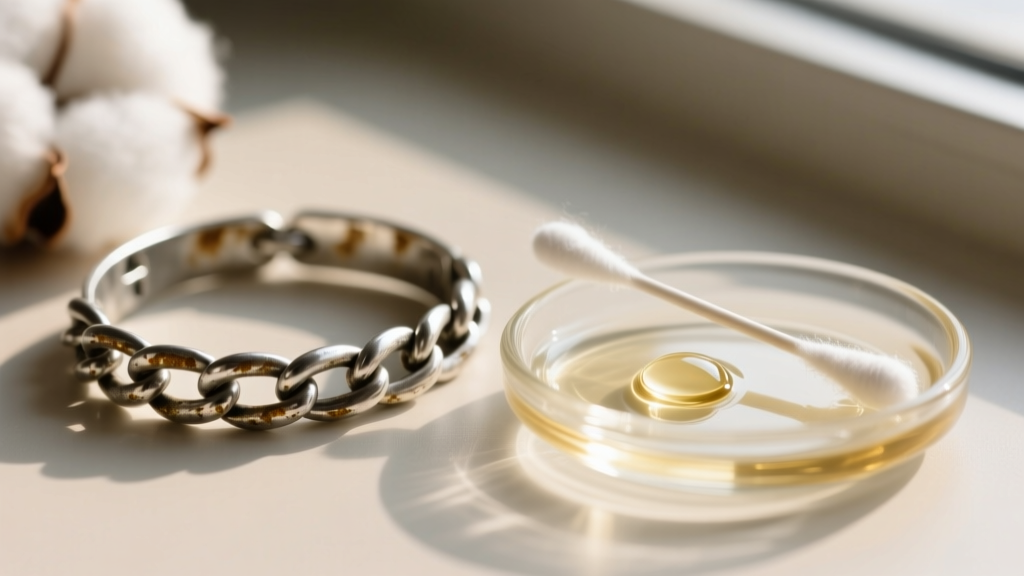
Step-by-Step Cleaning Protocols by Material
To preserve the structural integrity and visual appeal of your collection, you must tailor your cleaning approach to the specific metallurgy and gemology of the piece. Never use a one-size-fits-all ultrasonic cleaner; the 40kHz high-frequency vibrations will shatter freshwater pearls and shake rhinestones out of their delicate foil-back settings.
1. Delicate Gold Vermeil & Lariat Chains
Lariat necklaces rely on a sliding mechanism or a delicate jump ring to create the 'Y' shape. These friction points accumulate dead skin cells and lotion residue, which can cause the chain to snag and snap.
- Mix 2 cups of lukewarm water (never hot, as heat expands micro-pores in the metal) with 3 drops of mild, phosphate-free dish soap.
- Submerge the chain for exactly 3 minutes to loosen sebum.
- Using an extra-soft baby toothbrush, gently brush the sliding mechanism and clasp. Do not scrub the flat links of the chain, as this accelerates the wear of the 2.5-micron gold layer.
- Rinse under a gentle stream of distilled water (tap water contains chlorine and hard minerals that leave spots).
- Pat dry with a lint-free microfiber cloth and allow to air dry completely before storage.
2. Freshwater Pearls & Crystal Body Chains
Pearl body chains and crystal-studded chokers require a 'dry' cleaning method. Submerging these pieces can cause the silk or nylon threading to stretch, rot, or trap moisture against the metal findings.
- Dampen a microfiber cloth with distilled water and a single drop of Castile soap.
- Gently wipe each pearl or crystal individually, avoiding the drill holes where moisture can pool.
- Use a dry cotton swab to clean the metal clasps and jump rings.
- Lay the piece flat on a dry towel to air dry. Never hang a wet pearl or crystal chain, as the weight of the water will permanently stretch the threading.
3. Surgical Steel & Titanium Body Jewelry
For heavier, industrial-style body chains or sensual harness necklaces made from 316L surgical steel or Grade 23 titanium, you have more aggressive cleaning options. These metals are impervious to sweat and sebum. You can safely use an ultrasonic cleaner for 3 to 5 minutes with a specialized ammonia-free jewelry solution to blast debris out of the intricate filigree or chain links. Ensure all lobster clasps are fully closed during the ultrasonic cycle to prevent the internal springs from being damaged by cavitation.
Material Care & Maintenance Matrix
| Material / Style | Primary Vulnerability | Recommended Cleaning Agent | Drying Method | Storage Requirement |
|---|---|---|---|---|
| 14k/18k Gold Vermeil Lariat | Friction wear at sliders, acid tarnish | Lukewarm water + mild dish soap | Microfiber pat-down + air dry | Anti-tarnish ziplock, laid flat |
| Freshwater Pearl Body Chain | Nacre dissolution, thread stretching | Damp microfiber + Castile soap | Laid flat on dry towel | V-lined jewelry box, away from heat |
| 316L Steel Harness / Choker | Lotion buildup in links | Ultrasonic (ammonia-free) | Compressed air + microfiber | Hung on a padded jewelry hanger |
| Sterling Silver Micro-Pavé | Sulfur tarnish, stone loosening | Silver polishing cloth only | N/A (Dry method) | Airtight bag with 3M anti-tarnish strip |
Untangling Micro-Chains Without Breaking the Links
One of the most frustrating aspects of owning ultra-fine, sensual necklaces (especially 0.8mm box chains and lariats) is tangling. When stored improperly, these chains form microscopic knots that tighten under their own tension. Pulling them will result in stretched links or a snapped chain.
The Professional Untangling Method:
- Lay the tangled necklace flat on a corkboard or a piece of stiff felt. This provides a grippy surface that prevents the chain from sliding away.
- Apply a single drop of mineral oil or baby oil directly to the center of the knot. Avoid olive oil or lotions, which contain organic compounds that can turn rancid or gum up the links.
- Take two #9 beading needles (or fine sewing pins). Insert the tips of both needles into the exact center of the knot.
- Gently wiggle the needles in opposite directions to create slack. Never pull the outer ends of the chain; always work the knot outward from the center.
- Once untangled, clean the chain immediately using the soap-and-water protocol above to remove the oil residue.
Storage Strategies to Preserve the Allure
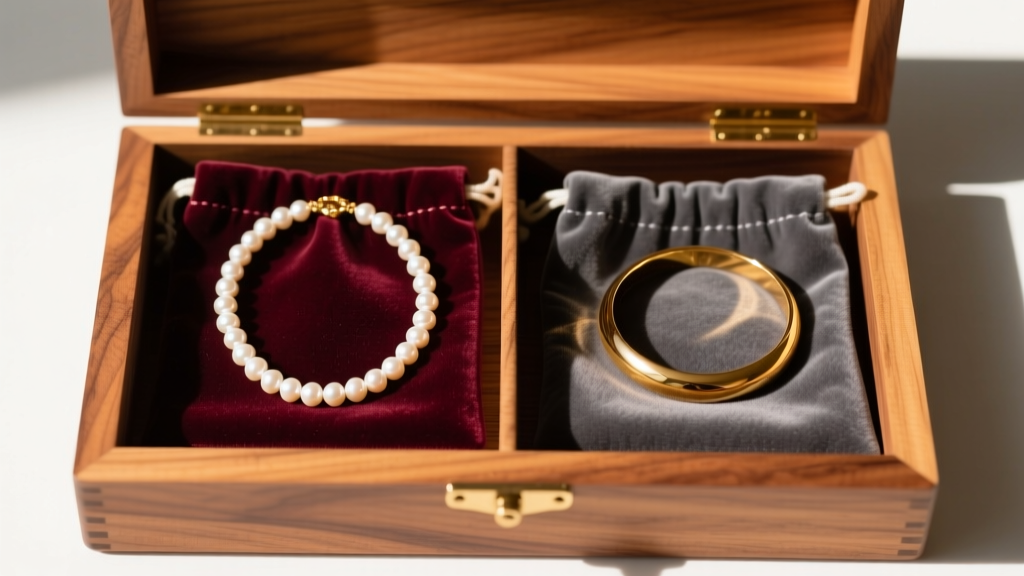
How you store your intimate jewelry is just as critical as how you clean it. Body chains and lariats should never be tossed into a communal jewelry box. The friction between different metal hardnesses (e.g., a diamond tennis necklace scratching a gold vermeil choker) will cause irreversible surface abrasion.
For pieces worn frequently, invest in a jewelry armoire with individual, velvet-lined drawers. For travel or long-term storage, place each necklace in its own airtight polyethylene bag along with a 3M anti-tarnish strip. Crucially, always fasten the clasp and leave a two-inch gap outside the bag to prevent the delicate chain from kinking or catching on the zipper seal. By respecting the delicate engineering and material science of these pieces, you ensure your favorite sexy necklace styles remain as captivating as the day you acquired them.


