How to Design a Custom Mom Heart Necklace: Step-by-Step
Learn how to design a custom mom heart necklace with our step-by-step guide. Discover the best metals, birthstones, chain lengths, and engraving tips.

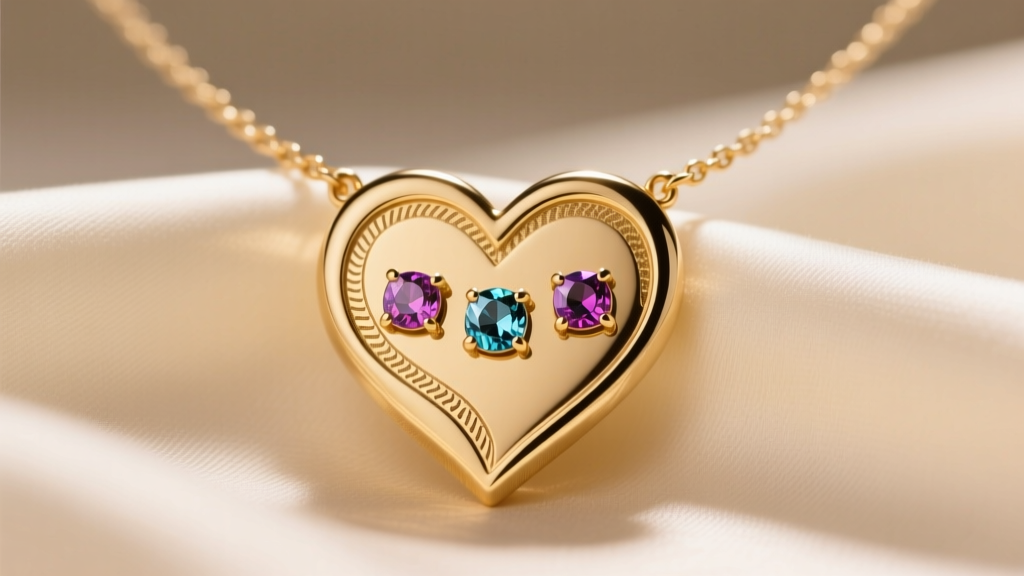
The Anatomy of a Meaningful Mom Heart Necklace
A mom heart necklace is more than just a piece of jewelry; it is a wearable archive of family history. Whether you are designing a piece to celebrate a first Mother’s Day, commemorate a growing family, or create an heirloom to pass down, the customization process requires a balance of sentimental design and structural engineering. Many buyers focus solely on the aesthetic of the heart pendant, overlooking critical factors like metal hardness, gemstone durability, and clasp security. This step-by-step guide will walk you through the technical and aesthetic decisions required to craft a bespoke mom heart necklace that withstands the rigors of daily wear while maintaining its emotional resonance.
Step 1: Selecting the Base Metal for Daily Wear
The foundation of any enduring pendant is its base metal. Because a mom heart necklace is often worn daily, it is exposed to friction, cosmetics, and environmental moisture. Choosing the right alloy ensures the piece does not warp, scratch excessively, or tarnish prematurely.
| Metal Type | Purity / Composition | Durability & Hardness | Best For |
|---|---|---|---|
| 14k Yellow/White Gold | 58.5% Gold, 41.5% Alloy | High (Excellent scratch resistance) | Everyday wear, active lifestyles |
| 18k Yellow/Rose Gold | 75% Gold, 25% Alloy | Medium (Rich color, softer surface) | Heirlooms, occasional wear, deep color |
| Sterling Silver (925) | 92.5% Silver, 7.5% Copper | Medium-Low (Prone to oxidation) | Budget-friendly, requires maintenance |
| Platinum (950) | 95% Platinum, 5% Ruthenium | Very High (Dense, develops a patina) | Luxury heirlooms, diamond settings |
For a piece meant to be worn in the shower, at the gym, and during school drop-offs, 14k gold is the undisputed champion. The higher alloy content (often mixed with zinc, copper, or nickel) provides a Vickers hardness that resists the micro-abrasions of daily life. If you prefer the warmer, richer hue of 18k gold, be prepared to polish it more frequently. According to the Jewelers of America, white gold pieces should also be rhodium-plated every 12 to 18 months to maintain their bright, silvery finish, as the underlying alloy naturally carries a faint yellow tint.
Step 2: Integrating Birthstones with Structural Integrity
Incorporating children’s birthstones is the hallmark of a classic mom heart necklace. However, not all gemstones are created equal. When selecting stones, you must consult the Mohs scale of mineral hardness to determine the appropriate setting style.
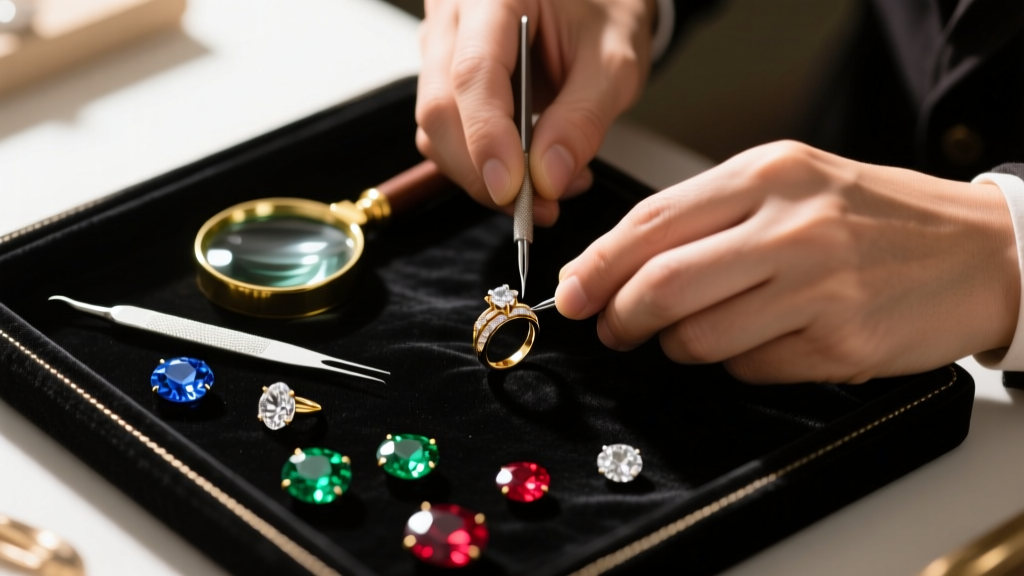
- Hard Stones (Mohs 8-10): Diamonds, rubies, and sapphires are highly resistant to scratching. These can be safely set in traditional prong settings, allowing maximum light return and brilliance.
- Medium Stones (Mohs 6.5-7.5): Emeralds, amethysts, and garnets require more care. Emeralds, in particular, are often heavily included and brittle. A bezel or half-bezel setting is highly recommended to protect the girdle from chipping.
- Soft Stones (Mohs 2.5-6): Pearls, opals, and turquoise are extremely vulnerable to scratches, chemicals, and dehydration. If your design includes a pearl, it must be set in a protective bezel or a flush setting, and the necklace should be the last thing put on and the first thing taken off to avoid contact with perfumes and lotions.
For a comprehensive breakdown of gemstone durability and care, the GIA Gem Encyclopedia is an invaluable resource. When ordering a custom piece with multiple birthstones, ask your jeweler to use a flush (gypsy) setting for softer stones to ensure they sit level with the metal surface of the heart, eliminating snag points.
Step 3: Engineering the Chain and Clasp Mechanism
A heavy heart pendant will easily snap a delicate chain. The structural relationship between the pendant's bail (the loop it hangs from) and the chain's gauge is critical. For a standard solid gold mom heart necklace weighing between 3 and 6 grams, a 1.2mm to 1.5mm chain is ideal.
Chain Styles and Tensile Strength
Cable Chains: The most traditional choice, featuring uniform oval links. While classic, standard cable chains can kink if slept in. Box Chains: Composed of square links, these offer superior tensile strength and lay flat against the collarbone, making them highly resistant to tangling. Rope Chains: Excellent for light reflection, but the twisted links can trap skin oils and require more frequent ultrasonic cleaning.
The Clasp: Spring Ring vs. Lobster
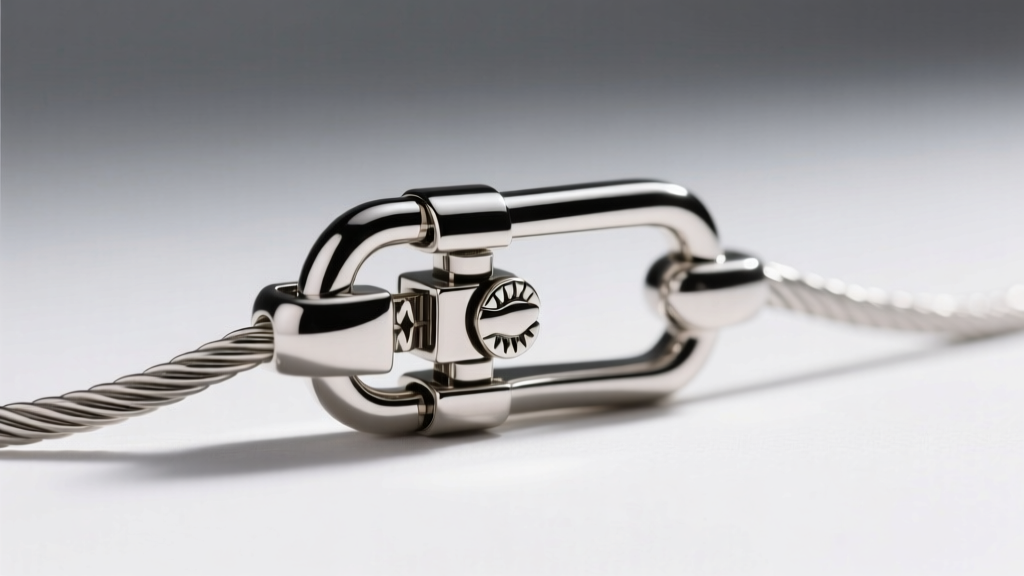
Never compromise on the clasp. Spring ring clasps, while common on budget jewelry, feature a tiny internal spring that frequently fails or gets stuck. Always upgrade to a lobster clasp. A 10mm or 12mm lobster clasp provides a secure, spring-loaded locking mechanism that will not accidentally open if the chain is pulled. For ultimate security, particularly on heavier platinum or 18k gold pieces, request a locking lobster clasp or a hidden box clasp integrated directly into the chain design.
Step 4: Choosing the Right Engraving Technique
Engraving transforms a beautiful piece of jewelry into a deeply personal artifact. When customizing a mom heart necklace, you generally have two technical options: laser engraving and rotary (hand) engraving.
Fiber Laser Engraving: This modern technique uses a concentrated beam of light to vaporize the metal at a microscopic level. Laser engraving is incredibly precise (capable of lines as thin as 0.01mm) and does not remove significant metal weight. It is the only method capable of accurately reproducing complex graphics, such as a child’s actual fingerprint, a handwritten note, or a detailed sonogram image. Because it relies on contrast, laser engraving looks best on high-polish or matte-finished metals.
Rotary / Diamond Drag Engraving: This traditional method uses a hardened steel or diamond-tipped bit to physically carve grooves into the metal. It creates a deeper, more tactile engraving that can be filled with enamel or black ruthenium for high contrast. Rotary engraving is limited to standard fonts and simpler line art but offers a classic, heirloom-quality depth that lasers cannot replicate. If you are engraving the back of a heart pendant with multiple names and birthdates, ensure the pendant is at least 15mm in width to maintain legibility.
Step 5: Proportions, Sizing, and Layering
The visual impact of a mom heart necklace depends heavily on its scale relative to the wearer’s frame and its intended styling. Pendants typically range from 12mm (petite) to 25mm (statement). A 16mm to 18mm heart is the sweet spot for daily wear—large enough to showcase birthstones and engraving, but small enough to slide under a blouse collar.
When selecting chain length, consider the neckline of the wearer's everyday wardrobe:
- 16 Inches (Choker/Collarbone): Ideal for open-neck tops and summer dresses. Keeps the pendant high and visible.
- 18 Inches (Standard): The most versatile length. The pendant will rest just below the collarbone, perfect for crew necks and casual v-necks.
- 20 to 22 Inches (Matinee): Best for layering over sweaters, turtlenecks, or business attire. If choosing this length, ensure the chain gauge is slightly thicker (1.5mm+) to support the visual weight of the longer drape.
If the recipient enjoys the layered necklace trend, design the mom heart necklace on an adjustable 16-to-18-inch chain with a 2-inch extender. This allows it to be worn short as a focal point, or lengthened to layer seamlessly with a delicate 14-inch gold choker and a 22-inch lariat.
Long-Term Maintenance and Care Protocols
To ensure the necklace remains pristine for decades, establish a proper care routine. Avoid wearing the piece in chlorinated pools or hot tubs; chlorine can cause irreversible structural damage to gold alloys, leading to microscopic cracking (stress corrosion). For routine cleaning, use a few drops of mild, phosphate-free dish soap in warm water and a soft-bristled baby toothbrush to gently clean behind the birthstones and along the chain links. Dry thoroughly with a microfiber cloth. Store the necklace flat or hanging in a low-humidity environment, ideally inside an anti-tarnish bag if the piece is crafted from sterling silver. By following these precise engineering and care guidelines, your custom mom heart necklace will serve as a flawless, enduring tribute for generations.


