Why Does Your Necklace Turn Neck Green? 2026 Metal Guide
Discover why your necklace turn neck green and explore 2026's best hypoallergenic metals, PVD coatings, and expert prevention hacks.

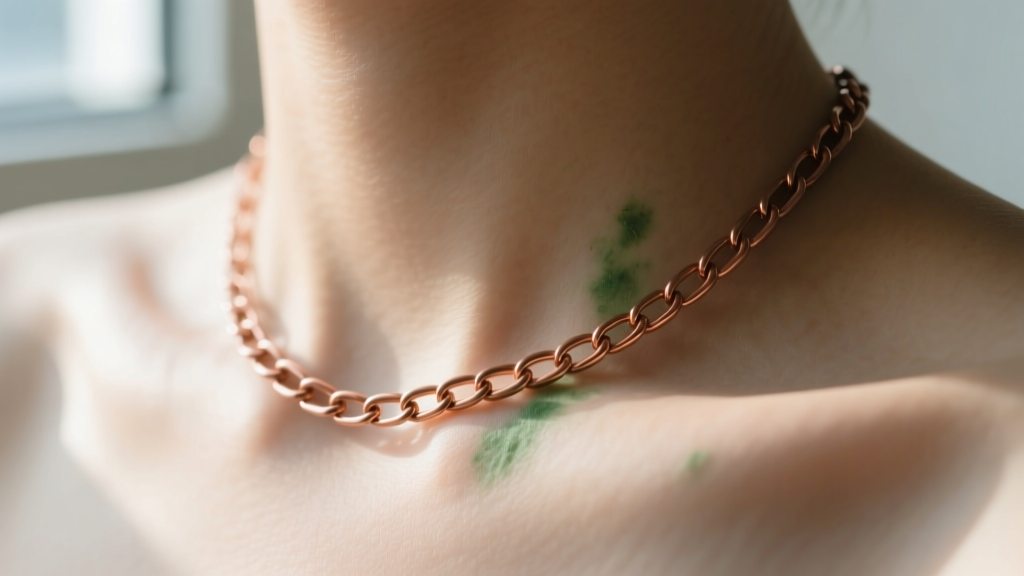
The Chemistry Behind the Green: Why It Actually Happens
There are few things more frustrating in jewelry wear than taking off your favorite chain at the end of the day, only to find a stubborn, dark green ring stamped around your collarbone. If you have ever wondered why does your necklace turn neck green, the answer lies in a fundamental chemical reaction between your skin’s unique biology and the base metals used in fashion jewelry. In 2026, as consumers demand higher transparency from jewelry brands, understanding the metallurgy behind your accessories is no longer just for jewelers—it is essential for everyday wearers.
The green stain is not a sign of toxicity, nor does it necessarily mean your jewelry is "fake." Instead, it is the result of oxidation and chelation. Most affordable trend-driven necklaces are cast from brass (an alloy of copper and zinc) or bronze (copper and tin). When the copper in these alloys comes into contact with the natural acids on your skin—specifically lactic acid found in sweat, as well as the sebum produced by your sebaceous glands—it undergoes a chemical reaction. This reaction produces copper salts, such as copper chloride and copper carbonate, which are vividly green and easily absorbed into the outermost layer of your epidermis.
Furthermore, your skin's natural pH level plays a massive role. The average human skin pH hovers around 5.5 (slightly acidic). If your diet, stress levels, or skincare products skew your skin to be more acidic, the oxidation process accelerates dramatically. Lotions, perfumes, and chemical sunscreens applied to the décolletage area act as catalysts, breaking down the microscopic top layers of flash-plated jewelry and exposing the reactive copper core beneath.
2026 Trend Shift: The End of Fast-Fashion Alloys
Historically, the jewelry industry relied on cheap brass cores with ultra-thin "flash" plating (often less than 0.1 microns of gold or rhodium) to keep costs low. By mid-2026, the market has seen a massive paradigm shift. Driven by consumer demand for sustainability and skin-safe materials, leading brands are abandoning raw copper alloys in favor of advanced metallurgical solutions.
The most significant innovation dominating the 2026 market is PVD (Physical Vapor Deposition) coating. Unlike traditional electroplating, which essentially glues a thin layer of gold to a base metal using an electrical current, PVD vaporizes titanium nitride or zirconium nitride in a vacuum chamber, bonding it to the core metal at a molecular level. When applied over a surgical-grade 316L stainless steel core, PVD creates a barrier that is entirely impervious to sweat, cosmetics, and water. According to manufacturing data from Rio Grande, PVD coatings are up to ten times more durable than traditional wet plating, effectively eliminating the copper-skin contact that causes green stains.
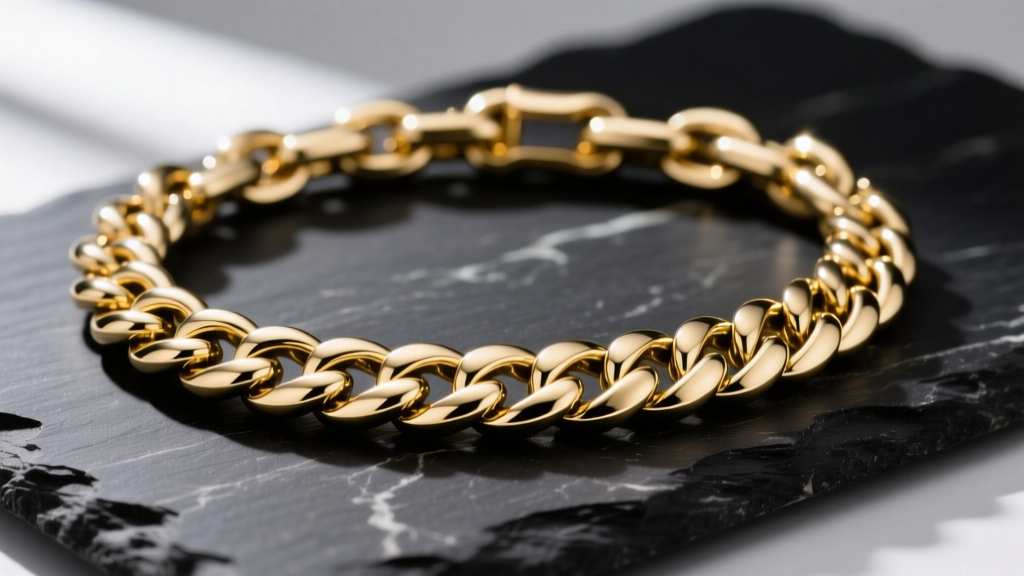
Additionally, we are seeing a surge in ASTM F136 Titanium entering the mainstream pendant market. Previously reserved for medical implants and high-end body piercing jewelry, grade 5 titanium is completely inert. It contains zero copper, nickel, or cobalt, making it biologically impossible for a titanium necklace to turn your neck green, regardless of your skin's pH or the climate you live in.
Metal Composition Breakdown & Oxidation Risk
To make informed purchasing decisions, it is crucial to understand the hierarchy of necklace materials. The table below breaks down the core compositions, plating standards, and the specific risk level of experiencing the dreaded green stain.
| Metal / Finish Type | Core Material | Plating / Coating Thickness | Green Stain Risk | 2026 Avg. Price Range |
|---|---|---|---|---|
| Flash-Plated Brass | Brass (Cu + Zn) | < 0.1 microns | Extreme | $15 - $35 |
| Gold Vermeil | Sterling Silver (925) | ≥ 2.5 microns (14k/18k) | Low (Silver oxidizes black, not green) | $85 - $250 |
| PVD Gold / Silver | 316L Stainless Steel | Molecular bond (approx 1-2 microns) | Zero | $45 - $120 |
| Solid 14k Gold | Gold (58.5%) + Zinc/Silver | Solid throughout | Zero (unless high copper alloy) | $300 - $800+ |
| "Nickel Silver" | Cu + Ni + Zn (No actual silver) | None or clear coat | Extreme (High allergy & stain risk) | $10 - $25 |
Note: While Sterling Silver (925) will not turn your skin green due to a lack of copper, it can leave a black mark if the silver sulfide tarnish transfers to the skin. This is easily washed off and is a different chemical process than copper oxidation.
Actionable Fixes: How to Stop Your Current Jewelry from Oxidizing
If you have a trend-driven brass or copper necklace that you love, you do not necessarily need to throw it away. You can create a synthetic barrier between the metal and your skin. Here are the most effective, expert-approved methods for preserving your wardrobe and your skin:
- Micro-Crystalline Wax Barrier: Skip the outdated "clear nail polish" hack, which chips, yellows, and can trap moisture against the metal, accelerating localized corrosion. Instead, apply a thin layer of Renaissance Wax (a micro-crystalline wax used by museum conservators) to the back of the pendant and the inner links of the chain. Reapply every 3-4 wears.
- Polymer Jewelry Shields: In 2026, several brands have released specialized, skin-safe polymer sprays designed explicitly for jewelry. These dry to an invisible, flexible matte finish that withstands friction from clothing and resists breakdown from cosmetic oils.
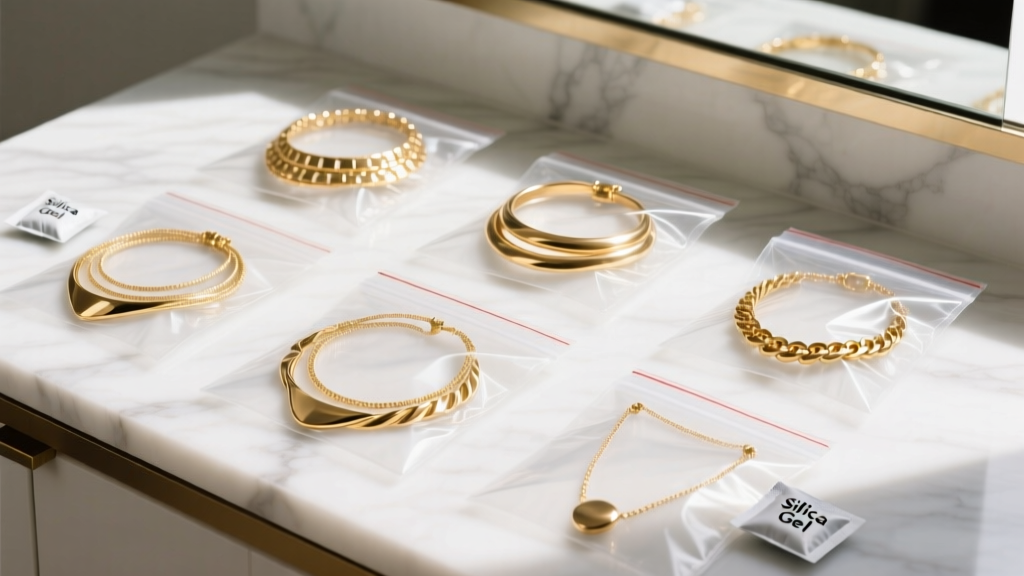
- Strategic Storage: Oxidation happens even when you aren't wearing the piece. Store your copper-alloy necklaces in individual anti-tarnish ziplock bags with a small silica gel packet to absorb ambient humidity. The American Academy of Dermatology also notes that keeping jewelry completely dry before storage prevents the initiation of the corrosion cycle.
Smart Shopping Guide for Sensitive Skin
When shopping for new necklaces this year, train your eye to look past the marketing buzzwords and straight for the material hallmarks. Terms like "gold dipped" or "hypoallergenic" are largely unregulated and can be misleading. "Hypoallergenic" simply means the manufacturer avoided nickel, but the piece could still be packed with copper, guaranteeing a green stain.
What to look for instead:
- The 316L Stamp: If buying stainless steel, ensure it is specifically 316L (marine/surgical grade). Lower-grade 304 stainless steel contains higher levels of carbon and can still react with highly acidic skin over prolonged exposure.
- Vermeil Standards: True gold vermeil must have a sterling silver base and a gold plating of at least 2.5 microns. If a brand cannot confirm the micron thickness, it is likely standard gold-plated brass, which will eventually wear through and turn your neck green.
- Solid Gold Alloys: If investing in solid gold, be aware that 10k and 14k gold contain alloy metals for strength. While rare, some individuals with highly acidic sweat may still experience mild discoloration with 10k gold due to its higher copper/zinc content. Opting for 18k solid gold (75% pure gold) virtually eliminates this risk.
Ultimately, the era of accepting the "green neck" as a normal byproduct of affordable fashion jewelry is over. By understanding the chemistry of metal oxidation and leveraging 2026's advanced material coatings like PVD, you can build a necklace collection that is as resilient as it is stylish. Prioritize 316L stainless steel, titanium, or properly hallmarked vermeil, and leave the reactive brass in the past.


