The Penny Holder Necklace Trend: 2026 Style Guide
Discover the 2026 penny holder necklace trend. Learn about premium bezel materials, chain gauges, coin sourcing, and expert layering techniques.

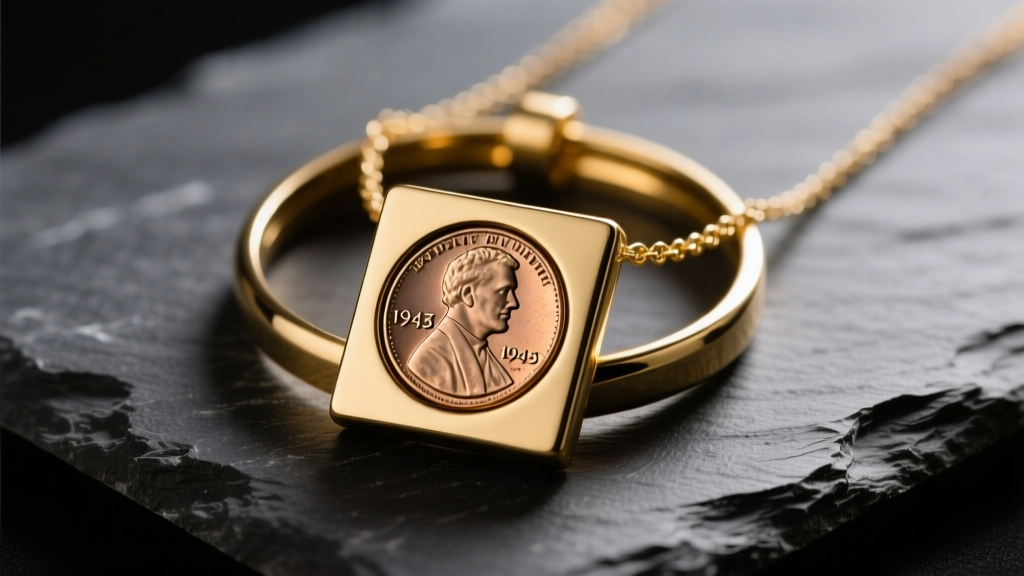
The Evolution of the Penny Holder Necklace: From Nostalgia to High Fashion
Once relegated to the realm of DIY craft fairs and cheap tourist-shop trinkets, the penny holder necklace has undergone a radical transformation. In 2026, the intersection of 'heritage core' and 'sentimental maximalism' has elevated the humble coin pendant into a staple of high jewelry. No longer encased in cheap acrylic or flimsy alloy, today's premium penny holder necklaces feature precision-engineered precious metal bezels, ethically sourced vintage coins, and meticulously matched chain gauges. This style and trend analysis breaks down exactly how to select, style, and maintain a luxury coin pendant that transcends fleeting fads.
The Anatomy of a Premium Penny Holder: Bezel Engineering
The defining difference between a novelty trinket and a fine jewelry piece lies in the bezel—the metal framework that secures the coin. A standard US Lincoln cent measures exactly 19.05mm in diameter. To accommodate this without obscuring the date or mint mark, a high-quality bezel requires an inner lip tolerance of roughly 19.1mm to 19.3mm.
Cheap alternatives rely on glue or snap-fit alloy rings that warp over time. In contrast, luxury penny holder necklaces utilize prong-set or tension-fit bezels crafted from solid 14k gold, 18k gold, or 925 sterling silver. These settings allow the coin to breathe, preventing moisture entrapment while securing the piece with structural integrity.
| Bezel Type | Material | Price Range | Longevity & Verdict |
|---|---|---|---|
| Snap-Fit / Glued | Zinc Alloy / Acrylic | $10 - $25 | Poor. Traps moisture, causes verdigris, acrylic yellows. |
| Bezel Wire Wrap | Sterling Silver / Copper | $40 - $80 | Moderate. Artisan look, but wire can snag on fabrics. |
| Four-Prong Cast | Solid 14k Gold / 925 Silver | $150 - $450+ | Excellent. Secure, allows airflow, heirloom quality. |
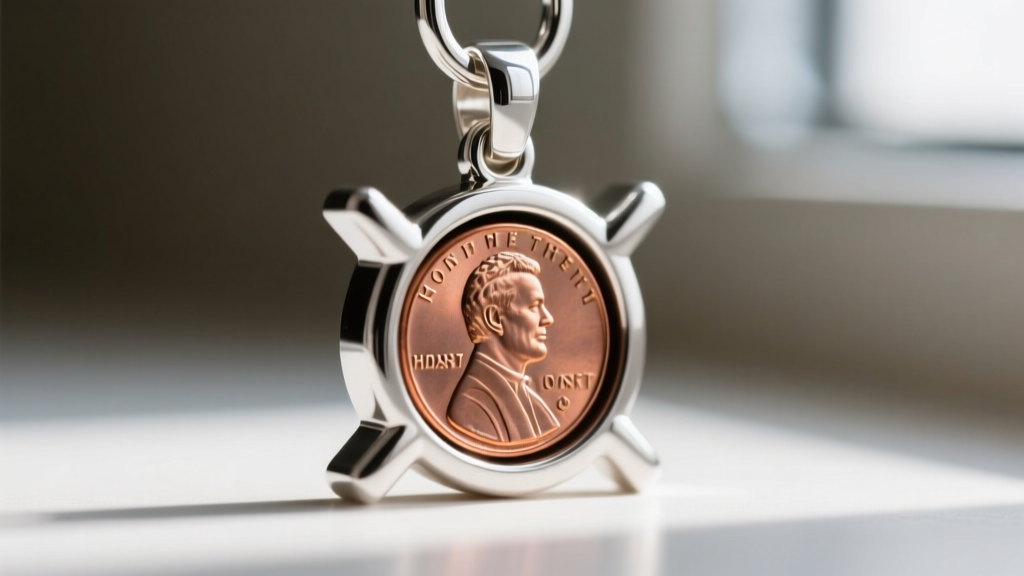
Chain Gauges and Weight Distribution: Preventing Bail Failure
A common mistake when assembling a penny holder necklace is underestimating the pendulum effect of the pendant. A pre-1982 copper Lincoln cent weighs 3.11 grams, while a post-1982 zinc cent weighs 2.5 grams. When you add a solid 14k gold cast bezel (typically 3.5 to 5 grams), the total pendant weight rests between 6 and 8.5 grams.
If you hang this weight on a delicate 0.8mm rope chain, the constant friction and swinging motion will wear through the chain's bail loop within six months. Furthermore, hollow-curb chains will easily dent under the kinetic impact of an 8-gram coin swinging against the collarbone.
The 2026 Chain Sizing Framework
- Minimum Gauge: 1.2mm for lightweight (post-1982) coins in silver bezels.
- Ideal Gauge: 1.5mm to 1.8mm solid curb, Figaro, or box chains for pre-1982 copper or 14k gold settings.
- Bail Sizing: Ensure the pendant bail has an inner diameter of at least 3mm to glide freely over the chain links without catching.
Sourcing the Right Coin: Beyond the Common Cent
The visual impact of your necklace relies heavily on the coin's patina and historical significance. While any Lincoln cent will fit the 19.05mm bezel, collectors and stylists are gravitating toward specific eras for their aesthetic contrast.
Wheat Pennies (1909–1958)
The reverse side of the Wheat penny features two durum wheat ears, offering a beautifully detailed, vintage texture that contrasts stunningly against polished gold or oxidized silver. The 1943 steel penny (zinc-coated steel) is particularly sought after for its striking, gunmetal-grey appearance, though it requires a bezel with a moisture-sealing gasket to prevent rust.
Indian Head Pennies (1859–1909)
Sharing the same 19mm diameter, Indian Head pennies offer intricate neoclassical detailing. However, their slightly different relief profile means they sit best in custom-cast bezels rather than generic stampings.
Expert Warning on Coin Cleaning: Never polish or chemically clean a vintage coin before placing it in a bezel. According to the Professional Coin Grading Service (PCGS), abrasive cleaning destroys the coin's natural patina, strips away microscopic layers of metal, and ruins its numismatic value. The natural oxidation and toning of an old copper coin provide the exact vintage character that makes the penny holder necklace trend so compelling in 2026.
Styling & Layering Frameworks for Coin Pendants
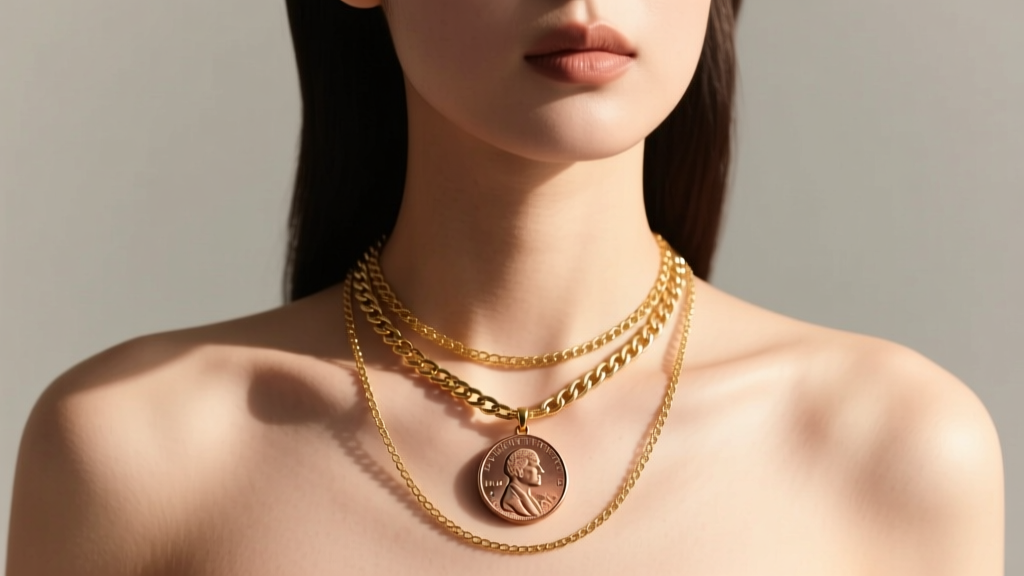
The penny holder necklace thrives when integrated into a curated stack. Because the coin pendant carries visual weight and historical gravity, it should act as the anchor of your layering strategy. Here is the structural layering framework recommended by contemporary stylists:
The 16-18-22 Heritage Stack
- The Anchor (18 inches): Your penny holder necklace on a 1.5mm solid curb chain. This length places the coin perfectly at the hollow of the collarbone, allowing it to catch the light.
- The Minimalist Choker (16 inches): A 1.0mm box chain with a tiny, bezel-set diamond or sapphire solitaire. This draws the eye upward and balances the visual heaviness of the coin.
- The Lariat or Long Chain (22+ inches): A delicate lariat or a 22-inch oxidized silver rope chain featuring a small locket or signet drop. This elongates the torso and frames the penny pendant in the center.
Maintenance and Failure Modes: Protecting Your Pendant
Even high-end penny holder necklaces require specific maintenance protocols due to the reactive nature of copper and zinc.
Combating Verdigris
When copper reacts with sweat, humidity, and skin oils, it forms copper carbonate—commonly known as verdigris (the green crust). While prong-set bezels allow for airflow, moisture can still accumulate. The American Numismatic Association recommends storing coins in dry, climate-controlled environments. For a wearable coin pendant, remove the piece before swimming, showering, or heavy exercise. Once a month, use a dry, soft-bristled jeweler's brush to gently sweep out any dust or skin cells trapped between the coin's edge and the bezel lip.
Prong Tightening
If your penny holder utilizes a four-prong cast setting, the prongs can occasionally loosen from the kinetic impact of daily wear. Every six months, gently inspect the prongs. If they have lifted away from the coin's surface, a jeweler can easily push them back into place using a bezel pusher, ensuring your vintage cent remains secure for decades to come.
The 2026 penny holder necklace is a testament to the idea that true luxury lies in personal narrative and material integrity. By investing in proper precious metal bezels, matching your chain gauge to the pendulum weight, and respecting the natural patina of vintage coins, you transform a simple cent into an enduring, high-fashion heirloom.


