How to Make a Necklace: 2026 Trend-Driven DIY Guide
Learn how to make a necklace that rivals boutique designs. Explore 2026 trends, premium wire gauges, mixed metals, and modular pendant techniques.

The 2026 Shift: From Craft to Couture in DIY Jewelry
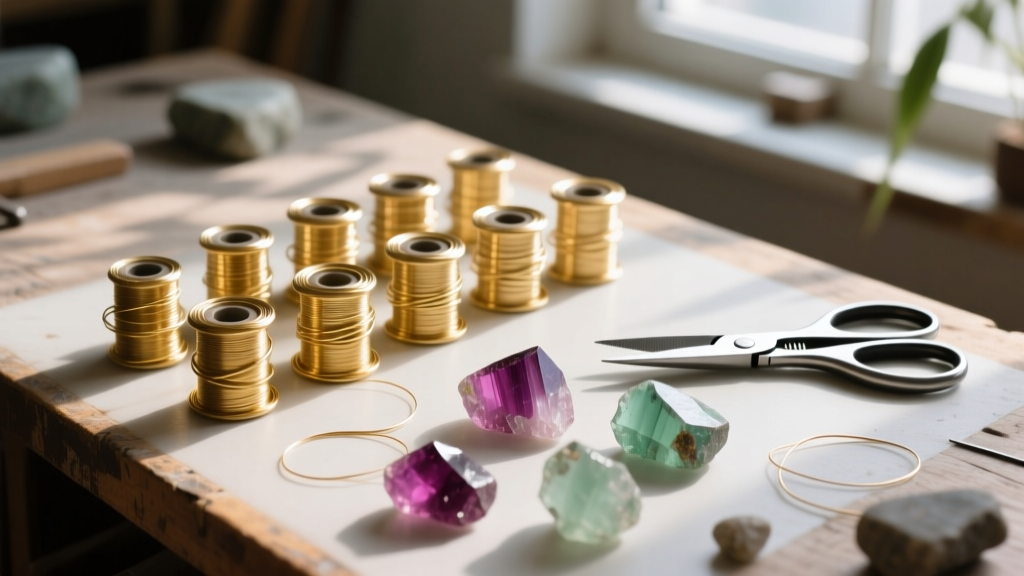
The landscape of independent jewelry making has undergone a radical transformation. When you set out to make a necklace in 2026, the goal is no longer merely to string beads on a flexible wire. Today's makers are operating as micro-jewelers, producing bespoke, high-quality pieces that rival luxury boutiques in both construction and aesthetic. The modern DIY jewelry movement is defined by a demand for sustainability, modularity, and metallurgical precision. Consumers and makers alike are rejecting mass-produced, plated fast-fashion jewelry in favor of heirloom-quality components, raw ethically sourced gemstones, and architectural silhouettes. This guide dives deep into the technical specifications and trend forecasts you need to elevate your necklace-making from a casual craft to a professional design practice.
Core Materials: Selecting Boutique-Grade Components
The foundation of any high-end necklace lies in its metallurgy. Using base metals or thin electroplated wires will immediately signal an amateur build. To achieve a professional finish, you must understand the difference between gold-filled, gold-plated, and advanced silver alloys.
Understanding 14/20 Gold-Filled Wire
Gold-filled wire is the industry standard for premium DIY jewelry. Unlike gold-plated wire, which features a microscopic layer of gold that flakes over time, 14/20 gold-filled wire consists of a brass core that is mechanically bonded with a layer of 14k gold. The '14/20' designation means that exactly 1/20th (or 5%) of the total weight of the metal is solid 14k gold. This provides a durable, tarnish-resistant surface that can withstand years of daily wear and even light polishing without exposing the brass core.
The Rise of Argentium Silver
While traditional sterling silver (92.5% silver, 7.5% copper) is a staple, it is prone to rapid oxidation. In 2026, professional makers are increasingly turning to Argentium silver. By replacing a portion of the copper with the metalloid germanium, Argentium (typically 93.5% silver) forms a transparent layer of germanium dioxide on the surface. This layer actively blocks sulfur from reaching the silver, making it highly tarnish-resistant and giving it a naturally brighter, whiter luster than traditional sterling.
| Gauge (AWG) | Diameter (mm) | Temper Recommendation | Primary Application |
|---|---|---|---|
| 26-Gauge | 0.40mm | Dead Soft | Delicate wire-wrapping, weaving, securing small briolettes |
| 22-Gauge | 0.64mm | Half-Hard | Standard ear wires, small jump rings, basic pendant bails |
| 20-Gauge | 0.81mm | Half-Hard | Clasps, structural jump rings, heavy-duty wire wrapping |
| 16-Gauge | 1.29mm | Hard | Chainmaille links, heavy chain extensions, rigid collars |
Trend 1: The Modular Pendant Ecosystem
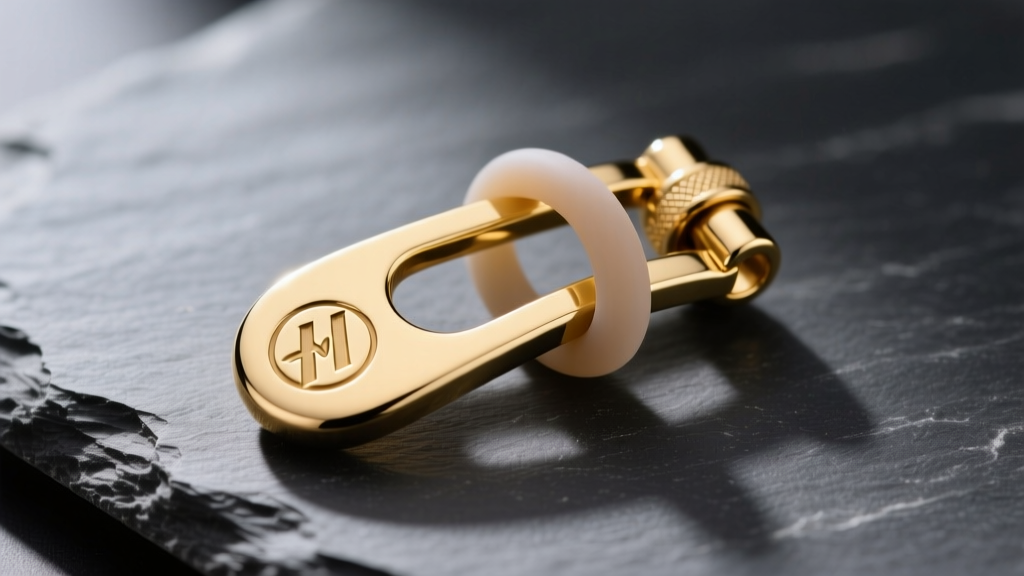
One of the most dominant style trends for 2026 is the modular necklace. Driven by a desire for versatile, multi-functional jewelry, modular designs allow the wearer to swap out pendants on a single, high-quality chain. As a maker, you can achieve this by utilizing screw-top bails and interchangeable charm carriers.
To construct a modular piece, you will need to source bails with metric threading, typically M1.4 or M1.6 sizes. The pendant is permanently affixed to the base of the bail using a two-part jeweler's epoxy or laser-welded. The top of the bail features a threaded screw that opens to slide onto the chain, then screws securely shut. This mechanical connection is vastly superior to standard snap-on bails, which rely on weak tension clasps that frequently fail and drop expensive stones. By designing a collection of pendants that share the same M1.4 bail threading, you create an ecosystem where a single 18-inch 14k gold-filled rope chain can host a raw sapphire slice for daytime wear and a geometric onyx pendant for the evening.
Trend 2: Mixed-Metal Asymmetry and Galvanic Considerations
The strict rule of wearing only one metal color is entirely obsolete. The 2026 aesthetic heavily favors mixed-metal asymmetry, combining the warm tones of yellow gold with the cool, oxidized grit of blackened sterling silver. However, mixing metals requires more than just an eye for color; it requires an understanding of basic chemistry.
When dissimilar metals (like copper-based gold-filled wire and sterling silver) come into direct physical contact in the presence of an electrolyte (like human sweat), they can trigger galvanic corrosion. The less noble metal will corrode at an accelerated rate. To prevent this while maintaining the mixed-metal aesthetic, professional makers use isolators. When connecting a 14k gold-filled pendant to an oxidized sterling silver chain, insert a tiny, food-grade silicone O-ring or use an enamel-coated jump ring between the two metals. This breaks the electrical circuit, preventing corrosion while adding a subtle, modern pop of color or texture to the connection point.
'The mark of a master jeweler is not just in the beauty of the focal stone, but in the invisible engineering of the findings. A necklace should drape flawlessly and withstand the rigors of daily life without structural compromise.' — Master Bench Jeweler Standard, Rio Grande Technical Guides.
Hardware & Finishing: The Mark of a Professional
Nothing ruins a beautifully designed necklace faster than a failed clasp or an open jump ring pulling apart. The hardware you choose dictates the longevity of your piece.
The Fallacy of the Spring Ring and Open Jump Rings
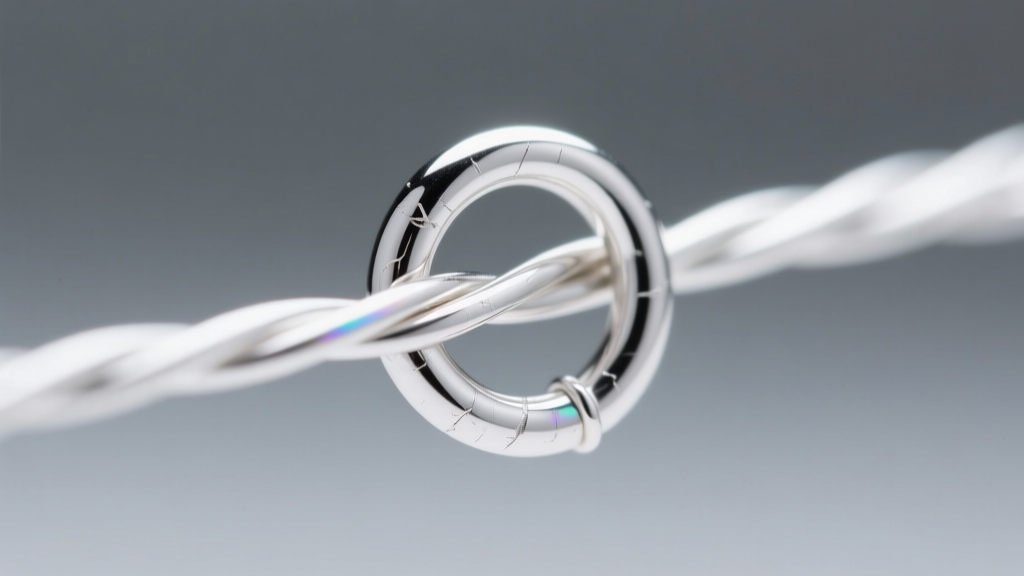
Spring ring clasps are the default for cheap, commercial jewelry. They rely on a tiny internal steel spring that is highly susceptible to fatigue, moisture-induced rust, and eventual failure. For premium DIY necklaces, upgrade to solid cast lobster clasps or custom-fabricated toggle clasps. Furthermore, never use open jump rings to connect your clasp to the chain. Over time, the tension of putting the necklace on and taking it off will slowly pull the open jump ring apart, resulting in a lost pendant or chain.
Instead, you must use soldered jump rings or heavy-gauge hard-tempered wire. If you do not have the equipment to silver-solder your own jump rings, purchase pre-soldered closed rings for the critical connection points at the clasp and the pendant bail. For the chain links themselves, if you are weaving or making chainmaille, ensure you are calculating the correct Aspect Ratio (AR)—the ratio of the inner diameter of the ring to the wire thickness. An AR of 3.5 to 4.0 is generally the sweet spot for a fluid, draping chain that will not easily pull apart under tension.
Sourcing Sustainable and Ethical Components
The modern consumer cares deeply about the provenance of their jewelry. When you make a necklace featuring natural gemstones, you must be able to verify their origins. The 2026 market heavily penalizes makers who cannot provide transparency regarding their supply chain.
For metals and findings, source from reputable, large-scale refiners and suppliers like Rio Grande or Stuller, which provide documentation on recycled metal content. For gemstones, particularly high-impact stones like sapphires, emeralds, and tourmalines, familiarize yourself with the ethical sourcing frameworks established by the Gemological Institute of America (GIA). Consider incorporating raw, uncut, or minimally faceted stones from verified artisanal miners. These 'imperfect' stones align perfectly with the current trend toward organic, dopamine-driven dressing, and they often require less invasive environmental extraction methods than heavily mined, perfectly clear commercial stones.
Final Thoughts on the Maker Movement
Learning how to make a necklace that commands respect and retail value requires a synthesis of artistic vision and mechanical discipline. By investing in 14/20 gold-filled and Argentium metals, mastering the mechanics of screw-top modular bails, respecting the chemistry of mixed-metal isolation, and refusing to compromise on soldered hardware, you position your work at the pinnacle of the 2026 DIY jewelry renaissance. The tools and knowledge are accessible; it is the relentless pursuit of quality that will separate your designs from the rest.


