How To Clean An Elena Gilbert Vampire Diaries Necklace Safely
Learn how to clean, store, and maintain your Elena Gilbert Vampire Diaries necklace to prevent tarnish, protect stones, and keep it shining.

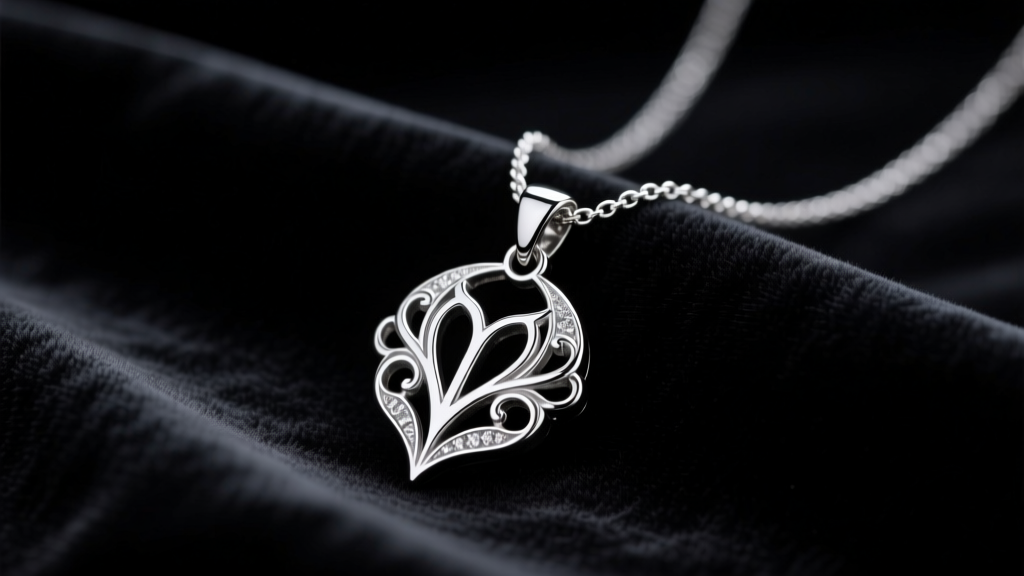
The Elena Gilbert Vampire Diaries necklace remains one of the most iconic and highly sought-after pieces of television memorabilia from the beloved supernatural drama. Whether you own an official licensed replica featuring the signature stylized 'E' pendant, a fan-made artisan piece, or a version adorned with a lapis lazuli cabochon to mimic the show's daylight ring aesthetic, proper maintenance is critical. Replica and fashion jewelry often utilize specific alloys and plating techniques that require a vastly different care regimen compared to fine jewelry. In this comprehensive 2026 care guide, we will break down the exact material science, cleaning protocols, and storage frameworks necessary to keep your Mystic Falls memorabilia in pristine, camera-ready condition.
Decoding Your Necklace: Material Composition Matters
Before applying any cleaning solution, you must identify the exact metallurgical composition of your necklace. The care protocol for a solid 925 sterling silver artisan replica is entirely different from that of mass-produced, officially licensed merchandise.
1. Base Metal and Flash-Plated Replicas
Most commercial replicas (such as those previously sold at Hot Topic or BoxLunch) are cast from zinc alloy or brass. To achieve the silver or gold tone, they are coated with a microscopically thin layer of rhodium or silver flash plating, typically measuring less than 0.5 microns. Failure mode: Aggressive polishing or chemical dips will strip this plating, exposing the base metal and leading to rapid oxidation and skin discoloration.
2. Solid 925 Sterling Silver Artisan Pieces
High-end, fan-commissioned replicas are often cast in solid 925 sterling silver (92.5% pure silver, 7.5% copper alloy). While much more durable, the copper content makes the metal highly susceptible to hydrogen sulfide in the atmosphere, resulting in silver sulfide (tarnish). These pieces can withstand gentle mechanical cleaning and specialized silver polishes.
The Step-by-Step Cleaning Protocol
According to the American Gem Society (AGS), the safest baseline for cleaning jewelry at home involves mild surfactants and lukewarm water. Here is how to adapt this for your Elena Gilbert necklace.
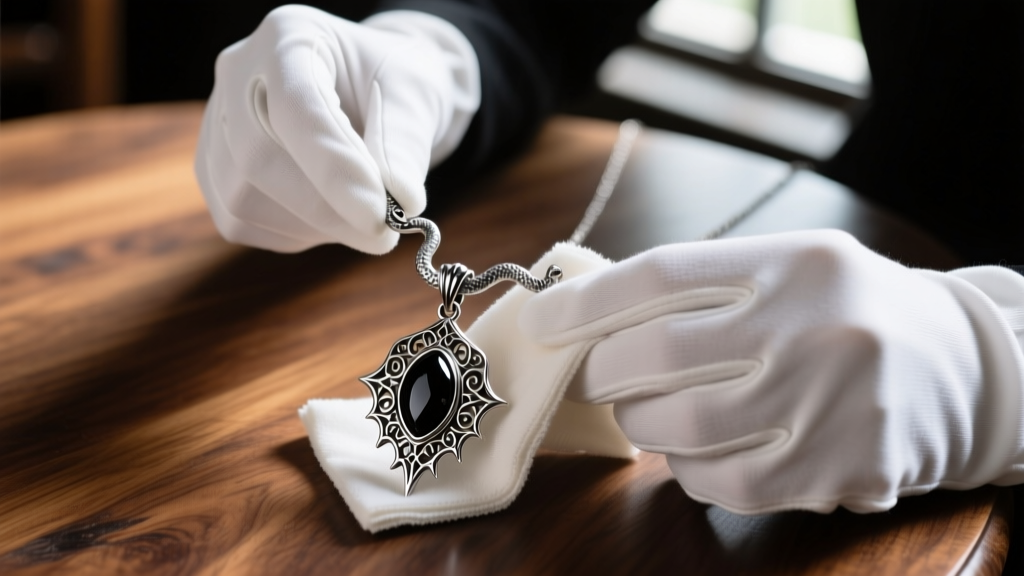
For Flash-Plated Base Metal Necklaces
- The Wipe-Down Method: Dampen a lint-free microfiber cloth with distilled water. Gently wipe the pendant and the 18-inch rolo chain to remove sebum, dead skin cells, and perfume residue.
- Drying: Immediately pat dry with a second microfiber cloth. Never let water air-dry on base metal, as it will accelerate the corrosion of the underlying brass or zinc.
- What to Avoid: Never use a toothbrush, baking soda paste, or commercial silver dips on plated replicas. These will permanently scratch and dissolve the flash plating.
For Solid 925 Sterling Silver Replicas
- The Soak: Mix three drops of pH-neutral dish detergent (like Dawn) into a bowl of lukewarm distilled water (approx. 75°F).
- Agitation: Submerge the necklace for exactly 3 to 5 minutes. Use an extra-soft baby toothbrush to gently sweep the crevices of the stylized 'E' pendant, particularly around the jump ring and the bail where debris accumulates.
- Rinsing and Polishing: Rinse thoroughly under distilled water, pat dry, and finish by buffing with a treated Hagerty Silver Cloth to restore the high-polish luster.
Lapis Lazuli and Synthetic Stone Care
Many variations of the Elena Gilbert necklace feature a deep blue stone, paying homage to the lapis lazuli used in the show's daylight rings. If your pendant features genuine lapis lazuli, you must exercise extreme caution. The Gemological Institute of America (GIA) notes that lapis lazuli is a relatively soft, porous rock (Mohs hardness of 5 to 6) that often contains calcite inclusions.
CRITICAL WARNING: Never place a lapis lazuli necklace in an ultrasonic cleaner. The high-frequency acoustic cavitation can fracture the stone or shatter the calcite veins. Furthermore, never expose lapis to ammonia, bleach, or acidic solutions, as the acid will dissolve the calcite matrix, leaving the stone pitted and dull.
To clean the stone, use only a dry, soft-bristled makeup brush to dust the surface. If it requires deeper cleaning, wipe it with a barely damp cloth and immediately dry it. Avoid getting commercial silver polish on the stone, as the mild abrasives will scratch the surface finish.
Advanced Tarnish Prevention and Storage Framework
Tarnish is a chemical reaction, not dirt. It occurs when the copper in sterling silver or the raw brass in base metal replicas reacts with sulfur compounds in the air, humidity, and everyday household items (like rubber bands, wool, and certain paints). Proper storage is your first line of defense.
| Material Type | Tarnish Risk Level | Optimal Storage Environment | Recommended Maintenance Tool |
|---|---|---|---|
| Zinc Alloy / Brass (Plated) | Moderate (if plated) to High (if scratched) | Sealed polyethylene bag with silica gel | Microfiber wipe-down after wear |
| 925 Sterling Silver | High (prone to silver sulfide buildup) | Airtight box with 3M Anti-Tarnish strips | Hagerty Silver Cloth or polishing board |
| Surgical Stainless Steel | Extremely Low (virtually tarnish-proof) | Standard jewelry box, separated from harder gems | Warm soapy water soak |
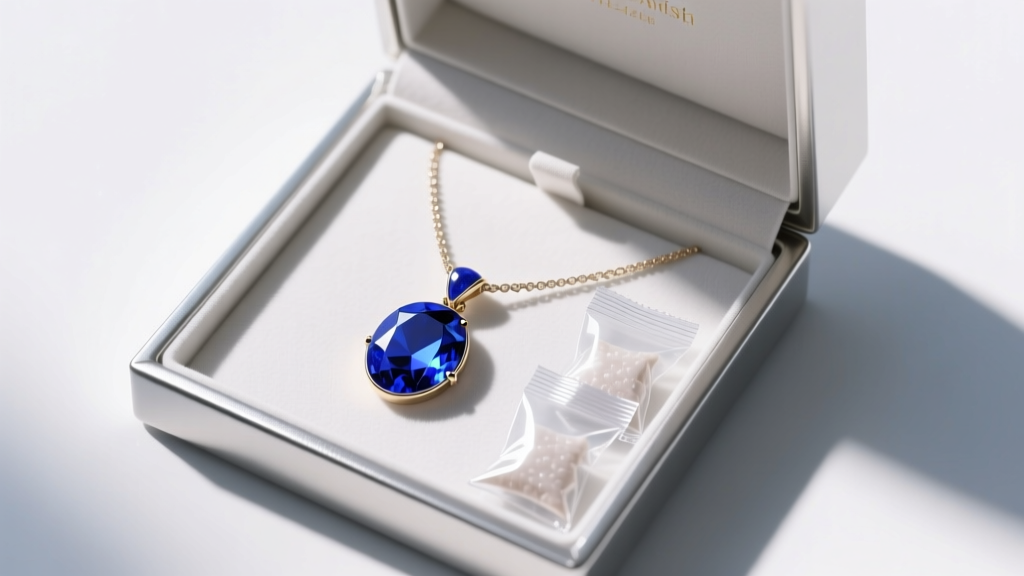
The Ultimate Storage Setup: Place your necklace in a ziplock polyethylene bag (avoid PVC plastics, which emit sulfur gases). Squeeze out all excess air. Drop in a 3M Anti-Tarnish strip and a small silica gel desiccant packet to control ambient moisture. Store the bag in a cool, dark drawer away from direct sunlight and bathroom humidity.
Troubleshooting Common Replica Necklace Failures
Even with meticulous care, TV show replica jewelry is prone to specific mechanical and chemical failures. Here is how to troubleshoot the most common issues encountered by collectors.
Issue 1: The Chain is Turning My Neck Green
The Cause: This is not an allergic reaction; it is a chemical reaction. The acids and salts in your sweat are reacting with the copper or brass core of a worn-down plated chain, creating copper chloride, which transfers to your skin.
The Fix: For a temporary fix, coat the back of the pendant and the inner links of the chain with a thin layer of clear, non-yellowing nail polish or a specialized jewelry barrier like Jewelry Shield. For a permanent solution, upgrade the chain to a solid 925 sterling silver or surgical stainless steel 1.2mm cable chain.
Issue 2: The Lapis or Synthetic Cabochon Has Fallen Out
The Cause: Mass-produced replicas often use cheap epoxy resins that become brittle and degrade when exposed to UV light and temperature fluctuations over time.
The Fix: Do not use cyanoacrylate (Super Glue). It 'blooms' as it cures, leaving a permanent, cloudy white residue on porous stones like lapis. Instead, use a flexible, clear-drying adhesive like E6000 Jewelry & Bead. Apply a micro-drop to the bezel cup using a wooden toothpick, press the stone in, and let it cure on a flat surface for 24 hours.
Issue 3: The Lobster Clasp is Stiff or Stuck
The Cause: Sebum, lotion, and microscopic dust have clogged the tiny internal spring mechanism of the clasp.
The Fix: Do not force it open, as the internal spring will snap. Place a single drop of lightweight mineral oil or specialized jewelry lubricant on the hinge pin. Work the lever back and forth gently with a pin until the mechanism frees up, then wipe away the excess oil with a cotton swab.
Conclusion
Owning an Elena Gilbert Vampire Diaries necklace is a fantastic way to keep a piece of Mystic Falls history close to your heart. However, treating a plated replica exactly like a fine jewelry heirloom is a recipe for ruined plating and damaged stones. By identifying your necklace's core material, adopting a gentle, surfactant-based cleaning routine, and utilizing anti-tarnish storage technology, you can ensure your pendant remains as captivating as the day you first unboxed it. Remember that preventative care—wiping away sweat and oils immediately after wear—is always easier and safer than attempting to reverse severe oxidation or plating loss.


