How to Clean, Restring, and Care for a Mala Beads Necklace
Learn how to properly clean, maintain, and restring your mala beads necklace. Expert tips for rudraksha, gemstones, and silk cords to preserve their beauty.

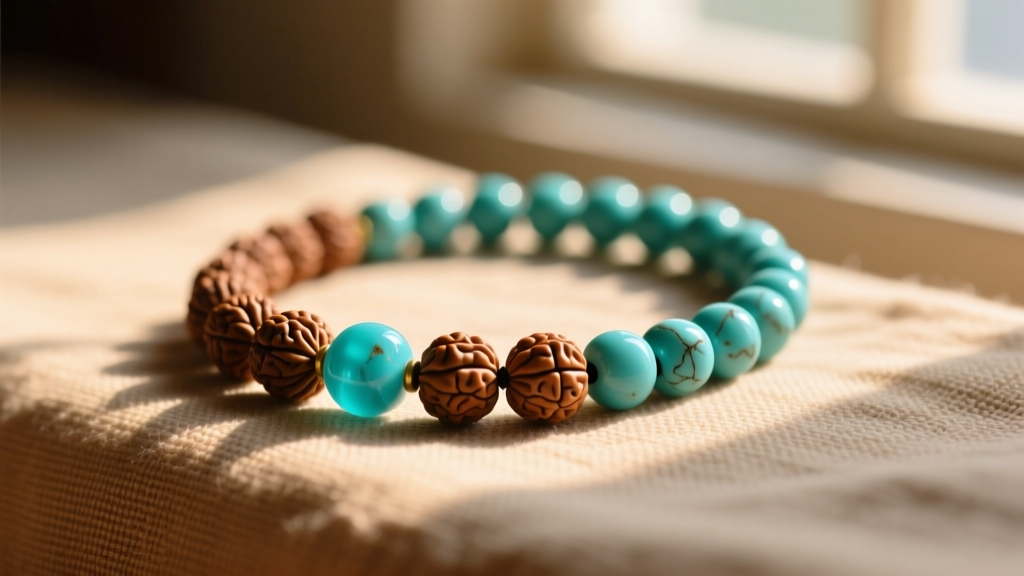
A mala beads necklace is far more than a simple piece of jewelry; it is a tactile meditation tool, a spiritual anchor, and often a significant financial investment. Comprising exactly 108 beads (plus a Guru bead and tassel), these necklaces endure immense physical handling. The natural oils from your skin, environmental dust, and the friction of daily japa (mantra recitation) all take a toll on the materials. However, because malas are crafted from vastly different materials—ranging from highly porous organic seeds to delicate gemstones and fragile silk cords—a one-size-fits-all cleaning approach will quickly ruin your piece.
This comprehensive care guide breaks down the exact maintenance protocols, cleaning agents, and restringing metrics required to preserve both the physical integrity and the energetic purity of your mala beads necklace.
The Anatomy of Wear: Why Material Dictates Care
Before applying any cleaning solution, you must identify the three core components of your mala: the beads, the cord, and the tassel. According to the Gemological Institute of America (GIA), organic gem materials and porous stones require drastically different care than crystalline quartz. Furthermore, the cord holding your 108 beads together is the single most common point of failure. Understanding the interplay between your bead material and cord type is the first step in establishing a proper maintenance routine.
Step-by-Step Cleaning Protocols by Bead Material
Never submerge your entire mala beads necklace in water without verifying the Mohs hardness and porosity of every single bead. Here is how to handle the most common mala materials.
Rudraksha Seeds (The Absorbent Organics)
Rudraksha seeds are highly porous and prone to drying out, which leads to micro-fractures and eventual splitting.
- Physical Cleaning: Soak the seeds in lukewarm (never hot) water for 10-15 minutes. Use a soft-bristled baby toothbrush to gently dislodge dirt trapped in the deep Mukhi (facets) grooves.
- Drying: Pat dry with a microfiber cloth and let them air dry in a shaded, well-ventilated area. Never place rudraksha in direct sunlight or near a heater, as rapid moisture loss will crack the seeds.
- Conditioning: Once completely dry, apply a single drop of food-grade mustard oil, olive oil, or sandalwood oil to each seed. Rub it in with your fingers to restore the natural luster and prevent brittleness.
Porous and Soft Gemstones (Turquoise, Lapis Lazuli, Malachite)
Stones ranking below 5 on the Mohs scale are exceptionally vulnerable to water and chemicals. Malachite, for instance, can actually dissolve or lose its polished finish when exposed to prolonged moisture.
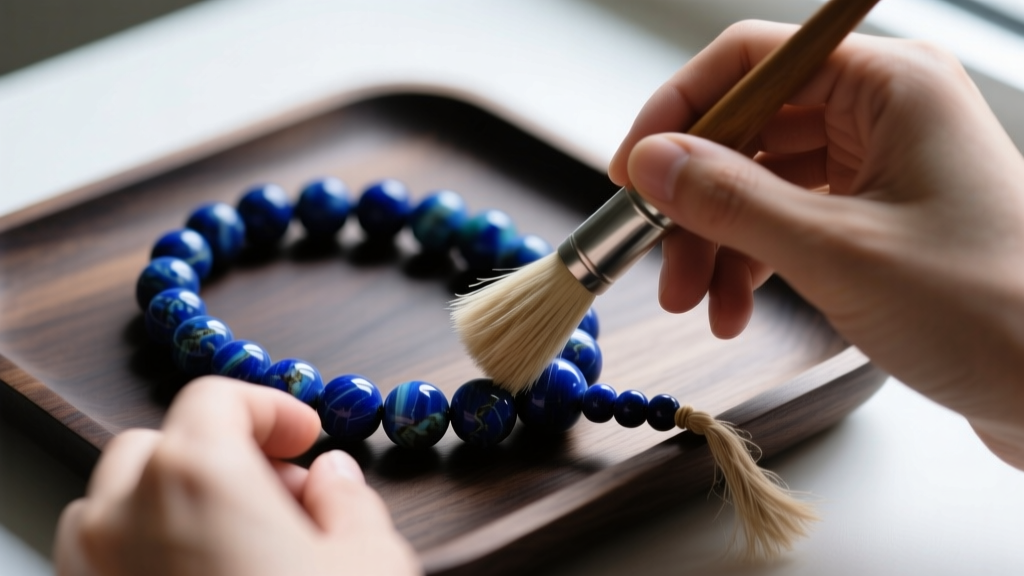
- Physical Cleaning: Avoid water entirely. Use a dry, soft horsehair brush or a clean makeup brush to dust between the beads.
- Stain Removal: If a bead becomes heavily soiled, lightly dampen a cotton swab with distilled water and wipe only the surface of the stone, immediately drying it with a soft cloth. Never use ultrasonic cleaners or steamers on these stones.
Hard Gemstones (Amethyst, Clear Quartz, Jade, Agate)
These crystalline structures (Mohs 6.5 to 7+) are durable enough for wet cleaning but still require gentle handling.
- Physical Cleaning: Create a solution of lukewarm water and a few drops of pH-neutral, fragrance-free castile soap. Submerge the gemstone portion of the mala for 5 minutes. Gently agitate the water, then rinse under a low-pressure stream of distilled water.
- UV Warning: While amethyst and rose quartz are physically hard, prolonged exposure to direct UV light during the drying process will cause their colors to fade permanently. Always dry them in the shade.
Sandalwood and Lotus Seed
Wood and seed malas rely on the natural sebum (oils) from your skin to develop a rich, dark patina over time. Washing sandalwood with soap strips this patina and dries out the wood, leading to a loss of its natural aromatic properties. Simply wipe these malas with a dry, clean cotton cloth after heavy sweating, and store them in a breathable cotton pouch when not in use.
The Cord Conundrum: Silk vs. Nylon vs. Macrame
The stringing material of your mala beads necklace dictates how it handles moisture and tension. Traditional malas are knotted between each bead to prevent total loss if the cord snaps, but the cord material itself requires specific care.
| Cord Material | Water Resistance | Durability & Friction | Restringing Frequency |
|---|---|---|---|
| Griffin Silk (Natural) | Poor (Stretches and rots when wet) | Low (Fraying occurs at bead holes) | Every 1-2 years with daily use |
| C-Lon / S-Lon Nylon | Excellent (Does not absorb water) | High (Resists UV and sweat degradation) | Every 3-5 years |
| Waxed Cotton / Hemp | Moderate (Wax repels light moisture) | Medium (Wax wears off over time) | Every 2-3 years |
| Elastic / Stretch Cord | Poor (Degrades rapidly with oils/sweat) | Very Low (Prone to sudden snapping) | Every 6-12 months |
Expert Tip: If you frequently wear your mala during hot yoga, meditation retreats, or in humid climates, avoid traditional silk. As noted by beading material specialists at Fire Mountain Gems, synthetic nylon threads like C-Lon offer superior tensile strength and will not mildew when exposed to heavy perspiration.
Energetic Cleansing vs. Physical Cleaning
Many practitioners confuse physical dirt with energetic stagnation. While physical cleaning removes sweat and dust, energetic cleansing resets the spiritual intention of the mala.
"Never use sea salt or saltwater baths to energetically cleanse a mala beads necklace. Salt crystals are highly abrasive and will micro-scratch soft gemstones, while saltwater will rapidly corrode natural silk cords and cause organic seeds to dehydrate and crack."
Safe Energetic Cleansing Methods:
- Sound Baths: Place the mala near a singing bowl or tuning fork. The acoustic vibrations clear stagnant energy without physical contact.
- Smudging: Pass the mala through the smoke of ethically sourced palo santo, cedar, or dried rosemary. Ensure the smoke is cool before it touches the beads to avoid heat damage to waxed cords.
- Selenite Charging: Rest the mala on a Selenite charging plate overnight. (Note: Keep the tassel tucked away, as Selenite can snag delicate silk threads).
When and How to Restring Your Mala Beads Necklace
Even with meticulous care, the cord of a mala beads necklace will eventually degrade. Inspect your mala monthly by gently pulling the cord between the beads. If you see fraying, fuzziness, or a noticeable thinning of the thread, it is time to restring.
Choosing the Right Thread Gauge
When restringing, match the thread thickness to the bead hole diameter. Using a thread that is too thin will cause the beads to wobble and grind against the cord, while a thread that is too thick will cause tension and snapping at the knot.
- Size D (0.30mm) Silk or Nylon: Ideal for small gemstone beads (4mm - 6mm) with narrow drill holes.
- Size F (0.35mm) to #6 (0.40mm): Best for standard 6mm - 8mm gemstones and lotus seeds.
- Size FF (0.50mm) or heavier Nylon: Required for large, heavy Rudraksha seeds (8mm - 12mm) which have wider, rougher drill holes that can easily saw through thinner threads.
The Sliding Macrame Knot vs. The Fixed Guru Bead
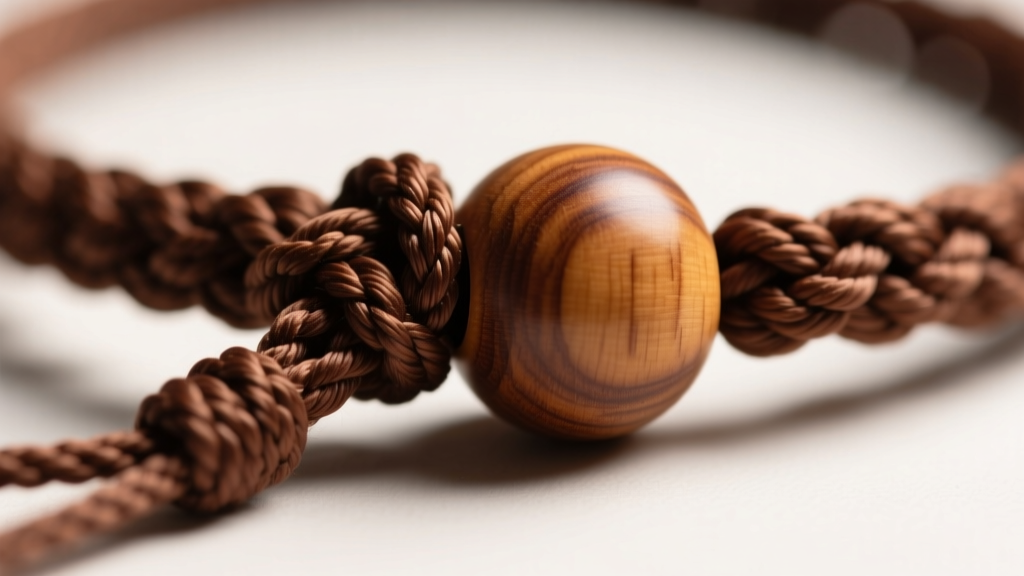
Traditional malas feature a fixed Guru bead with a permanent tassel. However, modern wearers often prefer a macrame sliding knot (also known as a square knot or cobra knot) at the nape of the neck. This allows the mala beads necklace to be adjusted from a long 34-inch necklace down to a shorter 20-inch pendant length, reducing the mechanical stress and swinging friction placed on the cord during daily activities.
Storage and Daily Wear Best Practices
How you store your mala when it is not around your neck is just as critical as how you clean it.
- The Cotton Pouch Rule: Always store your mala in a breathable, unbleached cotton or silk drawstring pouch. Plastic bags trap ambient moisture, which can lead to mold growth on organic seeds and wood beads.
- Chemical Avoidance: Apply all perfumes, essential oils, hairsprays, and lotions before putting on your mala. The alcohol and synthetic compounds in cosmetics will strip the polish off gemstones and degrade the wax coating on cotton cords.
- Tassel Maintenance: If your mala features a silk tassel, use a wide-tooth wooden comb to gently detangle the threads after wear. Never pull or brush a wet tassel, as silk loses up to 20% of its tensile strength when damp.
By treating your mala beads necklace with the respect and specialized care its materials demand, you ensure that it remains a beautiful, durable, and energetically clear companion for your spiritual practice for decades to come.


