Styling a Large Red Bead Necklace: The Beginner's Guide
Learn how to choose, size, and style a large red bead necklace. Explore materials like carnelian and cherry quartz, plus neckline tips.

The Anatomy of a Statement Piece
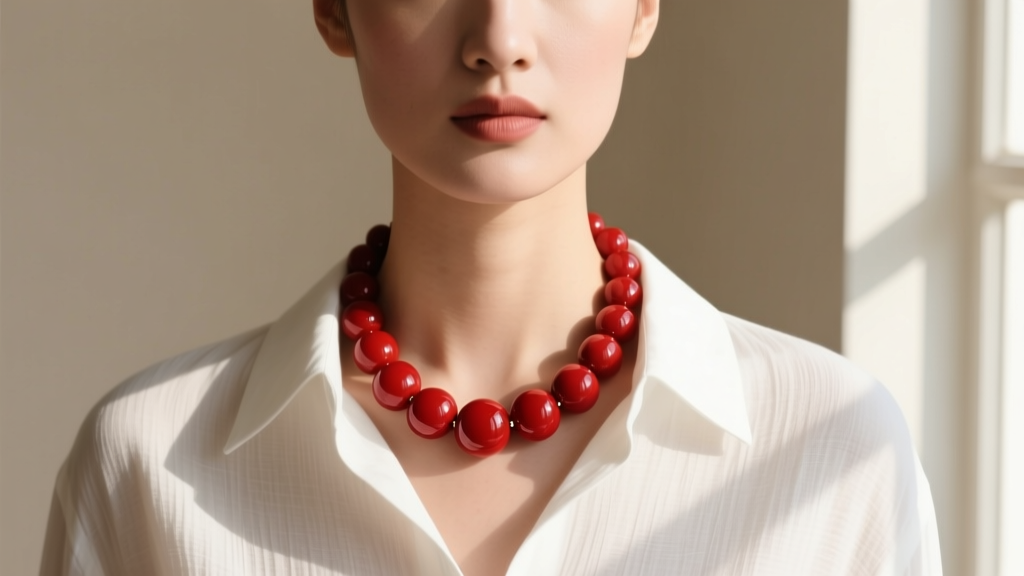
When building a versatile and impactful jewelry collection, few items command attention quite like a large red bead necklace. For beginners stepping into the world of statement jewelry, the bold color and substantial volume of these pieces offer an immediate style upgrade. However, navigating the market requires more than just picking a pretty color. You must understand gemology, structural integrity, and proportion. Red has historically signified vitality, passion, and power. From ancient Egyptian carnelian amulets to Mediterranean coral trade beads, red gemstones have always held premium status. Today, a well-crafted large red bead necklace acts as a focal point that can elevate a simple linen shirt or anchor an elegant evening ensemble. This guide will break down the exact specifications, materials, and styling frameworks you need to choose and wear your piece with absolute confidence.
Decoding Red Bead Materials: Natural vs. Synthetic
The term "red bead" encompasses a wide spectrum of materials, ranging from organic treasures to dyed synthetics. Understanding what you are buying dictates not only the price but also the care requirements and longevity of the necklace. According to the Gemological Institute of America (GIA), identifying the exact mineral or organic structure is the first step in evaluating any gemstone jewelry.
Material Comparison Chart
| Material | Mohs Hardness | Price Range (16-inch) | Best For |
|---|---|---|---|
| Carnelian | 6.5 - 7.0 | $60 - $180 | Everyday luxury, warm skin tones |
| Cherry Quartz | 7.0 (Dyed) | $15 - $45 | Budget-friendly statement, bold colors |
| Red Coral (Vintage) | 3.5 - 4.0 | $250 - $800+ | Collectors, heirloom pieces |
| Red Jade (Jadeite) | 6.5 - 7.0 | $100 - $500+ | Cultural significance, high polish |
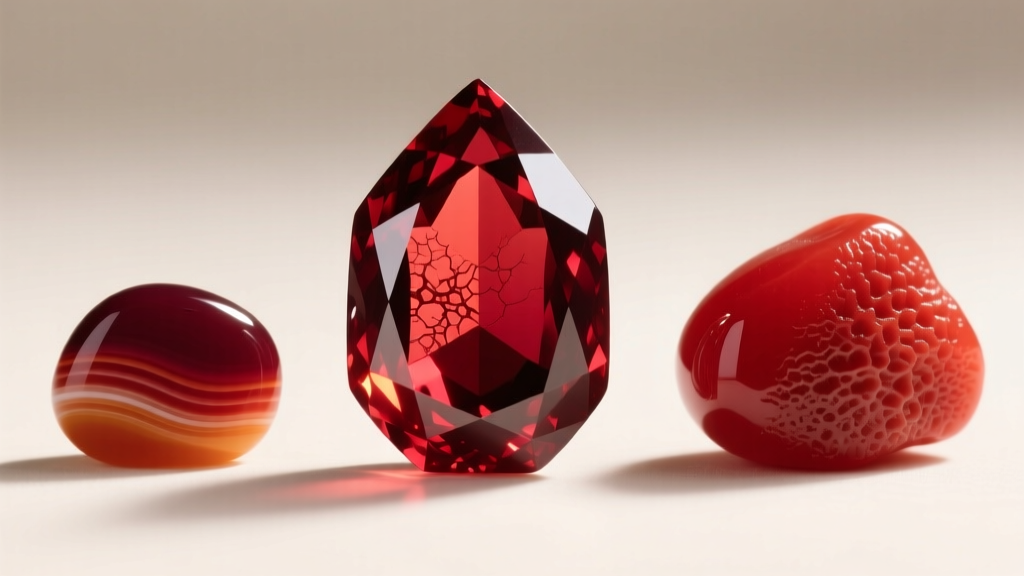
Carnelian is a microcrystalline quartz (chalcedony) colored by iron oxide impurities. It is highly durable, making it ideal for heavy beads that might knock against surfaces. Most carnelian on the market is heat-treated to deepen the red hue, a permanent and universally accepted practice in gemology. Cherry Quartz is a trade name, typically referring to clear quartz that has been fracture-dyed or, in cheaper iterations, dyed glass. It provides a vibrant, uniform crimson that is excellent for beginners wanting a bold look without the investment of natural carnelian. Red Coral (Corallium rubrum) is an organic gem. Due to severe overharvesting, it is heavily regulated by international conservation guidelines. Beginners should avoid newly harvested coral and instead seek verified vintage pieces or opt for sustainable alternatives like red agate.
Sizing and Proportions: Getting the Millimeters Right
The visual weight of a large red bead necklace is entirely dependent on the millimeter (mm) diameter of the beads. A difference of just 4mm completely changes the drape, weight, and stylistic category of the piece. Here is a practical framework for choosing your bead size:
- 10mm - 14mm (The Chunky Standard): This is the most wearable "large" size. A 12mm carnelian necklace weighs approximately 45 to 60 grams, providing a noticeable presence without straining the neck. It sits beautifully just below the collarbone and works for both office environments and evening wear.
- 15mm - 20mm (The Bold Statement): At 18mm, the beads become the undeniable centerpiece of your outfit. This size requires careful neckline pairing (detailed below) and weighs between 90 and 150 grams. This is where structural stringing becomes critical.
- 21mm - 30mm+ (Avant-Garde & Runway): Beads of this size are heavy, often exceeding 200 grams total. They are best suited for special events, editorial shoots, or high-fashion environments. The sheer volume demands a minimalist wardrobe to prevent visual clutter.
Stringing Architecture: Why Thread Fails Heavy Beads
One of the most common beginner mistakes is purchasing or crafting a heavy stone necklace strung on traditional silk thread or cheap nylon. While silk is the gold standard for lightweight pearls, it is a catastrophic failure point for heavy gemstones. A 16-inch necklace of 18mm carnelian beads exerts significant dynamic tension on the stringing material every time you move, lean, or take off the jewelry.
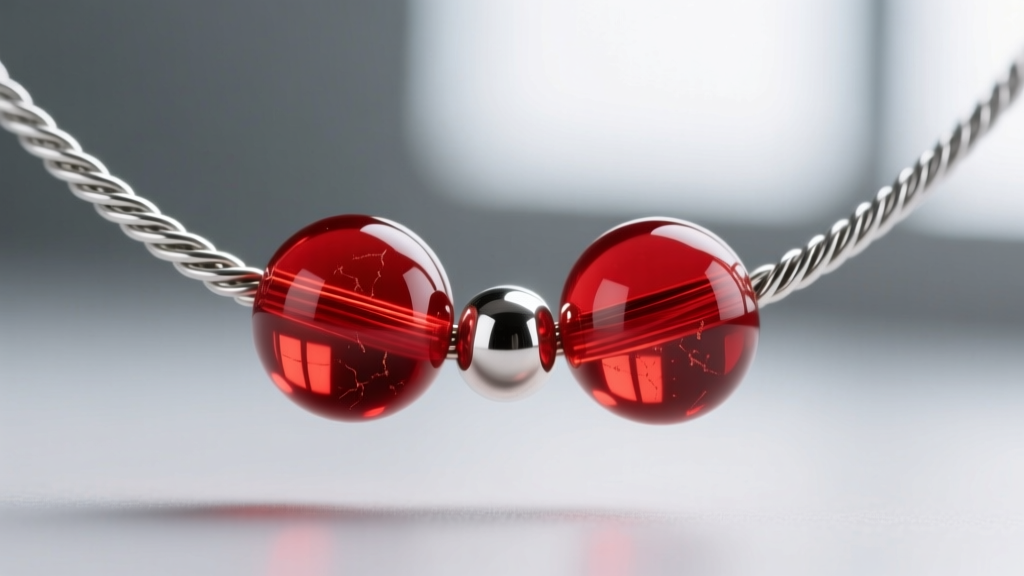
For any large red bead necklace featuring genuine stone or heavy glass beads over 12mm in diameter, you must use micro-braided stainless steel beading wire. The industry standard is 49-strand wire with a diameter of .024 inches (such as Soft Flex or Beadalon brands). This specific gauge offers the tensile strength of steel with the drape of silk, preventing the necklace from snapping or permanently stretching out of shape.
Furthermore, the clasp must be proportionate to the weight. A standard 5mm spring ring clasp will easily bend and fail under the weight of 20mm beads. Instead, opt for a 15mm stainless steel toggle clasp or a heavy-duty neodymium magnetic clasp equipped with a secondary safety chain. Secure the wire ends using 2x2mm sterling silver crimp tubes, crushed with specialized magic crimp pliers to ensure a clean, rounded fold that will not slice through the wire over time.
The Neckline Pairing Framework
Styling a large red bead necklace is an exercise in geometric balance. The vivid color and spherical volume draw the eye directly to the center of the chest. To master this, follow this beginner-friendly neckline pairing guide:
- The Crisp White Button-Down: The ultimate canvas. Leave the top two buttons undone to create a natural V-shape. The 16mm to 18mm red beads will pop brilliantly against the white cotton or linen, creating a sophisticated, high-contrast look suitable for creative professional settings.
- The Deep V-Neck: A deep V-neck elongates the torso. Choose a necklace length that allows the center bead to rest exactly one inch above the apex of the V-neckline. This creates a harmonious visual line that flatters all body types.
- The Boatneck (Bateau): Boatnecks cut horizontally across the collarbone. To avoid a cramped appearance, pair this neckline with a shorter, 14-inch choker-style large bead necklace (using 10mm-12mm beads) that sits entirely above the fabric line, or a long 24-inch opera length that drops below it. Never let the beads rest directly on the boatneck hem.
- The Crew Neck: Avoid wearing a short, chunky red bead necklace directly over a tight crew neck t-shirt, as it creates a crowded, suffocating visual effect. Instead, layer the red bead necklace over a longer, thinner gold or silver chain to create negative space between the fabric and the statement beads.
Care, Maintenance, and Storage
Red gemstones, particularly porous ones like coral or heavily fractured dyed quartz, require specific maintenance. Never clean your necklace in an ultrasonic cleaner; the high-frequency vibrations can shatter internal fractures or strip dye from treated stones. Instead, wipe the beads gently with a damp, lint-free microfiber cloth after each wear to remove skin oils and cosmetic residues.
When storing your large red bead necklace, never hang it on a standard jewelry hook. The continuous downward pull of gravity will stretch the stringing wire and stress the crimp beads over time. Always store the necklace flat in a soft pouch or lined jewelry box, coiled loosely to maintain the memory of the wire. By understanding the material science, structural requirements, and styling geometry of your jewelry, you transform from a passive consumer into a knowledgeable collector, ensuring your statement pieces remain stunning for decades.


