Expert Care & Cleaning Tips for a Key Holder Necklace
Discover expert care, cleaning, and maintenance tips for your key holder necklace. Learn how to protect metals, leather cords, and heavy-duty clasps.

The Unique Wear-and-Tear of Functional Jewelry
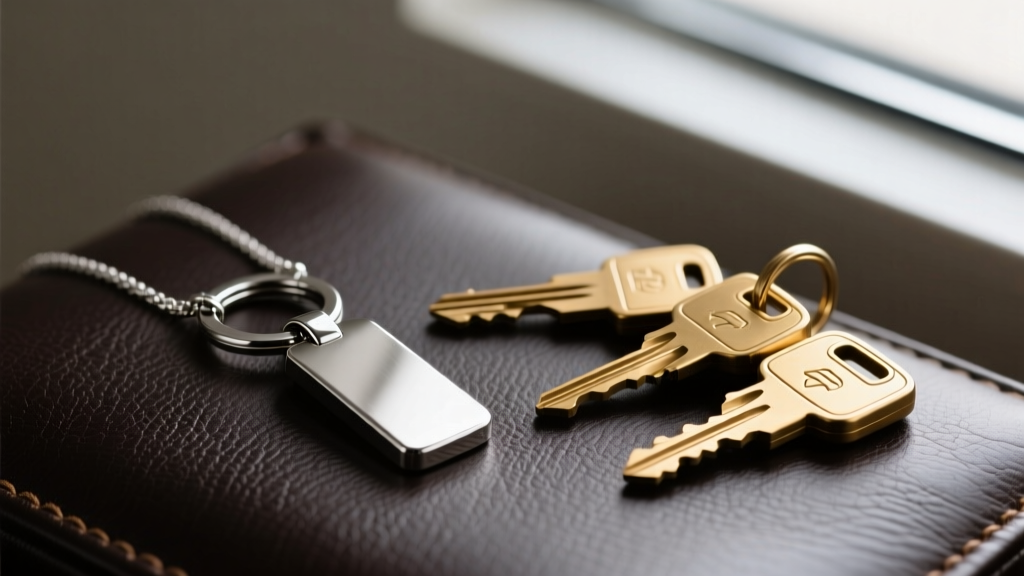
Functional jewelry bridges the gap between everyday utility and personal style, but it demands a rigorous maintenance routine. A key holder necklace is subjected to extreme conditions that standard pendants never face. From the abrasive "key jingle" effect and pocket lint accumulation to exposure to hand sanitizers and the sheer gravitational stress of modern car fobs, the mechanical and chemical wear on these pieces is immense.
As we navigate 2026, the rise of heavy smart-car fobs and multi-tool EDC (Everyday Carry) keys means your necklace bears more weight and friction than ever before. Neglecting maintenance doesn't just lead to a dull finish; it invites catastrophic clasp failure and dropped keys. According to the Jewelers of America, functional pieces require specialized cleaning protocols to preserve both their structural integrity and aesthetic appeal. Below is your comprehensive, expert-level guide to maintaining your key holder necklace.
Material-Specific Cleaning Protocols
The pendant and hardware of a key holder necklace are typically forged from durable alloys, but each metal reacts differently to environmental stressors and cleaning agents.
316L Stainless Steel & Grade 5 Titanium
These are the gold standards for tactical and EDC jewelry. 316L surgical steel resists sweat and oxidation, while Grade 5 titanium offers high tensile strength at a fraction of the weight. However, they are prone to micro-scratches from rubbing against nickel-plated brass keys.
- Routine Cleaning: Use a solution of warm water and a few drops of pH-neutral dish soap. Soak for 10 minutes, then agitate with a soft-bristled baby toothbrush to dislodge metal dust from the bail.
- PVD Coatings: Many modern titanium key holders feature Physical Vapor Deposition (PVD) black or gunmetal coatings. Never use ultrasonic cleaners or harsh chemicals on PVD, as this can degrade the nanolayer. Wipe gently with an alcohol-free lens wipe.
Brass and Copper Alloys
Brass key holder pendants offer a vintage, heritage aesthetic but are highly reactive to the acids in human skin and the salts from pocket sweat. This leads to a dark, sometimes greenish patina.
- Embracing the Patina: If you prefer the aged look, simply wipe the pendant with a damp microfiber cloth to remove acidic buildup, then dry thoroughly.
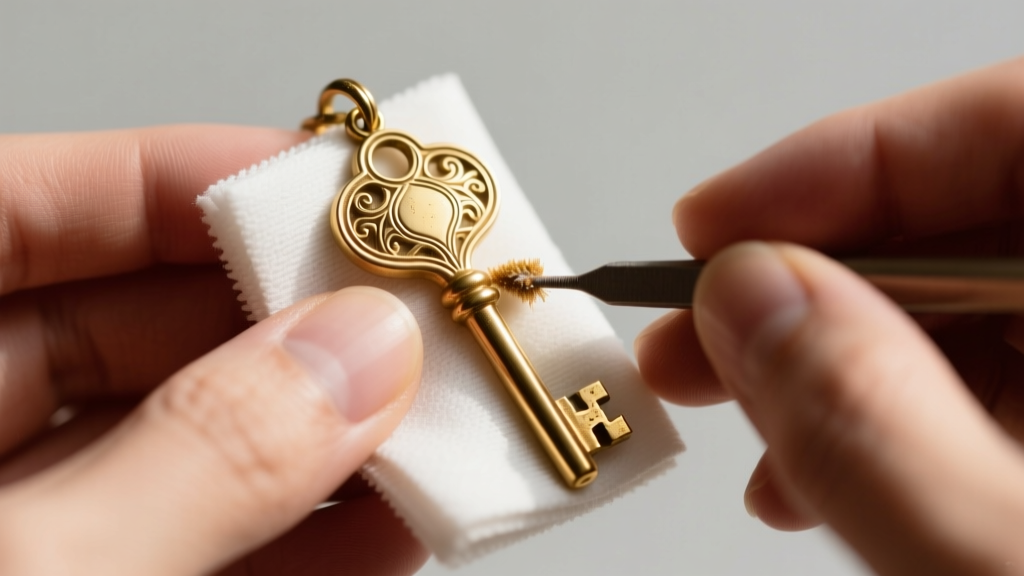
- Restoring the Shine: To strip the patina, create a paste of equal parts lemon juice, baking soda, and fine salt. Apply with a soft cloth, rub gently for 60 seconds, rinse with distilled water, and immediately dry to prevent water spots. For deeper oxidation, a specialized brass polish applied with a Q-tip around the keyring loop works best.
Cord, Leather, and Chain Maintenance
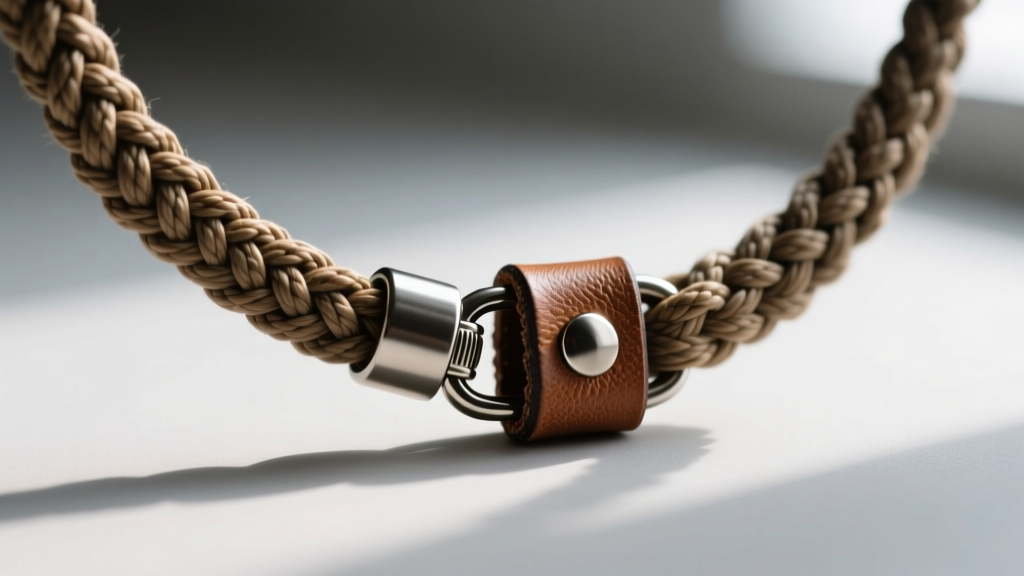
The suspension system of your key holder necklace takes the brunt of the tensile stress. Choosing the right cleaning method based on the material is critical to preventing snap failures.
Vegetable-Tanned Leather & Suede
Leather cords are highly susceptible to drying out and cracking when exposed to the high alcohol content in modern hand sanitizers. Once a month, apply a minimal amount of high-quality saddle soap or mink oil using a soft cloth. Massage it into the leather, let it absorb for 15 minutes, and buff off the excess. Never soak leather in water, as this strips its natural tannins and leads to brittle fibers.
Paracord and Ballistic Nylon
Paracord is incredibly durable but acts as a sponge for pocket lint, dead skin cells, and environmental oils. You can safely clean a paracord necklace by placing it in a mesh laundry bag and running it through a gentle, cold-water washing machine cycle with mild detergent. Always air dry; the heat from a dryer can melt the synthetic nylon core.
Box Chains and Rope Chains
Metal chains trap grime in their interlocking links. For a deep clean, an ultrasonic jewelry cleaner filled with a specialized ammonia-free solution works wonders for solid steel or silver chains. However, if your chain features hollow links or soldered jump rings, limit ultrasonic exposure to under three minutes to prevent vibration-induced solder fractures.
The Friction Point: Managing Key-to-Pendant Abrasion
The most vulnerable part of any key holder necklace is the bail or the primary jump ring where the keys attach. The constant metal-on-metal grinding creates a phenomenon known as galling, where microscopic particles of metal tear away from the surface, eventually thinning the jump ring until it snaps.
Expert Troubleshooting & Prevention:
- The O-Ring Buffer: Thread a small, durable rubber O-ring (such as a 1.5mm cross-section Viton O-ring) onto the jump ring before adding your keys. This eliminates metal-on-metal friction, silences the "key jingle," and dramatically extends the life of the hardware.
- Polyurethane Dip: For brass or steel pendants with intricate cutouts, dipping the lower half of the pendant in a clear, flexible polyurethane rubber coating creates a silent, protective barrier against key strikes.
- Inspecting the Split Ring: If your necklace uses a split ring rather than a welded jump ring to hold keys, inspect the gap monthly. Keys can easily pry the split ring open. Upgrade to a welded solid jump ring or a micro-carabiner for security.
Hardware & Clasp Maintenance Checklist
A heavy keychain can easily weigh between 50 to 150 grams. Standard jewelry clasps are not engineered for this dynamic load. Upgrading and maintaining your clasp is non-negotiable. Below is a comparison of common clasp types used in functional jewelry and their specific maintenance requirements.
| Clasp Type | Max Safe Load | Failure Mode | Maintenance Protocol |
|---|---|---|---|
| Standard Lobster | 40g | Spring fatigue; trigger snags on clothing | Apply one drop of synthetic watch oil to the spring hinge every 6 months. |
| Screw-Lock Barrel | 150g+ | Thread stripping; cross-threading | Clean threads with a dry brush; apply a microscopic dab of beeswax for lubrication. |
| Tactical Carabiner | 200g+ | Gate spring failure; aluminum oxidation | Wipe with a dry cloth; avoid chemical solvents that degrade the gate O-ring. |
| Magnetic Neodymium | 30g | Demagnetization from impact; sliding shear | Keep away from strong electronic fields; wipe clean of metal dust accumulation. |
Note: For further reading on metal grades and their tensile strengths, the Assay Office provides excellent foundational data on jewelry metallurgy and hallmarking standards.
Storage and Daily Wear Best Practices
How you store your key holder necklace when it is not around your neck dictates its lifespan. The most common mistake users make is leaving the necklace hanging on a wall hook or a bowl with the heavy keys still attached. This constant gravitational pull stretches metal chains (a process called "creep") and permanently elongates leather cords.
The Ideal Storage Routine:
- Detach the Keys: Always unclip your keys from the pendant or bail before storing the necklace.
- Lay Flat or Hang Unweighted: Store the necklace flat in a microfiber-lined jewelry box, or hang it on a velvet necklace bust to maintain the cord's natural curvature.
- Climate Control: If you live in a high-humidity environment, store brass or copper key holder pendants in a sealed ziplock bag with a silica gel desiccant packet to prevent rapid oxidation and verdigris buildup.
Final Thoughts on Functional Jewelry Care
A well-maintained key holder necklace is more than just a convenient way to carry your essentials; it is a statement piece that reflects attention to detail. By understanding the specific material grades, managing the friction points, and respecting the weight limits of your hardware, you ensure that your functional jewelry remains secure and visually striking for years to come. Treat your gear with respect, and it will never let you down.


