Decoding the Theme of the Necklace: 2026 Trend Analysis
Discover how the theme of the necklace dictates your 2026 style. Explore material grades, chain pairings, and trend forecasts for top motifs.

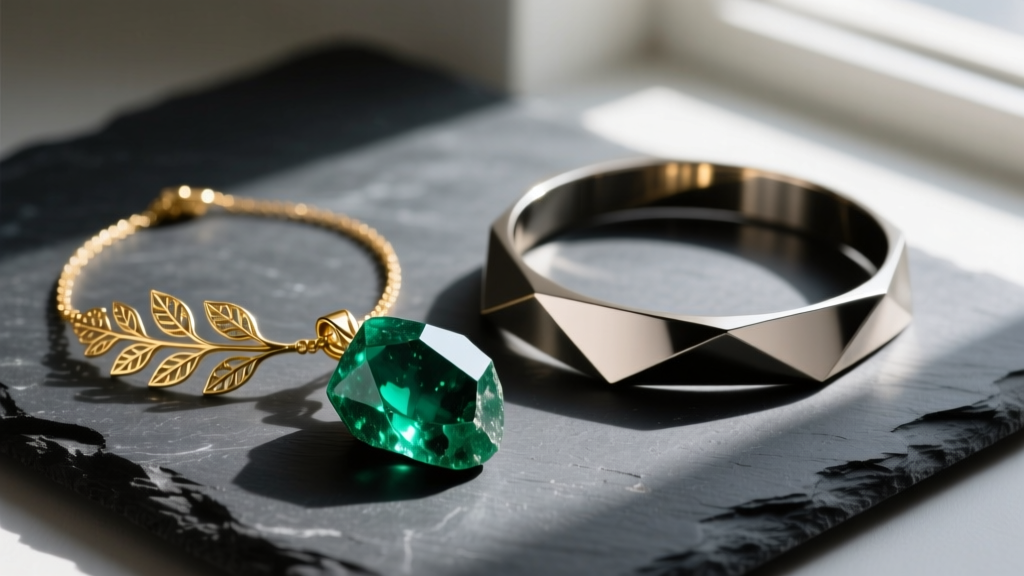
The Architecture of Aesthetics: Beyond Surface Motifs
In contemporary jewelry design, selecting a piece goes far beyond matching a pendant shape to an outfit. As we navigate the 2026 style landscape, understanding the theme of the necklace is critical to mastering personal adornment. A theme is not merely a visual category like 'celestial' or 'botanical'; it is an architectural blueprint that dictates metallurgy, chain gauge, clasp mechanics, and structural longevity. When designers and jewelers commit to a specific thematic vision, the physical properties of the materials must align with the conceptual weight of the design.
According to recent market analyses by the Business of Fashion, consumers are increasingly rejecting mass-produced, thematically diluted pieces in favor of hyper-specific, material-honest jewelry. This means that a brutalist-themed necklace cannot simply be a cast piece of polished silver; it requires specific alloy hardness and deliberate texturing to maintain its thematic integrity. In this comprehensive guide, we decode the dominant necklace themes of 2026, providing actionable frameworks for material selection, gauge pairing, and neckline styling.
2026 Trend Forecast: Dominant Necklace Themes
The current year has seen a sharp divergence in thematic preferences, moving away from the minimalist, barely-there chains of the early 2020s toward pieces with substantial visual and physical weight. Here is a deep dive into the three defining themes dominating the luxury and independent jewelry sectors.
1. Neo-Brutalism & Raw Geology
Neo-brutalism in jewelry embraces asymmetry, raw textures, and unpolished gemstones. This theme celebrates the violent, chaotic origins of geological materials. From a manufacturing standpoint, this requires high-tensile metals. Because raw geodes and uncut stones (like pyrite, unpolished emeralds, or rough sapphires) are exceptionally heavy and possess jagged edges that can abrade weaker metals, the chain and bail must be robust.
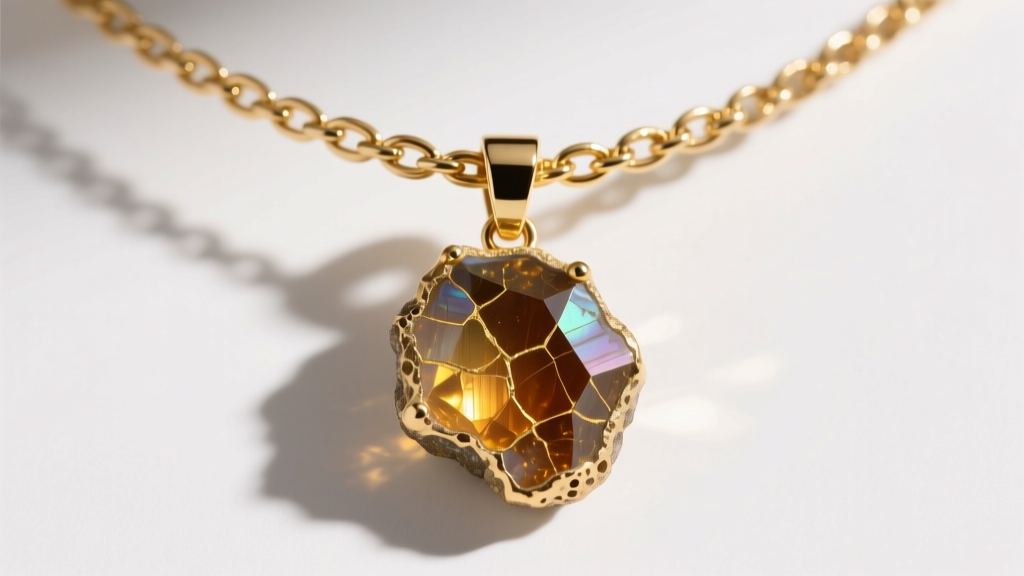
- Ideal Metals: 14k gold (Vickers hardness of ~140-160 HV) or Grade 5 Titanium. Avoid 22k or 24k gold, as the high ductility will cause the bail to warp under the pendant's weight.
- Chain Pairing: 4.0mm to 6.0mm Figaro, Cuban, or Rope chains. These interlocking weaves distribute the pendant's weight across multiple contact points, preventing localized stress fractures.
- Failure Mode to Watch: Porosity in the casting. Cheap CAD/CAM brutalist pieces often suffer from micro-porosity. Always inspect the bail and clasp solder points under a 10x loupe for tiny pits, which indicate structural weakness.
2. Cyber-Botanical & Bio-Resin Integration
Merging organic forms with synthetic, futuristic materials, the cyber-botanical theme is a hallmark of 2026 avant-garde styling. This theme features intricate fern, mycelium, or vine motifs cast in recycled 925 sterling silver, frequently accented with lab-grown colored diamonds or bio-based photoluminescent resins. The Gemological Institute of America (GIA) has noted a significant uptick in the use of lab-grown melee stones to accentuate these highly detailed, nature-inspired matrices.
- Ideal Metals: Recycled 925 Sterling Silver or 18k Palladium White Gold. The high fluidity of these alloys during the casting process allows for the capture of microscopic organic textures.
- Chain Pairing: 1.5mm to 2.5mm Box or Wheat chains. The geometric links of a box chain contrast beautifully with the organic, flowing lines of the botanical pendant, creating a deliberate thematic tension.
- Maintenance Note: Bio-resins are susceptible to UV degradation and chemical breakdown from perfumes. Advise clients to apply cosmetics before donning cyber-botanical pieces to preserve the resin's optical clarity.
3. Heritage Revival & Etruscan Granulation
This theme looks backward to move forward, reviving ancient metalworking techniques like granulation and filigree. Granulation involves fusing microscopic spheres of gold to a base sheet without the use of modern solder, relying instead on copper salts and organic glues that burn away in the kiln, leaving a pure metal-to-metal bond.
True granulation is a master-class in metallurgy. It requires a minimum of 18k gold, as the high copper and silver content in lower karats oxidizes unpredictably during the fusing process, ruining the delicate granular surface.
- Ideal Metals: 18k or 22k Yellow Gold. The rich, warm hue is intrinsic to the historical accuracy of the theme.
- Chain Pairing: 2.0mm to 3.0mm Byzantine or Foxtail chains. These complex, woven chains mirror the intricate, labor-intensive nature of the granulated pendant.
Material & Gauge Matrix by Theme
To ensure structural integrity and thematic cohesion, use the following matrix when sourcing or designing necklaces. Matching the correct chain gauge to the pendant's thematic weight is the most common point of failure in commercial jewelry.
| Necklace Theme | Optimal Metal Grade | Chain Style & Gauge | Clasp Mechanism | Avg. Price Range (USD) |
|---|---|---|---|---|
| Neo-Brutalism | 14k Gold / Grade 5 Ti | Figaro / Rope (4.5mm - 6.0mm) | Lobster (12mm+) with Safety 8 | $850 - $3,200 |
| Cyber-Botanical | Recycled 925 Silver | Box / Wheat (1.5mm - 2.5mm) | Spring Ring or Magnetic | $180 - $650 |
| Heritage Granulation | 18k / 22k Yellow Gold | Byzantine (2.5mm - 3.5mm) | Tongue and Groove Box | $2,500 - $8,500+ |
| Celestial Minimalist | Platinum 950 / 18k White | Cable (0.9mm - 1.2mm) | Micro Lobster (8mm) | $400 - $1,500 |
Styling Framework: Matching Neckline to Thematic Weight
The visual weight of a necklace theme must harmonize with the geometry of the wearer's neckline. A common styling error is pairing a heavy, chaotic brutalist piece with a busy, patterned garment, resulting in visual clutter. Here is a precise framework for styling based on the theme of the necklace.
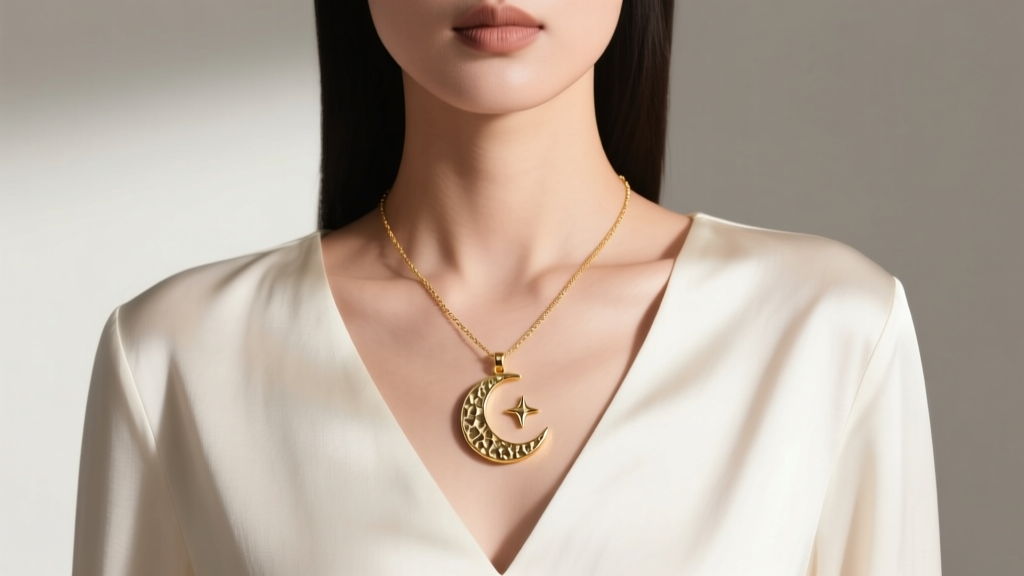
The Deep V-Neck & Plunging Lines
Deep V-necks create a negative space that demands vertical elongation. Y-Lariats and long pendants (20 to 24 inches) are ideal here. If the theme is celestial or geometric, a single, sharp drop pendant anchors the look without overwhelming the collarbone. Avoid chokers or 16-inch princess lengths, as they will visually 'cut' the neck and clash with the garment's plunging trajectory.
The Crew Neck & High Collar
Crew necks provide a solid canvas of fabric that acts as a backdrop. This is the optimal environment for Neo-Brutalist and Heritage themes. A 16 to 18-inch chain resting just above the fabric hem allows the heavy textures and raw stones to pop against the matte background of cotton or wool. Ensure the pendant sits at least 1 inch above the garment's ribbed collar to prevent friction damage to delicate gemstones.
The Sweetheart & Off-The-Shoulder
These necklines expose the entire clavicle and upper chest, making them perfect for layered Cyber-Botanical or delicate Minimalist themes. Utilize a 14-inch choker paired with a 16-inch pendant necklace. The exposed skin allows light to catch the intricate filigree or bio-resin accents, creating a luminous, ethereal effect that heavier fabrics would absorb.
Sourcing & Authenticity: Avoiding Thematic Dilution
As thematic jewelry trends peak, the market is inevitably flooded with 'costume' interpretations that lack structural and material authenticity. When investing in a piece where the theme of the necklace is central to its value, rigorous authentication is required.
- Verify the Hallmark and Weight: A true brutalist piece in 14k gold will have substantial heft. If a 5mm chain feels suspiciously light, it may be hollow-core or heavily plated over brass. Look for laser-stamped hallmarks (e.g., '14K', '585', '925') on the clasp tongue or the final link, not just a flimsy hang-tag.
- Examine the Bail Construction: The bail is the bridge between the chain and the thematic pendant. In heritage and granulated pieces, the bail should be seamlessly integrated or soldered with high-temperature gold solder. If you see a dull, greyish ring around the solder joint, it indicates the use of cheap silver-bearing solder, which will tarnish and compromise the piece's aesthetic integrity.
- Assess Gemstone Setting Techniques: For raw geology themes, bezel settings are mandatory. Prong settings cannot securely hold asymmetrical, uncut stones. Inspect the bezel wall; it should be burnished tightly against the stone's natural contours. Any visible gaps indicate poor craftsmanship that will lead to stone loss within months of wear.
By treating the theme of the necklace as a rigorous set of structural and material requirements rather than a mere visual aesthetic, you elevate your jewelry curation from superficial accessorizing to true sartorial architecture. Whether you are drawn to the chaotic beauty of raw geodes or the precise mathematics of Etruscan granulation, demanding material honesty ensures your collection will endure both structurally and stylistically well beyond 2026.


