Baroque Pearl Necklace Long Styles: Budget & Value Guide
Discover how to assess the true value of a baroque pearl necklace long style. Compare freshwater vs. saltwater pricing, grading, and budget tips.

The Allure and Economics of Long Baroque Strands
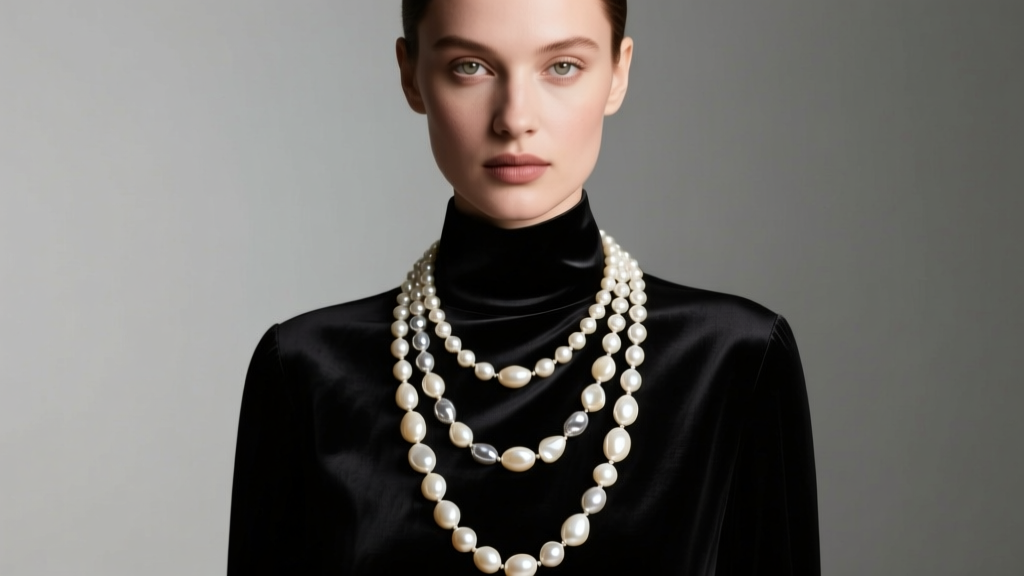
The baroque pearl necklace long style has cemented itself as a staple in modern jewelry wardrobes, bridging the gap between bohemian fluidity and classic elegance. Unlike perfectly spherical pearls, baroque pearls celebrate organic, asymmetrical shapes, making every single strand entirely unique. However, as we navigate the 2026 jewelry market, the pricing landscape for these long strands—typically categorized as Opera (28 to 34 inches) or Rope (45 inches and beyond)—has become increasingly complex. A standard 36-inch opera-length strand featuring 9mm pearls requires approximately 102 individual pearls. When you factor in the labor-intensive hand-knotting process on pure silk thread, the base cost of production is substantial. Understanding where your money actually goes is the first step in making a smart, value-driven purchase.
The Anatomy of Long Baroque Pearl Pricing
When budgeting for a long baroque strand, you are paying for three primary factors: pearl origin, nacre quality, and stringing labor. Many budget-conscious buyers overlook the stringing cost, but a high-quality 36-inch strand requires knotting between every single pearl to prevent catastrophic loss if the silk snaps. Professional knotting labor typically ranges from $2 to $5 per knot. For a 100-pearl strand, the labor alone adds $200 to $500 to the retail price. If a vendor is selling a knotted, 36-inch saltwater baroque strand for under $300, you are likely looking at synthetic beads or heavily treated, low-grade freshwater pearls.
Length Classifications and Material Requirements
- Opera Length (28-34 inches): Requires 80 to 105 pearls (assuming 8-9mm sizes). Ideal for doubling or wearing as a single, dramatic drop.
- Rope Length (45+ inches): Requires 130 to 160+ pearls. Often features a hidden clasp in the middle to allow for multi-wrap styling.
- Silk Thread Sizing: Genuine long strands should be strung on Size E or F pure silk thread (0.325mm - 0.35mm thickness) to support the weight of 100+ pearls without stretching.
Freshwater vs. Saltwater: The Core Value Divide
The most critical decision in your budget assessment is choosing between freshwater and saltwater origins. According to the Gemological Institute of America (GIA), freshwater pearls are tissue-nucleated, meaning they are solid nacre all the way through. Saltwater pearls (like Tahitian or South Sea) are bead-nucleated, which influences their luster and pricing structure. Below is a comparative breakdown of what you should expect to pay for a 36-inch opera-length strand in the current market.
| Pearl Type | Origin | Average Size (mm) | Estimated Price Range (36-inch) | Value Proposition |
|---|---|---|---|---|
| Freshwater Baroque | China | 7.0 - 10.0 | $250 - $800 | Best for budget buyers; solid nacre ensures lifelong durability. |
| Akoya Baroque | Japan/Vietnam | 7.0 - 9.5 | $1,200 - $3,500 | Superior mirror-like luster, but rare in long, uniform strands. |
| Tahitian Baroque | French Polynesia | 9.0 - 13.0 | $3,500 - $12,000+ | High-end investment; natural dark peacock and aubergine overtones. |
| South Sea Baroque | Australia/Indonesia | 11.0 - 16.0 | $8,000 - $25,000+ | Luxury tier; massive size and satiny white/gold luster. |
Grading Baroque Pearls: What You Actually Pay For
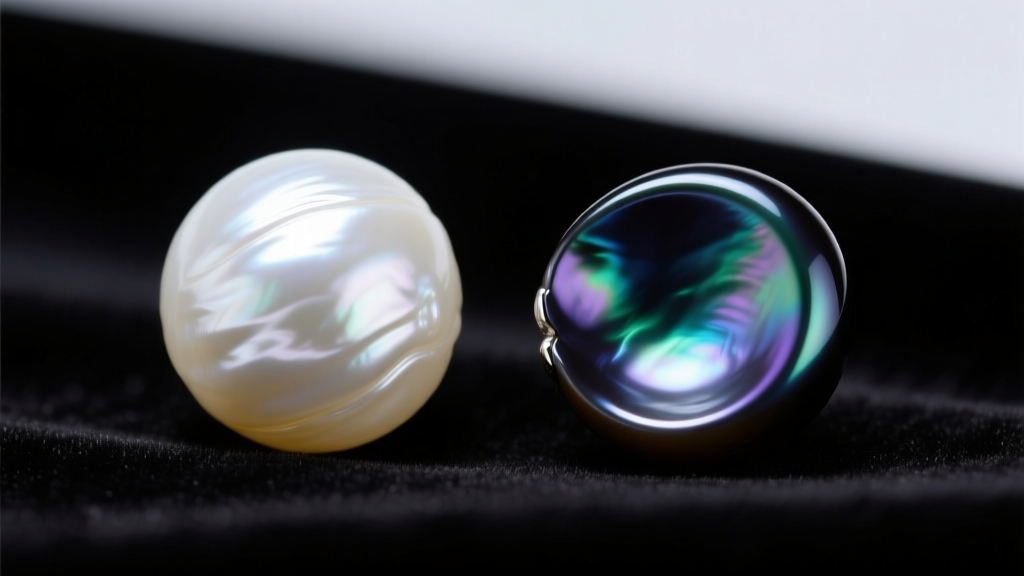
Because baroque pearls are inherently asymmetrical, traditional grading metrics like "roundness" are irrelevant. Instead, value is dictated by luster, surface cleanliness, and nacre thickness. The GIA Pearl Value Factors outline luster as the most important quality indicator. A high-luster freshwater baroque will reflect light sharply, almost like a metallic surface, whereas a low-luster pearl will appear chalky and dull. When assessing a long strand, look for consistency in luster across all 100+ pearls; a strand with mismatched luster grades indicates poor curation and should be priced at a steep discount.
Surface Quality and the "Clean" Premium
Baroque pearls naturally feature ridges, grooves, and ripples. However, there is a distinct difference between natural textural ripples and actual surface blemishes (spots, cracks, or chalky patches). "Clean" baroques—those with intense rippling but zero damaging blemishes—command a 30% to 50% premium over heavily blemished strands. If you are on a strict budget, opt for a strand with heavy textural ridges that hide minor blemishes, allowing you to secure high-luster pearls at a lower price point.
The "Keshi" Loophole for Budget Buyers
If you want saltwater luster on a freshwater budget, look for long Keshi pearl strands. Keshi pearls are accidental, non-nucleated byproducts of the saltwater culturing process. Because they lack a shell bead nucleus, they are 100% solid nacre and exhibit incredible, multi-tonal luster. A 36-inch Tahitian Keshi baroque strand can often be found for 40% less than a bead-nucleated Tahitian baroque strand of similar visual impact, making it a massive value hack for savvy collectors.
Spotting Overpriced Fakes and Treated Pearls
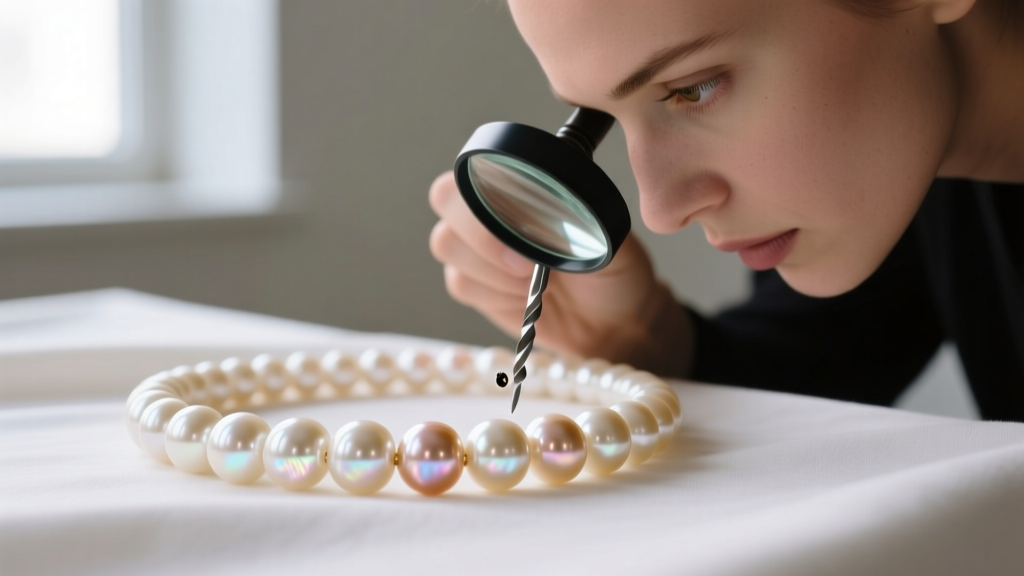
The market for long pearl necklaces is flooded with deceptive practices. The most common trap for budget buyers is dyed freshwater pearls being sold as genuine Tahitian or South Sea baroques. To protect your investment, always inspect the drill holes. If you see a dark core with a lighter outer rim, or a distinct line of dye concentration near the drill hole, the pearls have been artificially colored. Additionally, perform the temperature test: genuine nacre feels cool to the touch and takes a few seconds to warm up against your skin, whereas glass or plastic shell pearls will immediately match your body temperature. Always demand a return policy and, for strands over $2,000, an independent gemological appraisal.
Final Verdict: Budgeting for Your Long Strand
Ultimately, the value of a baroque pearl necklace long style lies in its versatility and organic beauty. For everyday wear and bohemian styling, a high-luster freshwater baroque strand in the $400 to $600 range offers unbeatable durability and aesthetic appeal, thanks to its solid nacre composition. However, if you are seeking a generational investment piece with deep, moody overtones, allocating $4,000+ for a curated Tahitian baroque or Keshi strand is a financially sound decision. By prioritizing luster over perfect surface cleanliness and verifying the quality of the silk knotting, you can secure a breathtaking long strand that delivers immense value for decades to come.


