Technical Guide to Choosing a Delicate Pendant Necklace
Discover the metallurgy, chain gauges, and clasp mechanics behind a durable delicate pendant necklace. Expert tips to prevent snapping and tangling.

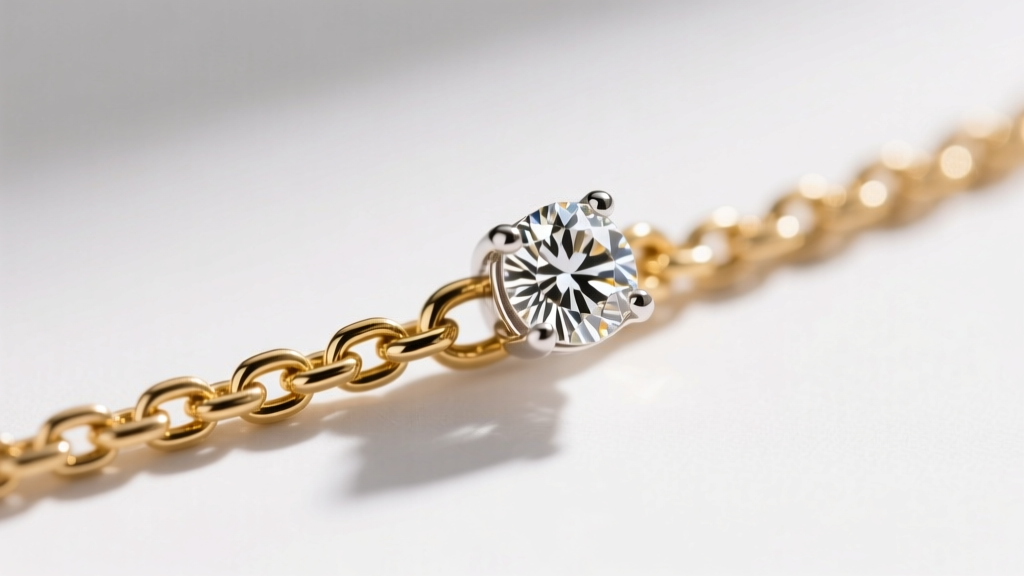
The delicate pendant necklace is a masterclass in metallurgical tension. As a staple of modern layering and minimalist aesthetics, it demands an engineering compromise: maximizing visual lightness while maintaining enough tensile strength to survive daily wear. When consumers prioritize extreme thinness over structural integrity, the result is a high rate of torsion fatigue, elongated links, and catastrophic chain failure. In this expert deep dive, we dissect the anatomy of the delicate pendant necklace, examining the exact gauge specifications, alloy compositions, and mechanical failure points that separate heirloom-quality jewelry from disposable fast fashion.
Decoding Chain Gauges and Link Topologies
The foundation of any delicate pendant necklace is its chain gauge, measured in the American Wire Gauge (AWG) system. Counterintuitively, a higher AWG number indicates a thinner wire. For delicate jewelry, the industry standard hovers between 22-gauge and 18-gauge. Understanding the exact millimeter diameter and tensile limitations of these gauges is critical for matching the chain to the pendant's weight.
| AWG Size | Diameter (mm) | Approx. Tensile Strength (14k Gold) | Best Application | Avg. Market Price (16-inch) |
|---|---|---|---|---|
| 22-Gauge | 0.643 mm | ~12 lbs (5.4 kg) | Ultra-lightweight pendants (<2g), layered stacking | $120 - $180 |
| 20-Gauge | 0.812 mm | ~22 lbs (10.0 kg) | Standard delicate solitaires (2g - 5g), daily wear | $160 - $260 |
| 18-Gauge | 1.024 mm | ~38 lbs (17.2 kg) | Heavier delicate pendants (5g - 10g), active lifestyles | $220 - $350 |
The Structural Superiority of Box Chains
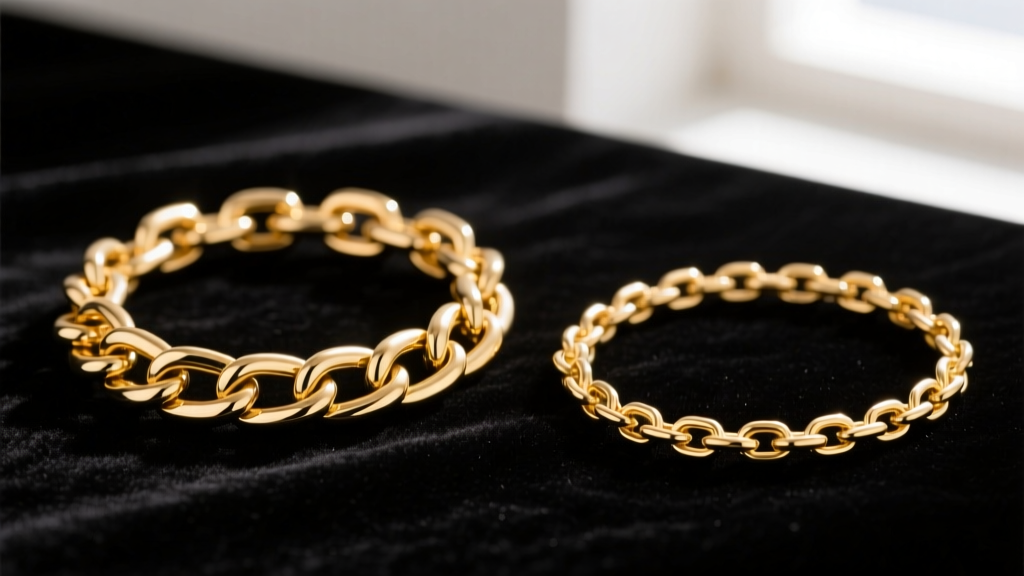
While cable chains are the most common, they are highly susceptible to torsion snapping because their stress is distributed across a single plane. For a delicate pendant necklace, the box chain is technically superior. Box chains feature interlocking square links that distribute kinetic stress across four distinct planes. This geometric redundancy means that if one micro-weld fails, the adjacent links are less likely to immediately unzip, providing a crucial safety window before total chain separation.
Bail Mechanics and the 1:4 Weight Ratio
The bail—the loop that connects the pendant to the chain—is the primary friction point in the assembly. A common failure mode in delicate necklaces is the gradual sawing of the chain by a poorly sized bail. According to master jewelers, the inner diameter of the bail should be at least 1.5 times the width of the chain to allow for fluid articulation without binding.
"The golden rule of pendant engineering is the 1:4 ratio. The pendant should never weigh more than four times the tensile rating of the chain's weakest link. Exceeding this ratio accelerates work-hardening and eventual micro-fractures in the gold alloy."
— Master Bench Jeweler Technical Standards
Furthermore, the material of the bail matters. If a 14k gold chain is threaded through a harder platinum or tungsten-carbide bail, the friction will act like a file, shaving off microscopic layers of the gold chain with every movement. Always ensure the bail and chain share similar Mohs hardness and alloy compositions.
Metallurgy: Alloys and Tensile Degradation
Not all gold is created equal when drawn into ultra-fine wires. The Gemological Institute of America (GIA) notes that pure 24k gold is far too malleable for delicate chains, which is why it is alloyed with copper, silver, and zinc.
- 14k Gold (58.5% Au): The industry workhorse. The higher concentration of copper and silver provides excellent tensile strength and resistance to elongation. It is the most practical choice for 22-gauge and 20-gauge chains.
- 18k Gold (75% Au): Offers a richer color but is inherently softer. An 18k 22-gauge chain is highly prone to stretching and should only be used for lightweight, occasional-wear pendants.
- 950 Platinum (95% Pt, 5% Ru): Platinum possesses unique work-hardening properties. Unlike gold, which thins and snaps when stressed, platinum displaces and bends. A 20-gauge platinum chain will cost significantly more ($450–$700) but offers unparalleled longevity for delicate setups.
Suppliers like Rio Grande frequently emphasize that proper annealing during the manufacturing process is just as critical as the alloy itself. Chains that are not properly annealed after drawing will retain internal stresses, leading to spontaneous snapping weeks after purchase.
Clasp Engineering: The Weakest Link
The clasp is statistically the most common point of failure on a delicate pendant necklace. Standard spring-ring clasps, while inexpensive, rely on a tiny internal steel spring that is highly susceptible to moisture-induced corrosion and mechanical fatigue.
Upgrading to Micro-Lobster Clasps
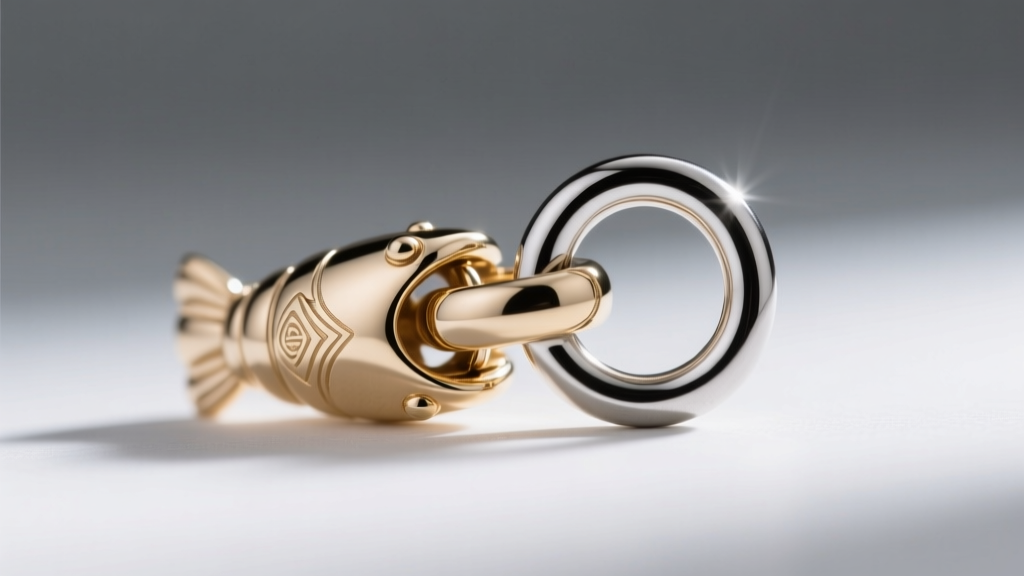
For chains 20-gauge and thicker, a 5mm or 7mm micro-lobster clasp is the recommended upgrade. Lobster clasps feature a solid cast or stamped body with a thicker internal spring mechanism, reducing the risk of the lever snapping off. However, for 22-gauge chains, a standard lobster clasp may be too heavy, causing the necklace to constantly flip and tangle. In these ultra-fine applications, specialized magnetic micro-clasps or seamlessly soldered barrel clasps provide a better weight-to-strength ratio.
Maintenance and Failure Prevention
Even the most expertly engineered delicate pendant necklace requires specific maintenance protocols to survive daily wear. Jewelers of America recommends a bi-annual inspection of the jump rings—the small circular connectors at the clasp and pendant bail.
The Danger of Open Jump Rings
Most mass-market delicate necklaces use "open" jump rings, which have a microscopic saw-cut gap. Over time, the lateral pulling of the chain causes this gap to yawn open, leading to lost pendants or clasps slipping off. The definitive fix is laser soldering. A bench jeweler can fuse the jump ring shut using a precision laser, creating a continuous circle without melting the surrounding delicate links. If your pendant is valuable, requesting "soldered jump rings" at the time of purchase or during a routine cleaning is a non-negotiable best practice.
By understanding the interplay between AWG sizing, link geometry, and alloy metallurgy, you can select a delicate pendant necklace that defies its fragile appearance, offering lifelong durability without sacrificing an ounce of elegance.


