Titanic Ocean Heart Necklace: Expert Care & Cleaning Guide
Discover expert care, cleaning, and storage tips for your Titanic ocean heart necklace. Protect CZ stones, silver, and rhodium plating.

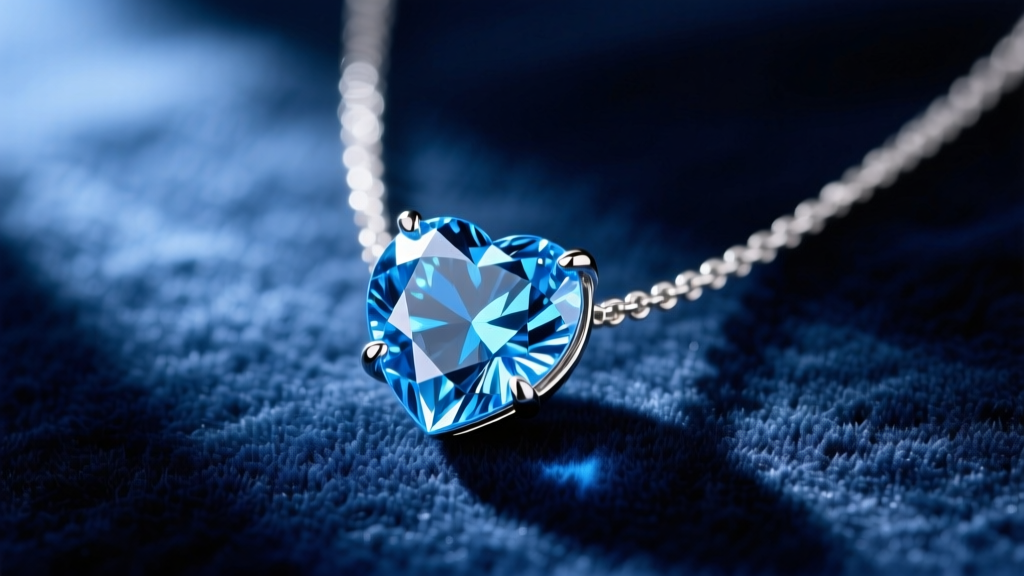
The "Heart of the Ocean" remains one of the most iconic pieces of jewelry in cinematic history. While the original piece created by Harry Winston for the 1997 film Titanic featured a rare blue sapphire and white diamonds, the vast majority of the replicas purchased by fans today are crafted from cubic zirconia (CZ), sterling silver, and rhodium plating. Because these materials behave entirely differently than high-end platinum and natural sapphires, applying standard diamond cleaning methods to your replica can cause irreversible damage. As of 2026, replica manufacturing has evolved, but the fundamental chemistry of silver tarnish and rhodium wear remains unchanged. This comprehensive guide will teach you exactly how to clean, maintain, and store your Titanic ocean heart necklace to keep its legendary brilliance intact.
Material Breakdown: What Your Replica Is Actually Made Of
Before applying any cleaning solution, you must identify the exact materials of your specific necklace. The care protocol for a solid 14k white gold piece with a lab-created sapphire is vastly different from a brass-based costume piece with a glass stone. Below is a breakdown of the most common replica tiers and their specific vulnerabilities.
| Replica Tier | Primary Stone | Metal Base | Mohs Hardness | Primary Vulnerability |
|---|---|---|---|---|
| Premium / High Jewelry | Lab Sapphire | 14k/18k White Gold | 9.0 (Stone) | Prong wear over decades |
| Standard Authentic Replica | Cubic Zirconia (CZ) | 925 Sterling Silver | 8.5 (Stone) / 2.5 (Metal) | Silver tarnish, rhodium peeling |
| Costume / Fashion | Blue Glass / Resin | Brass (Rhodium Plated) | 5.5 (Stone) | Plating wear, green skin reaction |
According to the Gemological Institute of America (GIA), cubic zirconia is highly durable but heavily oleophilic, meaning it attracts and holds onto skin oils, lotions, and sebum. This lipid buildup is what causes the stone to look cloudy and dull over time. Furthermore, the Silver Institute notes that sterling silver reacts with sulfur compounds in the air and human sweat, leading to rapid blackening if not properly sealed or cleaned.
The Daily Wear Protocol: Preventing Tarnish and Cloudiness
Preventative care is always superior to deep cleaning. The rhodium flash-plating on standard silver replicas is typically only 0.75 to 1.5 microns thick. Once this microscopic layer wears away, the underlying silver is exposed to oxygen and sulfur, accelerating tarnish. Follow these daily rules to extend the life of your plating:
- The "Last On, First Off" Rule: Always put your necklace on after applying perfumes, hairsprays, and lotions. Alcohol and volatile organic compounds (VOCs) in cosmetics can degrade rhodium plating and leave a cloudy film on CZ stones.
- Avoid Chlorine Exposure: Never wear your necklace in swimming pools or hot tubs. Chlorine aggressively attacks the copper alloys in sterling silver and will cause permanent pitting and structural weakness in the prongs holding the heavy heart-shaped stone.
- Wipe Down After Wear: Use a clean, dry microfiber cloth to gently wipe the stone and metal after taking it off. This removes acidic sweat and oils before they have time to bond to the metal or stone.
Step-by-Step Wet Cleaning Method (Safe for CZ and Silver)
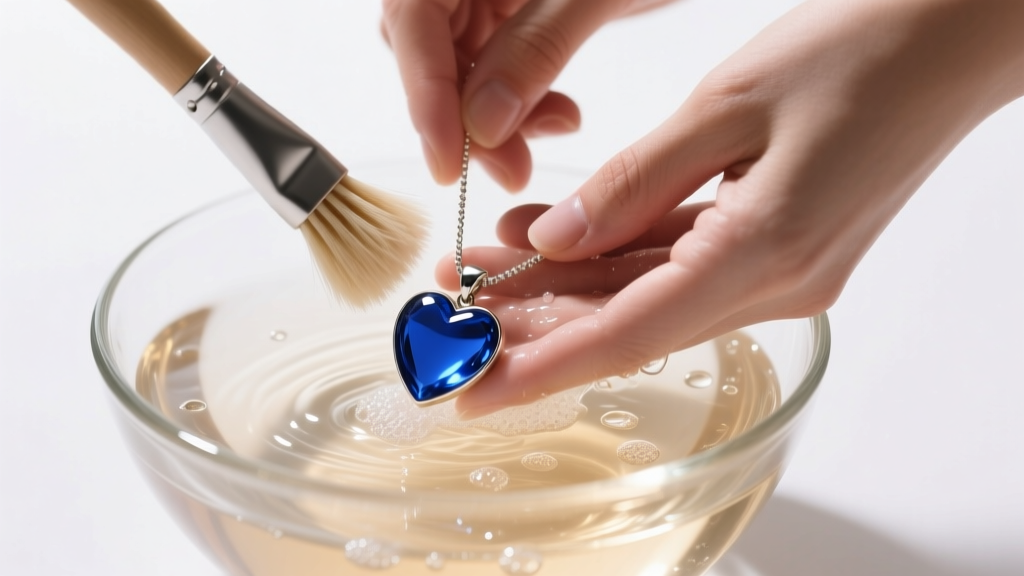
When your Titanic ocean heart necklace loses its fire and the metal looks slightly dull, it is time for a wet cleaning. Do not use commercial jewelry dips, as they often contain harsh acids or ammonia that will strip rhodium plating instantly.
Step 1: The Mild Surfactant Soak
Fill a small glass bowl with lukewarm (not hot) distilled water. Add two drops of a mild, ammonia-free dishwashing liquid (such as original blue Dawn). The surfactants in the dish soap will break the surface tension and lift the oleophilic oils from the facets of the cubic zirconia. Let the necklace soak for exactly 10 to 15 minutes. Do not exceed this time, as prolonged water exposure can weaken the adhesive used in lower-tier costume replicas where stones are glued rather than prong-set.
Step 2: The Soft Agitation
Remove the necklace from the bowl. Using a brand-new, extra-soft baby toothbrush, gently brush the back of the stone (the pavilion) and the intricate metal scrollwork surrounding the heart. Never scrub the front facets aggressively, as trapped dust particles (which often contain quartz, Mohs 7) can scratch the rhodium plating on the metal setting.
Step 3: The Distilled Rinse and Dry
Rinse the necklace under a gentle stream of distilled water. Tap water contains dissolved minerals like calcium and magnesium that will leave hard water spots on the CZ, mimicking cloudiness. Pat the piece dry with a lint-free microfiber cloth, and use a hairdryer on the "cool" setting to blow moisture out of the tiny crevices behind the stone setting.
What NEVER to Do: Ultrasonic and Steam Cleaner Warnings
Many well-meaning jewelry owners ruin their replicas by treating them like natural diamonds. Jewelers of America frequently warns consumers about the dangers of at-home ultrasonic cleaners for plated jewelry and treated stones.
"Ultrasonic cleaners work through cavitation—creating microscopic vacuum bubbles that implode against the jewelry. While this is excellent for removing grime from solid platinum and natural diamonds, the shockwaves will literally blister and peel the microscopic rhodium plating right off a sterling silver replica. Furthermore, if your blue stone is a fracture-filled sapphire or treated blue topaz, the high-frequency vibrations and heat from steam cleaners can shatter the stone or alter its color permanently."
Always stick to the manual, gentle soaking method outlined above for any replica or semi-precious jewelry piece.
Troubleshooting Common Necklace Issues
Even with meticulous care, you may encounter specific issues with your necklace over time. Here is how to handle them like a professional:
- Hard Water Spots on the Stone: If distilled water wasn't used and the CZ looks cloudy, mix a 50/50 solution of white vinegar and distilled water. Dip a cotton swab into the solution and gently wipe the stone. The mild acetic acid will dissolve the calcium deposits. Rinse immediately with distilled water.
- Green Skin Discoloration: If the necklace leaves a green or black mark on your chest, the rhodium plating has worn through, exposing the copper content in the sterling silver or brass base. The copper is reacting with your skin's natural acidity. You can temporarily seal the back of the pendant with a thin layer of clear nail polish, but the permanent fix is to take it to a local jeweler for re-rhodium plating.
- Loose Stones: Cubic zirconia is denser and heavier than a diamond of the exact same carat weight. This extra weight puts more stress on silver prongs, which are naturally soft. Inspect the four to six prongs holding the main heart stone every six months. If you see light passing between the prong tip and the stone, stop wearing it immediately and have a jeweler tighten the setting.
Long-Term Storage: Defeating Sulfur and Moisture
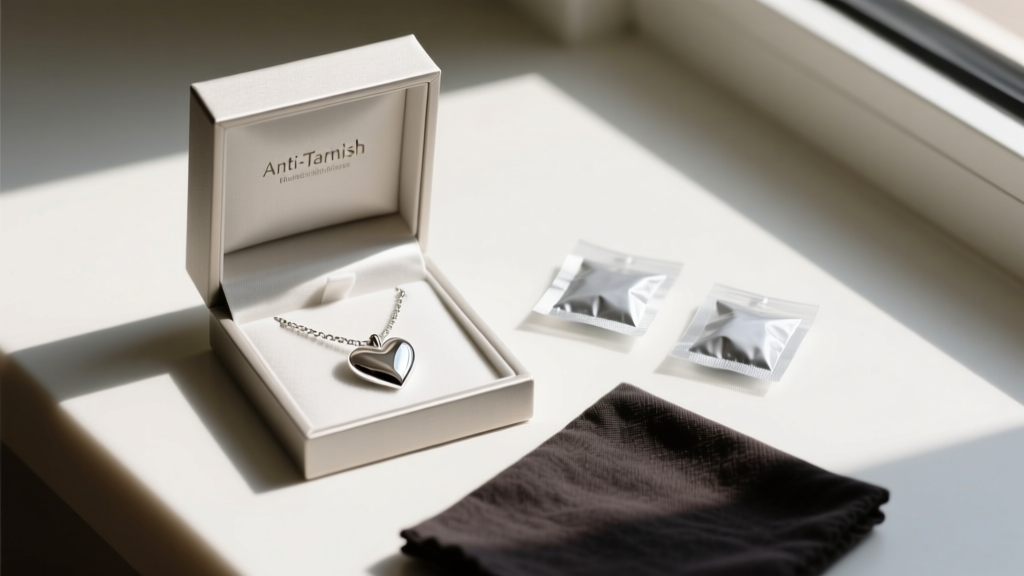
How you store your Titanic ocean heart necklace when it isn't being worn is just as critical as how you clean it. Leaving it on a bathroom vanity or in an open jewelry box exposes the silver to humidity and sulfur compounds found in drywall and certain fabrics, guaranteeing rapid tarnish.
For optimal preservation, store the necklace in a dedicated, airtight polyethylene zip-lock bag. Squeeze out as much air as possible before sealing. Inside the bag, include a small silica gel desiccant packet to absorb ambient moisture, and a piece of anti-tarnish treated cloth (often impregnated with silver nitrate or zinc carbonate) which acts as a sacrificial metal, absorbing the sulfur in the air before it can reach your necklace. Never store your necklace tangled with other pieces; the heavy metal bail and chain can easily scratch the polished surface of the CZ or the rhodium plating of neighboring jewelry.
By understanding the specific material science behind your replica and following these targeted maintenance protocols, your necklace will continue to capture the breathtaking, icy-blue brilliance of the Atlantic for decades to come.