Simone Biles Necklace Charm Care: Cleaning Active Jewelry
Learn expert cleaning and maintenance tips for your Simone Biles necklace charm. Protect gold, pave, and enamel from sweat and daily wear.
The Hidden Toll of Active Lifestyles on Statement Charms
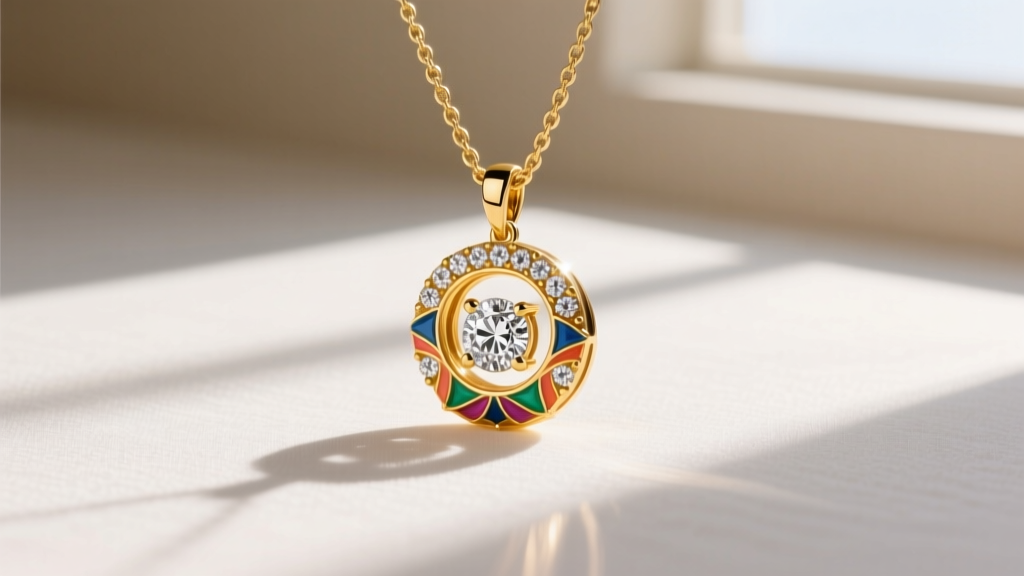
The cultural impact of the Simone Biles necklace charm extends far beyond the gymnastics mat. Whether you are wearing a replica of her iconic diamond-encrusted GOAT (Greatest of All Time) pendant, a custom leotard charm, or an Olympic medal-inspired piece, these necklaces are designed to be worn daily. However, wearing your favorite athletic-inspired jewelry during workouts, errands, or summer commutes exposes it to a harsh chemical environment. Human sweat, sunscreen, and chlorine are the silent destroyers of fine jewelry. To keep your Simone Biles necklace charm looking as brilliant as a gold-medal performance, you need a maintenance routine grounded in material science, not just generic polishing.
Material Breakdown: What Is Your Charm Actually Made Of?
Before applying any cleaning solution, you must identify the exact metallurgy and gemstone settings of your charm. The cleaning protocol for a solid 14k gold goat charm will severely damage a gold-vermeil or hard-enamel piece. According to the Gemological Institute of America (GIA), understanding your jewelry's composition is the first step in preventing irreversible chemical reactions.
| Material Type | Common Charm Styles | Sweat & Chemical Vulnerability | Recommended Cleaning Method |
|---|---|---|---|
| 14k / 18k Solid Gold | Classic GOAT, Bar, or Medal silhouettes | Low. 14k contains copper/silver alloys that can slowly oxidize from lactic acid in sweat. | Warm water, pH-neutral dish soap, soft brush. |
| Gold Vermeil | Affordable replica charms, fashion lines | High. Sweat eats through the 2.5-micron gold layer, exposing the sterling silver base to rapid tarnishing. | Damp microfiber cloth only. No soaking. |
| Pave Diamonds | High-end GOAT or Olympic Ring charms | Medium. Sebum and dead skin trap under micro-prongs, dulling the diamonds and loosening settings. | Ultrasonic avoidance; gentle baby-brush scrubbing. |
| Hard Enamel | Flag, medal ribbon, or leotard accents | Medium. Harsh chemicals and ultrasonic vibrations can strip the enamel's glossy finish or cause micro-cracking. | Wipe with a damp cloth; avoid direct soap contact. |
The 3-Minute Post-Workout Cleaning Protocol
If you wear your Simone Biles necklace charm to the gym or during outdoor activities, the lactic acid and urea in your sweat (which typically has a pH between 4.5 and 7.0) will begin to corrode the alloy metals within hours. Do not wait until the charm looks dull to clean it. Implement this immediate post-workout protocol:
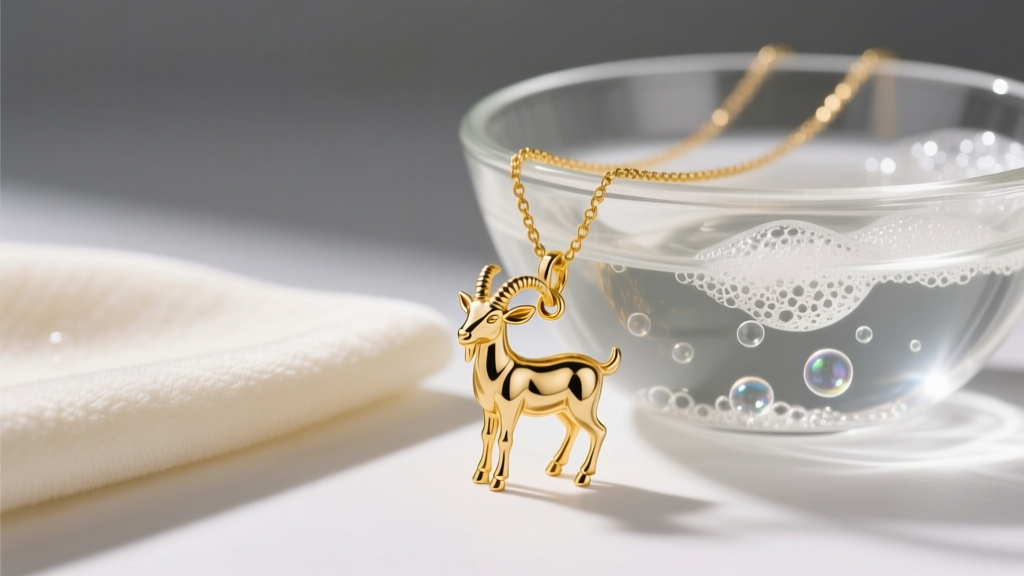
- The Distilled Soak: Fill a small glass bowl with 4 parts distilled water and 1 part pH-neutral liquid dish soap (like Dawn). Avoid tap water, as the chlorine and hard minerals can leave microscopic deposits on the gold.
- The 60-Second Bath: Submerge your solid gold or pave charm for exactly 60 seconds. This breaks down the lipid bonds of sunscreen and sebum without giving water time to penetrate any porous gemstone inlays.
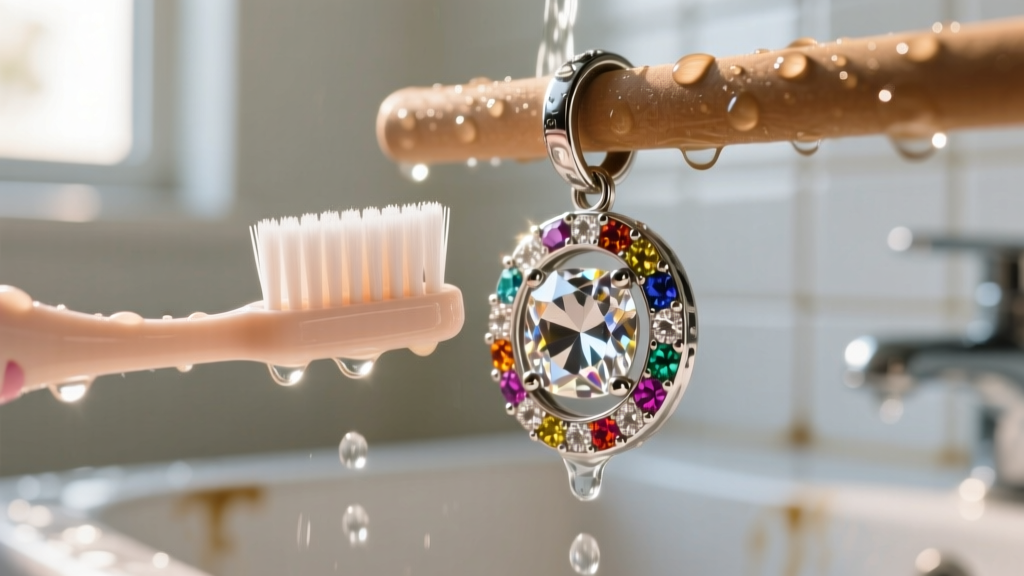
- The Micro-Bristle Scrub: Use an ultra-soft baby toothbrush (bristle diameter under 0.1mm). Gently agitate the brush in circular motions, focusing on the bail (the loop connecting the charm to the chain) where sweat pools.
- The Rinse & Dry: Rinse under lukewarm distilled water and immediately pat dry with a lint-free microfiber cloth. Air-drying leads to water spots.
Why You Must Avoid Ultrasonic Cleaners for Pave Charms
Many jewelry owners mistakenly believe that ultrasonic cleaners are the ultimate solution for diamond jewelry. However, if your Simone Biles necklace charm features pave-set diamonds (common in premium GOAT and medal designs), Jewelers of America strongly advises against ultrasonic baths. The high-frequency sound waves create microscopic cavitation bubbles that implode against the metal. While this cleans well, it easily vibrates the delicate micro-prongs of pave settings loose, leading to catastrophic diamond loss. Stick to manual, gentle brushing for any charm with clustered stones.
Troubleshooting Common Charm Issues
Cloudy Diamonds and Dull Gold
If your pave diamonds look cloudy or grey, they are likely coated in a layer of calcified sebum and lotion. Gold is naturally oleophilic (oil-attracting). To restore brilliance, apply a single drop of isopropyl alcohol (90% or higher) to the back of the diamond settings using a cotton swab. The alcohol will dissolve the trapped oils without harming the gold or the diamond's crystal structure. Wipe away immediately.
The Stiff Lobster Clasp
The chain holding your charm is just as important as the pendant itself. Lobster clasps and spring rings frequently become stiff or fail to close completely because dead skin cells and lotion pack into the tiny spring mechanism. To fix this, use a wooden toothpick to gently pick out the debris from the clasp hinge. Follow up by applying a microscopic drop of sewing machine oil to the hinge, working the lever back and forth until smooth. Wipe away all excess oil with a microfiber cloth.
Chain Maintenance: Flossing the Links
Cable chains and rope chains are notorious for trapping grime between their interlocking links. If your chain feels rigid or looks dark in the crevices, it requires "flossing." Take a piece of unflavored dental floss or a specialized jewelry cleaning thread, dip it in your soapy water solution, and gently pull it back and forth through the links of the chain. This mechanical friction removes the compacted grime that a simple soak cannot reach. This is especially critical for rope chains, which have a high surface-area-to-volume ratio and trap sweat aggressively.
Storage and Preventative Care for Athletic Jewelry
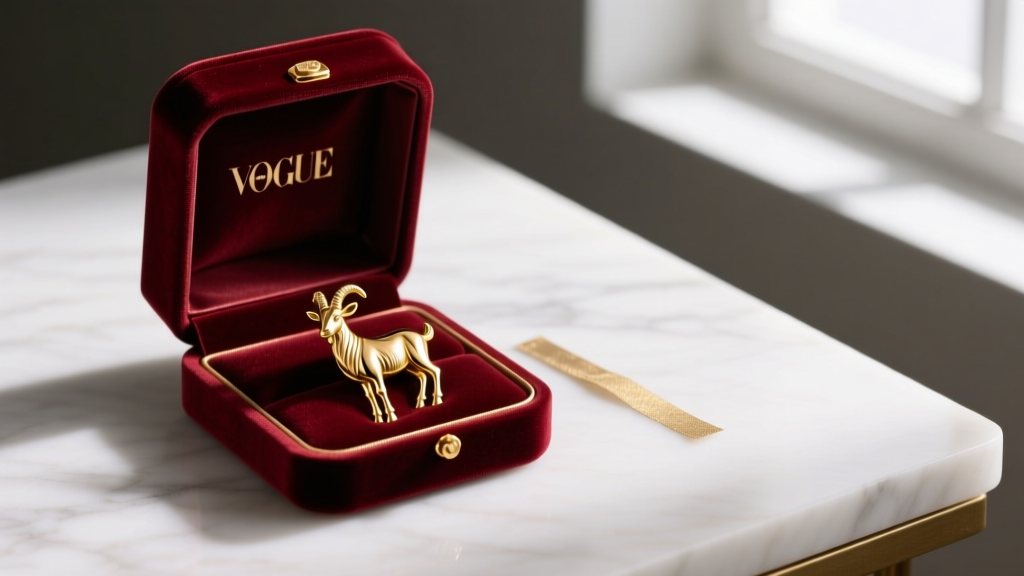
How you store your Simone Biles necklace charm when you aren't wearing it dictates its long-term structural integrity. The worst place for your jewelry is inside a damp gym bag. The combination of residual moisture from damp towels, lingering chlorine gas from pool water, and an enclosed, unventilated space creates a micro-climate that accelerates galvanic corrosion in gold alloys and instantly blackens sterling silver bases.
- Use Anti-Tarnish Strips: Store your necklace in a sealed ziplock bag with a 3M anti-tarnish strip. These strips absorb sulfur compounds in the air that cause gold alloys to darken.
- Prevent Chain Tangling: Always fasten the lobster clasp before storing. For added protection against the bail rubbing against the chain and causing micro-abrasions, thread the chain through a plastic drinking straw before clasping it.
- Sunscreen Application Order: Always apply your sunscreen, lotions, and perfumes at least 15 minutes before putting on your necklace. This allows the chemicals to absorb into your skin or dry, preventing a direct chemical transfer to the charm's enamel or gold finish.
Final Thoughts on Longevity
A Simone Biles necklace charm is more than just a piece of metal; it is a symbol of excellence, resilience, and athletic inspiration. By treating your jewelry with the same discipline and attention to detail that elite athletes apply to their training, you ensure that your charm remains a brilliant, lasting tribute. Ditch the harsh commercial dips, respect the metallurgy of your specific piece, and commit to the post-workout cleaning protocol. Your gold, diamonds, and enamel will reward you with a lifetime of untarnished brilliance.


