The S925 Necklace Value Assessment: 2026 Pricing Guide
Discover the true value of an s925 necklace in 2026. We break down pricing tiers, hidden maintenance costs, and how to spot fake sterling silver.

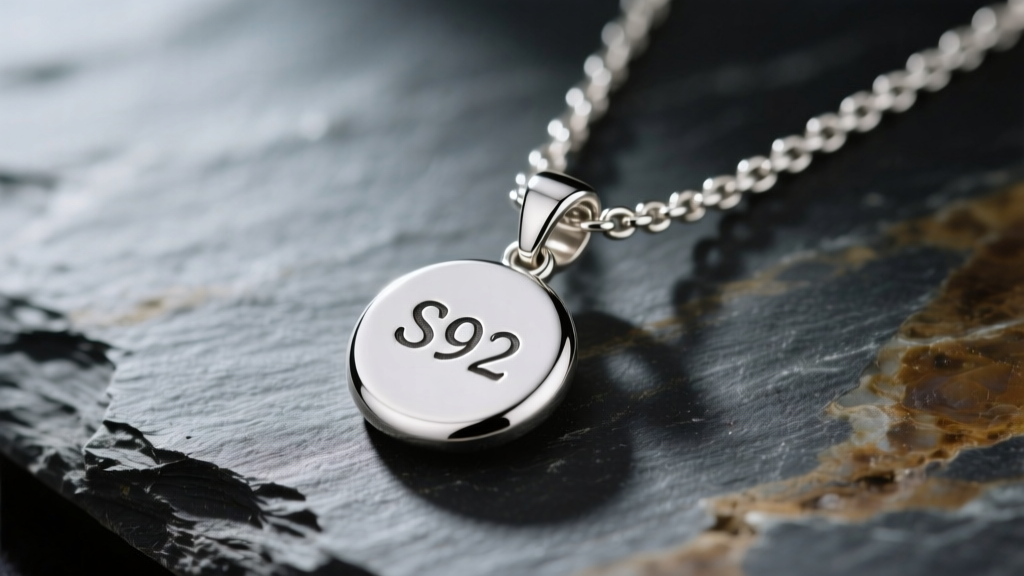
When building a versatile jewelry wardrobe, the s925 necklace is universally recommended as the foundational baseline. But as we navigate the 2026 jewelry market, the sheer volume of mass-produced imports, misleading marketing, and fluctuating precious metal commodities makes assessing the true value of sterling silver more complex than ever. Is that $20 internet marketplace chain a genuine steal, or a ticking time bomb of skin discoloration and snapped links? Conversely, is a $150 designer s925 pendant a worthwhile investment or a markup trap?
This comprehensive budget and value assessment dissects the metallurgy, market pricing tiers, hidden maintenance costs, and authentication protocols of the s925 necklace. Whether you are a minimalist seeking a durable daily chain or a collector evaluating artisan pendants, understanding the precise economics of sterling silver is critical to protecting your wallet.
The Metallurgy of S925: What Are You Actually Buying?
To assess value, we must first define the material. Pure silver (999 fine silver) is exceptionally soft, making it entirely unsuitable for functional chain links or clasp mechanisms; it would stretch and deform under the weight of a pendant. The "925" designation means the alloy consists of 92.5% pure silver and 7.5% secondary metals.
According to the Gemological Institute of America (GIA), copper is the traditional alloy of choice due to its ability to increase tensile strength without altering the bright white luster of the silver. However, copper is also highly reactive. It is the exact culprit behind silver sulfide formation (tarnish) and the notorious "green neck" effect when the alloy reacts with acidic human sweat or environmental sulfur.
The 2026 Upgrade: Argentium Silver
When assessing premium s925 necklaces, look for pieces crafted from Argentium 925. This patented alloy replaces a portion of the copper with germanium. Germanium forms a transparent, self-healing oxide layer on the surface, making the necklace highly resistant to tarnish and significantly reducing the likelihood of skin discoloration. An s925 necklace explicitly marketed as Argentium commands a 20% to 35% price premium, which is generally justified by the drastic reduction in long-term maintenance costs.
2026 Pricing Tiers: What Should an S925 Necklace Cost?
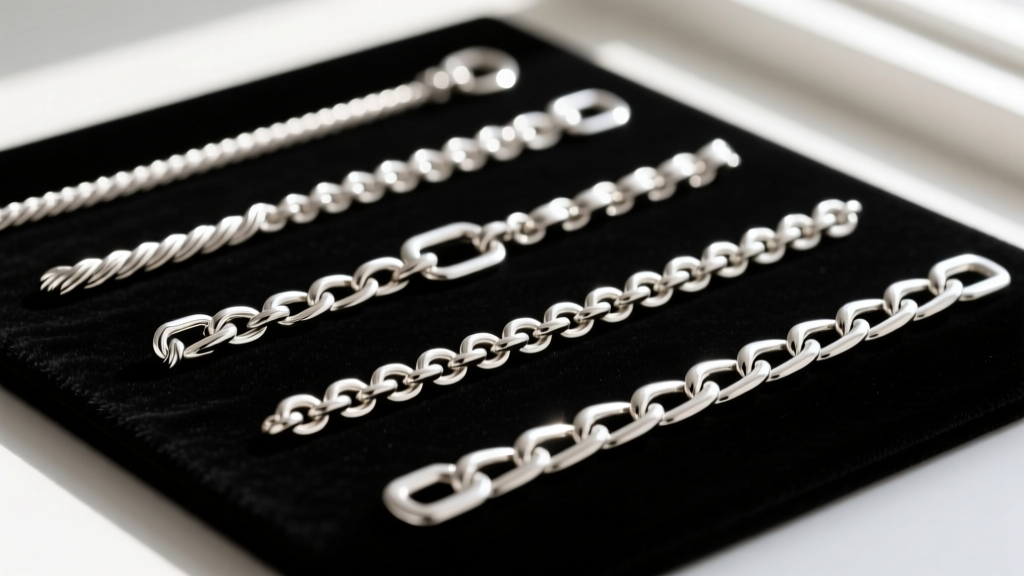
The price of an s925 necklace is rarely dictated by the raw melt value of the silver alone. Instead, value is determined by chain gauge, clasp engineering, finishing techniques (such as rhodium plating), and brand overhead. Below is a breakdown of the current market tiers for standard 18-inch s925 chain necklaces.
| Market Tier | Price Range (USD) | Chain Gauge & Construction | Clasp & Hardware Quality | Value Verdict |
|---|---|---|---|---|
| Fast Fashion / Bulk | $15 - $35 | 0.5mm - 0.8mm; often hollow or machine-stamped | Sprung rings or weak, unsoldered lobster clasps | Poor long-term value; high breakage risk |
| Mid-Tier / Specialty | $45 - $120 | 1.0mm - 1.5mm; solid links, diamond-cut or polished | Soldered jump rings, sturdy lobster clasps | Excellent value; ideal for daily wear |
| Artisan / Designer | $150 - $400+ | 1.5mm - 3.0mm+; hand-forged, heavy weight | Custom toggle or heavy-duty locking clasps | High markup; pay for design, not just metal |
If you are purchasing a standard cable or box chain for daily pendant wear, the $45 to $120 mid-tier offers the optimal intersection of durability and budget. Chains under $30 are typically too thin (sub-1mm) to support heavy pendants and frequently snap at the soldering points.
Hidden Costs: Tarnish, Failure Modes, and Maintenance
When calculating the budget for an s925 necklace, buyers frequently overlook the total cost of ownership. Sterling silver is not a "buy it and forget it" metal like platinum or titanium. It requires active maintenance.
The Tarnish Tax
Standard s925 will inevitably tarnish when exposed to humidity, sulfur, and cosmetics. To mitigate this, many mid-to-high-tier manufacturers apply a micro-layer of rhodium plating. While rhodium prevents tarnish and adds a brilliant white shine, it eventually wears off. Re-plating an s925 necklace at a local jeweler typically costs between $25 and $45 every few years, which must be factored into your long-term budget.
Structural Failure Modes
The most common point of failure on a budget s925 necklace is the jump ring connecting the clasp to the chain. In mass-produced pieces, these jump rings are merely pinched shut, not soldered. Over time, the friction of the clasp rubbing against the jump ring causes the metal to thin and eventually pull apart, resulting in the loss of the necklace. Always inspect the jump rings with a jeweler's loupe before purchasing; if the slit is visible and not sealed with solder, the structural integrity is compromised.
Furthermore, the Federal Trade Commission (FTC) Jewelry Guides strictly regulate precious metal markings, yet enforcement on overseas e-commerce platforms remains porous. A cheap chain that snaps within a month is a total loss, rendering the initial "bargain" entirely counterproductive.
Authenticity Verification: Beyond the "925" Stamp
Never base your purchasing decision solely on the presence of a "925" hallmark. Counterfeit stamps are routinely applied to base metals like brass, copper, or even stainless steel. To protect your budget, employ these non-destructive testing methods:
- The Neodymium Magnet Test: Silver is paramagnetic, meaning it exhibits only a very weak attraction to magnetic fields. If you slide a strong neodymium magnet down the chain and it sticks, catches, or slides with noticeable resistance, the core metal is likely ferromagnetic steel or iron. Note: The clasp's internal spring may be steel, but the chain links must not react.
- The Ice Thermal Test: Silver possesses the highest thermal conductivity of any common metal. Place an ice cube directly on the s925 pendant or chain links. Authentic silver will transfer the cold instantly, causing the ice to melt significantly faster than it would on a stainless steel or aluminum counterfeit.
- The Odor Test: Rub the chain vigorously between your fingers to generate heat. Pure silver is odorless. If you detect a metallic, sulfuric, or "penny-like" smell, the piece is heavily alloyed with copper or is entirely brass/copper plated.

For absolute certainty, especially when buying vintage or second-hand s925 necklaces, a professional X-ray fluorescence (XRF) scan at a reputable jeweler will provide an exact elemental breakdown without damaging the piece.
Final Verdict: Is S925 the Ultimate Budget Investment?
When assessed purely as a precious metal investment, the s925 necklace falls short. The 7.5% alloy content and high manufacturing markups mean you will never recoup your initial purchase price based on melt value. However, when evaluated through the lens of utility, aesthetics, and wardrobe versatility, the s925 necklace remains an unparalleled budget champion in 2026.
For buyers seeking a hypoallergenic, bright white metal that bridges the gap between cheap fashion jewelry and prohibitively expensive white gold or platinum, sterling silver is the undisputed sweet spot. To maximize your value, avoid the ultra-cheap sub-$30 tier, prioritize solid links over hollow ones, ensure all jump rings are soldered, and budget slightly extra for Argentium alloys or rhodium-plated finishes to minimize long-term maintenance. By applying these strict assessment criteria, your s925 necklace will deliver decades of reliable style without draining your bank account.


