Vintage Kramer Rhinestone Necklace Value Guide: 2026 Pricing
Discover the true market value of a vintage Kramer rhinestone necklace in 2026. Learn pricing tiers, authentication tips, and budget buying strategies.

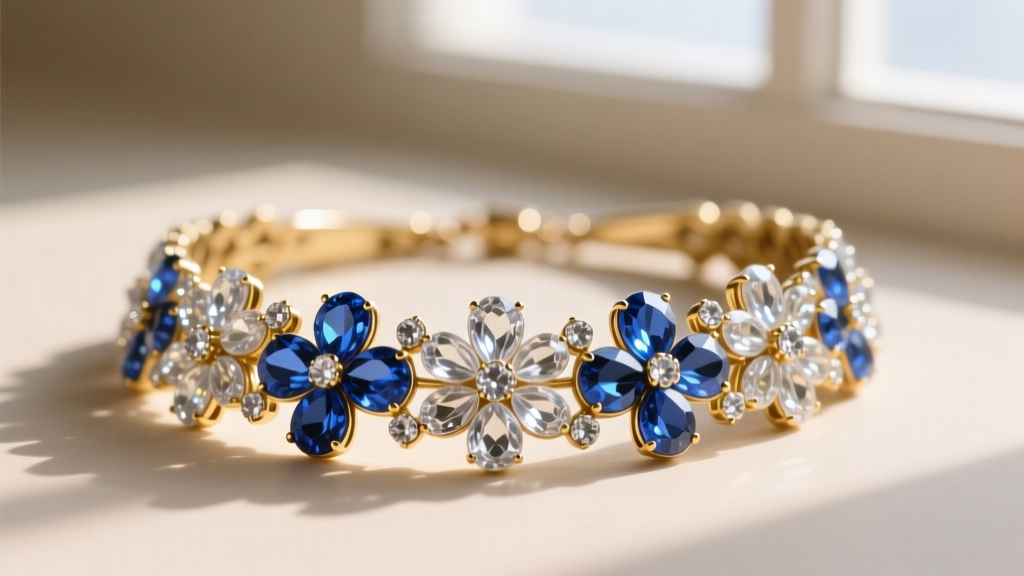
The Legacy of Kramer of New York
When evaluating mid-century costume jewelry, few names command the respect and immediate recognition of Kramer of New York. Founded by Louis Kramer in 1943, the company quickly became a powerhouse in the American jewelry industry, operating out of the heart of Manhattan. Unlike many of its contemporaries that relied on mass-produced, lower-tier materials, Kramer prioritized high-quality Austrian and Swarovski crystals, intricate hand-set prong work, and heavy, durable base metals. Today, a vintage Kramer rhinestone necklace is not just a beautiful accessory; it is a highly collectible asset. As we navigate the 2026 vintage jewelry market, understanding the nuanced value drivers of these pieces is essential for both serious collectors and budget-conscious fashion enthusiasts.
According to historical archives documented by Collectors Weekly, Kramer's golden era spanned from the late 1940s through the 1960s. The company was so highly regarded for its craftsmanship that Christian Dior contracted Kramer to produce his early couture jewelry lines. This prestigious partnership remains one of the most significant value multipliers in the vintage costume jewelry market today.
2026 Market Valuation: What Are They Worth?
The market for vintage costume jewelry has stabilized significantly in 2026 following the post-pandemic boom. While ultra-rare parures continue to appreciate, standard production pieces have settled into predictable pricing tiers. When assessing a vintage Kramer rhinestone necklace, condition, complexity, and provenance dictate the final price. Below is a comprehensive breakdown of current market values based on recent sales data from major vintage platforms like Ruby Lane and live estate auctions.
| Category / Style | Condition | 2026 Estimated Value (USD) |
|---|---|---|
| Standard Floral / Abstract Collar | Good (Minor wear, all stones present) | $120 - $250 |
| Complex Geometric / Navette Designs | Excellent (Pristine foiling, bright metal) | $300 - $550 |
| Complete Parure (Necklace + Earrings) | Excellent (Original box included) | $450 - $850 |
| Christian Dior by Kramer | Very Good to Excellent | $1,200 - $3,500+ |
| Damaged / Missing Stones | Poor (Desilvering, verdigris, missing stones) | $25 - $60 (Parts Value) |
Key Value Drivers for Kramer Rhinestones
Not all Kramer necklaces are created equal. The gap between a $100 estate sale find and a $2,000 museum-quality piece comes down to specific manufacturing details and material grades.
Stone Quality, Cuts, and Foiling
Kramer utilized a vast array of rhinestone cuts, including chatons (round), navettes (marquise), baguettes, and teardrops. The highest value pieces often feature complex, multi-cut designs that mimic high jewelry. Furthermore, the "foiling"—the thin metallic backing applied to the back of the glass stone to reflect light—is critical. Original, untarnished silver or rainbow foiling drastically increases value. If the foiling has "desilvered" (turned black or flaked away due to moisture exposure), the stone appears dead and gray, dropping the necklace's value by up to 60%.
Signatures and the Dior Connection
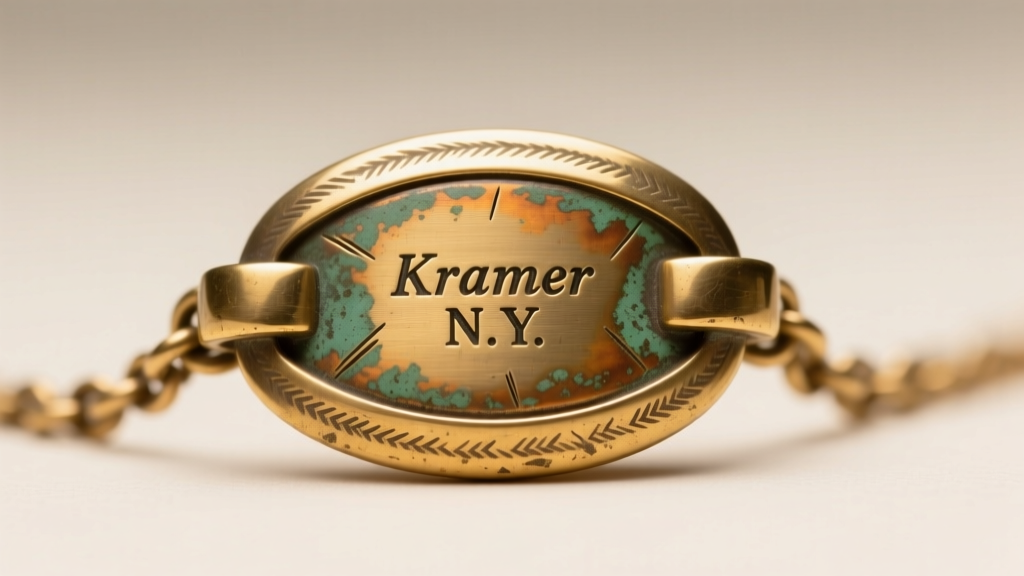
Authenticity marks evolved over the decades. Early pieces may simply feature a hangtag, while later pieces are stamped directly on the metal. Look for "Kramer", "Kramer N.Y.", or "Kramer of New York". However, the holy grail for collectors is the stamp "Christian Dior by Kramer" or "Dior by Kramer". These pieces, produced in the 1950s, feature exceptionally high-grade aurora borealis (AB) stones and command a massive premium.
Authentication vs. Fakes: Spotting the Real Deal
As the value of mid-century costume jewelry has risen, so has the prevalence of counterfeit pieces and "franken-jewelry" (authentic clasps attached to modern, mass-made chains). When inspecting a vintage Kramer rhinestone necklace, use this troubleshooting framework to verify authenticity:
- Prong Settings vs. Glue: Kramer almost exclusively used hand-set metal prongs to secure their stones. If you see a thick, yellowing adhesive holding the rhinestones in place, it is likely a later reproduction or a poorly executed repair.
- Weight and Base Metal: Authentic Kramer pieces have a substantial, heavy feel. They primarily used brass or high-quality pot metal with thick gold or rhodium plating. Fakes often feel hollow or utilize lightweight aluminum alloys.
- Clasp Mechanics: Vintage Kramer necklaces frequently feature sturdy box clasps with safety catches or heavy-duty fold-over clasps. The soldering on the jump rings should be clean and seamless, not blobbed or messy.
- Uniformity of Patina: A 70-year-old necklace will have natural, even wear. If the gold plating is blindingly bright but the clasp looks heavily corroded, the piece may have been re-plated, which diminishes its collector value.
Budget Buying Strategy: Where to Hunt in 2026
If you are looking to acquire a vintage Kramer rhinestone necklace without paying premium retail prices, you must bypass curated vintage boutiques and head straight to the source. Estate sales, local auction houses, and regional antique malls remain the best grounds for budget buyers. In 2026, many general estate liquidators misidentify Kramer pieces simply as "vintage rhinestone jewelry," allowing knowledgeable buyers to secure $300 necklaces for under $75.
When shopping online, utilize advanced search filters on platforms like eBay or Etsy. Search for misspellings (e.g., "Krammer", "rhineston") or broad terms like "heavy vintage floral collar". Sellers who do not know the brand will often list high-quality Kramer pieces at a fraction of their market value. Always request macro photos of the clasp and the back of the settings to check for hidden verdigris or missing stones before committing to a purchase.
Restoration and Maintenance Costs
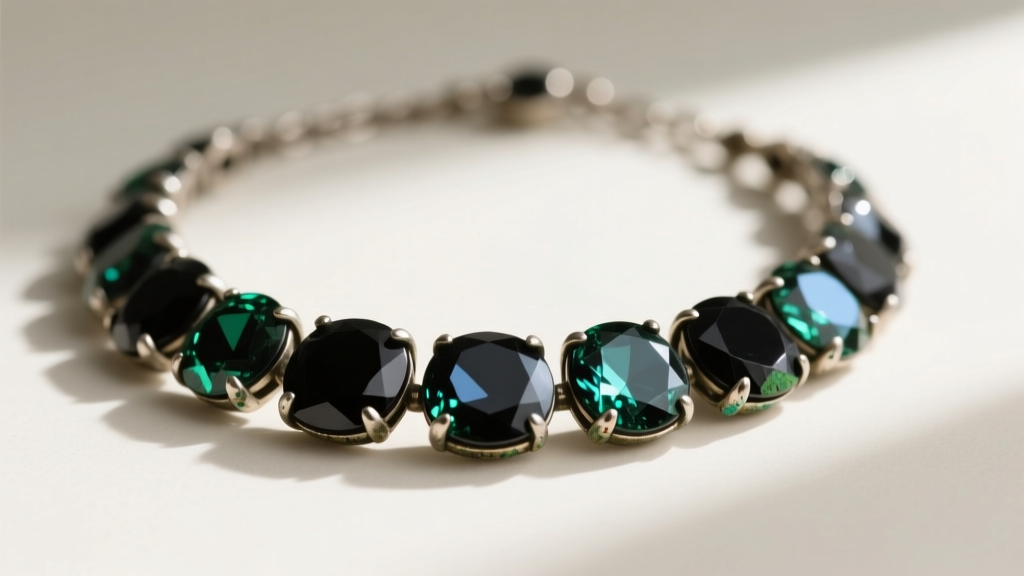
Buying a vintage Kramer necklace in "as-is" condition can be a smart budget move, provided you understand the hidden costs of restoration. The most common issues you will encounter are verdigris (the green, powdery corrosion on copper-containing base metals) and desilvered stones.
"Never use ultrasonic cleaners or harsh chemical dips on vintage rhinestone jewelry. The vibrations can shatter brittle, 60-year-old glass, and chemicals will instantly strip the delicate foil backing from the stones."
To safely remove mild verdigris, use a wooden toothpick and a cotton swab lightly dampened with white vinegar, carefully avoiding the glass stones. For missing or desilvered stones, professional restoration is an option. A specialist vintage jeweler will typically charge between $25 and $45 per stone to source a period-correct Austrian rhinestone, cut it to size, and re-foil the setting. If a necklace requires more than four stone replacements, the restoration cost may exceed the final market value of the piece, making it a poor investment unless it holds deep sentimental value.
Styling and Layering Kramer Collars
From a styling perspective, vintage Kramer floral and geometric collars are inherently bold. Because these necklaces typically sit at a 15 to 16-inch choker or princess length, they demand specific neckline pairings. In 2026, the trend leans toward juxtaposing heavy mid-century costume jewelry with minimalist, modern garments. Pair a sapphire and clear rhinestone Kramer collar with a deep V-neck silk slip dress or a structured, solid-color blazer. For advanced layering, combine the 16-inch Kramer collar with a delicate, 22-inch modern 14k gold cable chain featuring a single, small solitaire pendant. This creates a bridged timeline effect, blending the maximalism of the 1950s with the quiet luxury of contemporary fashion.


