Is the Bvlgari Fiorever Necklace Worth It? 2026 Value Guide
Analyze the true value of the Bvlgari Fiorever necklace in 2026. We break down retail pricing, resale depreciation, and material costs.

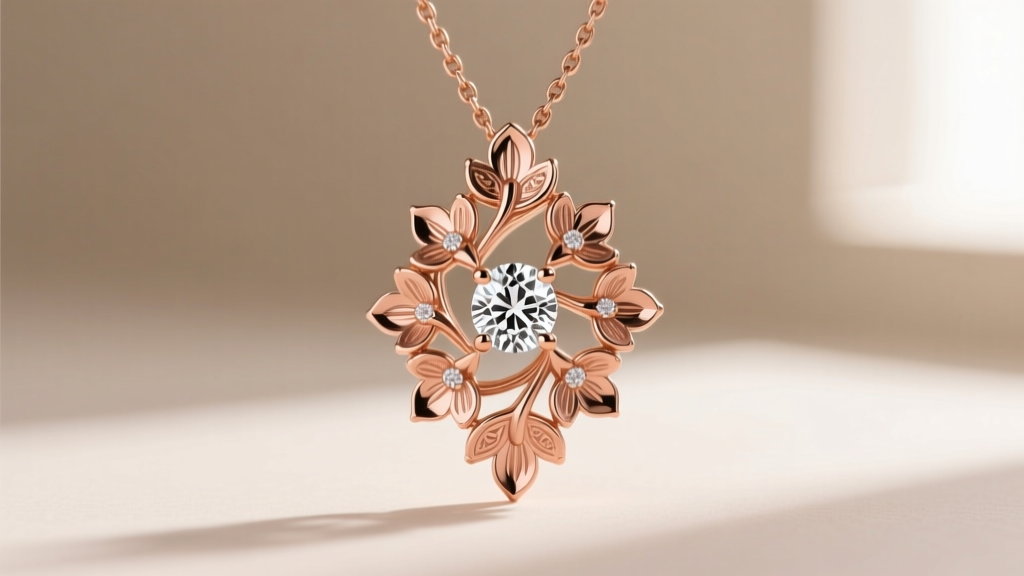
When evaluating luxury jewelry through the lens of budget and value, the fiorever necklace by Bvlgari presents a fascinating case study. Inspired by the ancient Roman flower motif—a symbol of joy and eternity—the collection (spelled with a single 'r' to blend 'fiore' and 'forever') has become a staple in modern fine jewelry. But beyond the emotional resonance and the iconic Roman heritage, how does the Fiorever necklace hold up as a financial and sartorial investment in 2026?
As luxury brands continue to implement aggressive annual price increases, consumers are rightfully demanding transparency regarding material costs, craftsmanship, and resale retention. In this comprehensive value assessment, we dissect the metallurgy, retail pricing, secondary market depreciation, and authentication markers of the Fiorever collection to help you determine if this floral masterpiece deserves a place in your jewelry box and your budget.
The Metallurgy and Craftsmanship: What Are You Actually Paying For?
To understand the value of any luxury pendant, we must first look past the brand name and examine the raw materials and bench craftsmanship. The Fiorever necklace is predominantly crafted in 18k gold, which the Gemological Institute of America (GIA) defines as 75% pure gold alloyed with 25% secondary metals for durability and color manipulation.
Bvlgari’s specific alloy recipes are a significant part of their value proposition. For instance, their 18k rose gold utilizes a precise copper-to-silver ratio that ensures the pink hue remains vibrant and resists the yellowing or tarnishing that plagues lower-tier luxury brands over time. Furthermore, the openwork versions of the Fiorever pendant require advanced laser-cutting and hand-polishing techniques to achieve the seamless, rounded edges of the four-petal flower without compromising the structural integrity of the gold.
When diamonds are introduced, Bvlgari maintains strict grading standards. The melee diamonds (typically ranging from 0.05 to 0.25 total carat weight in the smaller pendants) are consistently graded in the F-G color range and VS clarity. This ensures high brilliance and light return, even in stones smaller than 1.5mm in diameter, justifying a portion of the premium price tag.
2026 Retail Pricing vs. Intrinsic Material Reality
The most critical aspect of our budget assessment is comparing the boutique retail price against the intrinsic melt-and-stone value. In 2026, Bvlgari has adjusted its pricing to reflect global gold market surges and luxury sector inflation. Below is a breakdown of popular Fiorever SKUs, their current approximate retail prices, and their estimated intrinsic material value.
| Fiorever SKU / Style | Materials | 2026 Est. Retail Price | Intrinsic Material Value | Brand Premium (Tax) |
|---|---|---|---|---|
| Small Openwork Pendant | 18k Yellow Gold (approx. 4.5g) | $1,950 | $380 | ~80% |
| Small Pave Diamond Pendant | 18k White Gold, 0.12ct Diamonds | $4,200 | $650 | ~84% |
| Medium Malachite Pendant | 18k Rose Gold, Malachite, 0.08ct Diamonds | $6,800 | $720 | ~89% |
| Large Full-Pave Pendant | 18k White Gold, 0.85ct Diamonds | $14,500 | $2,100 | ~85% |
As the data illustrates, the 'brand tax' on the fiorever necklace ranges from 80% to 89%. This is standard for heritage maisons like Bvlgari, Cartier, and Van Cleef & Arpels. You are not paying for the gold weight; you are paying for the design patent, the Roman legacy, the boutique experience, and the immediate social recognition of the BVLGARI hallmark. If your primary goal is intrinsic value retention, the Fiorever collection—like 95% of branded fine jewelry—is a depreciating consumer good, not a liquid asset.
The Depreciation Curve: Resale Value Explained
Unlike the Van Cleef & Arpels Vintage Alhambra collection, which often retains 90% to over 100% of its retail value on the secondary market due to chronic boutique shortages, the fiorever necklace experiences a more traditional luxury depreciation curve. According to market insights from Fashionphile's luxury resale index, Bvlgari's everyday fine jewelry typically retains between 40% and 55% of its retail value when sold on the pre-owned market.
Several specific factors dictate where your necklace will fall on this depreciation spectrum:
- Metal Color: 18k rose gold Fiorever pendants currently command a 5-10% higher resale premium than yellow or white gold, driven by ongoing consumer preferences for warm-toned metals that complement diverse skin undertones.
- Hardstones vs. Diamonds: Pendants featuring hardstones like malachite, onyx, or mother-of-pearl depreciate slightly faster than all-diamond or all-gold models. This is because hardstones are prone to micro-chipping and water damage, making pre-owned buyers more cautious.
- Completeness of Set: A Fiorever necklace sold with its original Bvlgari authenticity card, serial-number-matched box, and boutique receipt will fetch up to 15% more on platforms like The RealReal or Vestiaire Collective compared to a 'naked' pendant.
"The Fiorever necklace is an emotional purchase, not a financial vault. Buy it because the Roman floral motif brings you joy and the 18k gold craftsmanship is undeniable, but never buy it expecting to flip it for a profit." — Senior Luxury Jewelry Appraiser, Jewel Style Radar
Authentication and the Pre-Owned Market: A Buyer’s Guide
Given the steep 45%+ discount available on the secondary market, buying a pre-owned fiorever necklace is the smartest budget strategy. However, the collection is heavily counterfeited. To protect your investment, you must know how to authenticate the piece using physical markers rather than relying solely on paperwork, which can be easily forged.
Critical Authentication Markers
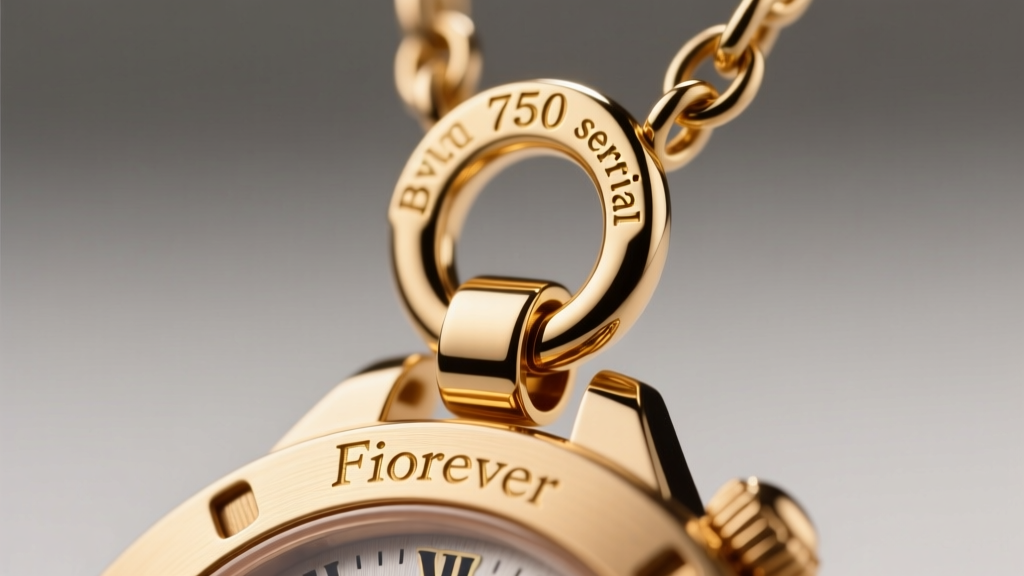
First, examine the hallmarks on the jump ring and the clasp. A genuine 18k gold Fiorever will feature the '750' stamp, the 'BVLGARI' logo, and a unique serial number. The font kerning on authentic Bvlgari engravings is exceptionally precise; counterfeiters often use lasers that result in shallow, poorly spaced, or overly bold lettering. Furthermore, the '750' and 'BVLGARI' stamps should be deeply struck and perfectly aligned with the curvature of the metal.
Second, inspect the lobster clasp. Modern 2026 Bvlgari clasps are custom-cast with a specific, slightly bulbous teardrop shape and feature a heavy-duty internal spring mechanism. Fakes often utilize generic, lightweight lobster clasps sourced from wholesale suppliers, which feel flimsy and lack the smooth, dampened snap of a genuine Bvlgari component.
Hardstone Verification
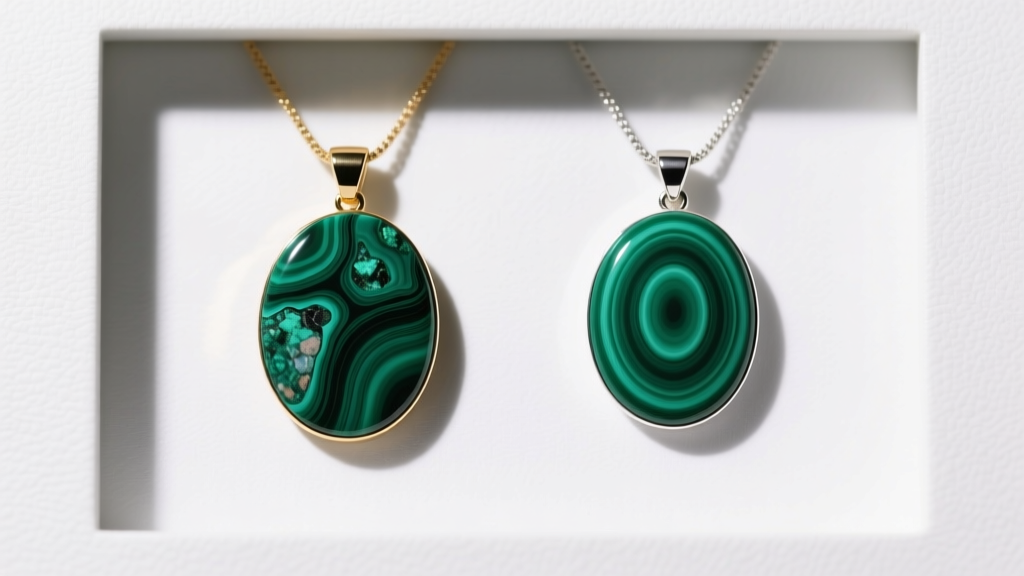
If you are evaluating a malachite or onyx Fiorever pendant, look closely at the stone's inlay. Bvlgari uses a technique where the hardstone is cut to perfectly match the gold bezel, leaving no visible gaps or excess adhesive. Genuine malachite will feature deep, varied, and organic banding. High-quality replicas often use dyed howlite or synthetic resins that exhibit repetitive, 'stamped' looking veining patterns that lack the chaotic depth of natural stone.
High-End Alternatives for the Budget-Conscious Collector
If the 85% brand premium of the fiorever necklace gives you pause, but you still desire a high-quality, floral or geometric diamond pendant in the $1,500 to $3,000 range, consider these alternatives that offer a better ratio of intrinsic value to retail price:
- Messika Move Collection: While not floral, Messika offers exceptional diamond pavé work and 18k gold craftsmanship with a slightly lower brand tax, resulting in better immediate resale retention.
- Chopard Happy Diamonds: The free-moving diamond concept offers a unique kinetic element. Chopard's pricing is aggressive, but their secondary market for non-limited pieces is highly liquid.
- Custom Bench-Made Pendants: Working with a master jeweler to cast a custom four-petal floral pendant using 3D CAD modeling and sourcing your own F-color melee diamonds can yield a piece of equal or greater material quality for roughly 30% of the Bvlgari retail price.
Final Verdict: Is the Fiorever Necklace a Smart Purchase?
From a strict budget and value assessment perspective, the fiorever necklace is a luxury expense rather than a financial investment. The retail pricing in 2026 reflects a massive brand premium, and you should expect to lose roughly half of your initial capital if you decide to resell it within the first few years.
However, value is not solely defined by resale metrics. If you are purchasing directly from Bvlgari's official boutiques for a milestone celebration, the value lies in the unboxing experience, the warranty, and the emotional weight of the Roman floral motif. For the savvy, budget-conscious buyer, the ultimate 'hack' is to purchase a pristine, pre-owned 18k rose gold Fiorever pendant on a vetted luxury resale platform. By doing so, you let the original owner absorb the initial depreciation, allowing you to acquire world-class Italian craftsmanship and timeless design at a price point that aligns much closer to its true material reality.


