Beginner Guide to Choosing a Genuine Mexican Amber Necklace
Discover how to choose, authenticate, and style a genuine Mexican amber necklace. Learn about Chiapas amber, pricing, and fake-testing methods.

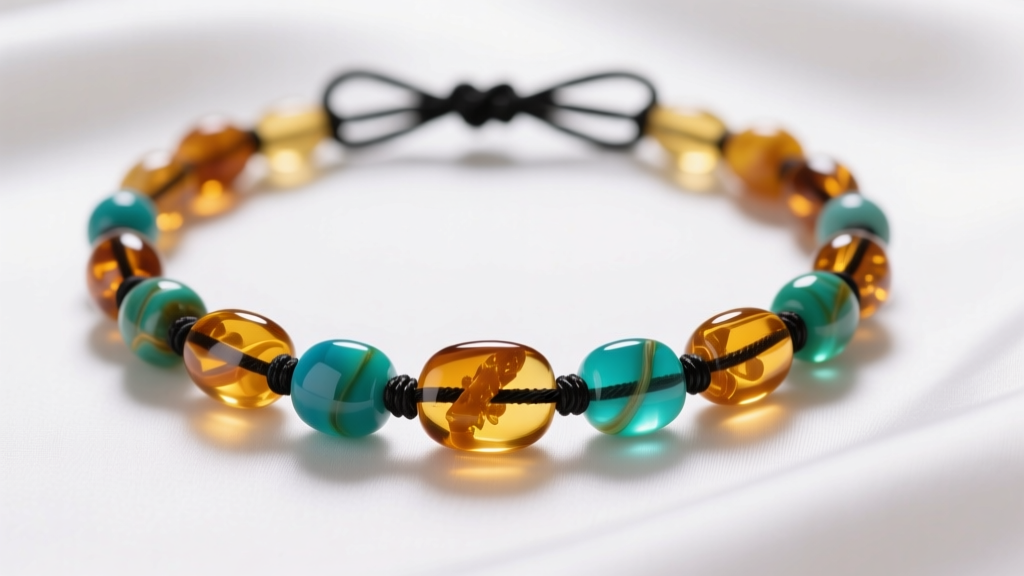
When it comes to organic gemstones, few carry the historical weight and visual warmth of amber. However, not all amber is created equal. While Baltic amber often dominates the global market, a Mexican amber necklace offers something distinctly different: exceptional clarity, rare fluorescent properties, and a rich geological history. For beginners stepping into the world of fossilized resins, navigating the market can be daunting. Copal imitations, plastic fakes, and heat-treated stones frequently masquerade as genuine artifacts. This comprehensive guide will equip you with the gemological knowledge needed to confidently select, authenticate, and care for a genuine Mexican amber necklace.
The Origins: Why Chiapas Amber Stands Apart
To understand the value of a Mexican amber necklace, you must first understand its origin. The vast majority of authentic Mexican amber is mined in the highland region of Chiapas, specifically around the town of Simojovel. Unlike Baltic amber, which was formed from the extinct conifer Pinus succinifera, Chiapas amber originated from the resin of the extinct legume tree Hymenaea courbaril (the locust tree) during the Miocene epoch, approximately 25 to 30 million years ago.
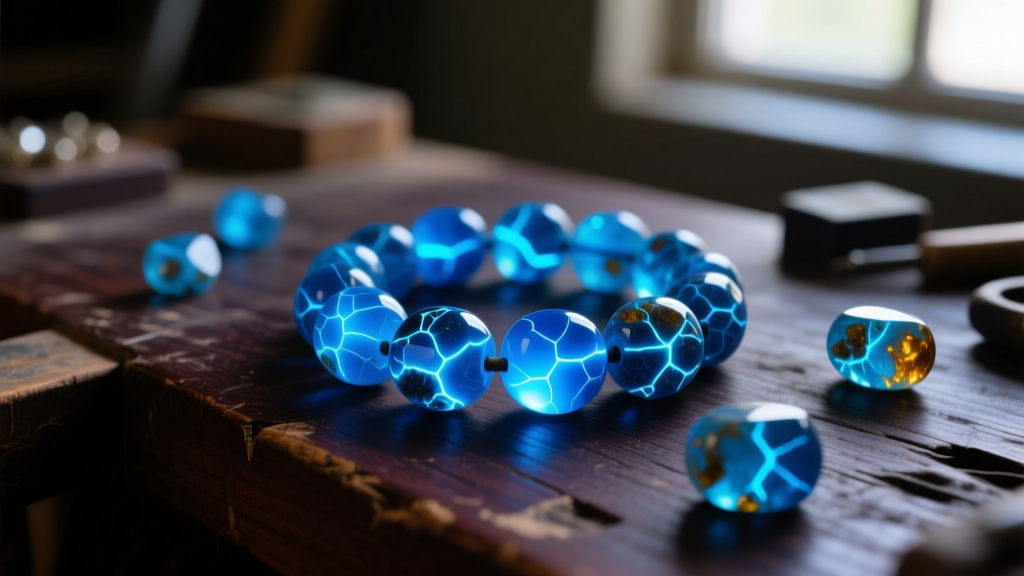
This botanical difference is crucial. According to the Gemological Institute of America (GIA), the chemical composition of Hymenaea resin results in a gemstone that is naturally harder and less prone to the micro-fracturing seen in softer Baltic variants. Furthermore, Chiapas amber is famous for its striking optical phenomena. While it naturally occurs in rich honey, cherry, and cognac hues, it is most prized for its intense fluorescence. Under ultraviolet light, high-quality Mexican amber exhibits a brilliant milky-blue or white glow, a trait caused by microscopic voids and aromatic hydrocarbons like perylene trapped within the fossilized matrix.
The Copal Trap: Immature Resin vs. True Fossil
The most common pitfall for beginners buying a Mexican amber necklace is confusing true amber with copal. Copal is essentially 'immature' or sub-fossilized resin. While true amber requires millions of years of heat and pressure to polymerize and fossilize, copal is typically only a few hundred to a few thousand years old.
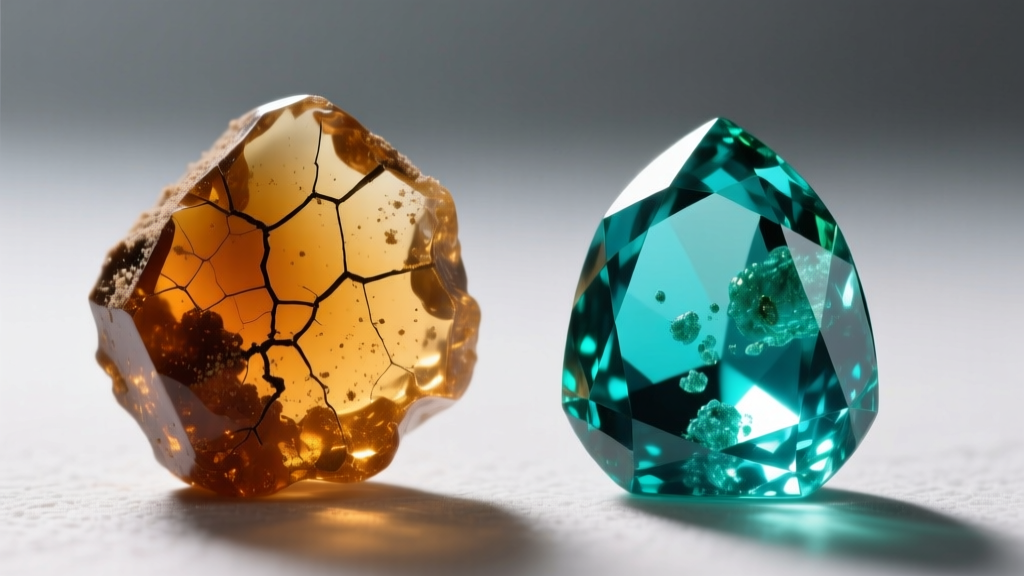
From a jewelry-making perspective, copal is highly problematic. Because it has not fully polymerized, copal has a much lower melting point and is highly susceptible to environmental damage. A necklace strung with copal beads will often develop a network of fine surface cracks (crazing) within months of being worn, especially when exposed to the natural oils and temperature fluctuations of human skin. True Mexican amber, conversely, is remarkably stable and can be polished to a glass-like luster that lasts for generations.
4 Definitive Tests to Authenticate Mexican Amber
Before purchasing a Mexican amber necklace, especially from independent artisans or online marketplaces, it is vital to verify the material. The American Museum of Natural History notes that visual inspection alone is rarely enough, as modern plastics and pressed amber dust can mimic natural inclusions. Here are four reliable, non-destructive tests you can perform:
1. The Saturated Saltwater Test
True amber has a specific gravity (SG) of 1.05 to 1.10, making it one of the lightest gemstones in the world. By mixing one part table salt to two parts warm water, you create a solution with an SG of roughly 1.20. Genuine Mexican amber will float effortlessly in this solution, while glass, most plastics, and copal will sink to the bottom.
2. The UV Fluorescence Test
Shine a standard 365nm UV blacklight on the beads in a dark room. Authentic Chiapas amber will fluoresce with a strong, eerie blue or greenish-white glow. Copal will show a much weaker, dull white glow, while synthetic plastics will either absorb the light entirely or reflect a harsh, artificial purple hue.
3. The Acetone Swab Test
Dip a cotton swab in standard nail polish remover (acetone) and rub it gently on an inconspicuous area of a bead. True fossilized amber is completely impervious to acetone. Copal, however, is not fully polymerized and will become tacky, sticky, or slightly dissolved upon contact.
4. The Electrostatic Test
Vigorously rub a bead against a piece of pure wool or cotton cloth for 15 seconds. Genuine amber will build up a static charge and easily pick up small scraps of tissue paper. Glass and heavy copal will fail to generate a sufficient charge.
Market Pricing and Grading Matrix
Pricing a Mexican amber necklace is not as straightforward as pricing gold or diamonds. Value is dictated by clarity, color, fluorescence intensity, and the presence of prehistoric inclusions (such as ancient insects or botanical debris). Below is a general pricing matrix based on current market rates for genuine, untreated Chiapas amber.
| Grade / Type | Visual Characteristics | UV Fluorescence | Approx. Price per Gram |
|---|---|---|---|
| Grade A (Clear Honey) | Flawless transparency, warm yellow-orange, no inclusions. | Moderate Blue | $3.00 - $6.00 |
| Grade B (Cherry/Cognac) | Deep reddish-brown, slight natural clouding or 'sun spangles'. | Weak Blue/White | $2.00 - $4.00 |
| Royal Blue | Opaque or semi-translucent body, intense surface blue reflection. | Extreme Bright Blue | $10.00 - $25.00+ |
| Inclusion Amber | Contains visible ancient insects, seeds, or fern fronds. | Varies | $15.00 - $100.00+ |
Structural Integrity: Stringing and Clasp Mechanics
Amber is exceptionally soft, registering only a 2 to 2.5 on the Mohs hardness scale. This means it can be easily scratched by quartz dust or even harder gemstones. When evaluating the construction of a Mexican amber necklace, the stringing method is just as important as the beads themselves.
Never buy a Mexican amber necklace that is strung on unknotted steel wire or rigid monofilament. The friction of the hard wire against the soft drill holes will eventually saw through the beads from the inside out, leading to catastrophic breakage. A high-quality piece will always be hand-knotted on natural silk or high-grade bonded nylon thread (such as Griffin or Beadalon). The knots serve a dual purpose: they prevent the soft beads from rubbing against one another, and they ensure that if the thread ever snaps, you only lose a single bead rather than the entire strand.
Additionally, inspect the clasp area. Premium necklaces utilize 'French wire' (also known as gimp)—a tiny, hollow coil of fine silver or gold wire that wraps around the thread where it loops through the metal clasp ring. This prevents the metal clasp from wearing through the delicate silk thread over time.
Daily Wear, Styling, and Chemical Avoidance
Styling a Mexican amber necklace is effortless due to its lightweight nature and warm undertones, which complement almost every skin tone. However, its organic origins require strict chemical avoidance. Amber is highly porous and reactive to solvents.
- Cosmetics and Fragrances: Always apply perfumes, hairsprays, and sunscreens at least 15 minutes before putting on your amber necklace. The alcohol and chemical compounds in these products can permanently dull the polish and cause surface etching.
- Temperature Extremes: Avoid leaving your necklace in a hot car or wearing it in a sauna. Extreme heat can cause the internal stresses within the fossilized resin to release, resulting in internal fracturing known as 'sun spangles' (though some collectors seek these out, they generally weaken the bead).
- Cleaning Protocol: Never use ultrasonic cleaners, steamers, or commercial jewelry dips. To clean your necklace, simply wipe it with a soft, lint-free microfiber cloth slightly dampened with lukewarm water. If it requires deeper cleaning, use a drop of mild, pH-neutral castile soap, rinse briefly, and dry immediately.
"A genuine Mexican amber necklace is not just an accessory; it is a wearable piece of Miocene history. Treating it with the respect its geological age demands ensures its warmth and fluorescence will outlast modern synthetic trends."
By understanding the unique properties of Chiapas amber, recognizing the dangers of copal, and insisting on proper stringing techniques, you can confidently invest in a piece that is both historically fascinating and beautifully enduring.


