Styling a Cat With Necklace Pendant: Metal & Enamel Material Guide
Discover the best metals, enamels, and chain pairings for your cat with necklace pendant. Compare material durability, weight, and skin safety.

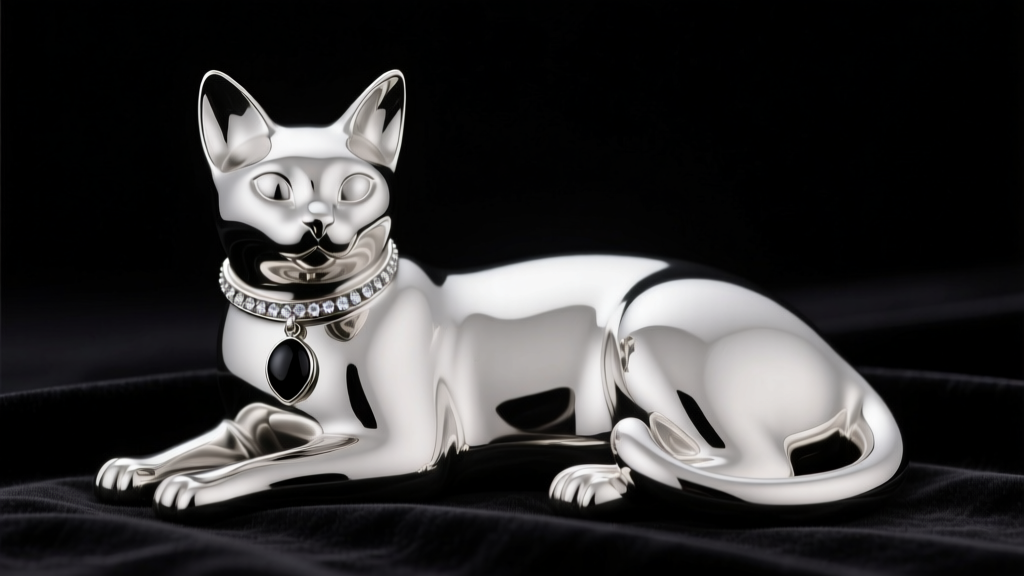
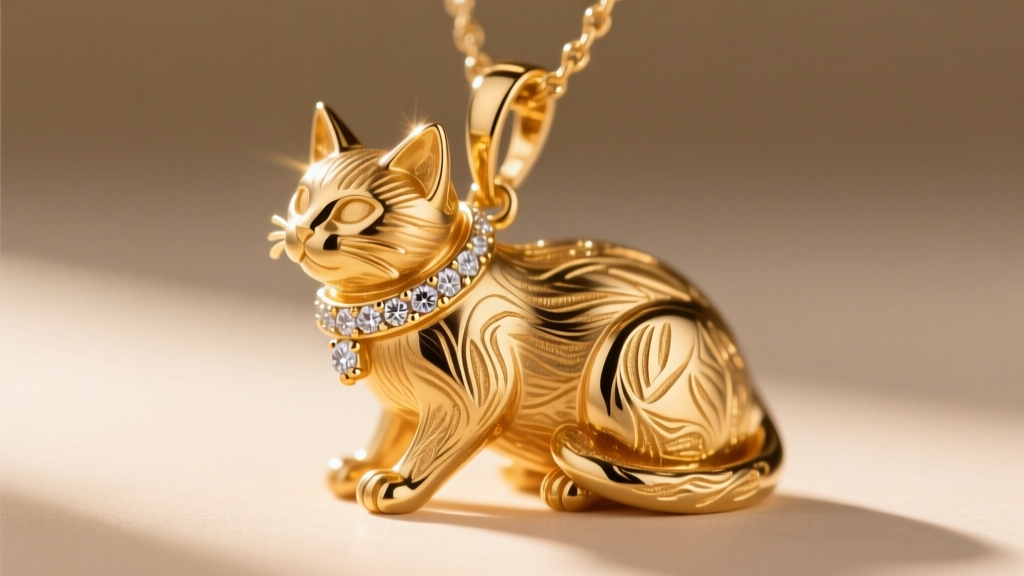
The "cat with necklace" pendant is a masterclass in micro-jewelry design, blending whimsical motifs with intricate metallurgical execution. As we move through 2026, this specific motif—featuring a feline figure adorned with a tiny, detailed collar or chain—has surged in popularity among collectors of narrative and figurative jewelry. However, crafting and styling a piece with such concentrated micro-details requires a deep understanding of material properties, casting limitations, and wear-and-tear dynamics. Whether the tiny collar is accentuated with vitreous enamel, micro-pavé diamonds, or oxidized silver recesses, the base metal and chain pairing must be meticulously selected to support the pendant's visual weight and structural integrity.
Deconstructing the Motif: Base Metals for Feline Pendants
When designing or purchasing a cat with necklace pendant, the base metal dictates not only the skin safety and longevity of the piece but also the crispness of the micro-cast details. The tiny necklace on the feline figure requires high-definition casting; if the metal shrinks too much or lacks fluidity during the lost-wax casting process, the collar details will blur.
Sterling Silver (925) vs. 14k Gold vs. 316L Steel
Sterling silver remains the industry standard for figurative pendants due to its excellent casting fluidity. According to jewelry manufacturing experts at Rio Grande, sterling silver exhibits a casting shrinkage rate of approximately 1.5%, which allows jewelers to create highly precise 3D wax models that translate into sharp, defined micro-collars on the feline pendant. However, silver is prone to tarnishing, especially in the deep recesses of the tiny necklace detail. To combat this, premium 2026 releases often feature a 0.5 to 1.0-micron rhodium plating over the silver, providing a brilliant white finish and a barrier against sulfur-induced oxidation.
For those seeking hypoallergenic properties and superior tensile strength, 316L stainless steel is an emerging alternative. The addition of molybdenum in 316L steel provides exceptional resistance to chloride corrosion, making it ideal for everyday wear. Yet, steel's higher melting point and casting viscosity can sometimes result in a slight loss of definition in ultra-fine details like a micro-chain collar.
| Metal Grade | Casting Definition | Mohs Hardness | Avg. Price Range (Pendant Only) |
|---|---|---|---|
| 925 Sterling Silver (Rhodium Plated) | Excellent | 2.5 - 3.0 | $85 - $180 |
| 14k Yellow/White Gold | Superior | 3.5 - 4.0 | $350 - $650 |
| 316L Stainless Steel | Good | 5.0 - 6.0 | $40 - $90 |
The Collar Accent: Enamel vs. Micro-Pavé Gemstones
The defining feature of this motif is the feline's necklace. Jewelers typically utilize one of two techniques to make this micro-collar pop: cold/vitreous enamel or micro-pavé gemstone settings. Each material possesses vastly different physical properties and maintenance requirements.
Vitreous vs. Cold Enamel
Vitreous enamel is essentially fused glass. Created by firing silica-based powders at temperatures exceeding 1400°F, vitreous enamel achieves a Mohs hardness of around 5 to 7, making it highly resistant to scratching. When applied to the tiny collar of a cat pendant, it yields a translucent, luminous depth that cold enamel cannot replicate. However, because it is glass, it is brittle; a hard impact against a granite countertop can cause the enamel on the micro-collar to chip or fracture.
Cold enamel, technically a two-part epoxy resin, is the more common choice for mass-produced figurative jewelry in 2026. It is cured at room temperature, making it safer for setting alongside heat-sensitive gemstones. While it offers vibrant, opaque colors perfect for a solid feline collar, cold enamel sits at a much lower hardness (around 2.0 on the Mohs scale) and is susceptible to UV degradation, which can cause lighter colors to yellow over years of sun exposure.
Micro-Pavé Diamond Accents
For luxury iterations, the cat's necklace is often rendered in micro-pavé diamonds. The Gemological Institute of America (GIA) notes that micro-pavé relies on tiny beads of metal raised from the base to hold stones that are typically 0.005 to 0.01 carats. While visually stunning, a micro-pavé collar on a pendant is highly vulnerable to snagging on knitwear. If the metal beads are not properly burnished during setting, the tiny diamonds can easily dislodge during daily wear.
"When evaluating micro-pavé on figurative pendants, always inspect the metal beads under 10x magnification. The beads should be perfectly rounded and flush against the stone's girdle; flat or misshapen beads indicate rushed setting work and a high risk of stone loss." — Master Bench Jeweler Guidelines
Chain Pairings: Gauges and Clasp Mechanics
A highly detailed cat with necklace pendant requires a chain that complements rather than competes with the motif. The visual weight of the feline figure demands a delicate but structurally sound chain.
- 1.0mm to 1.2mm Box Chains: Box chains are constructed from interlocking square links. A 1.2mm box chain (typically crafted from 18-gauge wire) offers a sleek, geometric backdrop that allows the organic curves of the cat pendant to take center stage. Furthermore, box chains possess excellent tensile strength relative to their thickness, easily supporting pendants weighing up to 8 grams without stretching.
- 1.5mm Wheat (Spiga) Chains: If the pendant is cast in solid 14k gold and weighs upwards of 10 grams, a wheat chain is mandatory. The braided, multi-directional links distribute weight evenly, preventing the localized stress that causes standard cable chains to snap at the solder points.
- Chains to Avoid: Avoid thick rope chains or wide herringbone chains. The twisted texture of a rope chain will visually clash with the micro-details of the cat's collar, while herringbone chains are notorious for kinking and failing to drape naturally with bottom-heavy figurative pendants.
Bail Sizing and Clasp Security
The bail (the loop connecting the pendant to the chain) must be proportionally scaled. For a 1.2mm box chain, a hidden bail measuring 3mm x 4mm is ideal. It allows the chain to glide smoothly without rubbing against the top of the cat's head or ears. Regarding clasps, always opt for a lobster clasp over a spring ring. Spring rings rely on a fragile internal coil spring that frequently fails, whereas a forged lobster clasp provides a secure, positive lock, ensuring your intricate pendant remains safely around your neck.
Care and Tarnish Prevention for Multi-Material Pieces
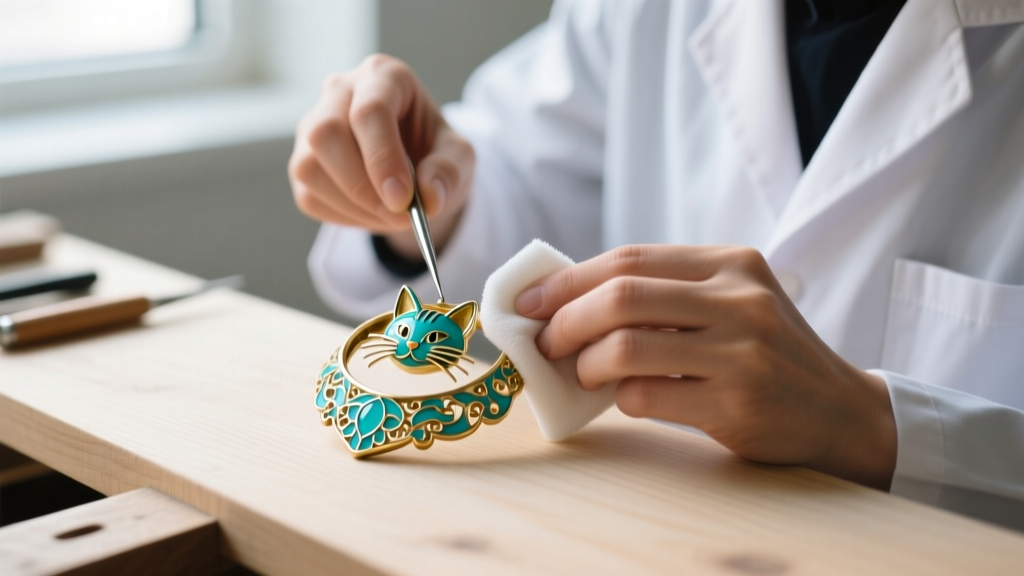
Maintaining a multi-material piece requires a nuanced approach. The recessed areas around the cat's tiny necklace are prime traps for sebum, cosmetic powders, and environmental pollutants.
For pendants featuring cold enamel or micro-pavé, ultrasonic cleaners are strictly prohibited. The high-frequency cavitation bubbles generated by ultrasonic machines can shatter cold enamel and shake micro-pavé diamonds right out of their settings. Instead, use a specialized, non-abrasive jewelry foam and a soft-bristled baby toothbrush to gently agitate the dirt from the micro-collar recesses. Rinse with distilled water to prevent hard water spotting, and dry immediately with a lint-free microfiber cloth.
If your pendant is crafted from un-plated sterling silver and features vitreous enamel, you may use a mild silver dip for exactly three seconds to remove heavy sulfide tarnish, followed by an immediate and thorough water rinse. However, never let chemical dips sit on the piece, as they can etch the surface of the enamel and strip the polish from the metal. By understanding the specific material properties of your jewelry, you ensure that the intricate story told by your feline pendant remains pristine for decades to come.


