How to Fix a Flipping Round Cut Diamond Necklace Pendant
Stop your round cut diamond necklace from flipping upside down. Expert troubleshooting for bail fixes, chain weights, and prong maintenance to keep it perfect.

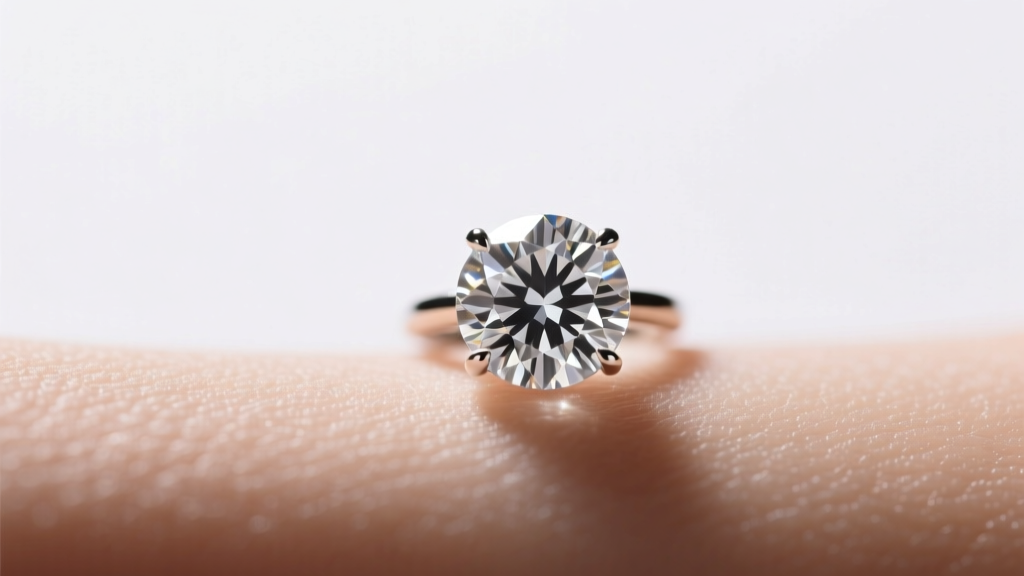
There are few things more frustrating in fine jewelry than investing in a high-quality, GIA-certified stone, only to spend half your day staring at the back of the setting. If your round cut diamond necklace constantly flips upside down, revealing the culet and pavilion instead of the dazzling 58-facet crown, you are experiencing one of the most common mechanical failures in pendant design. This isn't just an aesthetic annoyance; a constantly flipping pendant is a symptom of poor weight distribution that can lead to accelerated chain wear and prong damage.
In this comprehensive troubleshooting guide, we will break down the exact physics causing your pendant to rotate, explore structural bail upgrades, and detail the chain dynamics required to keep your diamond facing forward brilliantly in 2026 and beyond.
The Physics of the Flip: Why Your Pendant Won't Stay Put
To solve the flipping issue, we must first understand the center of gravity in a standard solitaire pendant. A classic 3-prong or 4-prong martini setting is designed to minimize metal visibility, allowing maximum light return through the diamond's anatomy. However, this design inherently pushes the diamond's center of mass forward, away from the wearer's chest.
When the diamond is relatively light (under 0.50 carats), the friction of the chain and the bail is usually enough to keep it in place. But when you upgrade to a 0.75ct, 1.00ct, or larger round brilliant, the forward weight of the stone overpowers the chain's tension. Gravity pulls the heavy diamond downward, while the chain pulls backward against the collarbone. The result is a continuous rotational pivot at the bail, causing the necklace to flip.
The Role of the Culet and Pavilion
When the necklace flips, you are looking at the pavilion (the bottom cone of the diamond). Because the pavilion facets are designed to reflect light back through the crown, viewing them from behind results in a dull, grayish appearance. Furthermore, the sharp point of the culet can scratch the back of the bail or catch on delicate fabrics, creating a secondary set of problems.
Troubleshooting the Bail: Upgrades and Adjustments
The bail is the mechanical bridge between your chain and your diamond setting. Upgrading or modifying the bail is the most effective way to permanently fix a flipping round cut diamond necklace.
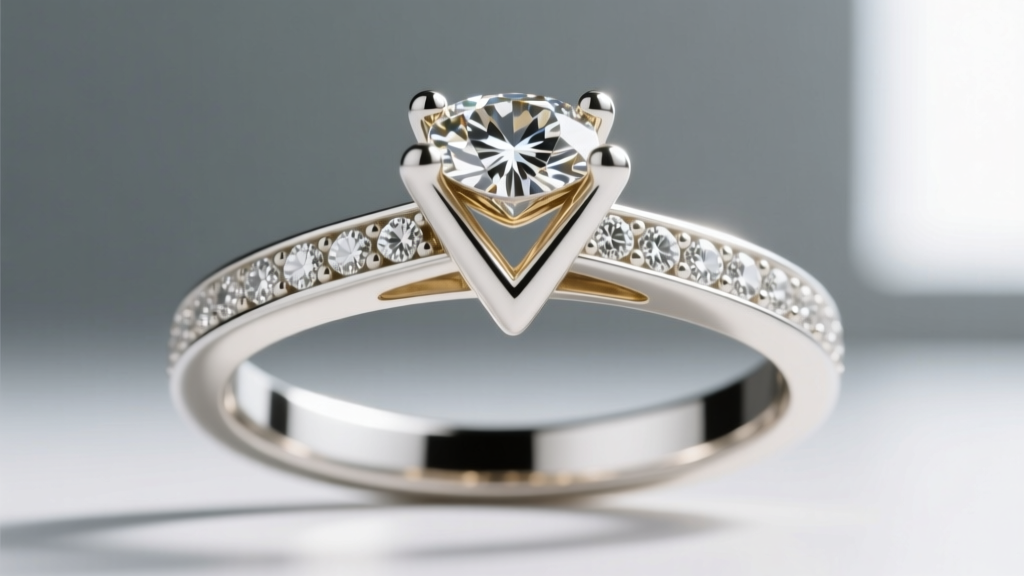
Floating Bail vs. Fixed V-Bail
Most off-the-shelf solitaire pendants come with a floating bail—a loop that slides freely along the chain. While this allows the pendant to move, it offers zero rotational resistance. If your diamond is over 0.75ct, you need to switch to a fixed V-bail. A fixed bail is soldered directly to the top of the martini basket or bezel setting. By locking the bail at a strict 90-degree angle to the diamond, you force the chain to sit flush against the collarbone, neutralizing the forward pivot point.
The Counterweight Technique
If you prefer a floating bail or have a vintage setting that cannot be easily soldered, a master jeweler can add a counterweight. This involves soldering a small, dense metal bead (often 14k or 18k gold) or a tiny melee diamond accent to the back of the bail. This shifts the center of gravity backward, perfectly balancing the forward weight of the main round cut stone.
Chain Dynamics: Weight, Weave, and Clasp Placement
Even with a perfectly balanced bail, the wrong chain will sabotage your round cut diamond necklace. The flexibility, stiffness, and weight distribution of the chain dictate how the pendant behaves during movement.
The Pendulum Effect of Heavy Clasps
A common mistake is pairing a lightweight chain (like a 0.9mm cable chain) with a heavy, oversized lobster clasp. As you move, the heavy clasp acts like a pendulum, swinging down to the lowest point of the neck (the center of the chest). This dragging force pulls the chain through the bail, inevitably rotating the diamond. The fix: Use a lightweight spring-ring clasp, or have your jeweler move the clasp to the side of the neck by adding a small jump ring extension.
| Chain Type | Flexibility | Flipping Risk | Best For Carat Weight |
|---|---|---|---|
| Box Chain | Low (Stiff) | Very Low | 0.75ct - 2.00ct+ |
| Wheat Chain | Medium | Low | 0.50ct - 1.50ct |
| Cable Chain | High | Medium | 0.25ct - 0.75ct |
| Rope Chain | Very High | High | Under 0.50ct |
For heavy round brilliant diamonds, a box chain is the ultimate troubleshooting solution. Its square, interlocking links create a semi-rigid structure that naturally resists twisting and lays flat against the sternum, providing a stable track for the pendant.
Maintenance Issues: Dullness and Prong Wear
A flipping necklace isn't just annoying; it accelerates physical degradation. When a pendant constantly rotates, the diamond's girdle and the metal prongs grind against the chain and the bail. Over time, this friction acts like sandpaper on precious metals.
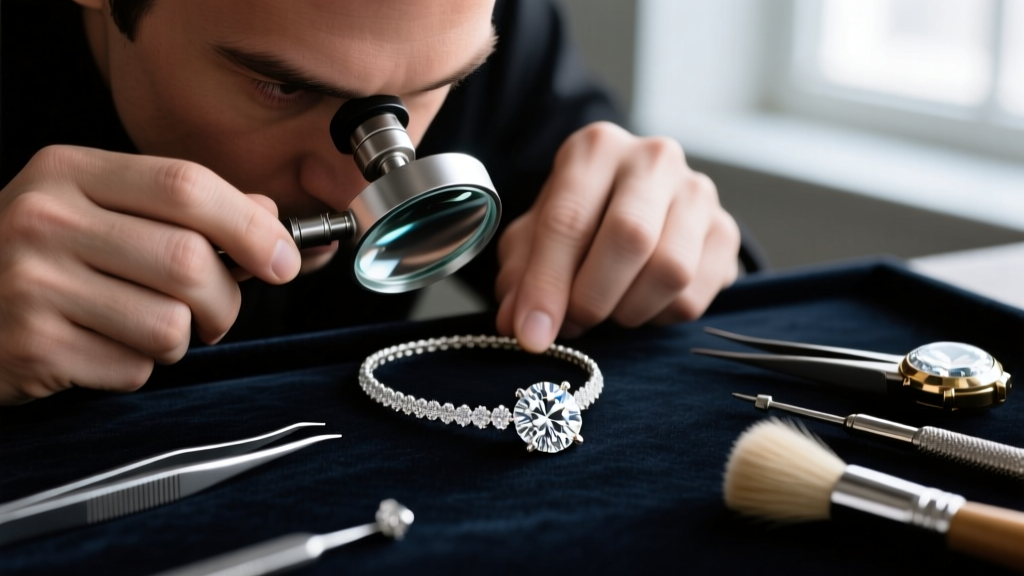
Prong Thickness and Material Grades
If your round cut diamond necklace is set in 14k or 18k yellow or white gold, the prongs are highly susceptible to wear from constant flipping. A standard 0.8mm prong can wear down to a dangerous 0.4mm in just a few years of heavy rotation, risking total stone loss.
- Platinum Settings: Platinum is denser and more durable than gold. When platinum prongs wear, they displace rather than flake away, making them the superior choice for active wearers.
- Six-Prong vs. Four-Prong: For stones over 1.00ct, a six-prong setting distributes the rotational stress more evenly and provides a backup if one prong fails.
- Bezel Settings: If prong wear is a constant issue, consider having the stone reset into a full or half-bezel setting, which eliminates protruding prongs entirely and lowers the center of gravity.
Restoring Sparkle: Cleaning the Pavilion
When the necklace flips, the pavilion rests directly against your skin, collecting sebum, lotions, and dead skin cells. This oily film completely blocks light from entering the bottom of the diamond, killing its fire and scintillation. According to the GIA Diamond Care guidelines, you should clean the back of the stone weekly using a soft baby toothbrush, warm water, and a few drops of mild dish soap, paying special attention to the culet area where grime accumulates.
When to See a Professional Jeweler
While you can swap out chains and clean your jewelry at home, structural fixes require professional equipment. If your pendant is severely unbalanced, take it to a certified bench jeweler. Modern jewelry repair shops utilize laser welding technology to add counterweights or solder fixed bails without exposing your heat-sensitive diamond to the extreme temperatures of a traditional jeweler's torch.
"A well-engineered pendant should feel like an extension of the chain, not a separate weight fighting against it. If your diamond spends more time facing your shirt than the room, the geometry of the setting needs to be re-evaluated by a professional."
— Senior Bench Jeweler, Jewelers of America Member Store
By addressing the bail mechanics, selecting a structurally sound box or wheat chain, and monitoring your prong thickness, you can permanently solve the flipping issue. Your round cut diamond necklace was engineered to capture and reflect light; with these troubleshooting steps, it will finally stay in the perfect position to do exactly that.
For more expert advice on maintaining your fine jewelry, consult the Jewelers of America Care Guide or visit a local GIA-certified gemologist for a personalized setting assessment.


