Chained Heart Necklace Value Guide: Fair Prices in 2026
Is your chained heart necklace overpriced? Our 2026 value guide breaks down materials, manufacturing, and fair market costs.

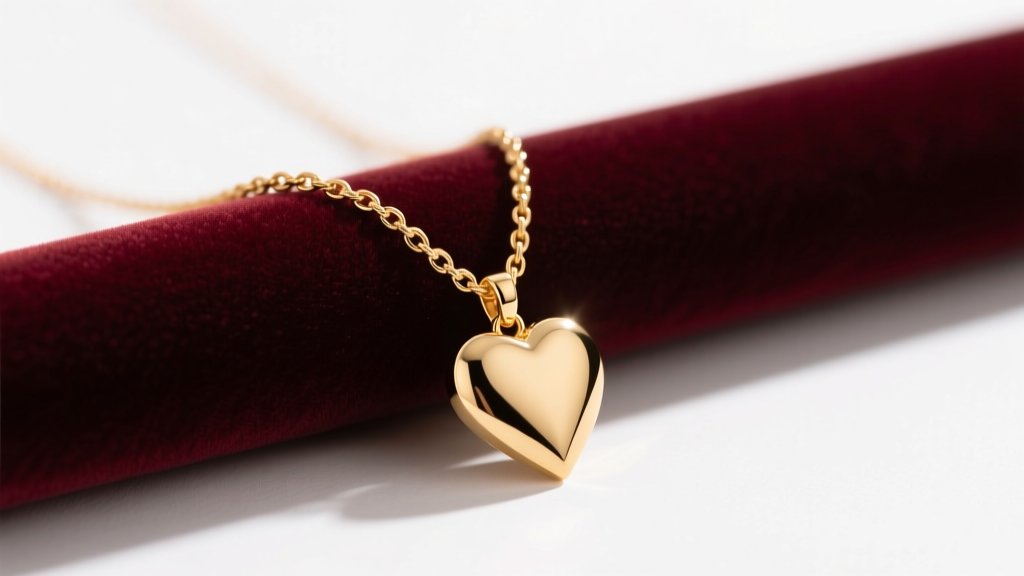
The True Cost of Romance: Decoding the Chained Heart Necklace
The chained heart necklace remains a quintessential staple in modern jewelry boxes, symbolizing affection, self-love, and timeless style. However, as you browse online boutiques and luxury jewelers in 2026, you will notice a staggering price disparity. Two seemingly identical gold heart pendants on delicate chains can range from $25 to $2,500. For the savvy consumer, understanding this gap is crucial. This value assessment guide strips away the marketing fluff to examine the metallurgy, manufacturing techniques, and structural integrity that dictate the true market value of a chained heart necklace. Whether you are investing in a solid 14k gold heirloom or seeking a durable everyday piece in sterling silver, knowing where your money goes ensures you never overpay for inferior craftsmanship.
Material Grades and the 2026 Pricing Matrix
The primary driver of a necklace's cost is its raw material composition. In the current market, jewelry makers utilize a spectrum of metals, each with distinct longevity and intrinsic value. According to the Gemological Institute of America (GIA), the karat weight of gold significantly impacts both the hue and the structural hardness of the piece. A 14k gold chained heart necklace offers the perfect equilibrium between the rich, warm color of pure gold and the tensile strength required for a delicate chain. Conversely, budget options often rely on brass or copper bases with microscopic layers of gold. To protect consumers from deceptive marketing, the Federal Trade Commission (FTC) strictly regulates terms like 'vermeil,' requiring a minimum of 2.5 microns of gold plating over a sterling silver base. Anything less is merely 'flash plated' and will inevitably wear away, exposing the base metal beneath.
| Material Tier | Base Metal & Plating | Expected Lifespan | Fair 2026 Price Range |
|---|---|---|---|
| Budget | Brass with Flash Plating (<0.5 microns) | 3 - 6 Months | $20 - $45 |
| Mid-Range | 925 Sterling Silver (Solid) | 5 - 10 Years | $60 - $120 |
| Premium Vermeil | 925 Silver with 2.5+ microns 14k Gold | 2 - 4 Years | $130 - $250 |
| Luxury Solid | Solid 14k or 18k Gold | Lifetime / Heirloom | $350 - $1,200+ |
Manufacturing Methods: Cast vs. Die-Struck Pendants
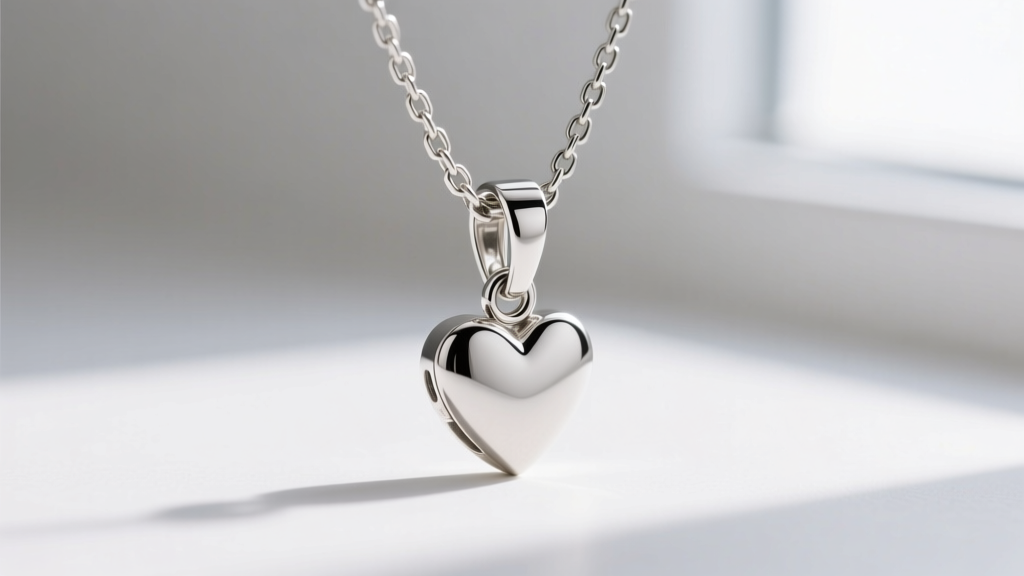
Beyond the metal itself, the manufacturing process of the heart pendant heavily influences the final retail price. High-end jewelers typically use lost-wax casting to create solid, three-dimensional heart pendants. This method allows for intricate detailing, a satisfying weight, and superior structural integrity. However, it requires more raw metal and extensive labor, driving up the cost. On the other end of the spectrum, mass-market brands utilize die-striking or stamping. This process involves punching a heart shape out of a thin sheet of metal, resulting in a hollow-backed, lightweight pendant. While die-struck pendants are significantly cheaper to produce, they are prone to denting if dropped and lack the luxurious drape of a solid cast piece. When evaluating a chained heart necklace, always flip the pendant over; a hollow back is an immediate indicator of budget manufacturing.
Chain Integrity: Where Budget Necklaces Fail
A pendant is only as secure as the chain that holds it. The chain represents the most vulnerable point of failure in any necklace, particularly when supporting the concentrated weight of a heart pendant. Budget chains are often constructed with unsoldered links, meaning the tiny gaps in each oval or box link can easily pull apart under stress. Premium chains feature laser-welded or soldered links, ensuring that the chain will snap before the links stretch open. Furthermore, the style of chain dictates its durability. Cable chains are classic but can catch on hair and clothing. Box chains offer excellent tensile strength and a modern aesthetic, making them ideal for heavier solid gold hearts. Rope chains provide a vintage, textured look but are notoriously difficult to repair if a link fractures, often requiring complete replacement rather than a simple solder fix.
The Lobster Clasp and Jump Ring Vulnerability
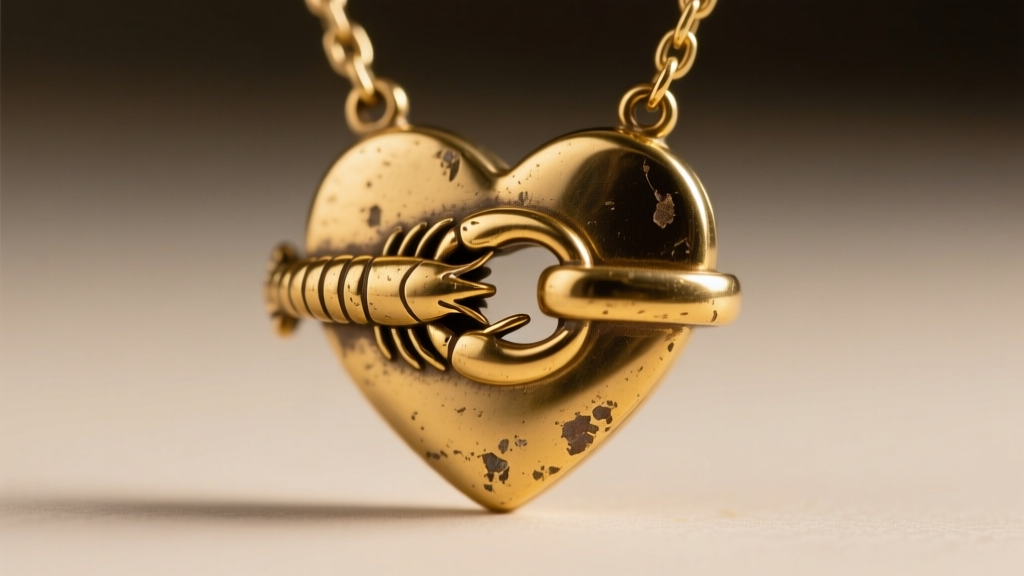
The clasp mechanism is another critical area where cost-cutting compromises longevity. A high-quality lobster clasp should feature a robust internal spring and a smooth, snag-free lever. In budget necklaces, the spring mechanism frequently fails within the first year, leaving the clasp stuck open or permanently shut. Equally important is the jump ring—the small circular wire that connects the clasp to the chain and the pendant to the bail. If the jump ring on the pendant bail is unsoldered, the friction of daily wear will eventually cause the wire to thin and split, resulting in a lost pendant. Always inspect the jump rings; if you can see a visible gap that can be caught with a fingernail, the necklace is a liability.
How to Audit a Chained Heart Necklace Before Buying
To ensure you are receiving fair value for your investment, run through this practical assessment checklist before completing your purchase:
- Verify the Hallmarks: Look for microscopic stamps on the clasp tag or pendant bail. '925' indicates sterling silver, '14K' or '585' denotes solid 14k gold, and '316L' signifies surgical stainless steel. A stamp reading '14K HGE' means Heavy Gold Electroplate over a base metal, not solid gold.
- Perform the Weight Test: A solid cast 14k gold heart pendant should feel substantial and dense. If it feels suspiciously light or hollow, it is likely die-struck or heavily alloyed.
- Inspect the Bail Connection: The bail (the loop the chain passes through) should be securely soldered to the top of the heart. If it is merely glued or bent into place, it will detach over time.
- Assess the Plating Thickness: If buying vermeil, demand documentation or product descriptions that explicitly state a minimum of 2.5 microns of gold thickness. Brands that hide this metric are usually utilizing ultra-thin flash plating.
Final Verdict: Maximizing Your Jewelry Budget
When shopping for a chained heart necklace, the goal is to align your budget with your expectations for longevity. If you are seeking a trendy, seasonal accessory, a $35 stainless steel or brass-plated option is perfectly acceptable, provided you understand it will eventually tarnish or fade. However, if you desire a meaningful piece of jewelry meant to withstand daily wear, showering, and the passage of time, bypass the mid-tier vermeil and invest directly in solid 14k gold or heavy sterling silver. By prioritizing soldered links, cast pendants, and transparent material grading, you secure a necklace that not only captures the heart but also respects your wallet.


