Green Mood Necklace Meaning & Essential Care Guide
Discover the green mood necklace meaning and learn expert cleaning, maintenance, and storage tips to protect thermochromic pendants.

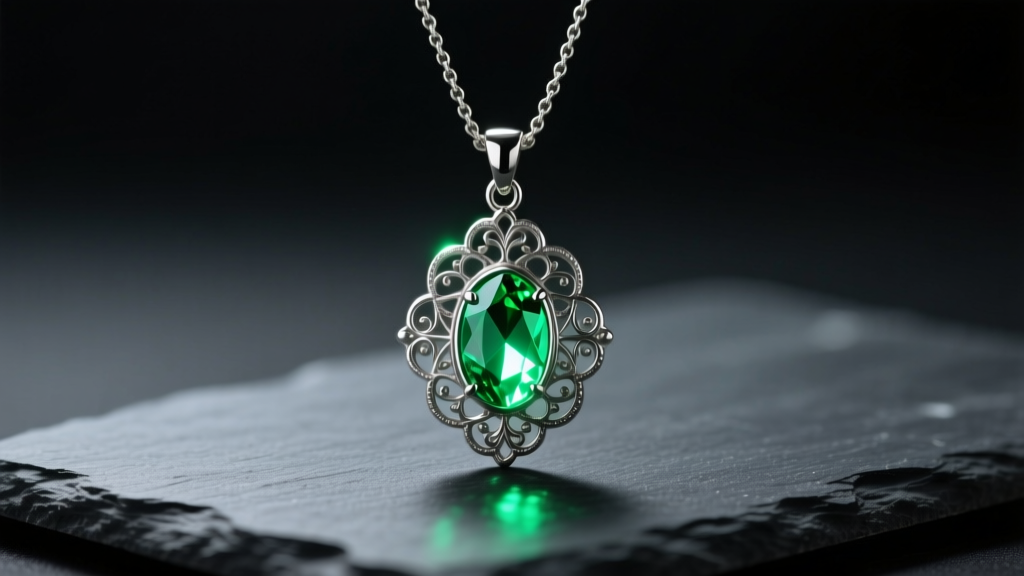
When you look down and see your jewelry radiating a calm, vibrant hue, you are witnessing a fascinating intersection of chemistry and personal style. Understanding the green mood necklace meaning is only half the experience; knowing how to properly care for the delicate thermochromic materials inside the pendant is what ensures your jewelry continues to function accurately. While modern 2026 thermochromic dyes are significantly more stable than the vintage pieces of the 1970s, mood pendants remain highly sensitive to their environment. This comprehensive guide breaks down the science behind the color shifts and provides a strict, professional-grade maintenance protocol to keep your necklace calibrated and beautiful.
The Science and the Green Mood Necklace Meaning
Before diving into maintenance, it is crucial to understand what you are actually cleaning. Mood necklaces do not read emotions; they read surface skin temperature. The pendant contains a hollow glass or quartz dome filled with thermochromic liquid crystals or specialized leuco dyes. These molecules twist and untwist in response to heat, altering the wavelengths of light they reflect.
So, what is the exact green mood necklace meaning? In the context of thermochromic calibration, a vibrant green indicates that your skin temperature is resting at an average, balanced baseline—typically around 86°F (30°C). Physiologically, this correlates with a relaxed, calm, and stable state of mind. Because blood flow to the extremities and the surface of the chest increases when you are relaxed, the pendant registers this optimal warmth and reflects green. If you become stressed, vasoconstriction drops your skin temperature, shifting the crystals to dark blue or black. If you are flushed or overheated, they shift to yellow or red.
Why Mood Pendants Lose Their Color-Shifting Magic
The number one reason mood necklaces fail is environmental degradation. The liquid crystal matrix is incredibly fragile. Here are the primary failure modes that will permanently ruin your pendant:
- Water Ingress: If the glass dome's bezel seal is compromised, even a single drop of water will break the emulsion of the liquid crystals. This instantly turns the stone a muddy, permanent black or brown.
- UV Degradation: Prolonged exposure to direct ultraviolet sunlight breaks down the chemical bonds in leuco dyes, causing the colors to look washed out or stuck in a permanent amber state.
- Thermal Shock: Exposing the pendant to extreme heat (like leaving it on a car dashboard in summer) or extreme cold can fracture the microscopic glass capsules holding the thermochromic fluid.
Step-by-Step Cleaning Protocol for Thermochromic Pendants
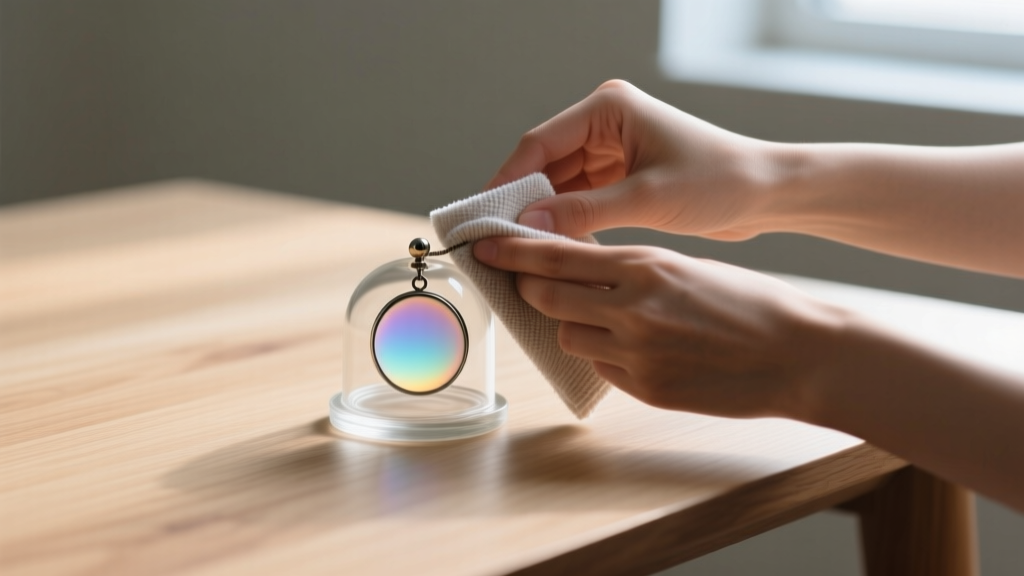
Because water is the ultimate enemy of a mood stone, traditional jewelry cleaning methods are strictly prohibited. You must never submerge a mood pendant, and you must never use chemical dips. Follow this dry-cleaning protocol recommended by gemologists and jewelry conservators:
1. The Dry Dusting Method
Use a clean, lint-free microfiber cloth or a very soft, untreated jeweler's polishing cloth. Gently buff the glass or quartz dome in small, circular motions. This removes daily skin oils, dead skin cells, and cosmetic residue (like foundation or setting spray) that can create a physical barrier between your skin and the sensor, leading to inaccurate color readings.
2. Spot Cleaning Stubborn Grime
If the glass dome has stubborn buildup, slightly dampen the corner of your microfiber cloth with distilled water. Wring it out until it is barely moist. Wipe the surface of the glass quickly, then immediately dry it with the dry side of the cloth. Never let moisture pool near the metal bezel, as capillary action can pull the water under the seal.
3. The "Do Not" List for Mood Jewelry
To protect the delicate liquid crystals, avoid the following at all costs:
- Ultrasonic Cleaners: The high-frequency cavitation bubbles will shatter the internal glass capsules holding the thermochromic fluid.
- Steam Cleaners: The intense, localized heat will permanently fry the leuco dyes.
- Chemical Solvents: Rubbing alcohol, ammonia, bleach, and commercial silver dips will corrode the metal bezel and degrade the adhesive holding the dome in place.
Chain Maintenance: Keeping the Metal Tarnish-Free
While the pendant requires a gentle touch, the chain requires a different approach. Most mood necklaces are strung on base metal chains—typically brass, copper alloys, or zinc alloys plated with a thin layer of silver or gold. According to care guidelines from the Jewelers of America, base metals are highly susceptible to oxidation when exposed to the sulfur and acids naturally present in human sweat.
To maintain the chain, remove it before showering, swimming, or exercising. Once a week, wipe the chain down with a treated anti-tarnish polishing cloth. If your chain has already begun to tarnish or turn your skin green (a harmless but annoying reaction caused by copper oxidation), you can gently clean the metal links with a soft toothbrush and a tiny drop of mild dish soap. Crucial step: You must remove the mood pendant from the chain before doing this to prevent water damage. Once the chain is clean and completely dry, reattach the pendant.
Troubleshooting Common Mood Pendant Issues
Even with meticulous care, you may encounter issues with your necklace's performance. Use this diagnostic table to identify the problem and determine if it can be salvaged.
| Issue | Probable Cause | Actionable Solution |
|---|---|---|
| Pendant is permanently black/brown | Water ingress; the liquid crystal emulsion has ruptured. | Irreversible. The pendant must be replaced. |
| Colors are dull or stuck on amber | UV degradation from prolonged sun exposure. | Store in a dark place. If the dye is dead, replace the stone. |
| Pendant rarely turns green | Poor skin contact or cold environment. | Wear the pendant directly against bare skin, over the sternum, where blood vessels are closest to the surface. |
| Chain turning skin green | Copper alloy reacting to skin acidity and sweat. | Coat the inside of the chain links with clear nail polish, or upgrade to a solid sterling silver or titanium chain. |
Storage Best Practices for Longevity
How you store your mood necklace when you are not wearing it dictates its lifespan. Thermochromic materials degrade faster when exposed to ambient heat and light. Always store your necklace in a cool, dark environment.
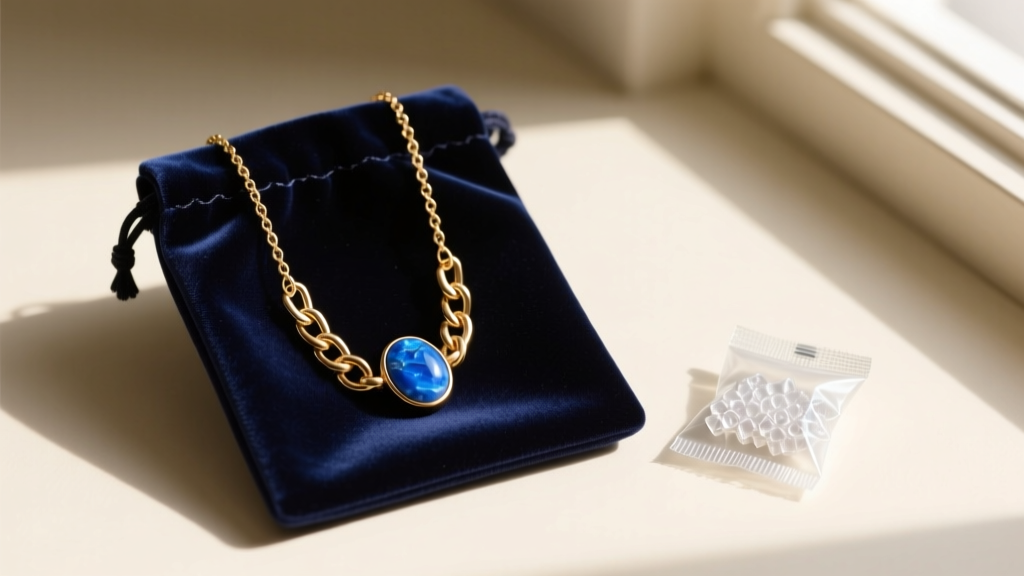
The ideal storage setup involves placing the necklace inside an anti-tarnish velvet pouch or a sealed ziplock bag. To combat ambient humidity—which can slowly degrade the metal bezel seal over years of storage—drop a small silica gel desiccant packet into the pouch or bag. Keep the necklace away from radiators, heating vents, and windowsills. By treating the thermochromic pendant with the same respect you would give to delicate organic gems like pearls or opals, you ensure that the calming green mood necklace meaning remains a reliable, colorful part of your daily wardrobe for years to come.


