Freyja Necklace Guide: Meaning, Materials & Styling Tips
Discover the meaning behind the Freyja necklace. Learn how to choose authentic Norse materials, chain lengths, and styling tips for everyday wear.

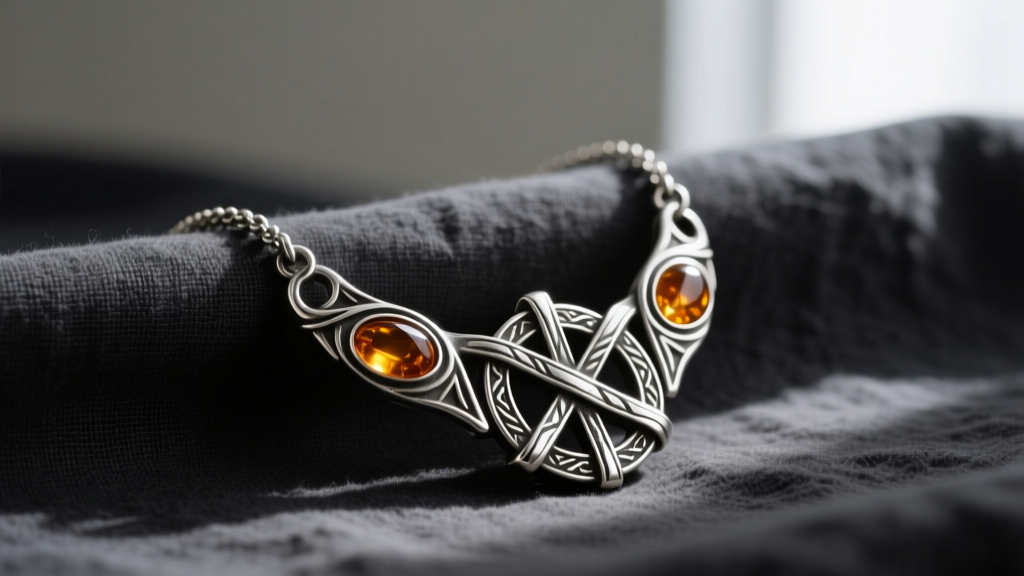
The resurgence of Norse mythology in modern pop culture has propelled Viking-inspired jewelry from niche historical reenactment circles into mainstream fashion. Among the most sought-after pieces is the Freyja necklace. Unlike the aggressive, battle-ready motifs often associated with Odin or Thor, jewelry dedicated to Freyja—the Norse goddess of love, beauty, fertility, and war—offers a more nuanced, elegant, and deeply symbolic aesthetic. Whether you are drawn to the lore of her legendary artifact, Brísingamen, or simply appreciate the intricate craftsmanship of modern Norse jewelry, understanding what you are buying is crucial.
This beginner-friendly guide will decode the mythology, break down the metallurgy, and provide a practical framework for styling a Freyja necklace in the modern world without looking like you are heading to a LARP event.
The Mythological Roots: Brísingamen and the Goddess
To understand the symbolism of a Freyja necklace, you must first understand her most famous possession: Brísingamen. According to the World History Encyclopedia, Brísingamen was a torc or necklace of unparalleled beauty, forged by four master dwarves named Alfrigg, Berling, Dvalin, and Grerr. The lore suggests that Freyja was so captivated by the necklace that she traded four nights with the dwarves to acquire it.
However, Freyja is a multidimensional deity. As noted by Encyclopedia Britannica, she is also a powerful figure of war who receives half of the slain warriors in her hall, Fólkvangr. Therefore, a genuine Freyja necklace balances delicate beauty with underlying strength. Modern interpretations rarely replicate the exact dwarven torc (which is largely left to the imagination and high-end museum replicas), but they heavily lean into the materials and symbols associated with her mythos.
Decoding Modern Freyja Necklace Designs
When shopping for a Freyja necklace, you will generally encounter three distinct design categories. Knowing the difference will help you choose a piece that aligns with your personal intentions.
1. The Amber and Gold Connection
In Norse poetry, gold is frequently referred to as 'Freyja's tears.' When her husband Óðr went on long journeys, Freyja wept tears that turned into red gold and amber upon hitting the earth. Consequently, a pendant featuring a genuine Baltic amber cabochon set in gold or oxidized silver is the most historically resonant tribute to the goddess.
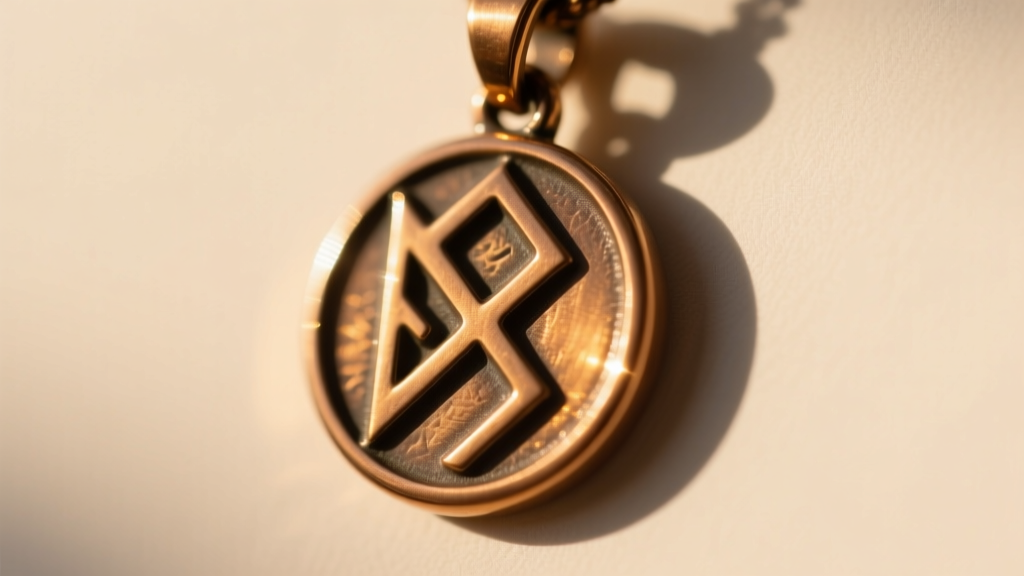
2. Runic Pendants
Runes are a staple of Norse jewelry. For a Freyja-specific piece, look for the Elder Futhark runes that align with her domains:
- Fehu (ᚠ): Represents wealth, abundance, and raw creative energy.
- Gebo (ᚷ): Symbolizes gifts, partnerships, and the balance of love.
- Wunjo (ᚹ): Signifies joy, harmony, and earthly pleasures.
3. Animal and Cloak Motifs
Freyja is famous for her cloak of falcon feathers (which allowed the wearer to shapeshift into a bird) and her chariot pulled by two large cats. Minimalist silhouettes of falcons, feline eyes, or intricate knotwork mimicking feather patterns are subtle, modern ways to wear her iconography.
Metallurgy and Materials: What to Actually Buy
The Viking Age did not feature 925 sterling silver or surgical steel. Historical Norse jewelry was primarily crafted from bronze, brass, and occasionally silver or gold for the ultra-wealthy. Today, you have more options, but each requires specific care and carries a different price point.
| Metal Type | Composition & Finish | Pros | Cons | Avg. Price Range |
|---|---|---|---|---|
| Oxidized 925 Silver | 92.5% Silver, darkened via sulfur | Hypoallergenic, highlights intricate knotwork shadows, high value. | Oxidation can rub off on high-friction areas over time. | $65 - $180 |
| Jeweler's Bronze | Copper/Tin alloy (historically accurate) | Authentic Viking aesthetic, warm earthy tone, highly durable. | Can cause skin greening due to copper oxidation; requires polishing. | $35 - $85 |
| Stainless Steel | 316L Surgical Steel (usually PVD coated) | Tarnish-free, waterproof, extremely affordable. | Lacks the historical 'soul' and weight of bronze/silver; mass-produced feel. | $15 - $40 |
Expert Tip: If you opt for bronze, apply a thin layer of clear nail polish or Renaissance Wax to the back of the pendant where it touches your skin. This prevents the copper reaction that causes the dreaded 'green chest' effect without altering the front-facing patina.
Chain Mechanics: Supporting the Weight of the Gods
A common beginner mistake is pairing a heavy, solid-bronze Norse pendant with a flimsy, 1.5mm cable chain. Norse pendants are notoriously dense, often weighing between 15 and 35 grams. A standard cable chain will stretch, kink, and eventually snap under this weight.
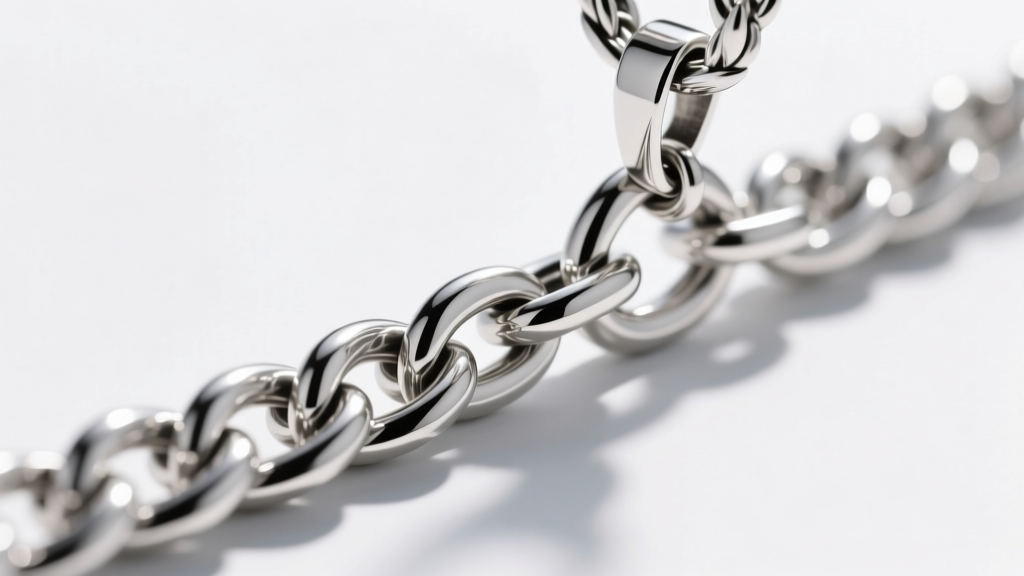
The Best Chain Weaves for Heavy Pendants
When selecting a chain for your Freyja necklace, prioritize tensile strength and structural integrity. Look for these specific weaves:
- Wheat (Spiga) Chain (2.5mm - 3.5mm): Made of four strands of twisted oval links woven together. This is the gold standard for heavy pendants. The interlocking braid distributes weight evenly, making it nearly impossible to snap under normal wear.
- Box Chain (2.0mm - 3.0mm): Composed of square links connected at 90-degree angles. It offers a geometric, almost mechanical look that pairs well with runic pendants, though it is slightly more prone to kinking if bent backward.
- Rope Chain (3.0mm+): Excellent for a vintage, rugged look. Ensure it is a solid rope, not a hollow one, as hollow ropes will crush if the heavy pendant swings and hits a hard surface.
The Everyday Styling Framework
The challenge with mythological jewelry is avoiding the 'costume' trap. You want the piece to feel like an integrated part of your personal style, not a prop. Here is a practical framework for styling your Freyja necklace in everyday environments.
The Rule of Three for Layering
Norse jewelry thrives when layered, but you must vary the lengths and weights to avoid a tangled mess. Use this tiered approach:
- The Anchor (16-18 inches): A simple, thin (1.5mm) oxidized silver chain or a subtle leather cord. No pendant, or a very tiny rune bead.
- The Focal Point (20-22 inches): Your main Freyja necklace. A 2.5mm wheat chain holding the amber or bronze pendant. This should rest just above the sternum.
- The Terminator (24-26 inches): A thicker, heavier chain (like a 4mm Figaro) with no pendant, framing the central piece and drawing the eye downward.
Neckline Pairings
The neckline of your clothing dictates how the pendant interacts with the fabric. Heavy, darkened silver or bronze contrasts beautifully against natural fibers.
- Crew Necks & Henleys: The ideal canvas. The high collar provides a dark backdrop that makes the metallic highlights of an oxidized Freyja pendant pop.
- V-Necks: Use a shorter chain (18 inches) so the pendant sits inside the 'V' of the shirt, drawing the eye naturally to the chest.
- Avoid: Busy, multi-colored floral patterns or loud graphic tees. The intricate knotwork and runic carvings of Norse jewelry require visual breathing room to be appreciated.
Final Thoughts on Authenticity
When investing in a Freyja necklace, prioritize artisan jewelers who specialize in historical replicas or Norse-inspired metallurgy over mass-market costume jewelry sites. A well-cast bronze or hand-oxidized silver piece will develop a unique patina over time, reacting to your body chemistry and environment. This aging process is not a flaw; it is a feature. It transforms a static piece of metal into a living artifact that, much like the goddess it represents, embodies both enduring strength and evolving beauty.


