Expert Guide to Buying a Quality Wire and Bead Necklace
Discover what to look for when buying a wire and bead necklace. Learn about wire gauges, bead materials, crimping techniques, and clasp durability.

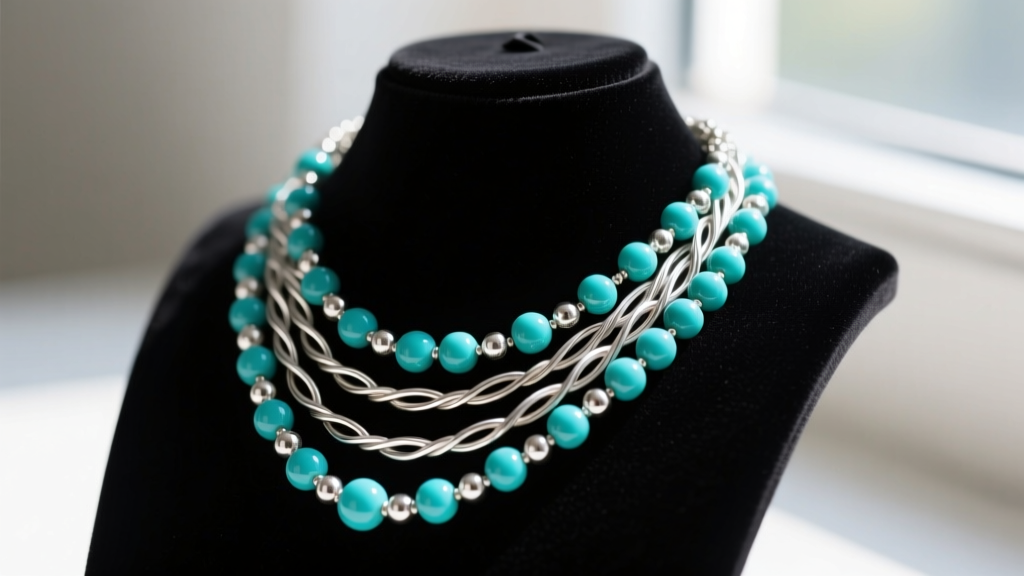
Anatomy of a Premium Wire and Bead Necklace
When shopping for a wire and bead necklace, the visual appeal of the gemstones or glass beads often overshadows the structural engineering that keeps the piece intact. Unlike traditional chain necklaces, a wire and bead necklace relies on a tension-based system where the flexibility of the core wire and the security of the crimped findings dictate the jewelry's lifespan. A poorly constructed piece will kink, sag, or snap within months, while a masterfully engineered design will drape beautifully and last for decades. This comprehensive buying guide breaks down the exact specifications, material grades, and hardware details you need to evaluate before making a purchase.
The market is flooded with mass-produced beaded jewelry that cuts corners on internal stringing materials. Budget-friendly options often utilize simple monofilament or low-strand-count steel wire that is prone to catastrophic failure. To ensure you are investing in a high-quality wire and bead necklace, you must look past the surface and examine the core components, bead drill holes, and finishing hardware.
Decoding Beading Wire: Strand Count and Gauge
The core of any wire and bead necklace is the stringing wire. High-end designers and professional jewelers predominantly use nylon-coated, multi-strand stainless steel wire. The quality of this wire is determined by its strand count and gauge thickness, which directly impact the necklace's drape, flexibility, and tensile strength.
- 7-Strand Wire: The most economical option, typically found in fast-fashion or budget jewelry ($15–$30 price range). It is relatively stiff, lacks a fluid drape, and is highly susceptible to permanent kinking if bent.
- 19-Strand Wire: A mid-tier option that offers a better balance of flexibility and cost. It drapes reasonably well but can still develop memory kinks over time if stored improperly.
- 49-Strand Wire: The gold standard for luxury wire and bead necklaces ($60–$150+). Composed of 49 micro-strands of stainless steel encased in a smooth nylon sheath, it mimics the fluid drape of silk thread while maintaining the tensile strength of steel. It is highly resistant to kinking and abrasion.
According to stringing material experts at the Soft Flex Company, the nylon coating is just as critical as the steel core. Premium wires use a high-grade nylon that resists yellowing and cracking from UV exposure and skin oils, whereas cheap PVC coatings will degrade and become brittle within a year.
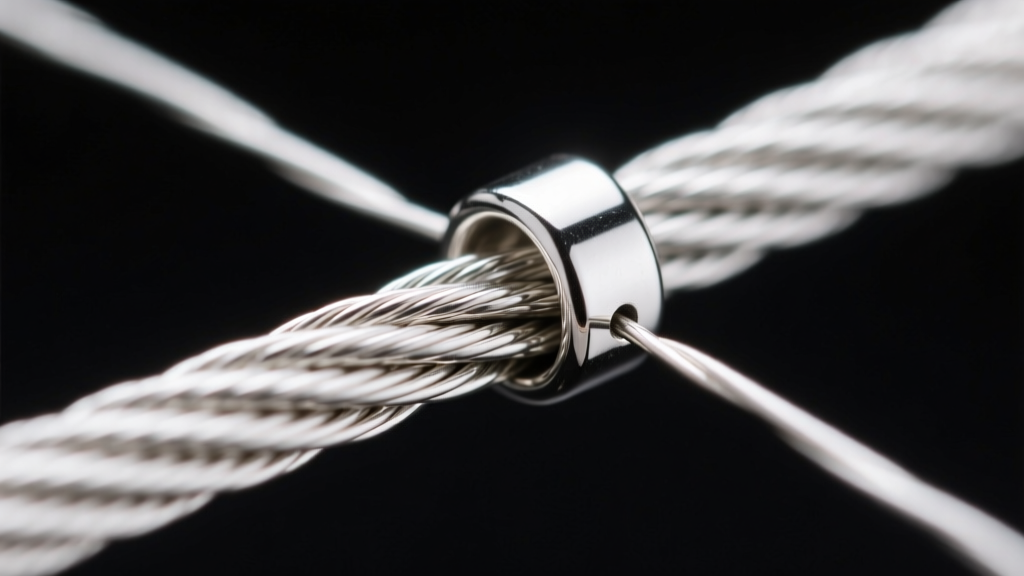
Wire Gauge and Bead Weight Correlation
Wire gauge dictates the thickness of the stringing material. A standard wire and bead necklace will typically use a 0.018-inch (approx. 26-gauge) or 0.024-inch (approx. 22-gauge) diameter. Lightweight seed beads and freshwater pearls require thinner wires (0.012-inch to 0.015-inch) to pass through their narrow drill holes. Conversely, heavy gemstone beads like lapis lazuli or large lampwork glass require a thicker 0.024-inch wire to support the weight without bowing or stretching the nylon coating.
Evaluating Bead Quality and Drill Hole Precision
The beads themselves are the focal point of the necklace, but their manufacturing quality can severely impact the integrity of the wire. When evaluating a wire and bead necklace, pay close attention to the drill holes.
Natural gemstone beads are drilled using diamond-tipped core bits. In lower-grade beads (often labeled as B or C grade by the Gemological Institute of America (GIA)), the drill holes may be rough, jagged, or feature sharp interior edges. Over time, the friction of a heavy stone moving against the wire will act like a microscopic saw, eventually fraying the steel strands and causing the necklace to snap. Premium AAA-grade gemstone beads feature smooth, polished drill holes that protect the stringing wire.
Pro-Tip for Buyers: Inspect the areas where the beads meet the clasp. High-quality wire and bead necklaces will often feature a small, curved metal finding called a French wire or wire protector at the terminal ends. This horseshoe-shaped metal guard prevents the wire from bending at a sharp 90-degree angle against the clasp ring, eliminating a major point of structural fatigue.
The Hardware: Crimps, Clasps, and Findings
The most common failure mode in a wire and bead necklace is not the wire snapping, but the crimp slipping. Crimps are the small metal beads or tubes that are crushed onto the wire to secure the clasp. The material and shape of the crimp are vital indicators of the jeweler's craftsmanship.
| Crimp Type | Material | Security Level | Verdict |
|---|---|---|---|
| Round Crimp Beads | Base Metal / Plated | Low | Avoid. They flatten unevenly and slip easily. |
| Crimp Tubes (1.5x2mm) | Sterling Silver | Medium | Good. Silver grips the nylon coating well. |
| Crimp Tubes (2x2mm) | Sterling Silver / Gold-Filled | High | Excellent. Allows for a proper double-fold crimp. |
As detailed in the Fire Mountain Gems and Beads encyclopedia of findings, professional jewelers use 2x2mm sterling silver or 14k gold-filled crimp tubes, not round beads. When compressed with a specialized micro-crimping plier, a tube folds inward, locking the wire in a U-shape before being rolled into a neat, bead-like sphere. Base metal crimps are too hard to fold properly and too soft to maintain tension, leading to catastrophic slippage.

Clasp Selection and Ergonomics
The clasp must be proportionate to the weight of the beads. A heavy turquoise wire and bead necklace will constantly pull a lightweight lobster claw clasp open. For heavy beaded designs, a toggle clasp is the superior choice. However, you must verify the geometry of the toggle: the T-bar must be at least 1.5 times longer than the inner diameter of the receiving ring. If the ratio is too close, the natural drape of the necklace will cause the bar to slip through the ring, resulting in loss of the jewelry.
Sizing, Drape, and Layering Potential
Because wire lacks the inherent elasticity of cord or the fluid link structure of a chain, the sizing of a wire and bead necklace must be precise. Wire does not stretch, but it can sag if the bead holes are significantly wider than the wire gauge, creating unwanted gaps.
- Collar (14–16 inches): Sits tightly against the base of the neck. Requires a highly flexible 49-strand wire to prevent the necklace from sticking out rigidly at the sides.
- Princess (18–20 inches): The most versatile length, resting on the collarbone. Ideal for layering with delicate gold chains or pendant necklaces.
- Opera (28–36 inches): Long, sweeping designs. These require meticulous weight distribution; otherwise, the heavy bottom arc will pull the back of the necklace tightly against the nape of the neck, causing discomfort.
Maintenance and Longevity
To maximize the lifespan of your wire and bead necklace, proper care is non-negotiable. Never sleep in a beaded wire necklace; the sustained pressure of your body weight against the mattress will force the steel core to bend past its yield point, resulting in a permanent, unfixable kink. When storing the piece, always hang it vertically or lay it perfectly flat in a jewelry box. Coiling it tightly into a small pouch will introduce memory curves into the nylon coating. With the right combination of 49-strand wire, precision-drilled beads, and sterling silver crimp tubes, a wire and bead necklace will remain a secure, elegant staple in your collection for years to come.


