How to Choose, Layer, and Care for a CZ Cross Necklace
Learn to choose, layer, and maintain your CZ cross necklace. Discover metal grades, setting types, and expert daily cleaning steps.

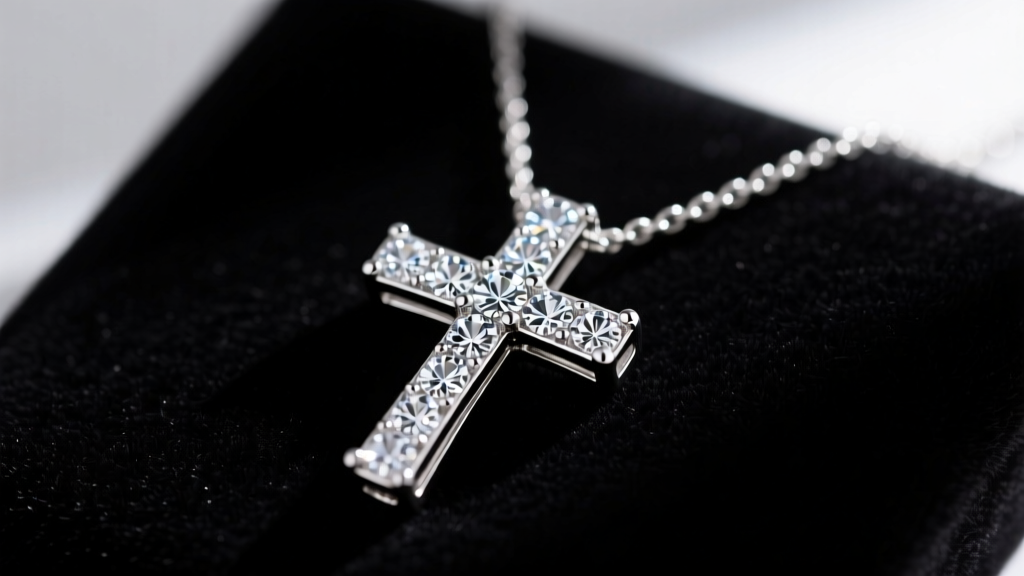
The Enduring Appeal of the CZ Cross Necklace
The cross pendant remains one of the most universally recognized symbols in jewelry, bridging the gap between profound personal faith and high-fashion aesthetics. When crafted with Cubic Zirconia (CZ), these pieces offer exceptional brilliance without the steep investment of natural diamonds. According to the Gemological Institute of America (GIA), high-grade CZ boasts a dispersion rate of 0.058–0.066, which is actually higher than a diamond's 0.044. This means a well-cut CZ cross necklace will exhibit remarkable "fire" and rainbow flashes when catching the light.
However, not all CZ jewelry is created equal. The longevity, sparkle, and wearability of your pendant depend entirely on the base metal, the setting architecture, and your maintenance routine. This step-by-step guide will walk you through selecting, styling, and preserving your CZ cross necklace like a seasoned jeweler.
Step 1: Evaluating Metal Bases and Setting Architectures
The most common failure mode in affordable jewelry isn't the CZ stone itself—which ranks a durable 8.5 on the Mohs hardness scale—but the metal holding it. When shopping for a CZ cross necklace, scrutinize the base metal and the plating thickness.
Metal Grades and Plating Thickness
- 925 Sterling Silver: The gold standard for CZ settings. It is hypoallergenic and durable. Look for pieces plated with 0.1 to 0.3 microns of rhodium to prevent silver sulfide tarnishing.
- Gold Vermeil: By Federal Trade Commission (FTC) guidelines, true vermeil must feature a 925 sterling silver base coated with at least 2.5 microns of 10k, 14k, or 18k gold. Avoid "gold-plated" or "gold-dipped" pieces, which often use brass bases and flash plating (under 0.1 microns) that will oxidize and turn your skin green within weeks.
- Solid 14k or 18k Gold: For heirloom-quality pieces, solid gold ensures the prongs will never wear away, though it raises the price point from the typical $45–$120 range for silver into the $350–$800+ territory.
Setting Styles: Prong vs. Pavé vs. Bezel
| Setting Type | Light Return (Sparkle) | Durability & Risk | Best For |
|---|---|---|---|
| Prong (4 or 6) | Maximum | Moderate; prongs can catch on fabrics | Solitaire or large center-stone crosses |
| Pavé (Micro-bead) | High surface flash | Low; tiny beads wear down, risking stone loss | Intricate, fully-diamond-encrusted designs |
| Bezel | Reduced (metal blocks side light) | Excellent; fully protects the CZ girdle | Active lifestyles and minimalist designs |
| Channel | Moderate | High; stones are locked between two walls | Geometric or modern cross bars |

Step 2: Executing the Perfect Layering Stack
A CZ cross necklace is an ideal anchor piece for a layered necklace stack. The secret to a professional-looking stack lies in the "2-Inch Drop Rule" and varying chain textures to prevent tangling.
The 3-Piece Layering Formula
- The Choker (14" - 16"): Start with a lightweight, 1.0mm cable chain or a simple velvet ribbon. This sits at the base of the throat and frames the face.
- The Anchor (18" - 20"): This is where your CZ cross pendant lives. Opt for a slightly heavier chain, such as a 1.5mm box chain or a 2.0mm rope chain. The cross should rest precisely on the sternum or just above the neckline of your shirt. A pendant size of 15x20mm offers subtle elegance, while a 30x45mm piece makes a bold, streetwear-inspired statement.
- The Matinee (22" - 24"): Finish with a long, textured chain featuring a simple geometric pendant (like a plain gold disc or a raw crystal point) to draw the eye downward and elongate the torso.
Pro Tip: Never layer three chains of the exact same thickness and link style. They will immediately knot together due to friction. Mix a smooth box chain with a textured rope chain to keep them gliding past one another.
Step 3: Matching Necklines and Occasions
The proportions of your CZ cross necklace should harmonize with your wardrobe. Here is a quick troubleshooting guide for pairing your pendant with common necklines:
- V-Neck: The natural geometry of a V-neck perfectly mirrors a cross pendant. Choose an 18-inch chain so the cross sits exactly one inch above the apex of the V-neckline.
- Crew Neck: Because crew necklines sit high and tight, a long, dangling cross will look disconnected. Opt for a delicate 16-inch choker with a micro-pavé cross (under 10mm) that rests just on the collarbone.
- Scoop Neck: A wider, more ornate cross with a 20-inch matinee chain works beautifully here, filling the negative space of the scoop without competing with the fabric's curve.
- Button-Down Shirts: Wear the cross *under* the collar, resting against the skin, with the top two buttons undone for an effortless, layered look.

Step 4: The Science of Cleaning CZ (Combating Cloudiness)
The most common complaint among CZ owners is that the stone becomes "cloudy" or "foggy" over time. This is rarely due to scratching. CZ is highly oleophilic, meaning it naturally attracts and holds onto oils, sebum, lotions, and hairspray. This microscopic layer of grime creates a barrier that kills light return, making the stone look dead and milky.
The Weekly Manual Cleaning Routine
Do not use ultrasonic jewelry cleaners on CZ cross necklaces, especially if they feature pavé settings or gold vermeil plating. Ultrasonic vibrations can shake the tiny micro-beads loose, causing your CZ stones to fall out, and the harsh chemical baths can strip gold plating.
- Prepare the Bath: Fill a small glass bowl with warm (not hot) water and add three drops of a grease-cutting, mild liquid dish soap (like Dawn).
- Soak: Submerge the necklace for 10 to 15 minutes to loosen the oleophilic buildup.
- Agitate: Using a brand-new, ultra-soft baby toothbrush, gently scrub the *back* of the CZ stones (the pavilion). This is where 90% of skin oils accumulate. Use light, circular motions.
- Rinse and Dry: Rinse thoroughly under lukewarm running water. Pat dry with a lint-free microfiber cloth. Never use paper towels, as the wood pulp fibers can leave micro-scratches on the metal polish.
Troubleshooting Common CZ Issues
Issue: A pavé CZ stone has fallen out.
Do not attempt to re-set it using household superglue (cyanoacrylate). Superglue releases fumes as it cures that will permanently fog the surface of the CZ, and it creates a brittle bond that will fail again. Instead, purchase a jeweler's epoxy like G-S Hypo Cement, apply a microscopic dot with a toothpick, and press the stone into the setting. For valuable pieces, take it to a local bench jeweler for a professional prong re-tipping.
Issue: The sterling silver chain is turning black.
This is silver sulfide tarnish, a natural reaction to sulfur in the air. Avoid liquid "silver dip" cleaners (which contain harsh thiourea acids) as they can strip the rhodium plating and damage the CZ. Instead, use a treated anti-tarnish polishing cloth (like a Sunshine cloth) to gently buff the chain links. Store your necklace in an airtight ziplock bag with a silica gel packet or an anti-tarnish tab when not in wear to halt the oxidation process.
Final Thoughts
A CZ cross necklace is a versatile, brilliant, and deeply personal accessory. By prioritizing 925 sterling silver or true 2.5-micron vermeil bases, mastering the 2-inch layering rule, and committing to a gentle, grease-cutting cleaning routine, you can ensure your pendant maintains its diamond-like fire for years to come. Treat your jewelry with the same precision you applied to selecting it, and it will reward you with enduring brilliance.


