Chakra Necklace Materials: Comparing Stones and Metals
Discover the best materials for a chakra necklace. Compare genuine vs. synthetic stones, chain metals, and cord durability for lasting wear.

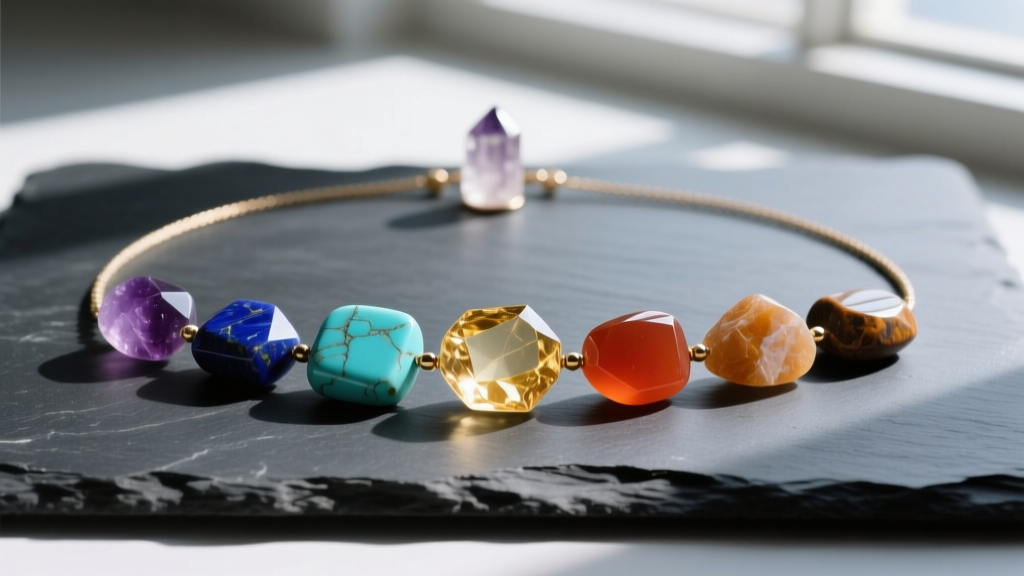
The Anatomy of a Chakra Necklace: Beyond the Aesthetic
The modern chakra necklace has transcended its niche spiritual origins to become a staple in holistic fashion and mindful jewelry design. However, as the popularity of these seven-stone pendants surges, the market has been flooded with mass-produced pieces that prioritize visual symmetry over material integrity. For the discerning collector or practitioner, understanding the physical and chemical properties of a chakra necklace is paramount. A piece meant to align your energy centers should not degrade from basic skin contact or fracture under its own weight.
In this comprehensive material guide, we dissect the gemological and metallurgical realities of chakra necklaces. From the Mohs hardness of traditional throat chakra stones to the tensile strength of cordage, we provide the exact specifications needed to evaluate, purchase, or craft a piece that endures daily wear without compromising its structural or energetic authenticity.
Gemstone Materials: Genuine vs. Treated vs. Synthetic
The core of any chakra necklace lies in its seven stones, traditionally representing the Root, Sacral, Solar Plexus, Heart, Throat, Third Eye, and Crown chakras. The physical durability of these stones varies wildly, creating a unique engineering challenge for jewelry makers. According to the GIA Gem Encyclopedia, a gemstone's hardness and toughness dictate its viability for necklace pendants, which are prone to swinging and striking surfaces.
Mohs Hardness & Daily Wear Vulnerabilities
When selecting or evaluating a chakra necklace, the Mohs scale of mineral hardness is your primary metric for scratch resistance. Stones ranking below a 6 are highly susceptible to abrasion from everyday dust (which contains quartz particles ranking at 7).
- High Durability (Mohs 7+): Amethyst (Third Eye/Crown) and Clear Quartz (Crown) are excellent for daily wear. They resist scratching and tolerate standard ultrasonic cleaning.
- Moderate Durability (Mohs 6-7): Citrine (Solar Plexus) and Garnet (Root) are generally safe but can chip if struck against hard surfaces due to crystalline cleavage planes.
- Low Durability (Mohs 3-5): Turquoise (Throat), Lapis Lazuli (Throat/Third Eye), and Selenite (often misused for Crown) are highly porous and soft. Turquoise can absorb skin oils and lotions, permanently altering its color matrix.
The Imitation Epidemic: Dyed Howlite and Glass
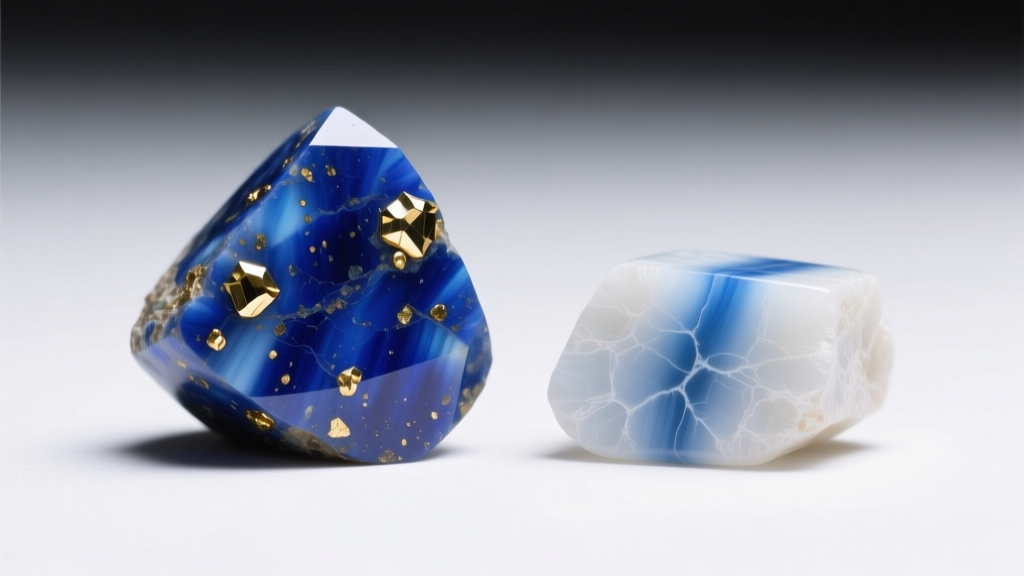
Because genuine high-grade lapis lazuli and turquoise are expensive, the mass-market chakra necklace industry heavily relies on dyed howlite and magnesite. Howlite (Mohs 3.5) is a porous, chalky white mineral that readily absorbs blue and purple dyes. While visually similar in a thumbnail photo, dyed howlite lacks the pyrite inclusions of genuine lapis and the copper-bearing matrix of genuine turquoise. Over time, the dye degrades, bleeding onto the wearer's skin and clothing when exposed to the acidic pH of human sweat (typically 5.5 to 7.0).
Chakra Stone Material Matrix
| Chakra | Traditional Stone | Mohs Hardness | Porosity & Treatment Risk |
|---|---|---|---|
| Root | Red Jasper / Garnet | 6.5 - 7.5 | Low; highly stable for daily wear. |
| Sacral | Carnelian | 6.5 - 7 | Low; often heat-treated to enhance red/orange hues. |
| Solar Plexus | Citrine / Tiger's Eye | 7 | Low; beware of amethyst heat-treated to fake citrine. |
| Heart | Aventurine / Rose Quartz | 6.5 - 7 | Low to Moderate; Rose Quartz can fade in prolonged UV. |
| Throat | Turquoise / Lapis Lazuli | 5 - 6 | High; requires stabilization or careful wear to prevent oil staining. |
| Third Eye | Sodalite / Amethyst | 6 - 7 | Moderate; Sodalite can bleach if exposed to harsh chemicals. |
| Crown | Clear Quartz / Amethyst | 7 | Low; excellent structural integrity for pendant points. |
Chain and Cord Materials: Tensile Strength & Skin Safety
The suspension system of a chakra necklace—whether a metal chain or a woven cord—must support the weight of seven distinct cabochons or raw stones, which can easily exceed 30 grams. Furthermore, the material resting against the nape of the neck must be biocompatible to prevent contact dermatitis.
Metal Chains: Sterling Silver, Gold-Filled, and Base Alloys
For metal-suspended chakra pendants, the alloy composition dictates both longevity and skin safety. Base metals, often labeled as "Tibetan Silver" or "Zinc Alloy," contain high levels of copper and nickel. When copper oxidizes and mixes with the salts in human sweat, it produces copper chloride, resulting in the notorious green skin discoloration and potential allergic reactions.
925 Sterling Silver remains a premium choice, consisting of 92.5% pure silver and 7.5% copper. While the copper content means it will eventually tarnish (forming silver sulfide when exposed to atmospheric sulfur), it is largely hypoallergenic and possesses the tensile strength required to hold heavy stone settings.
14k Gold-Filled wire and chain are superior to gold-plated alternatives. According to industry standards monitored by groups like Jewelers of America, gold-filled materials must contain a minimum of 5% (1/20th) 14k gold by weight, mechanically bonded to a brass core. This provides a durable, tarnish-resistant exterior that will not flake off after months of friction against a heavy chakra pendant.
Cordage: Silk, Cotton, and Synthetic Blends
Many traditional chakra necklaces utilize macramé or simple knotting on cords. Silk is prized for its natural origin and soft drape, but it is a protein fiber that degrades rapidly when exposed to acidic sweat and UV radiation. A silk cord supporting a 40-gram stone cluster is a failure risk waiting to happen. Braided Nylon or Polyester (e.g., S-Lon or C-Lon) offers vastly superior tensile strength, UV resistance, and moisture immunity. For practitioners who insist on natural fibers, organic hemp or waxed cotton provides a middle ground, though waxed cotton requires periodic re-waxing to maintain its structural integrity and water resistance.
Failure Modes: How Chakra Necklaces Break and Tarnish
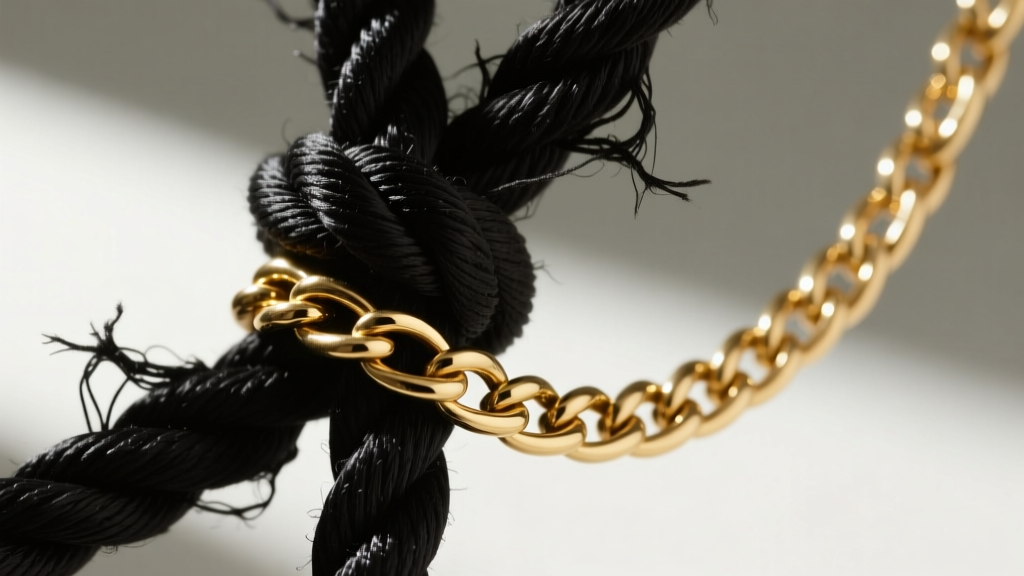
Understanding how these specific jewelry pieces fail allows you to spot poor craftsmanship before purchasing. The most common structural failures in chakra necklaces include:
- Wire-Wrap Fatigue: Artisans often use 24-gauge or 26-gauge dead-soft wire to wrap stones. If the wire is too thin, the weight of the stone will slowly bend the wire open at the bail, causing the pendant to detach. A minimum of 20-gauge half-hard wire is recommended for structural wraps on heavy stones like jasper or carnelian.
- Adhesive Degradation: In mass-produced necklaces, stones are often glued into base-metal bezels using cyanoacrylate (super glue) or cheap epoxy. These adhesives become brittle over time and fail when exposed to the heat and oils of human skin. Always look for mechanically set stones (prong, bezel, or wire-wrapped) rather than glued cabochons.
- Clasp Spring Failure: Standard lobster clasps on cheap chains utilize weak internal springs that snap under the pendulum-like swinging motion of a heavy seven-stone pendant. Upgrading to a magnetic neodymium clasp or a heavy-duty trigger clasp significantly extends the lifespan of the piece.
Expert Verdict: Building a Long-Lasting Chakra Piece
A high-quality chakra necklace is an intersection of gemological science and metallurgical engineering. To ensure your piece lasts a lifetime, demand transparency in materials. Verify that soft, porous stones like turquoise and lapis lazuli are either professionally stabilized or backed with a protective setting that limits skin contact. Avoid dyed howlite at all costs, as it compromises both the aesthetic longevity and the energetic authenticity of the piece. Finally, pair your genuine stones with a 14k gold-filled chain or a high-tensile braided nylon cord, ensuring the suspension system is as resilient as the spiritual intentions behind the jewelry.


