Chandelier Necklace Value Guide: Budget vs Luxury 2026
Discover the true value of a chandelier necklace in 2026. Compare budget, mid-tier, and luxury pricing, materials, and cost-per-wear frameworks.

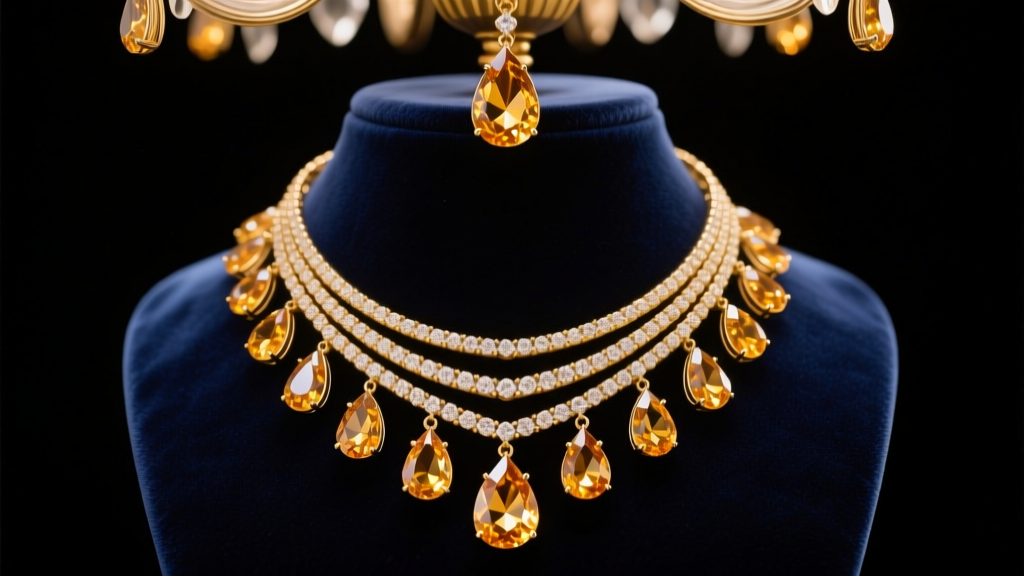
The architectural complexity of a chandelier necklace demands rigorous structural engineering, making it one of the most challenging jewelry categories to evaluate for true value. Unlike a simple solitaire pendant, a chandelier piece features multi-tiered drops, articulated links, and a high center of gravity. In 2026, the market is flooded with visually similar pieces ranging from $30 to over $5,000, leaving buyers to wonder where the money actually goes. This guide deconstructs the chandelier necklace from a budget and value assessment perspective, analyzing material grades, structural failure modes, and cost-per-wear frameworks to help you make an informed investment.
The Structural Anatomy: Where the Money Goes
When assessing the value of a chandelier necklace, you must look beyond the surface sparkle and evaluate the suspension system. The 'suspension system' refers to the chain, the distributor bar (the horizontal element that spreads the drops), and the articulated jump rings connecting the gemstones.
In luxury tiers, these connections are meticulously soldered or crafted from solid, heavy-gauge wire to withstand the dynamic leverage created when the wearer moves. Budget manufacturers often rely on unsoldered, thin-gauge jump rings. Over time, the weight of the dangling elements pulls these rings apart, leading to lost gemstones and structural collapse. Furthermore, the distributor bar in high-value pieces is cast or forged from solid metal, whereas budget pieces often use hollow-stamped base metals that dent easily and fail to support the weight of the drops.
Articulation and Link Integrity
True articulation allows the necklace to drape fluidly across the collarbone without kinking. High-end chandelier necklaces utilize bespoke hinges or micro-link chains between tiers. According to the Federal Trade Commission Jewelry Guides, manufacturers must accurately disclose the base metal and plating thickness, which directly impacts the longevity of these micro-links. If the links are merely flash-plated brass, the friction of movement will wear the plating down to the base metal within months.
2026 Price Tier Breakdown and Material Grades
To accurately assess value, we must segment the market into three distinct tiers based on materials, gemstone quality, and manufacturing techniques.
| Tier | Price Range (2026) | Base Metal & Finish | Gemstones & Drops | Hardware & Clasps |
|---|---|---|---|---|
| Budget | $30 - $120 | Brass or Zinc alloy; Flash gold/silver plating (<0.5 microns) | Acrylic, resin, or low-grade glass (Mohs 5-6) | 5mm Spring ring clasps; unsoldered thin jump rings |
| Mid-Tier | $120 - $600 | 925 Sterling Silver; Gold Vermeil (2.5+ microns over silver) | AAA Cubic Zirconia, Lab Moissanite, or genuine semi-precious (Amethyst, Topaz) | 10-12mm Lobster clasps; soldered structural links |
| Luxury | $600 - $5,000+ | Solid 14k/18k Gold, Platinum, or Palladium | Natural Diamonds, Sapphires, high-grade Tourmaline (Mohs 8+) | Box clasps with figure-8 safeties; bespoke hinges |
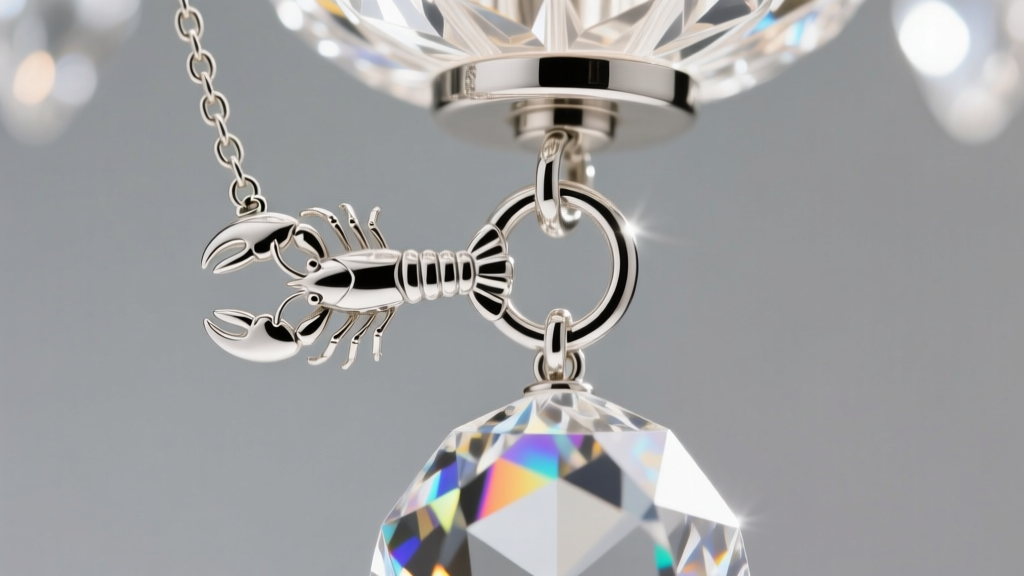
The mid-tier represents the 'sweet spot' for value in 2026. Gold vermeil, which requires a minimum of 2.5 microns of gold over sterling silver, offers the visual warmth of solid gold with a fraction of the cost, provided the piece is not worn in high-friction environments. The Gemological Institute of America (GIA) notes that lab-created stones like moissanite (Mohs 9.25) offer exceptional scratch resistance, which is vital for chandelier designs where multiple drops constantly collide and rub against one another.
Failure Modes: Why Budget Chandelier Necklaces Break
Understanding how a necklace fails is the cornerstone of value assessment. Budget chandelier necklaces suffer from three primary failure modes that render them disposable rather than enduring:
- The Drop Snag (Tensile Failure): A fully loaded chandelier necklace can weigh between 40g and 80g. Budget brands often pair these heavy pendants with thin, 0.8mm hollow-cable chains to save on material costs. The tensile strength of a 0.8mm brass chain is vastly insufficient for a 50g dynamic load, leading to chain stretching and eventual snapping at the clasp loop.
- Clasp Deformation: A standard 5mm spring ring clasp relies on a tiny internal wire spring. Under the swinging leverage of a chandelier drop, the clasp housing deforms, causing the mechanism to jam open or fail to close securely. A proper value piece requires a minimum 12mm lobster clasp or a locking box clasp.
- Clouding and Micro-Abrasion: When glass or acrylic drops strike each other during wear, they develop micro-abrasions. Within a year, the 'sparkle' is replaced by a cloudy, scratched surface. High-value pieces use harder materials or space the drops with micro-beads to prevent direct stone-on-stone contact.
Value Assessment: The Cost-Per-Wear Framework
To determine if a chandelier necklace is 'worth it,' apply the Cost-Per-Wear (CPW) framework based on your intended use case. The value proposition shifts dramatically depending on the occasion.
Bridal and Black-Tie Gala (Low Frequency, High Impact)
If the necklace is intended for a single bridal event or annual galas, the mid-tier ($200-$400) offers the highest ROI. You are paying for the visual impact and structural integrity for a few dozen wears. Spending $2,000 on a solid gold piece that will sit in a safe for 350 days a year yields a poor CPW, whereas a $250 sterling silver and lab-grown sapphire piece delivers maximum aesthetic value.
Theatrical and Performance Wear (High Frequency, High Stress)
For performers, dancers, or those wearing the piece in high-movement environments, structural integrity trumps material purity. In this scenario, a solid 14k gold chain with a simplified, lower-carat diamond or moissanite drop configuration is worth the premium. The solid chain will withstand the kinetic stress of performance, whereas vermeil or plated chains will degrade rapidly under sweat and friction.
Expert Insight: Never evaluate a chandelier necklace solely by its total carat weight. A 5-carat total weight (TCW) diamond chandelier necklace with poor articulation and weak jump rings is a liability, not an asset. The engineering of the suspension system is equally as valuable as the gemstones it holds.
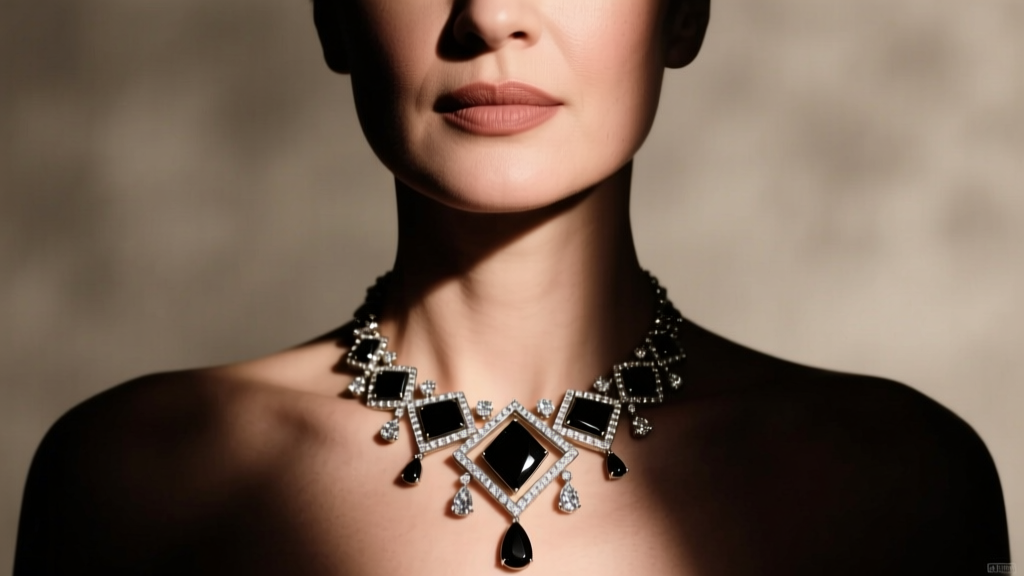
Evaluating Vintage and Estate Chandelier Pieces
The secondary market offers exceptional value for chandelier necklaces, particularly those from the Art Deco (1920s-1930s) and Retro (1940s) periods. However, assessing vintage value requires a different lens. When evaluating an estate piece, inspect the 'patina of wear' on the distributor bar and the top bail. If the metal is heavily worn or shows a different color beneath the surface, it is likely gold-plated base metal rather than solid gold.
Additionally, check the crystal clarity. Vintage pieces featuring original Swarovski Elements or hand-cut rock crystal hold their value significantly better than those with early molded glass, which often contains internal bubbles and seam lines. A well-preserved vintage chandelier necklace with original hardware and intact foil-backing on the stones can offer a 30% to 50% discount compared to a modern luxury equivalent, while delivering unparalleled historical craftsmanship.
Final Verdict on Maximizing ROI
Ultimately, the value of a chandelier necklace in 2026 is dictated by the harmony between its weight, its hardware, and its materials. Avoid the budget tier entirely; the structural compromises make them a sunk cost. Target the mid-tier for event-specific statement pieces, ensuring the presence of gold vermeil and soldered links. Reserve the luxury tier for heirloom-quality investments featuring solid precious metals and high-hardness gemstones. By prioritizing structural engineering over sheer stone size, you secure a piece that not only dazzles but endures.


