Channel Necklace Value Guide 2026: Are They Worth It?
Assess the true value of a channel necklace in 2026. Discover pricing tiers, ideal diamond clarity grades, and metal weight tips for smart buyers.

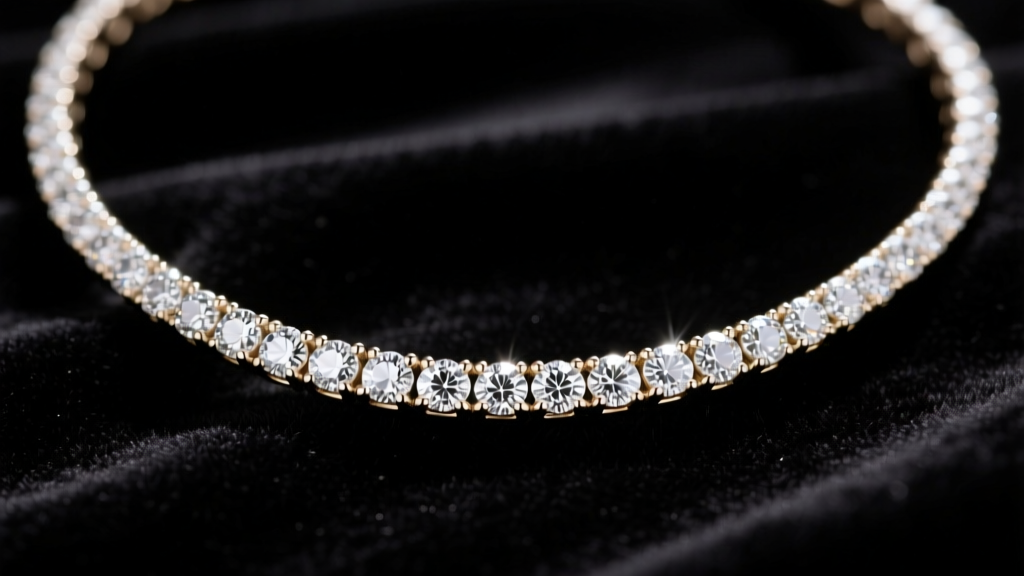
When evaluating fine jewelry, the channel necklace stands out as a masterclass in combining sleek aesthetics with structural security. Unlike traditional prong settings that expose the entire circumference of a gemstone, a channel setting suspends stones between two parallel walls of metal. This creates a continuous ribbon of brilliance that is highly resistant to snagging, making it a favorite for everyday wear. However, as precious metal prices and diamond markets fluctuate in 2026, buyers must look beyond the surface sparkle. Is a channel necklace a sound financial investment, or are you paying a premium for the complex labor required to set the stones? This comprehensive budget and value assessment breaks down the exact pricing tiers, metallurgical requirements, and hidden cost-saving strategies you need to know before purchasing.
The True Cost of a Channel Necklace in 2026
The price of a channel necklace is driven by three primary factors: the total carat weight of the melee diamonds, the precious metal used for the rails, and the intensive labor required to cut the seats and hammer the metal over the stones. Because channel setting requires precise calibration to ensure the metal walls apply even pressure without cracking the diamonds, manufacturing costs are inherently higher than standard prong-set tennis necklaces.
Current Market Pricing Tiers
- Entry-Level ($800 - $1,800): Typically features 10k or 14k gold with lab-grown melee diamonds or lower-tier natural diamonds (I1-I2 clarity). Total carat weight usually ranges from 2.00 to 4.00 carats. These pieces are often mass-cast, meaning the metal rails may be thin to save on gold weight.
- Mid-Tier ($2,500 - $6,000): The sweet spot for value. Expect 14k or 18k solid gold with 5.00 to 8.00 carats of eye-clean SI1-SI2 natural diamonds or premium lab-grown stones. The metalwork is substantially heavier, providing the structural integrity necessary to keep the stones secure over decades of wear.
- High-End & Luxury ($8,000 - $25,000+): Features platinum or 18k gold with VS to VVS clarity natural diamonds. These pieces are often hand-fabricated or finished by master setters, ensuring the metal channels are perfectly flush and polished to a mirror finish, maximizing light return.
Material Grades & Stone Clarity: The Smart Buyer's Advantage
One of the most significant value propositions of a channel necklace is how it interacts with the GIA diamond clarity scale. In a standard prong setting, the entire diamond is exposed, meaning edge inclusions or black carbon spots are easily visible to the naked eye. Consequently, buyers are forced to pay a premium for VS (Very Slightly Included) or higher clarity grades.
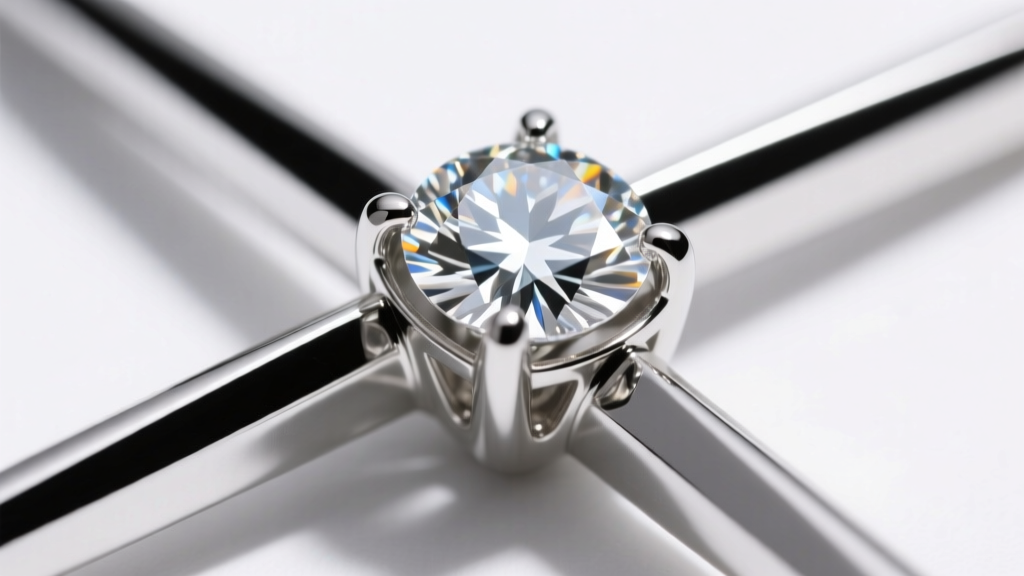
The channel setting completely changes this dynamic. Because the metal rails cover the girdle and the outer edges of the stones, inclusions located in these areas are physically hidden. Furthermore, the lack of light entering from the sides means that internal flaws are less illuminated. Budget Hack: You can confidently purchase a channel necklace featuring SI1 or even eye-clean SI2 diamonds. The setting will mask the inclusions that would normally downgrade a prong-set stone, allowing you to allocate your budget toward a higher total carat weight or a better metal grade rather than paying for invisible clarity.
Value Comparison: Prong vs. Channel Setting
| Feature | Prong-Set Tennis Necklace | Channel-Set Necklace |
|---|---|---|
| Ideal Clarity Grade | VS2 - VVS1 | SI1 - SI2 (Eye-Clean) |
| Cost per Carat (Est.) | Higher (Paying for clarity) | Lower (Clarity masked by metal) |
| Snag Resistance | Low (Prongs catch on fabric) | High (Flush metal surface) |
| Light Return / Brilliance | Maximum (360-degree exposure) | Moderate (Top-down exposure only) |
| Resale Value Retention | Moderate | Low (Extraction damages stones) |
Metallurgy and Durability: Avoiding the 'Bend and Pop' Failure Mode
A critical, often overlooked aspect of assessing a channel necklace's value is the gram weight of the precious metal. The structural integrity of the piece relies entirely on the rigidity of the metal rails. If the necklace is too light, it becomes susceptible to a catastrophic failure mode known in the industry as 'bend and pop.'
When a necklace rests on the collarbone, it is subjected to constant micro-bending as the wearer moves. If a 16-inch channel necklace weighs less than 10 grams, the metal walls lack the tensile strength to withstand this flexing. Over time, the channel warps, the walls pull apart, and the stones literally pop out of the setting. When evaluating a piece, always ask the jeweler for the exact gram weight. For a standard 16-inch channel necklace, insist on a minimum weight of 12 to 15 grams for 14k gold, and slightly more for platinum. Paying a premium for this extra metal weight is non-negotiable; it is the insurance policy that keeps your diamonds secure.
Lab-Grown vs. Natural Diamonds in Channel Settings
The proliferation of high-quality lab-grown diamonds has completely disrupted the channel necklace market in 2026. Because channel settings utilize dozens of small melee diamonds (usually ranging from 0.05 to 0.15 carats each), the cost difference between natural and lab-grown melee is staggering.
A natural diamond channel necklace with 5.00 total carats might retail for $4,500, whereas an identical piece using CVD (Chemical Vapor Deposition) lab-grown diamonds can be found for under $1,200. From a purely aesthetic and durability standpoint, lab-grown diamonds score a 10 on the Mohs hardness scale, identical to natural diamonds. If your primary goal is visual impact and everyday wearability, a lab-grown channel necklace offers an unmatched return on investment. However, if you view the necklace as a store of financial value or an heirloom asset, natural diamonds remain the requisite choice, as lab-grown melee diamonds currently hold virtually zero resale value.
Maintenance Costs and Long-Term Value Retention
Before finalizing your budget, you must factor in the long-term maintenance and eventual resale realities of channel-set jewelry. According to guidelines from Jewelers of America, proper maintenance is vital for preserving the structural integrity of complex settings.
The Cleaning Conundrum
Channel settings are notorious for trapping lotions, oils, and dead skin cells beneath the stones. Unlike prong settings where dirt can easily be brushed away, the enclosed nature of a channel requires specialized cleaning. While ultrasonic cleaners are generally safe for solid, untreated diamonds in channel settings, they can be disastrous if the necklace features fracture-filled diamonds or softer gemstones like emeralds or opals. Budget for a professional steam cleaning and structural inspection every 12 to 18 months, which typically costs between $30 and $50 at a reputable bench jeweler.
The Resale Reality
It is crucial to understand that channel necklaces suffer from poor resale value retention compared to other jewelry forms. When diamond buyers or auction houses evaluate a channel piece, they heavily discount the stones. Extracting melee diamonds from a channel setting requires cutting and prying the metal walls, a labor-intensive process that frequently chips or damages the fragile girdles of the stones. Consequently, you will likely only be offered the 'scrap' value of the gold and a fraction of the diamond's wholesale value. Buy a channel necklace for its beauty, durability, and the joy of wearing it—not as a liquid financial asset.
Final Verdict: Budgeting for Your Piece
A channel necklace is an exceptional purchase if you prioritize sleek design, snag-free wear, and structural security. To maximize your budget in 2026, target SI1/SI2 clarity grades, opt for lab-grown diamonds if heirloom resale value is not a priority, and never compromise on the gram weight of the metal. By focusing your funds on heavy, high-karat gold and accepting slightly included stones that the setting will naturally hide, you can acquire a stunning, durable piece of fine jewelry that punches far above its price class.


