How to Select and Style a Ladies Diamond Cross Necklace
Learn how to select, style, and care for a ladies diamond cross necklace. Expert tips on carat weights, chain lengths, and neckline pairings.

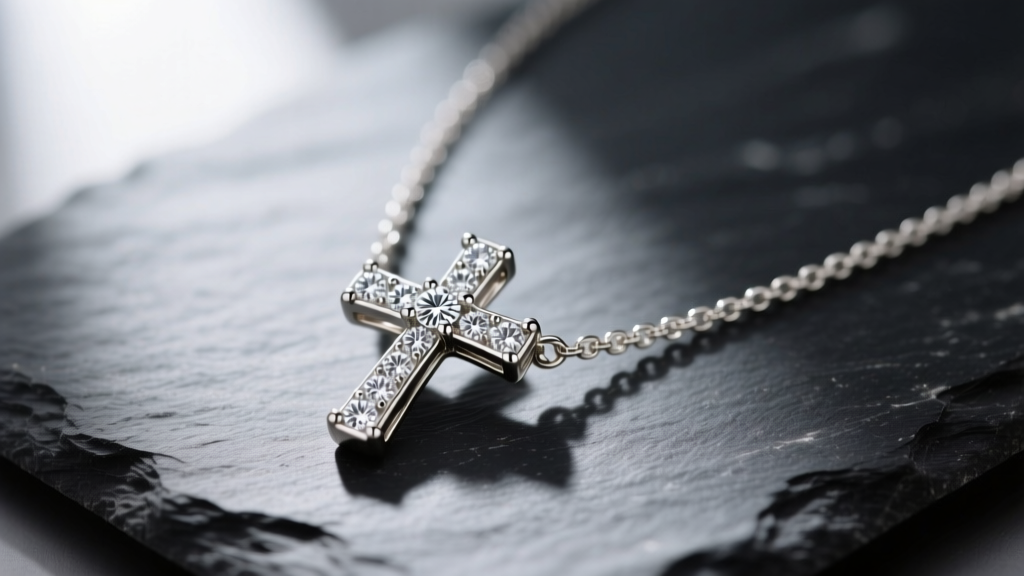
A ladies diamond cross necklace is more than just a symbol of faith or a classic fashion staple; it is a cornerstone of fine jewelry wardrobes that bridges the gap between everyday elegance and meaningful heirloom pieces. However, navigating the nuances of diamond grading, chain metallurgy, and modern styling techniques requires a discerning eye. Whether you are investing in your first piece of fine jewelry or adding to a curated collection, this step-by-step guide will walk you through the exact specifications, material grades, and styling frameworks needed to make an informed purchase in 2026.
Step 1: Decoding Diamond Quality and Carat Weight for Cross Pendants
When evaluating a diamond cross, the Total Carat Weight (TCW) and the configuration of the stones dictate both the price and the visual impact. Cross pendants typically feature either a solitaire design, a 3-stone or 5-stone configuration, or a full pave setting.
Understanding TCW and Stone Configuration
- 3-Stone or 5-Stone Crosses: A classic 5-stone cross with 0.10ct diamonds yields a 0.50ct TCW. This is the sweet spot for everyday wear, offering substantial sparkle without overwhelming the neckline. Expect to pay between $800 and $1,400 for a 14k gold setting with SI1-SI2 clarity stones.
- Pave Settings: Pave crosses feature dozens of micro-diamonds (usually 0.01ct to 0.02ct each). Because these stones are so small, color and clarity grades are less critical. According to GIA diamond grading standards, SI1 or even I1 clarity is perfectly acceptable for melee diamonds, as inclusions are completely invisible to the naked eye at this scale.
- Solitaire or Center-Stone Crosses: If the design features a single, larger diamond (e.g., a 0.50ct or 0.75ct center stone), you must prioritize higher clarity (VS1 or VS2) and color (G or H) to ensure the stone appears brilliant and eye-clean.
Prong vs. Bezel Settings
For active lifestyles, a bezel setting (where a thin rim of metal surrounds the diamond) is highly recommended. It prevents the stones from snagging on knitwear and protects the girdle from chipping. Prong settings, while allowing maximum light return and brilliance, require bi-annual professional checks to ensure the prongs haven't worn thin.
Step 2: Selecting the Ideal Chain Length, Width, and Metal
The chain is the structural backbone of your necklace. A mismatched chain can lead to tangling, premature wear, or a visually unbalanced silhouette.
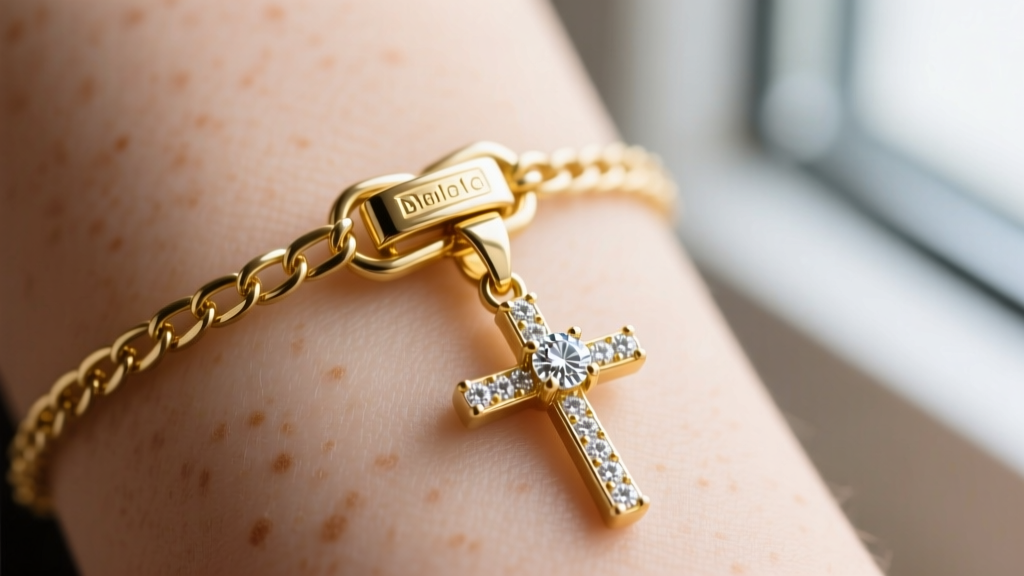
Chain Styles and Durability
Not all chains are created equal. When suspending a diamond cross pendant, kinetic movement and friction are your biggest enemies.
| Chain Style | Durability | Best For |
|---|---|---|
| Box Chain | High | Heavier pendants (0.75ct+ TCW). The square links resist kinking and distribute weight evenly. |
| Cable Chain | Medium | Lightweight, delicate crosses. Classic look but prone to tangling if stored improperly. |
| Rope Chain | High | Textured, vintage-inspired looks. Can sometimes overpower very small, delicate diamond crosses. |
| Serpentine/Snake | Low | Avoid for pendants. The smooth surface causes the pendant bail to wear down the metal over time. |
Metal Alloys: 14k vs. 18k vs. Platinum
While 18k gold (75% pure gold) offers a richer, warmer hue, it is softer and more prone to scratching. For a daily-wear ladies diamond cross necklace, 14k gold (58.5% pure gold) is the industry standard for durability. If you have nickel allergies or prefer a naturally white metal that never requires rhodium plating, opt for 950 Platinum. Platinum is denser and heavier, providing a secure grip on diamond prongs, though it comes at a 30-50% price premium over white gold.
Step 3: Verifying Hallmarks and Authenticity
Before finalizing any purchase, inspect the clasp or the bail of the pendant for official hallmarks. The FTC Jewelry Guides strictly regulate metal stamping in the United States. Look for '14K', '585' (the European equivalent for 14k), '18K', '750', or 'PT950'. Additionally, reputable manufacturers will stamp their maker's mark or trademark next to the purity stamp, ensuring accountability for the metallurgy and diamond sourcing.
Step 4: Matching Your Cross Necklace to Necklines and Occasions
The visual impact of your diamond cross relies heavily on the chain length and the neckline of your garment. Here is a practical framework for styling:
The Everyday Office Look (Crew and Boat Necks)
For higher necklines, opt for an 18-inch or 20-inch chain. This allows the diamond cross to rest gracefully on the fabric rather than getting lost beneath the collar. A 0.50ct TCW cross on a 1.2mm 14k white gold box chain provides a subtle, professional gleam that catches overhead office lighting without appearing ostentatious.
Formal and Evening Wear (V-Necks and Scoop Necks)
When wearing a V-neck or a deep scoop, a 16-inch or 18-inch chain is ideal. The pendant should sit roughly one inch above the apex of the V-neckline, drawing the eye upward and framing the face. For evening events, consider a cross with a halo setting or a higher TCW (1.00ct+) to maximize light performance in dim, ambient lighting.
Step 5: Layering Techniques for a Modern Aesthetic
The single-pendant look is timeless, but layering has become a dominant trend in fine jewelry styling. To layer a ladies diamond cross necklace without creating a tangled mess, follow the 'Two-Inch Rule'.

The Two-Inch Rule for Layering
Always maintain at least a two-inch difference between the lengths of your layered chains.
- Base Layer (14 inches): A simple gold choker or a delicate pearl strand that sits snugly at the base of the throat.
- Focal Layer (16 inches): Your diamond cross pendant. This sits perfectly on the collarbone.
- Anchor Layer (18 or 20 inches): A heavier chain, such as a 3mm gold paperclip chain or a pendant featuring a larger, non-diamond medallion (like mother-of-pearl or onyx) to ground the stack.
Pro-Tip: Use a 'necklace spacer' or a layered clasp attachment to keep the chains parallel and prevent the diamond cross bail from sliding over and scratching the adjacent chains.
Step 6: Maintenance, Cleaning, and Prong Checks
Diamonds are lipophilic, meaning they attract oils from your skin, lotions, and cosmetics. This oil buildup creates a film that drastically reduces the stone's brilliance.
Safe At-Home Cleaning
According to Jewelers of America care guidelines, the safest way to clean your diamond cross at home is to soak it in a bowl of warm water with a few drops of mild, ammonia-free dish soap for 20 minutes. Gently scrub the back of the diamonds (the pavilion) with a soft-bristled baby toothbrush to dislodge trapped debris. Rinse with lukewarm water and pat dry with a lint-free microfiber cloth.
The Ultrasonic Warning
While ultrasonic cleaners are excellent for solid metal jewelry, they should be used with extreme caution on pave diamond crosses. The high-frequency vibrations can loosen the tiny beads or micro-prongs holding the melee diamonds in place, leading to lost stones. Stick to manual cleaning for pave settings, and reserve ultrasonic machines for solid, bezel-set solitaire pieces.
Quick Reference: Diamond Cross Pendant Buying Matrix
| Budget Tier | Estimated Price (2026) | TCW & Clarity | Metal & Chain | Best Use Case |
|---|---|---|---|---|
| Entry | $400 - $700 | 0.15ct - 0.25ct (I1-I2) | 10k or 14k Gold, 1.0mm Cable | First communion, teen gifts, subtle everyday layering. |
| Core | $800 - $1,800 | 0.50ct - 0.75ct (SI1-SI2) | 14k Gold, 1.2mm Box Chain | Daily wear, office styling, milestone birthdays. |
| Premium | $2,500 - $5,000+ | 1.00ct - 2.00ct (VS1-VS2) | 18k Gold or Platinum, 1.5mm Box | Anniversaries, formal events, standalone statement piece. |
Final Thoughts on Your Investment
Selecting the right ladies diamond cross necklace is an exercise in balancing structural integrity with personal aesthetics. By prioritizing a durable box chain, understanding the acceptable clarity grades for melee versus solitaire diamonds, and adhering to proper layering and maintenance protocols, you ensure that your pendant remains a brilliant, snag-free staple in your jewelry wardrobe for decades to come. Always purchase from jewelers who provide transparent grading reports and clear hallmark stamping, guaranteeing that your symbol of faith and style is built on a foundation of uncompromising quality.


