Expert Care and Cleaning Tips for BFF Necklaces for 3
Discover expert care, cleaning, and maintenance tips to keep your matching BFF necklaces for 3 shining bright. Learn material-specific tricks today!


Matching jewelry is a profound way to celebrate a trio's unbreakable bond, but maintaining the pristine condition of BFF necklaces for 3 requires more than just an occasional wipe-down. Whether your trio chose interlocking puzzle hearts, fragmented stars, or three-piece interlocking rings, these sentimental pieces face unique structural and environmental vulnerabilities. Because they are often worn daily and feature intricate seams where dirt accumulates, a specialized care regimen is essential.
In this comprehensive guide, we break down the exact material science, cleaning protocols, and storage frameworks needed to protect your trio's matching necklaces from tarnish, chain tangling, and structural fatigue.
Understanding the Vulnerabilities of Trio Necklaces
Unlike standard solitaire pendants, BFF necklaces for 3 feature complex geometries. Puzzle-piece pendants, for example, have deep, recessed seams that trap dead skin cells, lotions, and environmental dust. Furthermore, the chains used for these delicate pendants are typically lightweight—often 0.8mm to 1.2mm cable or rope chains—which are highly susceptible to kinking and tangling when three of them are stored together.
The jump rings connecting the pendant to the chain are usually 20-gauge or 22-gauge. While sufficient for light pendants, these thin wire loops can warp or pull open if snagged on clothing, leading to lost pieces. Understanding these physical traits is the first step in establishing a proper maintenance routine.
Material-Specific Cleaning Protocols
Not all metals react the same way to cleaning agents. Using the wrong solution can strip plating or accelerate oxidation. Below is a diagnostic matrix to help you identify your necklace's material and apply the correct care protocol.
| Material Type | Base Composition | Recommended Cleaning Agent | Critical Warnings |
|---|---|---|---|
| 925 Sterling Silver | 92.5% Silver, 7.5% Copper | Specialized silver polish, baking soda paste | Avoid chlorine and salt water; copper alloy causes tarnish. |
| 18k Gold Vermeil | Sterling Silver base, 2.5+ microns gold | pH-neutral dish soap, distilled water | Never use ultrasonic cleaners or abrasive polishing cloths. |
| 316L Stainless Steel | Iron, Chromium, Nickel, Molybdenum | Mild glass cleaner or soap/water | Highly durable, but can scratch if rubbed with diamond files. |
| Enamel Accents | Fused glass powder over brass/silver | Damp microfiber cloth only | Never submerge; prolonged water exposure lifts enamel glue. |
The 5-Step Deep Cleaning Method
For a thorough restoration of your necklaces' brilliance, follow this Gemological Institute of America (GIA) aligned deep-cleaning framework. This method is safe for solid gold, sterling silver, and stainless steel.
- Prep the Solution: Mix three drops of pH-neutral, phosphate-free dish soap into a bowl of lukewarm distilled water. Avoid tap water, as trace minerals can leave microscopic hard-water spots on polished metals.
- Controlled Soak: Submerge the necklaces for exactly 3 to 5 minutes. This loosens sebum and cosmetic residue trapped in the puzzle seams without risking prolonged moisture exposure to jump rings.
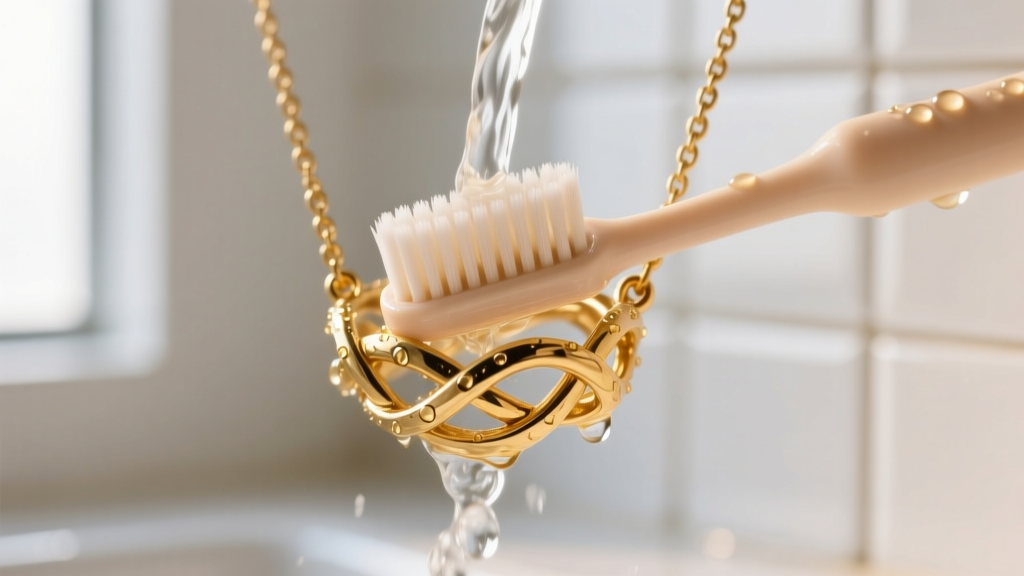
- Targeted Agitation: Use an extra-soft baby toothbrush (bristle diameter under 0.1mm) to gently sweep the crevices of the pendants. Brush in a single direction to avoid pushing debris deeper into the seams.
- Distilled Rinse: Rinse the pieces under a gentle stream of distilled water to wash away suspended dirt and soap suds.
- Capillary Drying: Pat dry with a lint-free microfiber cloth. Use a wooden toothpick wrapped in a thin tissue to wick moisture out of the deepest pendant grooves.
Dealing with Stubborn Tarnish on Silver Puzzle Pieces
If your sterling silver BFF necklaces for 3 have developed heavy black or yellow oxidation, mechanical polishing can wear down the intricate edges of the puzzle pieces. Instead, utilize an electrochemical reaction. Line a glass bowl with aluminum foil (shiny side up), add one tablespoon of baking soda and one tablespoon of sea salt, and pour in boiling water. Submerge the silver necklaces for 60 seconds. The sulfur atoms causing the tarnish will transfer from the silver to the aluminum foil, leaving your pendants brilliantly restored without any abrasive friction.
Tackling the Chain Tangling Nightmare
When three friends get together, taking off three delicate chains often results in a frustrating, knotted mess. According to Jewelers of America, forcing a knot tight can permanently weaken the structural integrity of an 0.8mm chain link.
"Never pull a knotted chain. The tensile strength of a delicate cable chain is easily compromised by lateral pressure, leading to micro-fractures in the soldered links."
The Baby Powder Trick: Lay the tangled chains flat on a hard surface. Sprinkle a generous amount of talc-free baby powder or cornstarch over the knot. The powder acts as a dry lubricant, reducing the friction coefficient between the metal links. Use two sewing needles to gently tease the center of the knot outward until it slides apart effortlessly.
Proper Storage to Prevent Scratching and Oxidation
How you store your BFF necklaces for 3 when they are not being worn dictates their lifespan. Storing all three pieces in a single communal jewelry box drawer is a recipe for scratched pendants and oxidized chains.
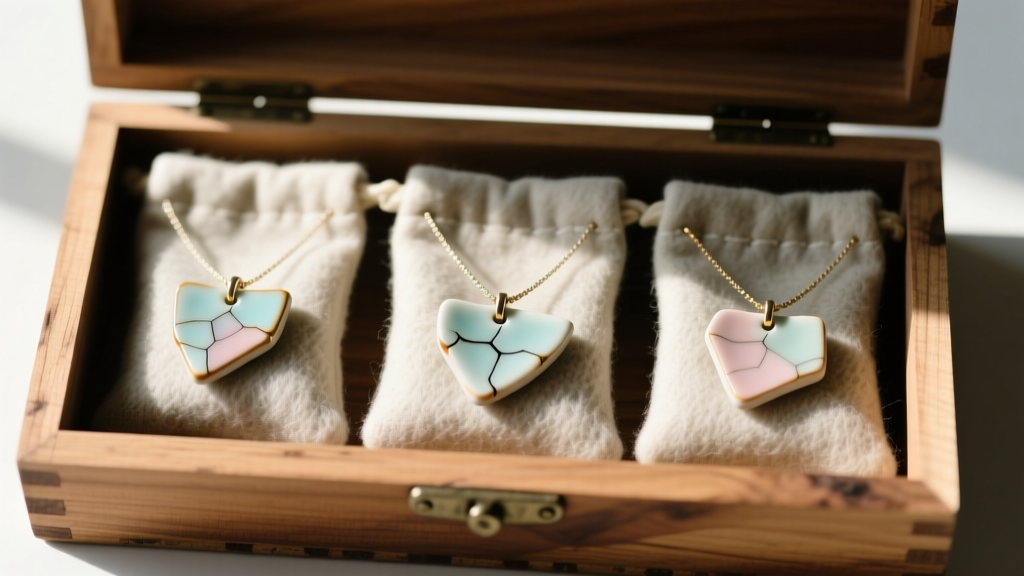
- Individual Pouches: Each necklace must be stored in its own anti-tarnish flannel pouch. Flannel is treated with silver sulfide inhibitors that actively pull corrosive gases away from the metal.
- The Straw Trick for Storage: To prevent chains from tangling while in their pouches, unclasp the necklace, thread one end through a small plastic or silicone straw, and re-clasp it. This keeps the chain rigid and entirely tangle-free.
- Silica Gel Packets: Drop a small, fresh silica gel packet into your jewelry box to maintain a low-humidity environment, drastically slowing down the copper-oxidation process in sterling silver.
When to Seek Professional Maintenance
While at-home care handles daily grime and light tarnish, structural and chemical degradation requires a professional bench jeweler. You should take your trio's necklaces to a jeweler if you notice:
- Vermeil Fading: If the gold plating on your vermeil necklaces has worn down to the silver base (usually occurring after 1-2 years of daily wear), a jeweler can re-plate them with a fresh 2.5-micron layer of 18k gold.
- Jump Ring Gapping: If the loop connecting the pendant to the chain shows a visible gap, it must be soldered shut. Continuing to wear it risks the pendant slipping off and being lost forever.
- Enamel Chipping: If your puzzle pieces feature colored enamel that has cracked or lifted, a jeweler can carefully remove the damaged glass and fire a new layer of vitreous enamel to match the original color.
By treating your BFF necklaces for 3 with the material-specific respect they deserve, you ensure that the physical symbol of your friendship remains as vibrant and intact as the bond it represents.