The Rebecca Collins Necklace: A Beginner's Style Guide
Discover the anatomy of a Rebecca Collins necklace. This beginner guide covers vintage aesthetics, gold purity, gemstone choices, and chain sizing.

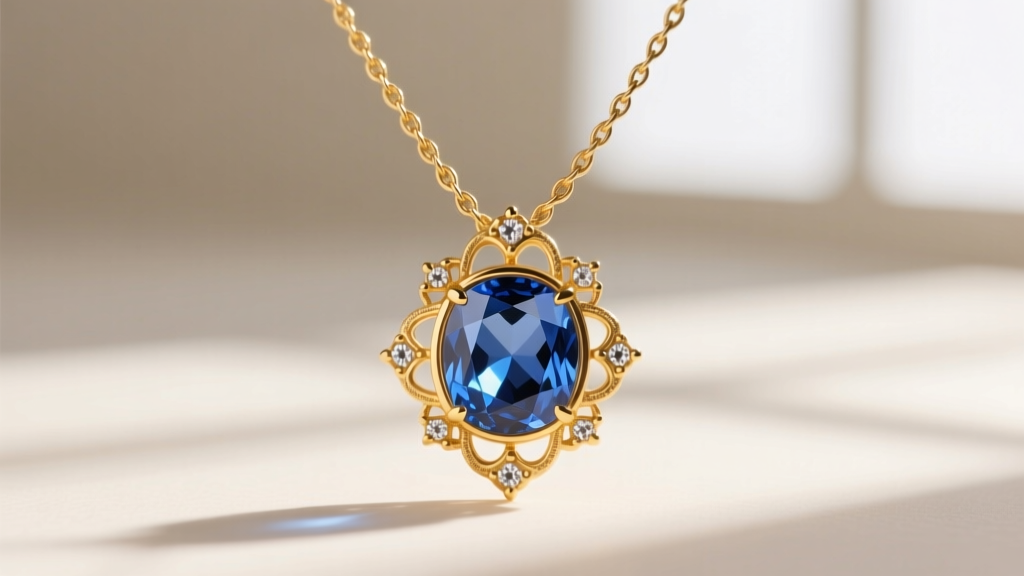
The modern jewelry landscape has seen a massive pivot toward bespoke, artisan-crafted pieces that tell a story, and the neo-vintage movement is at the absolute forefront of this shift. Among the most highly sought-after aesthetics in this space is the Rebecca Collins necklace. Known for merging historical design motifs with modern ethical sourcing, these pieces have become a staple for collectors and everyday wearers alike. However, for beginners stepping into the world of artisan jewelry, understanding the nuances of gold purity, gemstone inclusions, and chain gauges can feel overwhelming.
This comprehensive beginner’s explainer will deconstruct the anatomy of a Rebecca Collins necklace. We will explore the specific metallurgical choices, the gemological grading of unconventional stones, and the precise chain mechanics that make these pieces both beautiful and durable. Whether you are looking to invest in your first bespoke pendant or simply want to understand the craftsmanship behind the trend, this guide provides the actionable framework you need.
Decoding the Signature Neo-Vintage Aesthetic
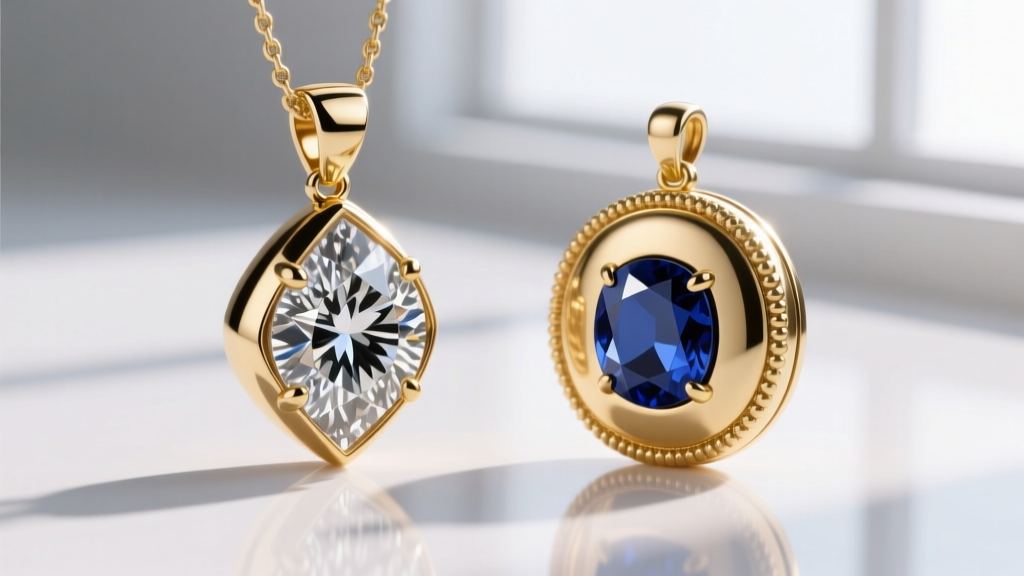
To truly appreciate a Rebecca Collins necklace, you must first understand the design language that defines it. Unlike mass-produced commercial jewelry that relies on high-polish finishes and brilliant-cut stones, this aesthetic leans heavily into texture, history, and organic imperfection. The hallmark of this style is the use of milgrain detailing—a technique where tiny beads of metal are applied to the edges of a bezel setting using a specialized knurling tool. This creates a delicate, lace-like border that catches the light and mimics Victorian and Edwardian-era craftsmanship.
Furthermore, the bezel setting itself is a critical structural and aesthetic choice. Rather than using prongs, which can snag on clothing and require annual maintenance, a bezel encircles the entire girdle of the gemstone with a continuous ribbon of gold. This not only secures fragile stones like opals or emeralds but also provides a smooth, modern silhouette that contrasts beautifully with the antique-inspired milgrain edges.
Material Breakdown: Gold Purity and Gemstone Grading
When investing in artisan jewelry, you are paying for the raw materials and the specialized labor. Understanding what goes into the alloy and the stones is crucial for assessing value. A standard Rebecca Collins necklace typically utilizes recycled gold, but the purity level drastically alters the color, weight, and price of the piece.
14k vs. 18k Recycled Gold
Gold in its pure state (24k) is too soft for everyday jewelry. Therefore, it is alloyed with metals like copper, silver, and zinc. 14k gold contains 58.5% pure gold, making it highly durable, scratch-resistant, and slightly paler. 18k gold contains 75% pure gold, offering a richer, deeper yellow hue and a heavier, more luxurious drape, though it is more prone to micro-scratching. For pendants that experience less friction than rings, 18k is often the preferred choice for its saturated color.
The Rise of Salt-and-Pepper Diamonds
Instead of traditional flawless diamonds, this aesthetic frequently features salt-and-pepper diamonds. According to the GIA's diamond clarity scale, these stones typically fall into the I1 to I3 (Included) categories due to their heavy concentration of black carbon and white crystal inclusions. However, in the artisan market, these inclusions are celebrated for creating a unique, galaxy-like landscape within the stone. Because they are not graded on traditional brilliance, they are often cut into rose cuts—a flat-bottomed, domed shape with triangular facets that maximizes the stone's unique internal patterns rather than its light return.
| Component | Artisan Standard (Rebecca Collins Style) | Commercial Alternative |
|---|---|---|
| Gold Purity | 18k Recycled Yellow Gold (75% Au) | 10k or 14k Standard Alloy |
| Stone Cut | Rose-Cut or Cabochon | Brilliant Round or Princess |
| Setting Style | Bezel with Milgrain Edging | 4-Prong or 6-Prong Tiffany |
| Diamond Clarity | I1-I3 (Salt & Pepper / Included) | VS1 - SI1 (Eye Clean) |
Chain Selection: Gauge, Width, and Clasp Mechanics
A pendant is only as good as the chain that holds it. Beginners often overlook the chain, focusing entirely on the centerpiece, but the chain dictates the necklace's durability, drape, and comfort. The quintessential Rebecca Collins necklace relies on a delicate but structurally sound cable chain.
- Wire Gauge and Width: The ideal chain for a 2-gram to 5-gram pendant is a 1.2mm cable chain, which typically corresponds to an 18-gauge or 19-gauge wire thickness. This provides enough tensile strength to support the weight of a solid gold bezel pendant without snapping under minor tension.
- Clasp Hardware: Mass-market chains use flimsy 3mm spring rings that are difficult to operate and prone to failing. Artisan pieces upgrade to a 5mm or 6mm lobster clasp, often custom-stamped with the maker's mark. The lobster clasp's internal spring mechanism is housed in a solid cast body, ensuring the gate closes flush and securely.
- The Jump Ring and Bail: The connection point between the chain and the pendant is critical. Look for a soldered jump ring (where the gap is welded shut) rather than an open one, which can be pulled apart by the weight of the pendant over time.
Sizing and Layering Framework for Beginners
Choosing the right length is essential for how the pendant interacts with your neckline. Here is a practical framework for sizing your necklace based on standard anatomical landmarks:
- 16-Inch (Choker/Collar): Sits tightly at the base of the neck, right above the clavicles. Best for smaller, minimalist pendants (under 10mm) and open-neck blouses.
- 18-Inch (Princess): The industry standard. It rests perfectly on the collarbone, allowing a 15mm-20mm pendant to sit in the suprasternal notch (the hollow of the throat). This is the most versatile length for everyday wear.
- 20 to 22-Inch (Matinee): Drops below the collarbone and onto the upper chest. Ideal for heavier, larger lockets or when layering over turtlenecks and thick winter knits.
When layering, always maintain a minimum 2-inch gap between chains to prevent the gold links from grinding against one another, which accelerates wear and tear on the softer 18k alloys.
Authentication, Hallmarks, and Long-Term Care
Because the neo-vintage market is saturated with mass-produced imitations, knowing how to authenticate your piece is vital. A genuine artisan necklace will feature laser-engraved or stamped hallmarks on the clasp tag and the pendant bail. You should look for the metal purity stamp (e.g., '18k' or '750') and the maker's unique trademark stamp.
Proper maintenance ensures the longevity of both the metal and the unconventional stones often used in these designs. According to the Jewelers of America care guidelines, you must be exceptionally careful with porous or included stones. While ultrasonic cleaners are excellent for plain gold chains, the high-frequency vibrations can easily fracture a salt-and-pepper diamond along its internal fault lines or shatter a rose-cut sapphire.
The Safe Cleaning Protocol:
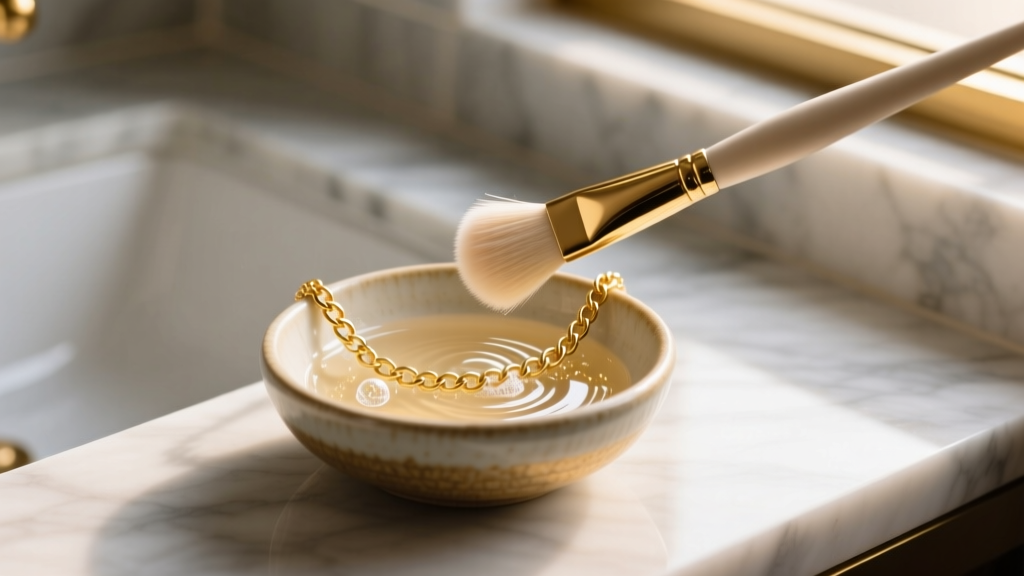
- Mix a few drops of mild, phosphate-free dish soap into a bowl of lukewarm (never hot) water.
- Submerge the necklace for 3 to 5 minutes to loosen body oils and lotions.
- Use a baby-soft toothbrush or a specialized jewelry brush to gently sweep behind the bezel setting, where dust accumulates and dulls the stone's transparency.
- Rinse under a gentle stream of tepid water over a plugged sink, and pat dry with a lint-free microfiber cloth.
Final Thoughts on Investing in Artisan Craftsmanship
Understanding the anatomy of a Rebecca Collins necklace transforms you from a passive consumer into an informed collector. By paying attention to the milgrain detailing, the structural integrity of the bezel settings, the specific gauge of the chain, and the unique beauty of included gemstones, you can confidently navigate the artisan jewelry market. These pieces are not merely accessories; they are wearable artifacts that blend historical reverence with modern, ethical craftsmanship, designed to be passed down through generations.


