Learning From Maupassant The Necklace: Authentic Jewelry Gift Guide
Avoid the tragic mistakes of Maupassant's The Necklace. Learn how to match authentic jewelry materials to occasions for perfect gifting.

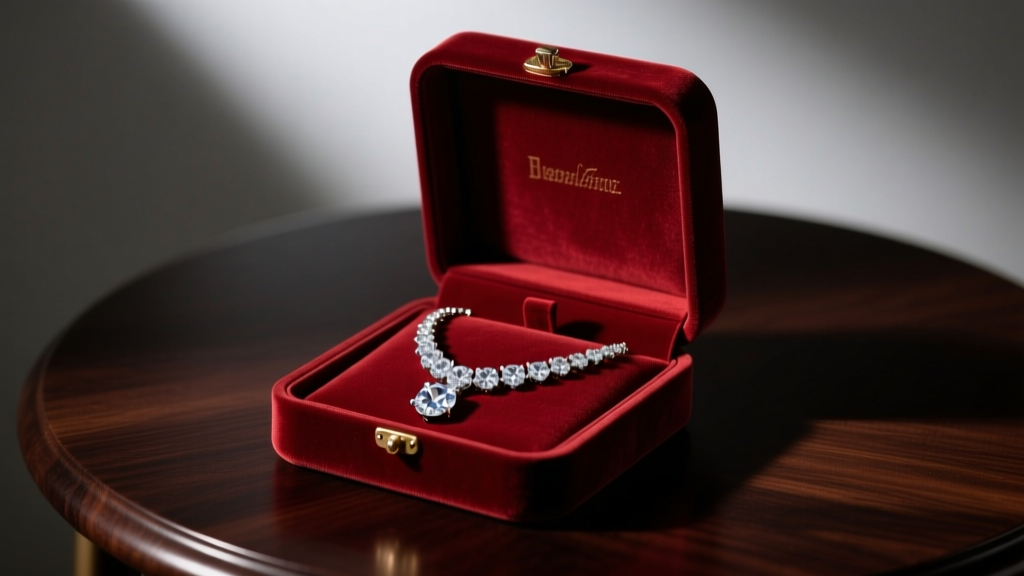
In Guy de Maupassant’s classic 1884 short story “The Necklace”, the protagonist Mathilde Loisel borrows what she believes to be a breathtaking diamond necklace for a high-society ball. After losing it, she and her husband plunge into a decade of grueling poverty to replace it with a genuine diamond piece costing 36,000 francs. The story’s infamous twist ending reveals that the original borrowed necklace was merely “paste”—fake glass crystal worth at most 500 francs. Mathilde’s tragedy was not just her vanity, but her profound material illiteracy. She could not distinguish intrinsic value from perceived prestige.
As we navigate the jewelry market in 2026, the lesson of Maupassant’s “The Necklace” remains remarkably relevant for anyone purchasing a gift. The modern jewelry landscape is flooded with marketing terms designed to blur the lines between solid precious metals and fleeting flash-plating, or between natural carbon crystals and synthetic simulants. Gifting jewelry should be an exercise in intentionality, material honesty, and occasion-matching. This guide will teach you how to avoid the modern “paste” trap, understand exact metallurgical grades, and select a necklace or pendant that holds true, enduring value for your specific recipient.
The Material Reality: Gold Vermeil vs. Flash Plating
When gifting gold-toned necklaces, the terminology on the box can be deeply misleading. To avoid gifting a piece that will tarnish and turn the wearer’s skin green within months, you must understand the Federal Trade Commission’s guidelines on precious metal marketing.
- Gold Plated (The Modern Paste): Standard gold-plated jewelry typically features a base of brass or copper coated with a microscopic “flash” of gold, often measuring less than 0.5 microns thick. This layer wears away rapidly with friction and exposure to skin oils. Gifting this for a major milestone is the modern equivalent of Madame Forestier’s paste necklace.
- Gold Vermeil (The Accessible Luxury): For a piece to be legally classified as vermeil, it must have a solid sterling silver (925) base and be plated with a minimum of 2.5 microns of 10k, 14k, or 18k gold. This thickness provides years of wear and is an exceptional, honest choice for graduations, milestone birthdays, and professional achievements.
- Solid Gold (The Heirloom): Ranging from 10k (41.7% pure) to 18k (75% pure), solid gold necklaces are alloyed with metals like copper or zinc for durability. They will never tarnish through and can be polished indefinitely. This is the mandatory standard for weddings, major anniversaries, and generational gifting.
Stone Selection: Diamonds, Lab-Grown, and Moissanite
If your occasion calls for a diamond pendant, the 2026 market offers incredible alternatives that prevent the financial ruin Mathilde Loisel faced, without sacrificing optical beauty or chemical authenticity. According to the Gemological Institute of America (GIA), lab-grown diamonds are not simulants; they possess the exact same pure carbon crystal lattice, hardness (10 on the Mohs scale), and thermal conductivity as mined diamonds.
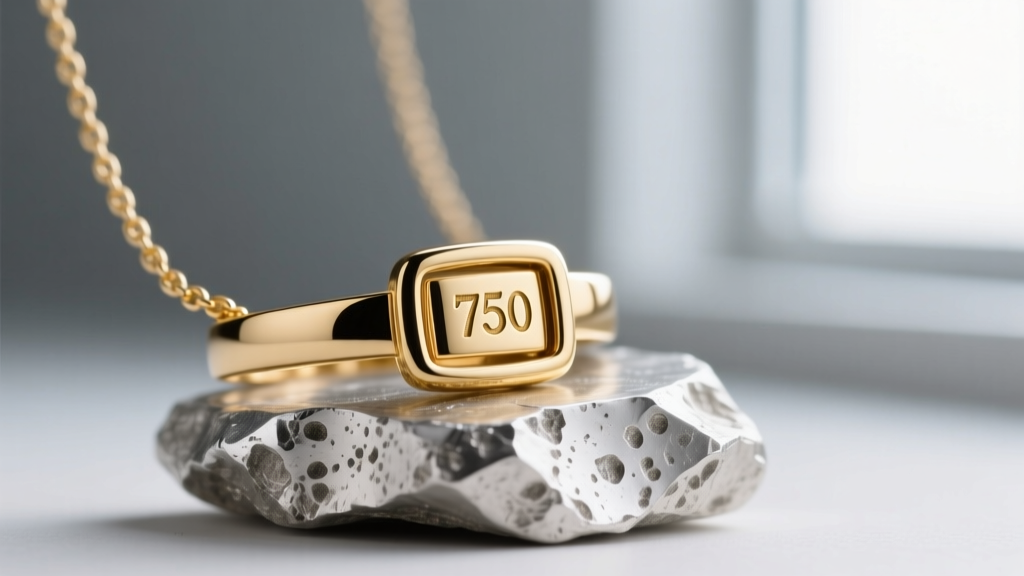
However, you must also understand Moissanite. Originally discovered in a meteor crater, modern moissanite is composed of silicon carbide (SiC). It is exceptionally hard (9.25 on the Mohs scale) and features a higher refractive index (2.65) compared to a diamond (2.42). This gives moissanite a distinct, rainbow-like “fire” that many adore, but purists can visually distinguish from a diamond’s white-light brilliance. Conversely, Cubic Zirconia (CZ) is a soft, porous simulant (8.5 Mohs) that clouds over time. For a serious romantic gift, choose Lab-Grown or Natural; for a stylish, budget-conscious milestone, Moissanite is a highly respectable, honest choice. Never gift CZ disguised as a diamond.
Occasion Matching Framework: The 2026 Gifting Matrix
Matching the material gravity of the necklace to the emotional weight of the occasion ensures you never overpay for prestige or under-deliver on sentiment. Use this framework to guide your purchase:
| Occasion | Recommended Metal Grade | Ideal Centerpiece / Stone | Estimated 2026 Price Range |
|---|---|---|---|
| 10+ Year Anniversary | Solid 18k Gold (750) or Platinum | Lab-Grown or Natural Diamond (GIA/IGI Certified) | $2,500 - $10,000+ |
| College Graduation | Solid 14k Gold or Heavy Vermeil | Sapphire, Morganite, or High-Grade Moissanite | $600 - $1,500 |
| Milestone Birthday (30/40) | Sterling Silver (925) or 10k Solid Gold | Birthstone or Semi-Precious (Amethyst, London Blue Topaz) | $250 - $700 |
| Everyday Sentiment / Push Present | Gold Vermeil (2.5+ microns) | Custom Engraved Locket or Freshwater Pearl | $150 - $450 |
Sentiment and Pendants: Beyond the Carat Weight
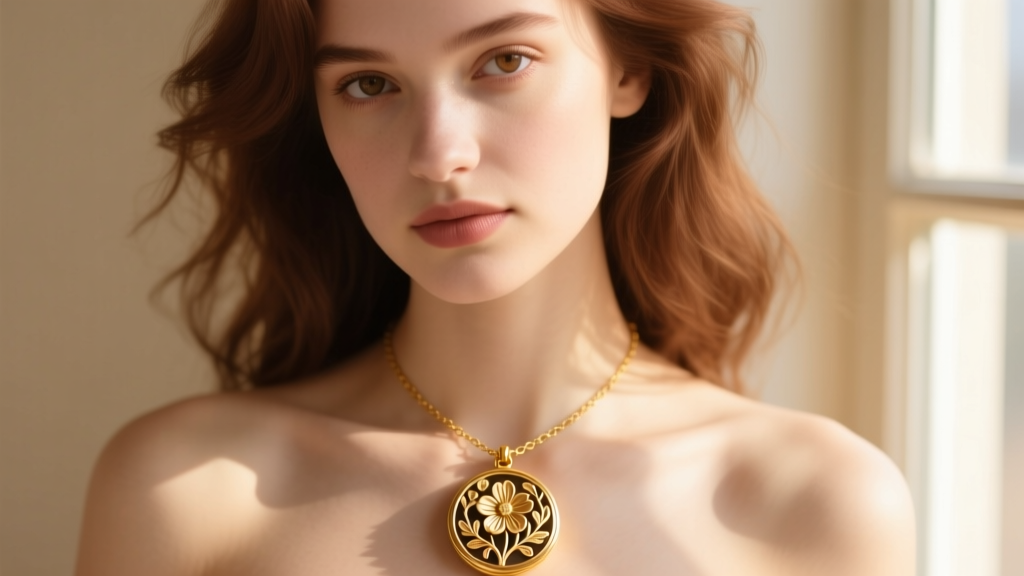
Not every meaningful gift requires a high-clarity gemstone. Often, the most cherished necklaces are those that serve as intimate vaults for memory. Lockets, for instance, have seen a massive resurgence in bespoke craftsmanship. When gifting a locket, pay attention to the hinge mechanism and the bail. A high-quality locket will feature a seamless, soldered bail (the loop the chain passes through) rather than a pinched one, preventing the chain from sawing through the metal over decades of wear.
Consider the chain length as well. A 16-inch choker length sits tightly at the base of the throat, ideal for small, delicate lockets or solitaire diamonds. An 18-inch princess length is the universal standard, resting perfectly on the collarbone and accommodating most pendants. For larger, heavier statement pieces or religious medallions, a 20-inch or 22-inch chain ensures the pendant rests comfortably on the chest without feeling restrictive.
Verification: How to Read the Hallmarks
Mathilde Loisel never thought to inspect the clasp of the necklace she borrowed. When purchasing fine jewelry, the clasp and the inner curve of the bail are your primary sources of truth. Authentic pieces are legally required to bear hallmarks indicating their precious metal content.
- 750 or 18k: Indicates 18-karat gold (75% pure gold). Ideal for luxury pendants and high-end chains.
- 585 or 14k: Indicates 14-karat gold (58.5% pure). The perfect balance of rich color and structural durability for everyday chain necklaces.
- 925: The universal stamp for Sterling Silver (92.5% pure silver, 7.5% copper). If a piece is gold-toned but stamped 925, it is vermeil or plated silver, not solid gold.
- GIA or IGI Laser Inscriptions: For diamonds over 0.50 carats, the girdle (outer edge) of the stone is often laser-inscribed with a microscopic report number that matches the grading certificate. Always request the certificate when gifting a diamond pendant.
The Final Appraisal: Gifting with Integrity
The ultimate tragedy of “The Necklace” was a failure of communication and an obsession with superficial appearances. When you select a necklace or pendant as a gift, prioritize transparency. If you are gifting a stunning moissanite pendant or a beautifully crafted gold vermeil chain, be honest about the materials. The recipient will appreciate the thoughtfulness, the specific aesthetic choice, and the financial responsibility far more than an illusion of unearned luxury. By understanding material grades, verifying hallmarks, and matching the piece to the true weight of the occasion, you ensure your gift remains a cherished reality, rather than a devastating illusion.


