How to Style, Layer, and Care for a Gold Bean Necklace
Learn how to choose, layer, and maintain your gold bean necklace. Expert tips on karat selection, chain pairing, and daily wear care.

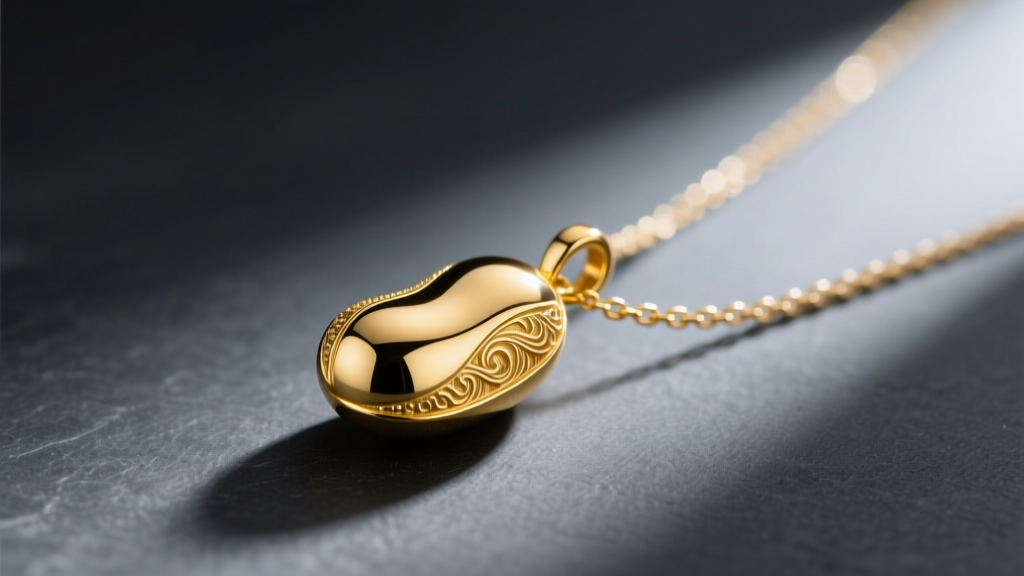
The Anatomy of a Gold Bean Necklace
The gold bean necklace is a masterclass in organic minimalism. Originally popularized by Elsa Peretti in the 1970s, the smooth, asymmetrical teardrop shape mimics natural seed pods and remains a timeless staple in modern jewelry wardrobes. However, before you can effectively style or layer this piece, you must understand its structural anatomy, as this dictates how it wears over time.
Solid Cast vs. Electroformed Hollow Beans
Not all gold bean pendants are created equal. The market is largely divided into two manufacturing methods:
- Solid Cast Beans: Typically made in 14k or 18k gold, these are heavy, durable, and resistant to denting. A standard 15mm solid 14k gold bean will weigh approximately 3.5 to 4 grams. They are ideal for daily wear and can withstand accidental impacts against hard surfaces.
- Electroformed (Hollow) Beans: This process creates a lightweight, voluminous shell over a wax model that is later melted away. While they offer a larger visual footprint for a lower gold weight (and lower price), hollow beans are highly susceptible to denting. A drop onto a tile floor can permanently compromise the structural integrity of a hollow bean.
Understanding Karat Alloys for Daily Wear
According to the Gemological Institute of America (GIA), pure 24k gold is too soft for functional jewelry pendants that experience friction. Therefore, your gold bean necklace will likely be alloyed for strength. 14k gold (58.5% pure gold) offers the highest scratch resistance and is the optimal choice for a bean pendant that will be layered against other metal chains. 18k gold (75% pure gold) provides a richer, deeper yellow hue but will develop a soft patina and micro-scratches more rapidly.
Step-by-Step Guide to Choosing the Right Chain
The bean pendant is only half the equation; the chain you select determines the necklace's drape, durability, and overall aesthetic. The pendant's bail (the loop at the top of the bean) usually accommodates chains up to 2.5mm in thickness, but going too thick ruins the delicate visual balance of the bean.
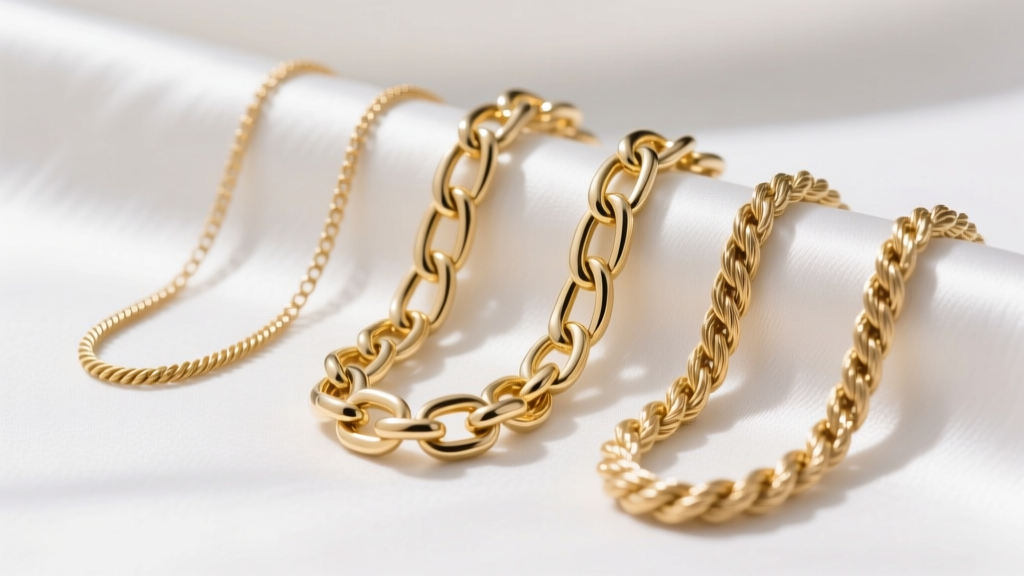
Chain Styles and Millimeter Sizing
Follow this framework to match your chain to your bean size:
- For Small Beans (8mm - 12mm): Pair with a 0.9mm to 1.2mm delicate cable chain or a thin serpentine chain. This keeps the focus on the pendant and prevents the chain from overpowering the small silhouette.
- For Medium Beans (13mm - 18mm): A 1.5mm box chain is the industry standard. The geometric links of a box chain provide a modern contrast to the organic curves of the gold bean, while offering excellent tensile strength to support the pendant's weight without stretching.
- For Large/Jumbo Beans (20mm+): Opt for a 2.0mm to 2.5mm rope chain or a wheat chain. These styles have enough visual weight to anchor a large, heavy solid gold bean without looking disproportionately thin.
Clasp Mechanics
Always upgrade a standard spring-ring clasp to a lobster clasp. Spring rings are notorious for failing when supporting the asymmetrical weight distribution of a bean pendant. A 5mm or 7mm solid gold lobster clasp ensures the chain remains secure, especially when layering.
How to Layer Your Gold Bean Necklace (3-Step Framework)
Layering requires precise mathematical spacing to avoid tangling and visual clutter. The gold bean necklace serves as an excellent "anchor" piece in a layered stack due to its solid, reflective surface. Here is a step-by-step layering guide utilizing the Rule of Thirds.
Step 1: Establish the Base (14 to 15 Inches)
Start with a lightweight, textural choker. A 14-inch 18k gold snake chain or a 15-inch beaded gold chain sits flush against the collarbone. This base layer should not have a pendant; its purpose is to frame the neckline and provide a contrasting texture to the smooth bean.
Step 2: Position the Anchor Bean (16 to 18 Inches)
Your gold bean necklace should sit exactly 2 to 3 inches below the base chain. If your base is 14 inches, wear your bean on a 16-inch or 16.5-inch chain. This spacing prevents the metal links from catching on the bean's bail. The bean should rest in the hollow of the collarbone or just above the sternum, acting as the visual focal point of the stack.
Step 3: Add the Elongating Accent (20 to 24 Inches)
To draw the eye downward and elongate the torso, add a third chain that falls below the bean. A 22-inch lariat necklace, a simple 20-inch pendant featuring a solitary diamond or pearl, or a 24-inch paperclip chain works perfectly. Ensure this final layer is lighter in color or visual weight than the gold bean to maintain the bean's dominance in the stack.
Stylist Tip: When layering a gold bean necklace with mixed metals, use a two-tone chain (like a gold and silver paperclip chain) as your base layer to bridge the gap between the yellow gold bean and any white gold or platinum accent pieces.
Gold Bean Necklace Care and Maintenance Routine
Because of its smooth, highly polished surface, a gold bean pendant acts like a mirror, making fingerprints, lotion smudges, and micro-scratches highly visible. Establishing a rigorous but gentle cleaning routine is essential. The Jewelers of America recommends avoiding harsh chemicals and ultrasonic cleaners for textured or hollow jewelry, but solid gold beans can be safely maintained at home.
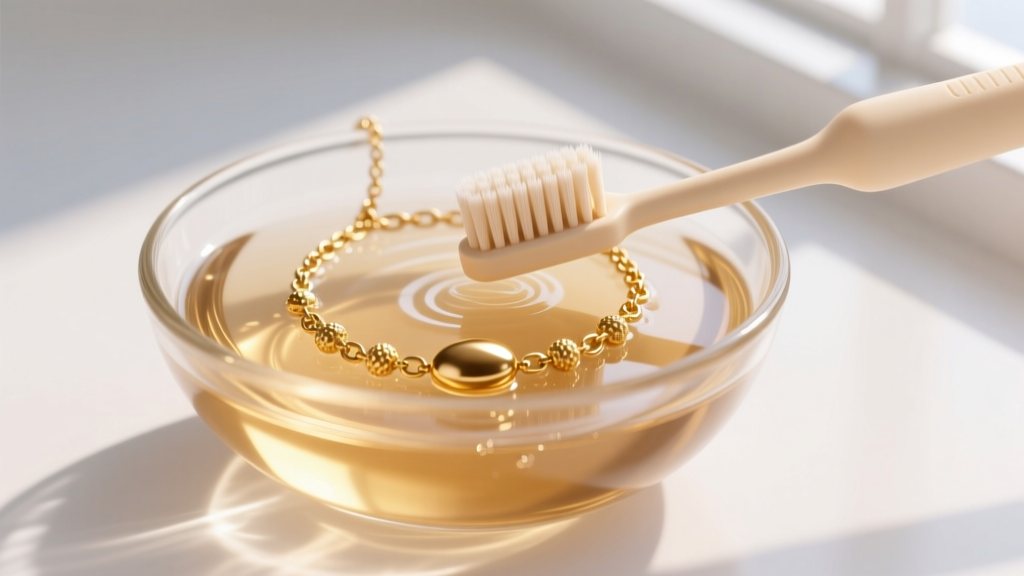
The 5-Minute Home Cleaning Protocol
- Prepare the Solution: Fill a small glass bowl with warm (not hot) water and add three drops of mild, phosphate-free dish soap (such as Dawn).
- Soak: Submerge the gold bean necklace and let it soak for exactly 3 to 5 minutes. This loosens body oils and cosmetic residues trapped in the bail and chain links.
- Agitate Gently: Using a brand-new, extra-soft baby toothbrush, gently brush the surface of the bean. Use sweeping motions rather than circular ones to minimize the appearance of any new micro-scratches. Pay special attention to the bail where dirt accumulates.
- Rinse and Dry: Rinse thoroughly under lukewarm running water. Pat dry with a lint-free microfiber cloth. Never use paper towels, as the wood pulp fibers will scratch high-polish gold.
Karat Durability and Care Matrix
| Gold Karat | Purity | Scratch Resistance | Recommended Polishing Method |
|---|---|---|---|
| 10k Gold | 41.7% | High | Standard jewelry polishing cloth |
| 14k Gold | 58.5% | Medium-High | Untreated microfiber or Sunshine cloth |
| 18k Gold | 75.0% | Medium-Low | Professional buffing (annually) + gentle cloth |
| 22k/24k Gold | 91-99% | Very Low | Soap and water only; avoid abrasive cloths |
Troubleshooting Common Wear Issues
Even with meticulous care, a frequently worn gold bean necklace will encounter physical issues. Here is how to troubleshoot the most common problems without causing further damage.
Issue 1: The Chain Keeps Tangling in the Bail
If your chain is constantly threading itself through the bean's bail and getting stuck, your chain is likely too thin or too flexible for the weight of the pendant. The Fix: Add a small, 3mm solid gold jump ring to the bail before attaching the chain. This creates a rigid barrier that prevents the chain links from folding back on themselves and slipping into the bail gap.
Issue 2: Severe Chain Tangling (The Knot Problem)
Delicate box and cable chains are prone to knotting when stored loosely. The Fix: Do not pull the knot tight. Lay the necklace on a flat, hard surface. Sprinkle a small amount of talcum powder or baby powder directly onto the knot to reduce metal friction. Use two fine sewing needles to gently pick apart the center of the knot, working outward. Wipe away the powder with a damp cloth afterward.
Issue 3: Surface Scratches on the Bean
A high-polish gold bean will inevitably accumulate surface scratches. The Fix: For light scuffs, use a treated jeweler's polishing cloth (like a Sunshine cloth) and rub in one direction. For deep scratches, do not attempt to sand it yourself. Take the pendant to a professional jeweler for a light buffing. Note that professional buffing removes a microscopic layer of gold; limit this to once every two to three years to preserve the bean's original mass and shape.
Final Thoughts on the Gold Bean Necklace
The gold bean necklace is more than just a passing trend; it is a versatile, sculptural piece that bridges the gap between casual minimalism and elegant sophistication. By understanding the structural differences between solid and hollow casts, carefully selecting the appropriate chain gauge, and employing a strategic layering framework, you can elevate this organic silhouette into a cornerstone of your everyday jewelry rotation. Treat the gold with respect, maintain your cleaning routine, and your bean necklace will retain its luminous, reflective charm for decades.


