Hello Kitty Chain Necklace Value: 2026 Buyer's Guide
Discover the true value of a Hello Kitty chain necklace in 2026. Compare official Sanrio materials, pricing tiers, and spot counterfeits before you buy.

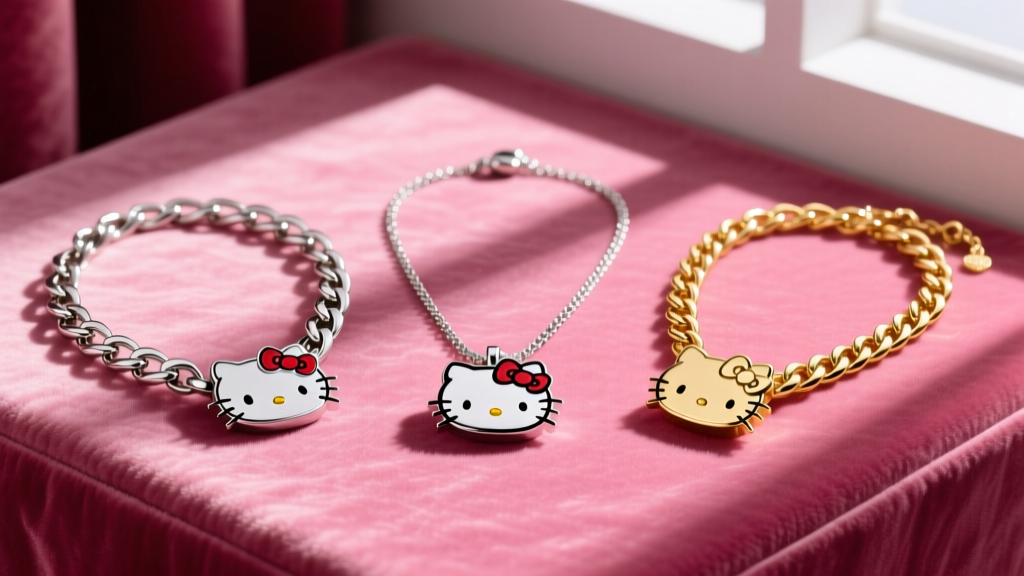
The True Cost of Cuteness: Understanding the Hello Kitty Jewelry Market
When evaluating a Hello Kitty chain necklace, buyers are immediately confronted with a massive price disparity. You can find seemingly identical pieces ranging from $8 on fast-fashion marketplaces to over $300 in high-end jewelry boutiques. As Sanrio’s flagship character continues to dominate global pop culture in 2026, the secondary and primary markets are flooded with both officially licensed merchandise and unlicensed knockoffs. For the savvy jewelry buyer, assessing the true value of these necklaces requires looking past the iconic red bow and examining the metallurgy, chain mechanics, and licensing hallmarks.
The "kawaii tax"—the premium charged for licensed character jewelry—is a real factor in pricing. However, paying a premium only makes financial sense if the underlying materials justify the cost. A budget-friendly necklace might seem like a steal until the base metal oxidizes, the enamel chips, or the clasp fails within a month. This comprehensive value assessment breaks down the exact materials, pricing tiers, and durability metrics you need to make an informed purchase.
Material Breakdown: What Are You Actually Paying For?
The core value of any pendant necklace lies in its material composition. Sanrio licenses its intellectual property to various jewelry manufacturers, resulting in three distinct quality tiers in the market.
Tier 1: Fast Fashion & Base Alloys ($10 - $25)
At the lowest price point, Hello Kitty necklaces are typically cast from zinc alloy or brass and finished with a thin flash-plating of silver or gold tone. The iconic facial features and bow are usually painted with cheap acrylics or soft epoxy resin. While these pieces are highly accessible and fun for occasional wear, they offer terrible long-term value. The plating is often less than 0.5 microns thick, meaning friction and skin acidity will wear it away in weeks, exposing the base metal. This frequently leads to the dreaded "green skin" effect caused by copper oxidation in brass alloys.
Tier 2: Licensed Sterling Silver & Enamel ($35 - $85)
This is the sweet spot for value. Officially licensed 925 sterling silver Hello Kitty chain necklaces offer a balance of affordability and longevity. Reputable manufacturers in this tier use cold enamel (a durable, resin-based epoxy) to fill the bow and nose details, ensuring vibrant color that won't easily chip. Furthermore, high-quality silver pieces in this bracket are often coated in a micro-layer of rhodium. This precious metal plating acts as a barrier against sulfur in the air, drastically reducing the tarnishing rate and keeping the silver bright for years with minimal maintenance.
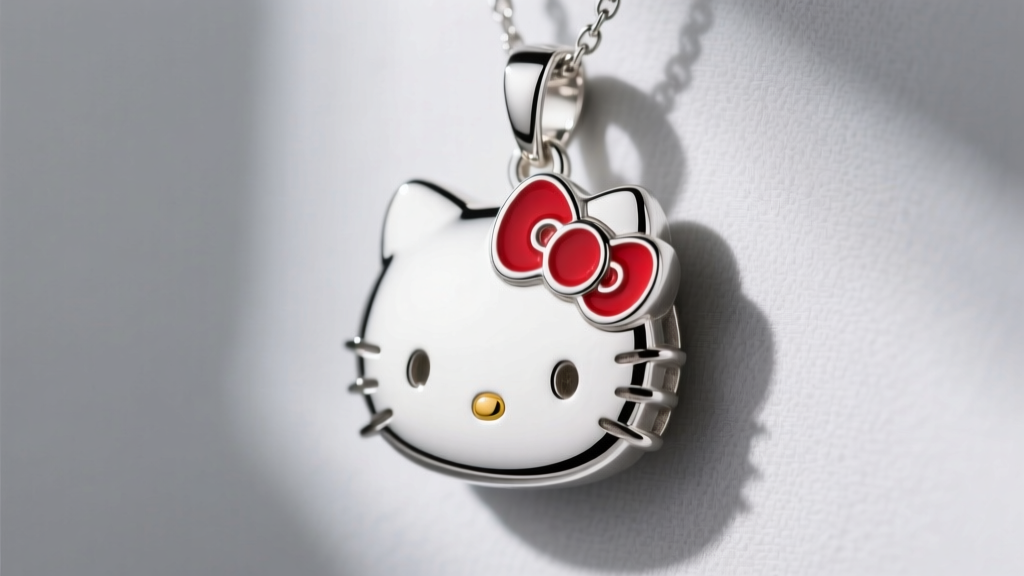
Tier 3: Fine Jewelry Collaborations ($120 - $350+)
Collaborations with brands like Pandora or specialized fine jewelers push the Hello Kitty necklace into the luxury tier. These pieces utilize 14k or 18k solid gold, lab-grown diamond pavé accents, and vitreous (glass) enamel. While the material value is objectively higher, you are also paying a massive premium for the brand crossover. From a strict budget-to-material ratio, these pieces depreciate the moment they leave the store, making them better suited for collectors and sentimental buyers rather than value-seekers.
2026 Price vs. Value Matrix
To visualize the cost-per-wear and long-term viability of your investment, refer to the matrix below. This framework helps determine which tier aligns with your budget and wearing habits.
| Quality Tier | Base Material | Finish / Plating | Avg. Price (2026) | Tarnish Risk | Long-Term Value |
|---|---|---|---|---|---|
| Budget (Unlicensed) | Zinc Alloy / Brass | Flash Silver/Gold | $10 - $25 | Very High | Poor (Disposable) |
| Mid-Tier (Licensed) | 925 Sterling Silver | Rhodium Plated | $35 - $85 | Low | Excellent (Daily Wear) |
| Premium (Collabs) | 14k/18k Solid Gold | Solid / Vitreous Enamel | $150 - $350+ | None | Fair (High Brand Markup) |
Chain Types and Durability Assessment
The pendant is only half the equation; the chain dictates the necklace's structural integrity and overall lifespan. A heavy sterling silver Hello Kitty pendant paired with a micro-thin chain is a recipe for a lost charm. When assessing value, scrutinize the chain gauge and link style.
- Cable Chains (0.8mm - 1.0mm): The most common chain included with mid-tier silver necklaces. They are lightweight and delicate. While beautiful, a 0.8mm cable chain is prone to kinking and snapping if subjected to sudden tension. Value verdict: Acceptable for lightweight, small (under 15mm) pendants.
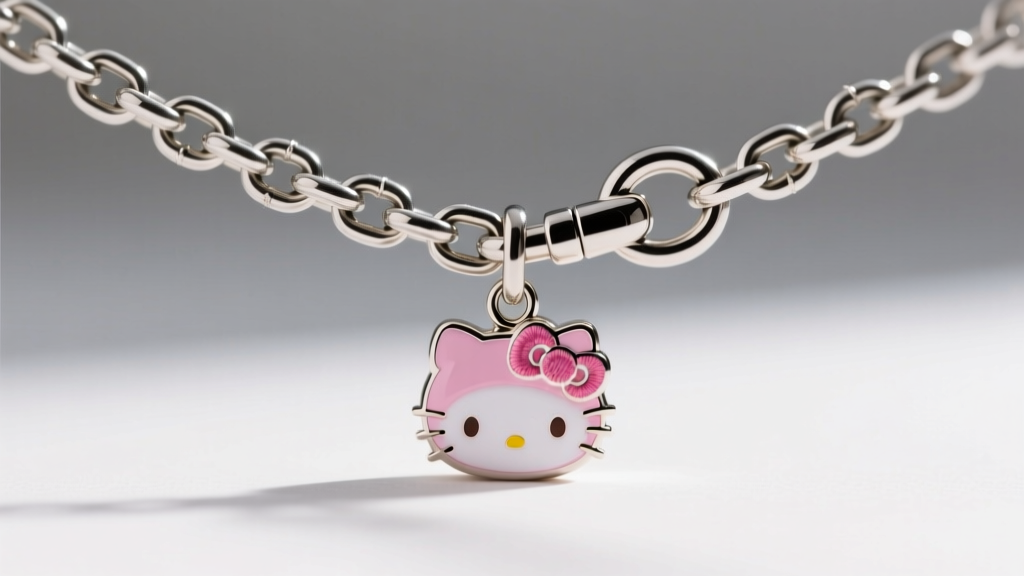
- Rolo Chains (1.2mm - 1.5mm): Featuring uniform, interlocking round links, rolo chains are significantly more robust. A 1.2mm sterling silver rolo chain can easily support a medium-sized, enameled Hello Kitty pendant without stretching. Value verdict: The best balance of durability and aesthetic appeal.
- Box Chains (1.0mm - 1.5mm): Composed of square links that create a smooth, woven look. Box chains are incredibly strong against pulling, but they have a critical flaw: if bent sharply, the square links can dent and become permanently misshapen. Value verdict: Excellent for daily wear if you are careful during storage.
Additionally, inspect the clasp. Budget necklaces almost exclusively use spring-ring clasps, which feature tiny internal springs that frequently fail or become too stiff to operate. Mid-to-high-tier necklaces should feature a lobster claw clasp, which offers a secure, spring-loaded locking mechanism that is vastly superior for daily wear.
Maintenance Costs and Hidden Value Factors
True value assessment must factor in the cost of upkeep. Base metal alloy necklaces require zero maintenance because they are essentially disposable; once they tarnish or turn your skin green, they are thrown away. Sterling silver, however, requires occasional polishing. According to the Federal Trade Commission's Jewelry Guides, sterling silver must contain at least 92.5% pure silver, with the remaining 7.5% usually being copper. It is this copper that reacts to moisture and sulfur, causing tarnish.
Investing in a $10 anti-tarnish storage pouch and a microfiber polishing cloth will extend the life of a $50 licensed sterling silver Hello Kitty necklace indefinitely. Conversely, gold-plated brass pieces cannot be polished; doing so will strip the microscopic gold layer away, ruining the piece. Therefore, the maintenance "cost" of sterling silver is actually lower over a five-year period than the replacement cost of continuously buying cheap, plated alternatives.
How to Spot Counterfeit Sanrio Necklaces
The market is saturated with unlicensed Hello Kitty jewelry. While a counterfeit piece might save you a few dollars upfront, it violates intellectual property laws and almost always utilizes unregulated, potentially hazardous base metals that may contain high levels of nickel or lead. To ensure your budget is being spent on genuine, safe materials, look for these authentication markers:
- The Copyright Stamp: Genuine licensed jewelry will feature a microscopic stamp reading "© Sanrio" or "Sanrio Co., Ltd." on the back of the pendant or etched onto the small metal tag attached near the clasp.
- Metal Hallmarks: If the piece claims to be silver, it must bear a "925" or "S925" stamp. Be highly suspicious of terms like "Tibetan Silver" or "Silver Tone," which are marketing terms for gray-painted alloys.
- Enamel Precision: Sanrio is notoriously strict about its character proportions. Counterfeits often feature a slightly asymmetrical face, an oversized yellow nose, or a bow that bleeds outside the stamped metal borders. Official pieces have crisp, clean metal dividers between the enamel colors.
- Packaging and Licensing: Official pieces sold by authorized retailers will include a holographic Sanrio licensing sticker on the packaging. You can verify authorized retail partners directly through the official Sanrio website.
Final Verdict: Which Tier Offers the Best Value?
For the vast majority of buyers, the Mid-Tier Licensed Sterling Silver ($35 - $85) category represents the absolute best value for a Hello Kitty chain necklace. It completely avoids the skin irritation and rapid degradation of fast-fashion alloys, while sidestepping the steep luxury markup of fine jewelry collaborations. By prioritizing a 925 sterling silver base, a rhodium finish, and a sturdy 1.2mm rolo or box chain with a lobster clasp, you secure a piece of wearable pop-culture history that will maintain its structural integrity and vibrant aesthetic for years to come. Always verify the © Sanrio hallmark to ensure your investment supports the official legacy of the world's most beloved feline.


