Is a Necklace 925 Worth It? 2026 Value & Budget Guide
Discover if a necklace 925 is worth your money in 2026. We break down silver pricing, alloy quality, and budget tiers to help you assess true value.

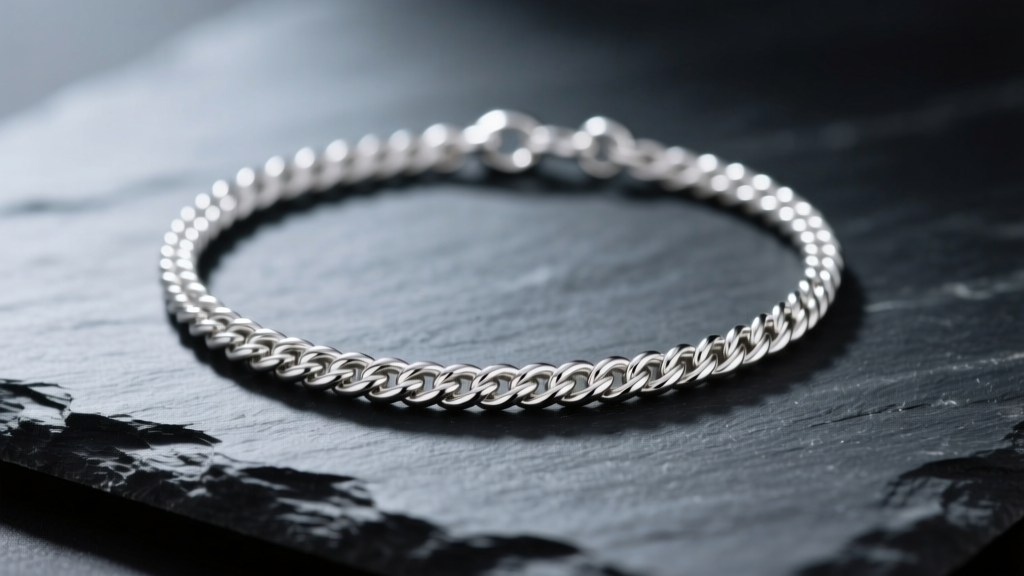
The Real Cost of a Necklace 925 in 2026
As precious metal markets continue to fluctuate in 2026, the baseline value of silver has solidified well above the $30-per-ounce mark. For consumers and collectors alike, this shifts the paradigm of buying silver jewelry from a purely aesthetic choice to a legitimate micro-investment. When you shop for a necklace 925, you are no longer just buying a fashion accessory; you are purchasing a wearable asset. However, the retail markup on silver jewelry can range from a reasonable 2x to an exorbitant 10x the intrinsic melt value. Understanding how to assess the true budget and value of sterling silver is critical to avoiding overpriced mass-market pieces and identifying genuine artisan craftsmanship.
To evaluate value accurately, we must separate the raw material cost from the manufacturing labor, brand premiums, and retail overhead. According to The Silver Institute, industrial and jewelry demand for silver has reached record highs, meaning the floor price for authentic 925 sterling silver will remain robust. This guide will break down the metallurgy, pricing tiers, and structural integrity of 925 silver necklaces so you can shop with absolute confidence.
Decoding the 925 Stamp: Alloy Composition & Failure Modes
Pure silver (999 fine silver) is far too soft for everyday jewelry; a pure silver chain would stretch and snap under the weight of a modest pendant. To solve this, metallurgists alloy pure silver with other metals to increase tensile strength. The Federal Trade Commission (FTC) strictly mandates that any item stamped '925' or 'Sterling' must contain exactly 92.5% pure silver by weight. The remaining 7.5% is typically copper.
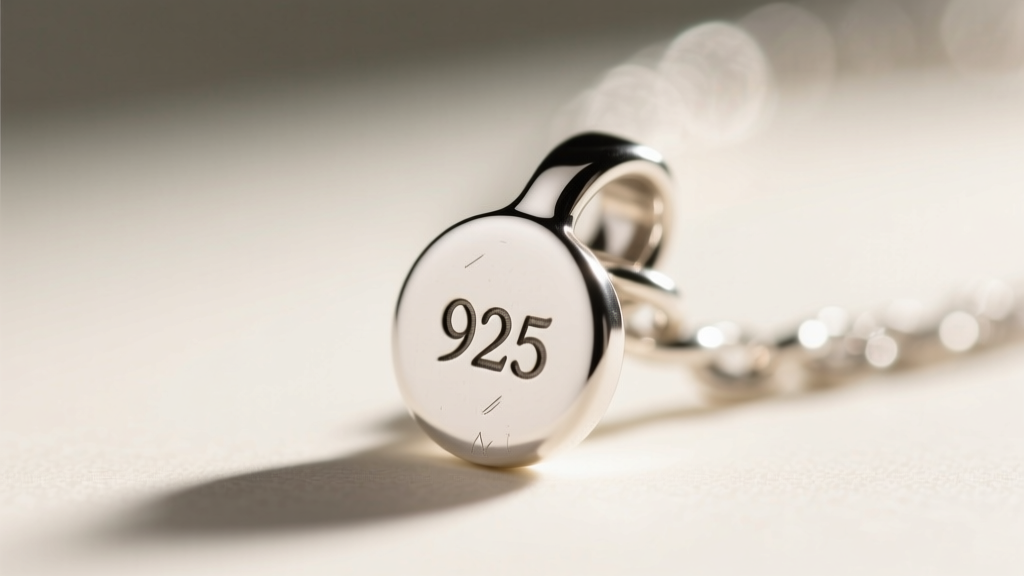
Standard Copper vs. Argentium Silver
While copper provides excellent durability, it is highly reactive to sulfur and moisture, leading to the inevitable tarnish (silver sulfide) that plagues standard 925 necklaces. In 2026, savvy buyers are increasingly looking for Argentium silver (often stamped 935 or 960). Argentium replaces a portion of the copper with germanium, which creates a transparent, self-healing oxide layer that dramatically slows tarnishing. While an Argentium necklace 925-equivalent will cost 20% to 30% more upfront, the long-term value retention and reduced maintenance costs make it a superior budget choice for daily-wear chains.
Common Failure Modes in 925 Necklaces:
- Clasp Solder Joints: The weakest point on any silver chain is the jump ring connecting the lobster clasp. Cheap manufacturers use low-temperature paste solder that becomes brittle. Look for laser-welded or high-temperature soldered joints.
- Link Porosity: In cast pendants or heavy chains, trapped gas bubbles during the casting process can create microscopic voids, leading to sudden snapping.
- Spring Ring Rust: Many lightweight 925 chains use spring ring clasps containing a tiny internal steel spring. Over time, moisture causes the steel to rust, freezing the clasp. Always upgrade to a solid 925 lobster clasp.
Budget Tiers: What You Should Actually Pay
Calculating the 'melt value' is easy: multiply the weight in grams by 0.925, then multiply by the current spot price of silver per gram. However, craftsmanship dictates the final retail price. Below is the 2026 value matrix for a standard 18-inch necklace 925 chain.
| Tier | Price Range | Weight & Specs | Value Assessment |
|---|---|---|---|
| Fast Fashion | $15 - $35 | < 3g, Flash-plated brass | Avoid. Not solid 925. High skin-irritation risk, zero intrinsic value. |
| Mass Market | $40 - $85 | 4g - 8g, Unsoldered links | Fair. Good for occasional wear. Links may pull apart if snagged. |
| Quality Artisan | $90 - $220 | 10g - 20g, Soldered links | Excellent. Durable, high labor value, excellent intrinsic metal weight. |
| Luxury Designer | $300+ | 15g+, Brand hallmark | Poor intrinsic value. You are paying a 5x-10x premium for the logo. |
Chain Styles and Manufacturing Complexity
The style of the chain heavily influences the manufacturing cost, which in turn affects the retail price. A simple cable chain is machine-drawn and stamped, requiring minimal labor, making it the most budget-friendly solid 925 option. Conversely, a box chain requires precise folding and interlocking of square links. If you are buying a box chain, ensure the links are soldered; unsoldered box chains are notorious for kinking and breaking under the weight of pendants.
Rope chains and Figaro chains involve diamond-cutting and twisting, which increases light reflection but also increases the surface area exposed to oxygen and sulfur, slightly accelerating tarnish. When assessing the budget for these complex weaves, expect to pay a 30% to 50% premium over a standard cable chain of the exact same gram weight due to the extended machine time and finishing labor.
Red Flags: Spotting Overpriced or Fake Silver
The secondary market and online marketplaces are flooded with deceptive silver jewelry. The Gemological Institute of America (GIA) warns consumers to be highly skeptical of terms that mimic sterling silver without the legal backing. Watch out for these common traps:
- 'Tibetan Silver' or 'Tribal Silver': These contain zero actual silver. They are typically zinc, copper, and nickel alloys that can cause severe allergic reactions.
- 'Silver Plated' or 'Silver Filled': A microscopic layer of 925 silver over a brass or copper core. Once the plating wears off (usually within 6 to 12 months of daily wear), the piece is ruined and cannot be polished back to silver.
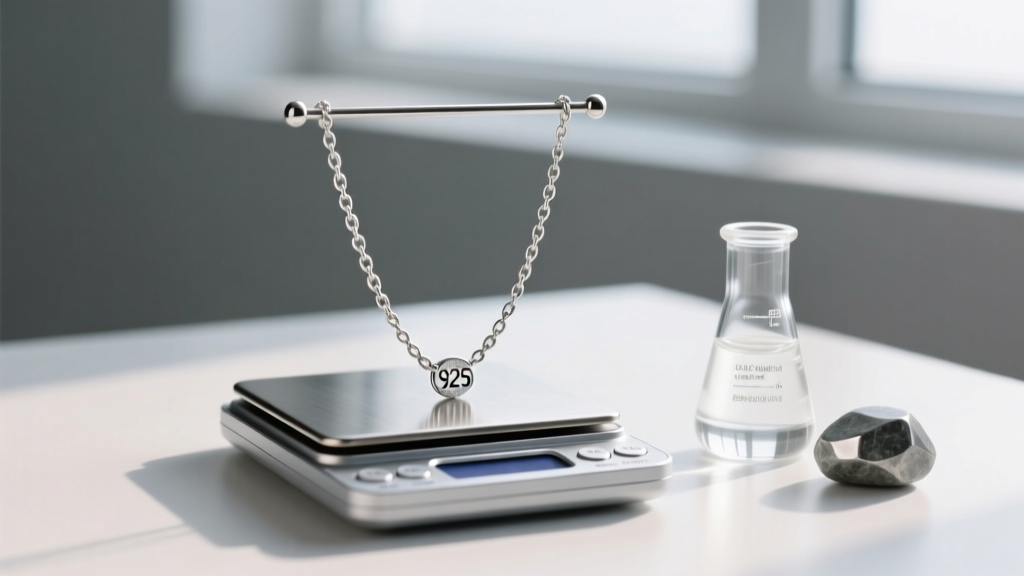
- The Magnet Test: Silver is diamagnetic. If a necklace 925 is strongly attracted to a neodymium magnet, it is either fake or contains a massive amount of ferrous metals. (Note: The tiny steel spring inside a cheap clasp will show slight magnetic pull, but the chain itself must not).
Long-Term Value Retention & Care
A high-quality, solid 925 silver necklace will retain its intrinsic metal value indefinitely. If you purchase a 25-gram solid sterling silver chain for $120, and silver prices double over the next decade, the melt value of your necklace will appreciate accordingly. However, to protect the aesthetic value and prevent deep sulfide corrosion, proper storage is non-negotiable.
Pro Tip: Never store your 925 necklace in a cardboard box or wrapped in rubber bands. Cardboard and rubber emit sulfur gases that will turn your silver black within weeks. Always use anti-tarnish cloth pouches or sealed polyethylene bags with 3M anti-tarnish strips.
For maintenance, avoid using harsh silver dips on diamond-cut or oxidized chains, as the acid will strip the intentional dark patina from the crevices and leave the chain looking flat and white. Instead, use a mild phosphate-free dish soap and a soft-bristle toothbrush, followed by a dedicated silver polishing cloth for the high points.
Final Verdict: Is It Worth the Investment?
In 2026, a genuine necklace 925 remains one of the most accessible and rewarding entry points into precious metal ownership. By targeting the 'Quality Artisan' budget tier ($90 to $220), focusing on soldered links, and prioritizing Argentium alloys when available, you secure a piece of jewelry that offers both enduring daily wearability and legitimate intrinsic value. Skip the fast-fashion plated imitations and the overpriced luxury logos; the true value of sterling silver lies in its weight, its weave, and its timeless metallurgy.


