Is a Chicos Turquoise Necklace Worth It? 2026 Value Guide
Is a Chicos turquoise necklace worth your money? We break down the materials, hardware quality, and true resale value of these popular statement pieces.

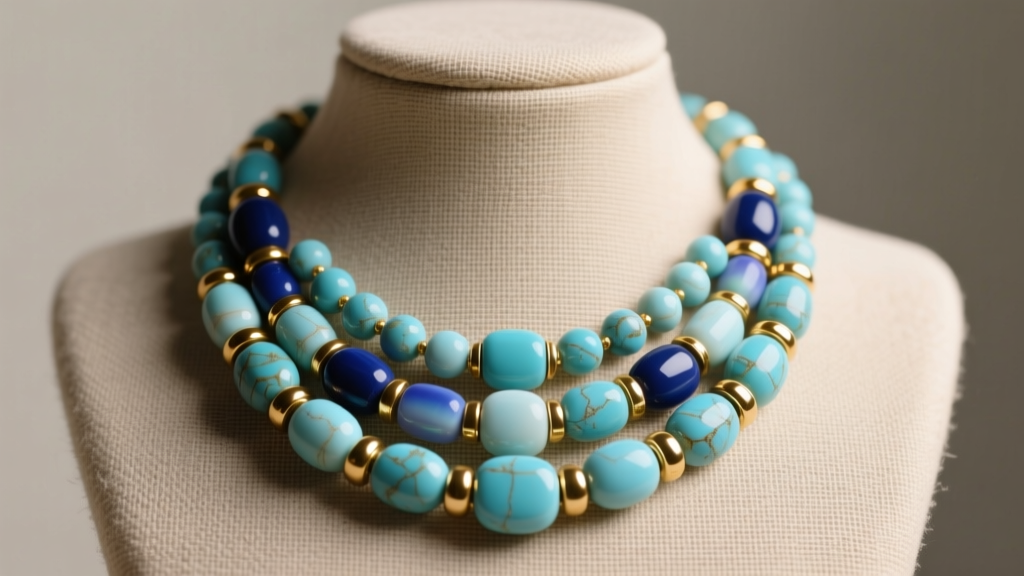
When building a curated jewelry wardrobe, the intersection of bold aesthetics and accessible pricing is a constant pursuit. The Chico's turquoise necklace has long been a staple in the fashion jewelry market, offering eye-catching, bohemian-inspired statement pieces that mimic the look of high-end Southwestern turquoise. But from a strict budget and value assessment perspective, what are you actually paying for? As we navigate the 2026 jewelry market, understanding the gemological and metallurgical realities behind mass-market fashion jewelry is crucial for making informed purchasing decisions.
This comprehensive value guide dissects the materials, construction methods, and long-term viability of these popular necklaces, helping you determine if a Chico's turquoise piece belongs in your collection or if your budget is better allocated elsewhere.
The Gemological Reality: What Are You Actually Wearing?
To assess the value of any turquoise necklace, we must first authenticate the stone. Genuine, untreated turquoise from renowned mines like Sleeping Beauty or Kingman commands a premium price, often exceeding $15 to $20 per carat for high-grade material. According to the Gemological Institute of America (GIA), natural turquoise is a porous, hydrous phosphate of copper and aluminum, which makes it inherently fragile and expensive to mine and stabilize.
The vast majority of "turquoise" beads used in mass-market fashion jewelry, including typical Chico's statement necklaces, are not genuine turquoise. Instead, they are predominantly composed of:
- Dyed Howlite: A naturally white or gray borate mineral with a natural gray or black webbing that, when dyed blue, closely mimics the matrix of natural turquoise.
- Dyed Magnesite: Similar to howlite but slightly more porous, taking on dye very effectively.
- Resin and Polymer Blends: In some lower-tier fashion pieces, the "stones" are entirely synthetic, molded from colored resins with painted-on matrix lines.
The Acetone Test: Verifying Your Beads at Home
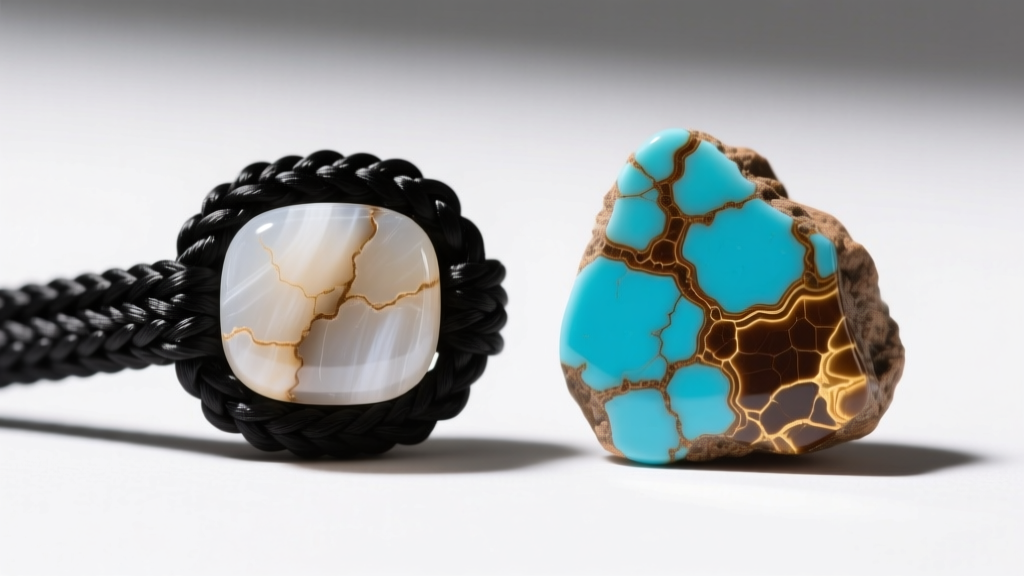
If you already own a Chico's turquoise necklace and want to assess its material value, you can perform a non-destructive solvent test. Dip a cotton swab in pure acetone (standard nail polish remover) and rub it vigorously against an inconspicuous area of a bead. If the swab turns blue, the stone is dyed howlite or magnesite. Genuine, untreated turquoise will not release color under these conditions. While stabilized turquoise (treated with clear epoxy to prevent crumbling) is a legitimate gemological category, fashion brands rarely disclose the exact stabilization methods or base minerals used, defaulting to the much cheaper dyed howlite route to maintain high profit margins.
Hardware Assessment: Base Metals and Flash Plating
The secondary component of value assessment lies in the hardware. High-value necklaces utilize solid precious metals (14k/18k gold, sterling silver) or, at minimum, heavy gold vermeil (a thick layer of gold over a sterling silver base). Fashion jewelry brands operate under a different manufacturing paradigm.
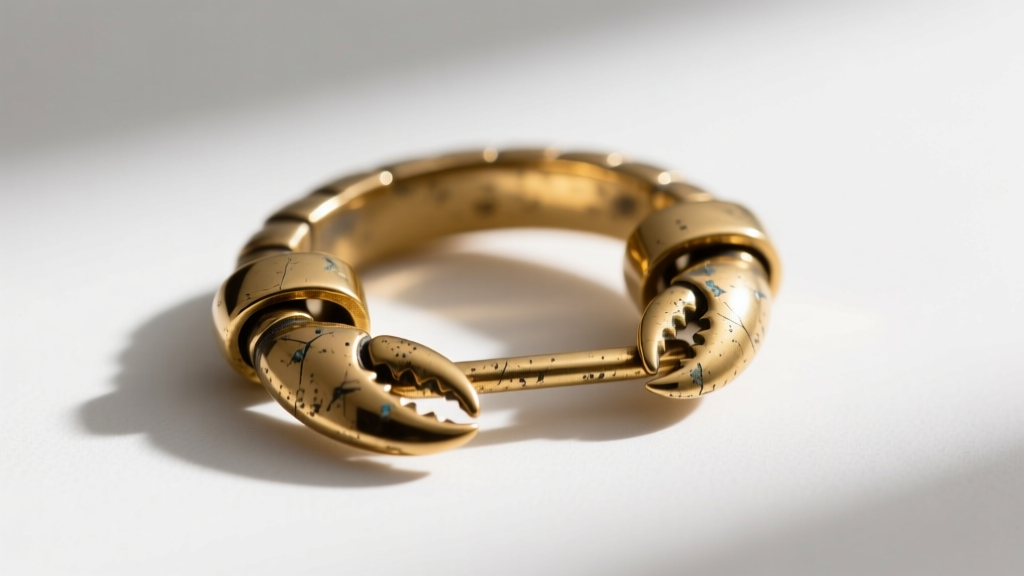
The ornate spacers, clasps, and chain links in a typical Chico's necklace are generally cast from zinc alloy or brass. The gold or silver tone is achieved through flash plating—an electrochemical process that deposits a microscopically thin layer of gold (often less than 0.175 microns) or rhodium over the base metal. The Federal Trade Commission (FTC) Jewelry Guides strictly regulate how these metals can be marketed, which is why you will rarely see a "14k" stamp on these pieces; instead, they are labeled as "gold-tone" or "base metal."
Price-to-Value Matrix: Where Does It Sit?
To contextualize the budget assessment, we must compare the Chico's turquoise necklace against other market tiers. This matrix illustrates where your money is actually going across different price brackets.
| Jewelry Tier | Typical Retail Price | Stone Material | Hardware / Metals | Resale Value Retention |
|---|---|---|---|---|
| Fast Fashion (e.g., Chico's, H&M) | $49 - $89 | Dyed Howlite / Resin | Zinc Alloy, Flash Plated | 10% - 20% ($10-$15) |
| Mid-Range Artisan (Etsy, Local Jewelers) | $150 - $350 | Genuine Stabilized Turquoise | Sterling Silver, Light Gold Vermeil | 40% - 60% |
| High-End Native American / Fine | $800 - $3,000+ | Natural, Untreated High-Grade | Solid 14k Gold, Heavy Sterling | 80% - 120% (Appreciates) |
As the data indicates, purchasing a Chico's turquoise necklace is purely a consumable fashion expense, not an investment. The moment the piece leaves the retail environment, its financial value drops precipitously. On secondary market platforms like Poshmark or eBay, these necklaces routinely sell for between $12 and $18, reflecting the intrinsic value of the base metals and synthetic stones.
Longevity, Tarnish, and Skin Reactions
When evaluating budget jewelry, longevity is a critical metric. A $60 necklace is a reasonable expenditure if it lasts for five years of regular wear; it is a poor value if it degrades in three months.
The Tarnish Factor
Because the hardware relies on flash plating, the gold-tone finish will inevitably wear away at high-friction points, such as the lobster clasp hinge, the jump rings, and the back of the pendant where it rests against the skin. Once the brass or zinc core is exposed to oxygen and the natural acids in your sweat, it will oxidize, turning a dull brown or greenish-black. Unlike solid gold or sterling silver, which can be polished back to a shine, flash-plated base metal cannot be restored without professional re-plating, which costs more than the necklace itself.
Contact Dermatitis Risks
Budget fashion jewelry frequently contains trace amounts of nickel within the zinc or brass alloys to increase casting durability. For individuals with nickel sensitivities, prolonged skin contact with the exposed base metal of a heavy statement necklace can trigger contact dermatitis. If you have sensitive skin, the value proposition of a Chico's turquoise necklace decreases significantly, as wearability is compromised.
Pro-Tip for Extending Hardware Life: To delay the inevitable oxidation of base metal fashion jewelry, apply a thin coat of clear, non-yellowing nail polish or a specialized jewelry shield spray to the back of the metal spacers and the clasp mechanism before wearing. This creates a temporary barrier against skin oils and moisture.
The Verdict: Budget Fashion vs. Heirloom Investment
Is a Chico's turquoise necklace worth the price? The answer depends entirely on your definition of "value."
If you are seeking a temporary, trend-driven accessory to complete a specific bohemian or resort-wear outfit, and you view jewelry as a disposable sartorial tool rather than a lasting asset, the $50 to $80 price tag is justifiable. The brand excels at designing visually striking, well-proportioned statement pieces that photograph beautifully and offer immediate aesthetic gratification without the anxiety of wearing a $2,000 heirloom piece on vacation.
However, if your budget assessment criteria include material authenticity, metallurgical longevity, and resale value, the Chico's turquoise necklace falls short. For the same $60 budget, you could pivot to the secondary market and purchase a vintage, genuine sterling silver and turquoise squash blossom necklace component, or save for an additional three months to commission a piece from a verified Native American silversmith using genuine Kingman turquoise and solid sterling silver.
Ultimately, understanding that you are paying for brand curation and design rather than gemological or metallurgical intrinsic value allows you to shop smarter. Buy the Chico's necklace for the look it provides today, but manage your expectations regarding its lifespan and financial worth tomorrow.


