Annabeth Necklace Materials: Silver vs Bronze vs Gold
Discover the best metals for your Annabeth necklace. We compare sterling silver, bronze, and gold owl pendants for durability, pricing, and skin safety.

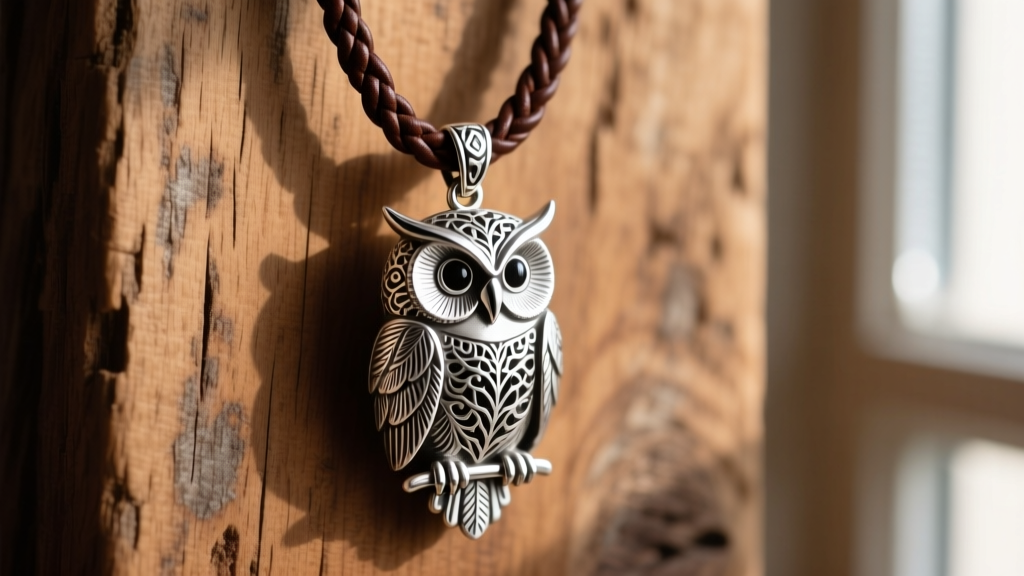
The Quest for the Perfect Annabeth Necklace
Since the debut of the Percy Jackson franchise, the Annabeth necklace—characterized by its Athena-inspired owl pendant and Camp Half-Blood clay beads—has become a staple in pop-culture jewelry. However, as we navigate the jewelry market in 2026, fans and collectors face a labyrinth of metallurgical claims. Search for an 'annabeth necklace' online, and you will encounter everything from $12 drop-shipped zinc alloys to $800 solid gold custom casts. Choosing the right material is not just about aesthetics; it dictates the pendant's weight, skin reactivity, and long-term survival against sweat and friction.
This guide bypasses the marketing fluff to deliver a硬核 (hardcore) metallurgical breakdown of the three most common materials used for Annabeth owl pendants: commercial bronze, sterling silver, and solid gold. Whether you are building a daily-wear piece or an accurate cosplay replica, understanding these material properties is essential.
The 'Celestial Bronze' Reality: Brass vs. True Bronze
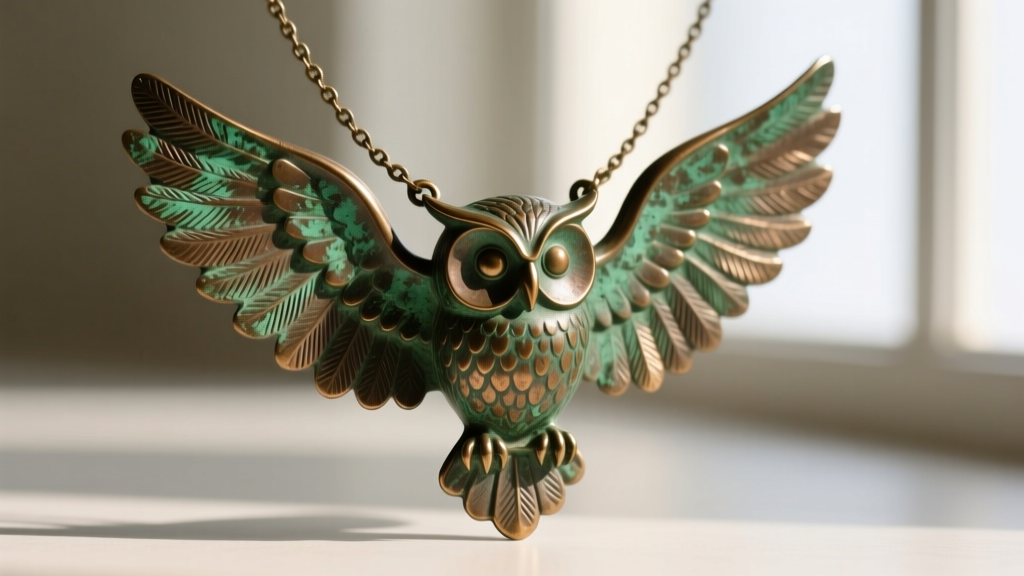
In the lore of Camp Half-Blood, celestial bronze is a magical metal lethal to monsters. In the real-world jewelry market, the term 'bronze' is frequently abused. Most mass-produced Annabeth necklaces labeled as bronze are actually brass (an alloy of copper and zinc) or commercial bronze (which is also primarily copper and zinc, containing no actual tin). True metallurgical bronze is an alloy of copper and tin, sometimes with phosphorus added for hardness (phosphor bronze).
The Green Skin Phenomenon
The most common complaint with copper-heavy alloys is the green discoloration left on the sternum. This is not an allergic reaction, but a chemical one. When the copper in the bronze reacts with the chlorides and acids in your sweat, it forms copper chloride—a green salt that transfers to the skin. According to the Copper Development Association, the rate of this oxidation depends heavily on the wearer's skin pH and the exact copper percentage in the alloy.
- Brass (Cu + Zn): Highly prone to rapid tarnishing and skin greening. Usually the cheapest option ($15–$35).
- True Bronze (Cu + Sn): Develops a rich, dark brown patina over time. Less likely to turn skin green than brass, but still requires maintenance ($45–$90).
- Phosphor Bronze: Exceptionally hard and wear-resistant. Rarely used in cast jewelry due to high melting points, but superior for stamped pendants.
Pro-Tip for Bronze Wearers: To seal a bronze Annabeth necklace and prevent both patina and skin staining, apply a micro-crystalline wax like Renaissance Wax. Reapply every 3 to 4 weeks depending on wear frequency.
Sterling Silver (925): The Everyday Workhorse
For fans seeking a balance of authenticity, durability, and hypoallergenic properties, 925 Sterling Silver is the undisputed champion for an Annabeth necklace. Sterling silver is an alloy consisting of 92.5% pure silver and 7.5% other metals, almost always copper. The Silver Institute notes that this specific ratio provides the necessary Vickers hardness (approx. 65-75 HV) to hold crisp casting details—crucial for the intricate feather textures on the owl's wings.
Tarnish vs. Rust: Understanding Silver Degradation
Silver does not rust (iron oxide formation), but it does tarnish. The 7.5% copper in the alloy reacts with sulfur compounds in the air and in everyday products like perfume or hairspray, forming a black layer of silver sulfide. Many modern Annabeth silver pendants are plated with a micro-layer of rhodium to delay this process. While rhodium provides a brilliant, white-metal shine, it eventually wears off on high-friction areas, revealing the warmer, slightly yellowish undertone of raw sterling silver beneath.
Pricing Expectation: A high-quality, solid cast 925 sterling silver owl pendant (excluding the chain or cord) typically ranges from $65 to $140, depending on the weight and the complexity of the lost-wax casting.
Solid Gold & Vermeil: The Premium Upgrade
For those treating their Annabeth necklace as a fine jewelry investment rather than mere fandom merchandise, gold is the ultimate choice. However, the terminology surrounding gold jewelry requires strict scrutiny.
14k vs. 18k Solid Gold
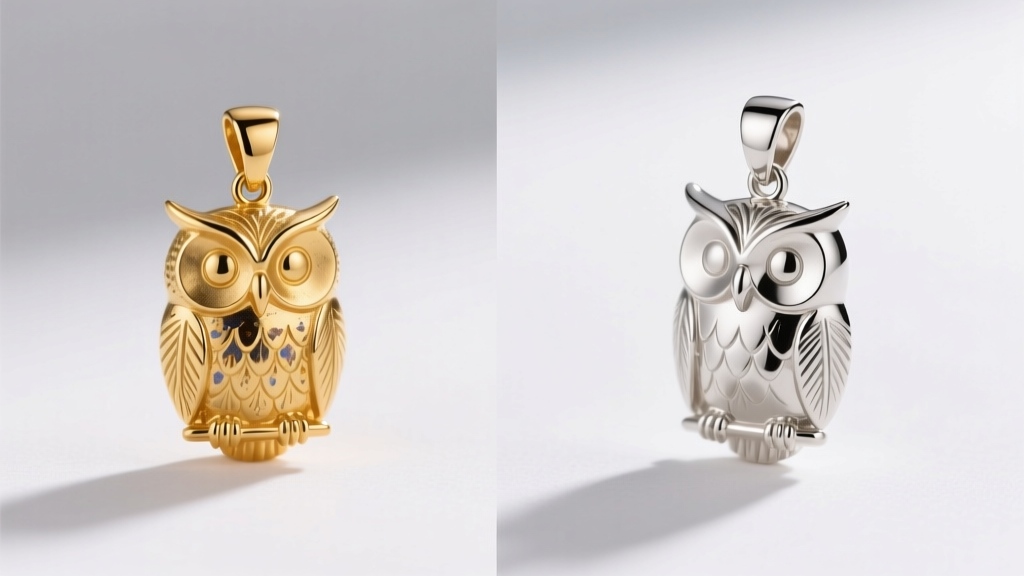
Pure 24k gold is far too soft (approx. 25 HV) to hold the sharp edges of an owl's beak or the Camp Half-Blood bead engravings. Therefore, it is alloyed with other metals. According to the Gemological Institute of America (GIA), 14k gold (58.5% pure gold) offers superior scratch resistance and a slightly paler yellow hue, making it ideal for daily wear. 18k gold (75% pure gold) provides a richer, deeper yellow color and better tarnish resistance but is softer and more prone to micro-scratches. Expect to pay between $350 and $800+ for a solid 14k gold Annabeth pendant.
The Vermeil Trap
Gold vermeil is a step above standard gold plating. By FTC guidelines, vermeil must have a sterling silver base and a gold layer of at least 2.5 microns thick. Standard gold-plated brass pendants often have a gold layer of less than 0.5 microns, which will rub off within months of daily wear, exposing the reactive brass underneath. Always verify the micron thickness before purchasing a vermeil owl pendant.
Comprehensive Material Comparison Matrix
| Material | Composition | Tarnish / Patina Risk | Skin Reactivity | Avg. Price Range (Pendant Only) |
|---|---|---|---|---|
| Zinc Alloy (Pewter) | Zinc, Aluminum, Copper | Low (but paint chips) | High (if nickel present) | $10 – $25 |
| Commercial Brass | Copper (60-80%), Zinc | High (Rapid darkening) | High (Copper chlorides) | $15 – $40 |
| True Bronze | Copper (88%), Tin (12%) | Medium (Slow brown patina) | Medium | $45 – $90 |
| 925 Sterling Silver | Silver (92.5%), Copper | Medium (Black sulfide) | Low (Hypoallergenic) | $65 – $140 |
| 14k Solid Gold | Gold (58.5%), Cu/Ag/Zn | Very Low | Very Low | $350 – $800+ |
Beyond the Pendant: Cord vs. Chain Durability
An authentic Annabeth necklace is rarely seen on a delicate metal chain; it is traditionally strung on a leather cord alongside Camp Half-Blood beads. However, from a materials science perspective, leather is a highly degradable organic polymer.
The Failure Modes of Leather Cords
Genuine leather is highly susceptible to hydrolysis and bacterial degradation when exposed to constant sweat and humidity. Over 6 to 12 months of daily summer wear, a 2mm leather cord will become brittle, crack, and eventually snap, often resulting in the loss of the pendant. Furthermore, the metal crimp clasps used to secure leather cords frequently suffer from galvanic corrosion if the clasp metal (often cheap steel) reacts with the moisture trapped in the leather.
Modern Alternatives for the Demigod Aesthetic
If you want the rugged, mythological aesthetic without the structural failure points of leather, consider these alternatives:
- Waxed Cotton Cord: Highly water-resistant, does not rot from sweat, and maintains a matte, organic texture similar to leather. (Recommended thickness: 1.5mm to 2mm).
- Braided Stainless Steel: Offers a metallic but flexible look. Marine-grade 316L stainless steel is entirely impervious to sweat and will never snap under normal tension.
- Vulcanized Rubber: Provides a sleek, modern black cord that mimics the silhouette of leather but is completely waterproof and hypoallergenic.
Final Verdict: Choosing Your Armor
The ideal material for your Annabeth necklace depends entirely on your wear habits and budget. If you are building a budget-friendly cosplay piece for occasional conventions, a sealed brass or true bronze pendant offers the most authentic, ancient-Greek aesthetic, provided you maintain it with micro-crystalline wax. For everyday wearers who want a low-maintenance, heirloom-quality piece that honors the wisdom of Athena, 925 sterling silver remains the most practical and cost-effective choice. Avoid cheap zinc alloys at all costs—they lack the weight, thermal conductivity, and historical resonance that a true demigod's pendant demands.


