Ceramic Cross Necklace Buying Guide: What to Look For
Discover what to look for when buying a ceramic cross necklace. Learn about zirconia vs. alumina, chain pairings, and pricing in this expert guide.

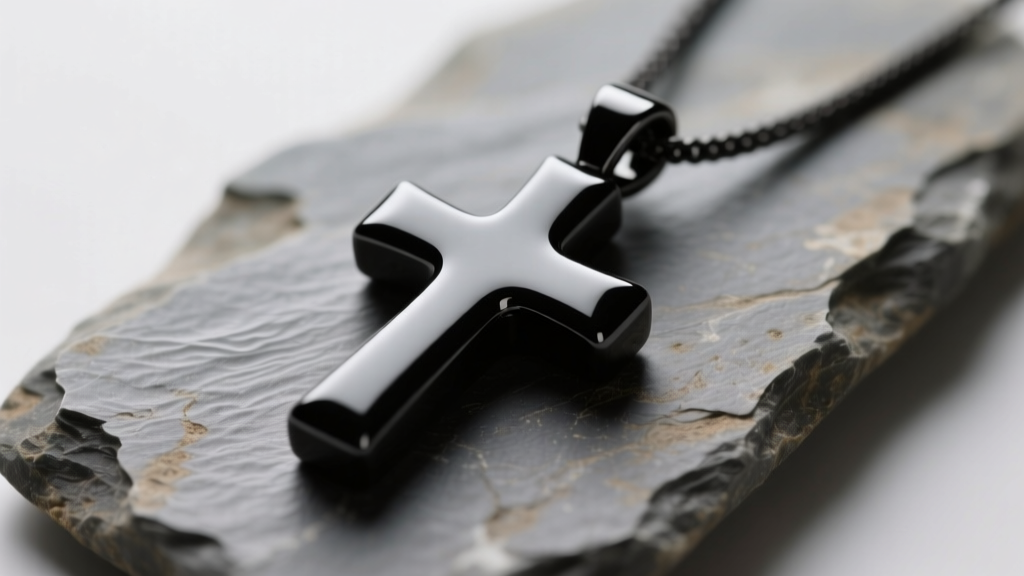
The Evolution of High-Tech Ceramic Pendants
When most consumers hear the word "ceramic," they envision fragile pottery or delicate teacups. However, the modern jewelry landscape has completely redefined this material. Today, a ceramic cross necklace represents a fusion of ancient symbolism and cutting-edge materials science. As we navigate the 2026 market, technical ceramics—specifically those engineered for aerospace and luxury horology—have become highly sought after for their scratch resistance, hypoallergenic properties, and striking visual depth. But not all ceramic pendants are created equal. The gap between a mass-produced, kiln-fired clay pendant and a precision-machined zirconia cross is vast, both in durability and price. This comprehensive buying guide will walk you through the exact material grades, structural engineering nuances, and chain pairing strategies you need to know before investing in a ceramic cross necklace. Whether you are seeking a minimalist everyday piece or a high-end luxury statement, understanding the metallurgy and mechanics behind these pendants is crucial for making an informed purchase.
The Material Science: Yttria-Stabilized Zirconia vs. Alumina
To evaluate a ceramic cross necklace, you must first understand the base material. The two most common technical ceramics used in premium jewelry are Aluminum Oxide (Alumina) and Yttria-Stabilized Zirconia (YSZ). According to materials science data from ScienceDirect's materials database, YSZ is the gold standard for luxury wearable tech and jewelry. Unlike traditional ceramics that are prone to shattering upon impact, YSZ undergoes a process called "transformation toughening." When a micro-crack begins to form in the zirconia crystal lattice, the material undergoes a localized phase change that expands in volume, effectively pinching the crack shut and preventing catastrophic failure. This makes YSZ significantly more fracture-resistant than alumina.
Furthermore, YSZ boasts a Mohs hardness rating of 8.5 to 9.0, meaning it is virtually impervious to everyday scratches from keys, coins, or accidental desk impacts. Alumina, while slightly harder at 9.0, is much more brittle and lacks the transformation toughening property, making it a riskier choice for a pendant that rests against the sternum and is subject to sudden swings or impacts. When shopping, always check the product specifications for "high-tech ceramic," "zirconia," or "YSZ." If the brand simply lists "ceramic" without qualification, it is likely a lower-grade composite or traditional clay that will chip easily.
| Property | Yttria-Stabilized Zirconia (YSZ) | Aluminum Oxide (Alumina) | Traditional Clay/Ceramic |
|---|---|---|---|
| Mohs Hardness | 8.5 - 9.0 | 9.0 | 3.0 - 5.0 |
| Fracture Toughness | High (Transformation Toughening) | Low (Brittle) | Very Low |
| Weight / Density | High (Feels substantial) | Medium | Low |
| Best Use Case | Premium everyday pendants | Decorative inlays | Fast fashion / Costumes |
Structural Integrity: Bails, Casings, and Inlays
One of the most critical, yet frequently overlooked, aspects of buying a ceramic cross necklace is how the pendant connects to the chain. Ceramic cannot be soldered. You cannot simply weld a metal bail onto a zirconia cross using traditional jewelry torches; the thermal shock will instantly shatter the pendant. Therefore, the bail attachment method is the primary point of failure in ceramic jewelry. There are three main construction methods you will encounter in the market.
The first is the friction-fit metal bail, where a precisely engineered metal loop is pressed into a laser-drilled hole in the ceramic. This requires microscopic tolerances; if the fit is too loose, the bail will eventually work itself free, and if it is too tight, the insertion process will crack the ceramic. The second method is aerospace-grade adhesive bonding. High-end manufacturers use specialized cyanoacrylate or epoxy resins to bond a metal bail to a flat surface or recessed groove on the cross. While strong, adhesives can degrade over years of exposure to sweat, perfumes, and ultrasonic cleaners.
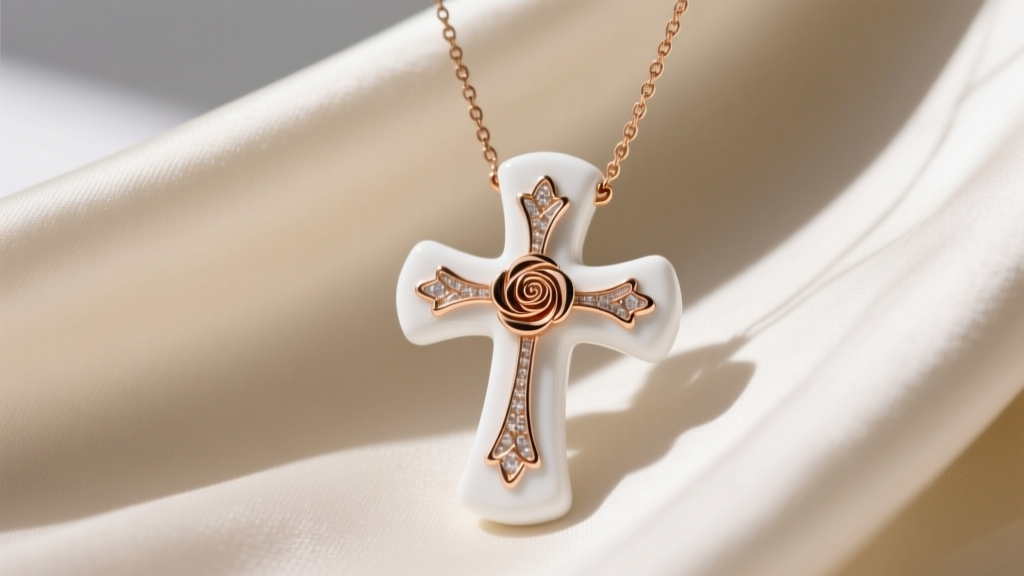
The Superiority of Metal Bezels
The third, and most secure, method is the metal bezel or casing. In this design, the ceramic cross is cut to exact dimensions and permanently set inside a stainless steel, titanium, or precious metal frame. The bail is then attached to the metal frame, completely bypassing the need to drill or glue the ceramic itself. According to jewelry manufacturing insights from JCK industry publications, bezel-set ceramic pendants have the lowest return and repair rates in the industry. If you are buying a solid ceramic cross without a metal casing, inspect the bail closely. Ensure it is seated deeply and shows no visible residue of cheap glue, which indicates poor quality control.
Chain Selection and Weight Distribution
Ceramic is remarkably dense. A solid zirconia cross pendant will feel noticeably heavier than a hollow gold or silver cross of the exact same dimensions. This density requires a chain that can support the weight without stretching or breaking, while also complementing the sleek, modern aesthetic of the ceramic. Avoid delicate chains like 0.9mm cable or thin snake chains; the weight of the ceramic will cause these chains to kink, stretch, or snap at the clasp.
- Box Chains (1.5mm - 2.5mm): Exceptional choices for ceramic pendants. Their interlocking geometric links provide immense tensile strength and lay flat against the skin, preventing the heavy pendant from flipping over.
- Wheat Chains (1.5mm - 2.0mm): Offer a beautiful braided texture that complements the smooth finish of high-tech ceramic while maintaining a high weight tolerance.
- Rope Chains (Use with Caution): While beautiful, thick rope chains can sometimes act like a flexible saw against the drilled hole of a solid ceramic bail, slowly wearing away the material over years of friction.
Always pair your ceramic cross with a chain that features a secure clasp, such as a lobster claw or a box clasp with a safety figure-eight. The Gemological Institute of America (GIA) frequently notes that pendant weight must be matched with appropriate chain gauges to prevent catastrophic loss, a rule that is doubly important when dealing with heavy, shatter-prone materials like technical ceramics.
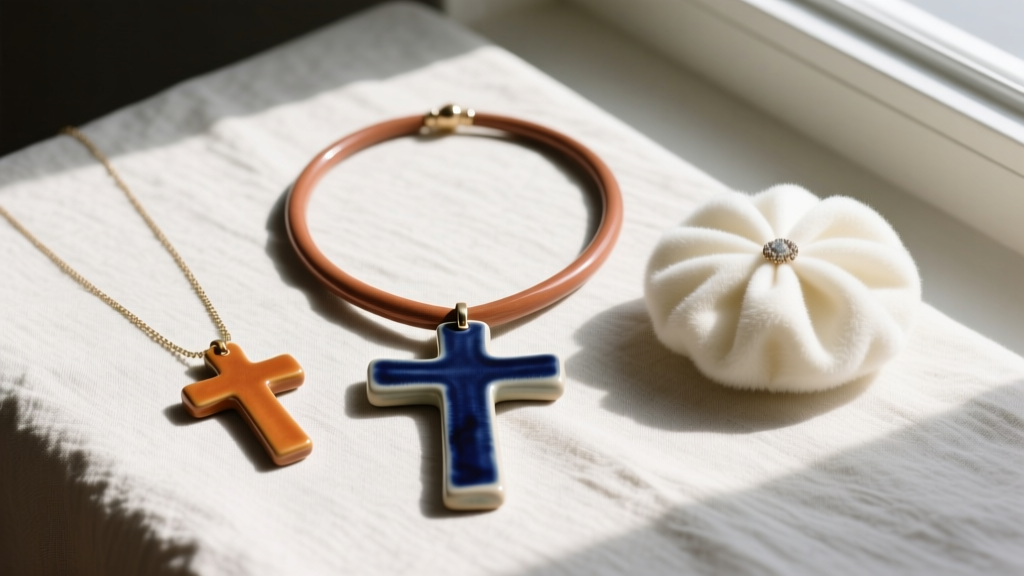
Pricing Tiers and Value Indicators
Understanding the pricing landscape will help you avoid overpaying for inferior materials or underestimating the value of precision engineering. In the entry-level tier ($15 to $45), you will mostly find traditional kiln-fired ceramics or low-grade alumina composites. These pieces are often mass-produced, featuring painted details or simple glazes that can wear off over time.
The mid-tier ($80 to $250) is where you begin to find genuine YSZ pendants. These crosses are usually CNC-machined for perfect symmetry, feature high-polish or matte sandblasted finishes, and utilize secure friction-fit or bonded bails. Brands in this space often offer sterling silver or gold-plated chain pairings. The luxury tier ($400 to $1,500+) features high-tech zirconia crosses set in solid 14k or 18k gold, titanium, or platinum bezels. These pieces often incorporate diamond or sapphire inlays and are finished by hand to achieve mirror-like reflections on the ceramic edges. When evaluating price, demand transparency regarding the ceramic grade and the metal purity of the bail and chain.
Care and Maintenance Protocols
Maintaining a ceramic cross necklace is relatively straightforward, but it requires an understanding of the material's limitations. Solid YSZ is highly resistant to chemicals, meaning it will not tarnish or react to chlorine, saltwater, or acidic sweat. You can safely wipe the ceramic surface with a damp microfiber cloth to restore its luster. However, you must be extremely cautious with ultrasonic jewelry cleaners. While the ceramic itself can withstand ultrasonic vibrations, the high-frequency waves can easily compromise the adhesive bonds holding the metal bail or any gemstone inlays in place.
Furthermore, avoid dropping the pendant on hard surfaces like tile or concrete. Despite its transformation toughening, a direct, high-velocity impact on a sharp edge can still cause a chip or fracture. Store your ceramic cross necklace separately from diamond jewelry; while diamonds (Mohs 10) can scratch ceramic, the ceramic can easily scratch softer metals and gemstones if tossed together in a communal jewelry box. By following these protocols, your high-tech ceramic cross will maintain its pristine, scratch-free finish for decades.


