Hamsa Necklace Meaning: Fixing Orientation, Care & Luck Myths
Discover the true hamsa necklace meaning, troubleshoot hand orientation myths, and learn expert care tips to prevent tarnishing and breakage.

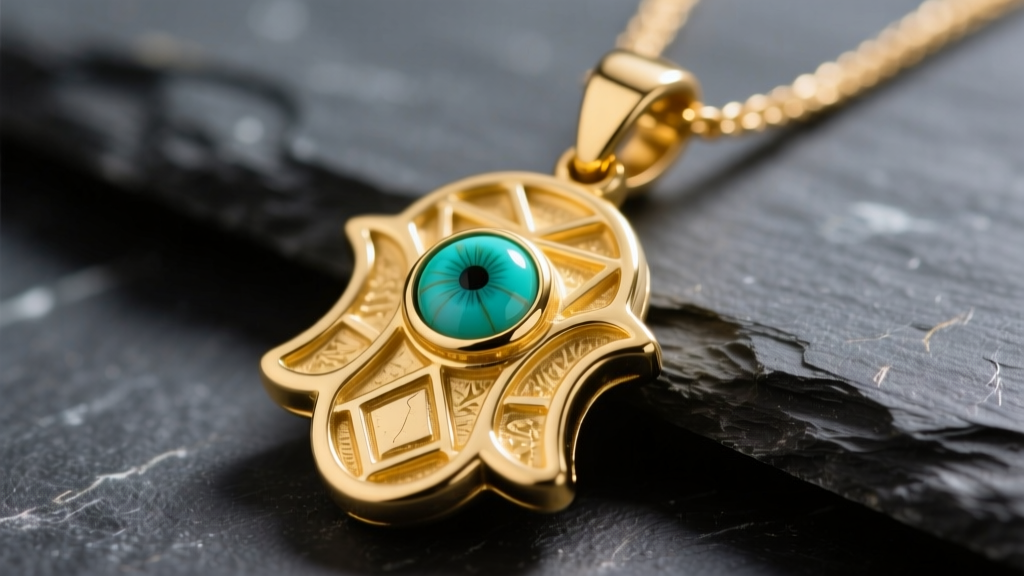
The hamsa hand is one of the most recognizable and deeply revered symbols in global jewelry, yet its transition from ancient talisman to everyday fashion staple has created a host of modern styling and maintenance dilemmas. Understanding the true hamsa necklace meaning goes far beyond recognizing its aesthetic appeal; it requires navigating cultural nuances, deciphering symbolic orientations, and troubleshooting the physical wear-and-tear that plagues delicate pendant designs. As we look at jewelry trends in 2026, the demand for meaningful, protective amulets is higher than ever, but so is the frustration surrounding broken chains, tarnished metals, and faded enamel.
This comprehensive troubleshooting guide will help you decode the symbolism, fix common structural failures, and maintain the metallurgical integrity of your hamsa pendant, ensuring it remains a powerful and pristine protector for years to come.
The Core Hamsa Necklace Meaning: Beyond the Aesthetic
Before troubleshooting how to wear or repair your piece, it is vital to ground yourself in its origins. The hamsa (derived from the Arabic word for 'five') represents the Hand of Fatima in Islamic tradition and the Hand of Miriam in Jewish culture. According to Britannica, the symbol universally serves as an amulet against the 'evil eye'—a curse born from envy or malicious glares—and is believed to invite health, happiness, and good fortune.
When you wear a hamsa necklace, you are engaging with a centuries-old lineage of protective magic. However, modern wearers frequently encounter three primary problems: choosing the correct hand orientation, dealing with physical breakage, and managing material degradation. Let's break down each issue with expert solutions.
Troubleshooting Orientation: Hand Up vs. Hand Down
One of the most common questions we receive is whether the hamsa hand should face upward or downward. The 'correct' orientation isn't a matter of strict dogma, but rather a reflection of your specific intention. If you are wearing the piece to solve a specific spiritual or energetic problem, use the framework below to adjust your styling.
| Orientation | Primary Intention | Troubleshooting Use Case |
|---|---|---|
| Hand Facing Up | Warding off evil, setting boundaries, universal protection. | Wear this way if you feel emotionally drained, are entering a high-stress environment, or need to deflect negative energy from others. |
| Hand Facing Down | Inviting abundance, fertility, grounding, and manifesting luck. | Wear this way if you are seeking creative inspiration, trying to conceive, or looking to attract prosperity and positive opportunities. |
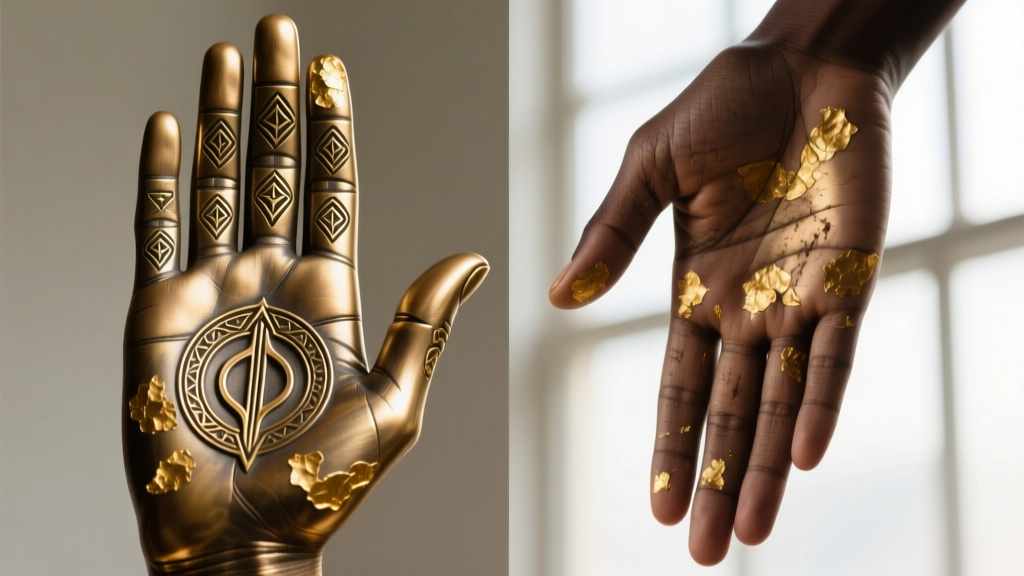
Problem: "My Hamsa Necklace Broke—Is It Bad Luck?"
A pervasive superstition suggests that if your protective amulet breaks, it has absorbed a massive amount of negative energy and 'sacrificed' itself to save you. While this is a comforting spiritual narrative, the physical reality is usually rooted in basic metallurgical failure and poor jewelry engineering. Before assuming the worst, troubleshoot the physical failure points.
Common Failure Points in Hamsa Pendants
- The Jump Ring Weakness: Many mass-market hamsa necklaces use 22-gauge or 24-gauge wire for the jump ring connecting the pendant to the chain. These ultra-thin rings can snap under just 1.5 to 2 pounds of tension. Solution: Take your necklace to a bench jeweler and request an upgrade to a 20-gauge or 18-gauge jump ring, ideally one that is soldered shut or laser-welded for maximum security.
- Center Stone Cabochon Loss: Hamsa designs frequently feature a central 'evil eye' made of glass, turquoise, or lapis lazuli. In lower-tier manufacturing, these stones are glued rather than bezel-set. Exposure to lotions, perfumes, and sweat degrades the jeweler's epoxy over time. Solution: If your center stone falls out, do not use superglue to reattach it. Have a jeweler construct a custom bezel wall to mechanically secure the stone.
- Bail Friction: The bail (the loop the chain passes through) can act like a saw against the chain links if the interior is not polished smooth. This friction will eventually snap a delicate cable or box chain.
For deeper insights into jewelry construction and stress points, resources like Rio Grande offer extensive guides on how proper soldering and gauge selection prevent catastrophic pendant failures.
Material Troubleshooting: Preventing Tarnish and Skin Reactions
The hamsa necklace meaning is rooted in purity and protection, but a tarnished, green-stained piece of jewelry hardly feels protective. Material degradation is the most frequent technical issue our readers face. Here is how to troubleshoot based on your specific metal grade.
925 Sterling Silver Tarnishing
Sterling silver contains 7.5% copper, which reacts with sulfur in the air and the natural acids in your skin, resulting in a dark, oxidized layer. If your silver hamsa is turning black, it is not cursed; it is simply oxidizing. Troubleshooting: Avoid using harsh silver dips on hamsas that feature enamel work or porous stones like turquoise, as the chemicals will strip the color. Instead, use a mild dish soap bath and a dedicated silver polishing cloth. Store the piece in an anti-tarnish bag with activated charcoal strips when not in use.
Gold Vermeil Wear-Through
Gold vermeil is sterling silver coated with a layer of gold. By 2026 industry standards, true vermeil must have a gold layer of at least 2.5 microns thick, though many fast-fashion brands cut corners with 0.5-micron flash plating. If the silver is bleeding through the fingers or palm of your hamsa, the plating has failed. Troubleshooting: You cannot polish this back to gold. The piece must be professionally re-plated via electroplating. To extend the life of vermeil, never wear it in the shower or apply perfume directly to the chest area before putting the necklace on.
Enamel Chipping and Ultrasonic Damage
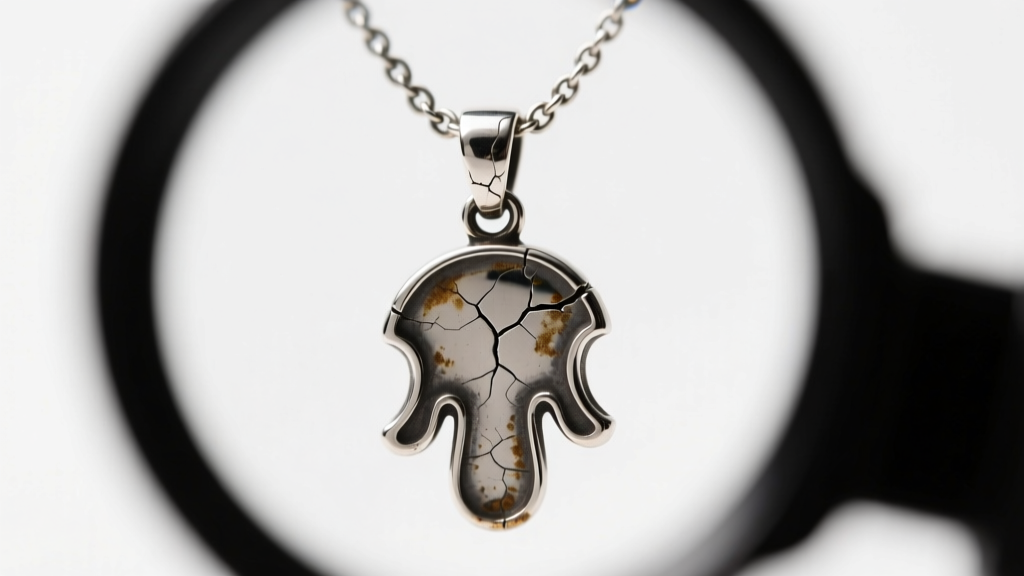
Many contemporary hamsa pendants utilize vibrant vitreous or epoxy enamel to color the hand. A common troubleshooting mistake is placing these pendants in ultrasonic jewelry cleaners. The high-frequency vibrations will shatter the enamel bond, causing it to flake off the metal base. Always clean enameled hamsas gently by hand with a soft microfiber cloth and warm water.
Cultural Respect vs. Appropriation: Navigating Modern Styling
Another 'problem' modern wearers face is the anxiety surrounding cultural appropriation. Because the hamsa holds sacred significance in multiple Middle Eastern and North African cultures, wearing it purely as a trendy festival accessory can be viewed as disrespectful.
To honor the hamsa necklace meaning while avoiding appropriation, focus on intentionality and sourcing. Purchase your hamsa jewelry from artisans of Middle Eastern, Jewish, or North African descent whenever possible. Support brands that give back to the communities from which these symbols originate. When asked about your necklace, use it as an opportunity to educate others on its rich history of coexistence and shared protection, rather than dismissing it as a mere bohemian fashion statement.
Quick Troubleshooting Checklist for Hamsa Wearers
Keep this checklist handy to ensure your protective amulet remains in peak physical and energetic condition:
- Monthly Bail Check: Inspect the bail and jump ring with a magnifying glass for microscopic stress fractures.
- Bi-Annual Professional Polish: Have a jeweler check the structural integrity of any prong-set gemstones on the fingers of the hamsa.
- Energetic Cleansing: If you feel the piece has absorbed heavy energy, cleanse it physically with a gentle soap wash, and energetically by leaving it under the light of a full moon or resting it on a bed of clear quartz.
- Chain Pairing: Ensure the chain thickness matches the bail. A heavy 14k gold hamsa pendant will quickly destroy a fragile 1mm cable chain; opt for a 1.5mm to 2mm rope or box chain for adequate support.
By understanding both the spiritual depth and the physical mechanics of your jewelry, you ensure that your hamsa pendant remains a resilient, beautiful, and meaningful guardian for your daily life. For ongoing gemstone and metal care guidelines, always refer to the Gemological Institute of America (GIA) to keep your precious metals and stones in pristine condition.


