Chief of War Necklace Guide: Metals, Weight & Chains
Discover what to look for in a chief of war necklace. Our buyer guide covers metal grades, chain gauges, weight distribution, and secure clasps.

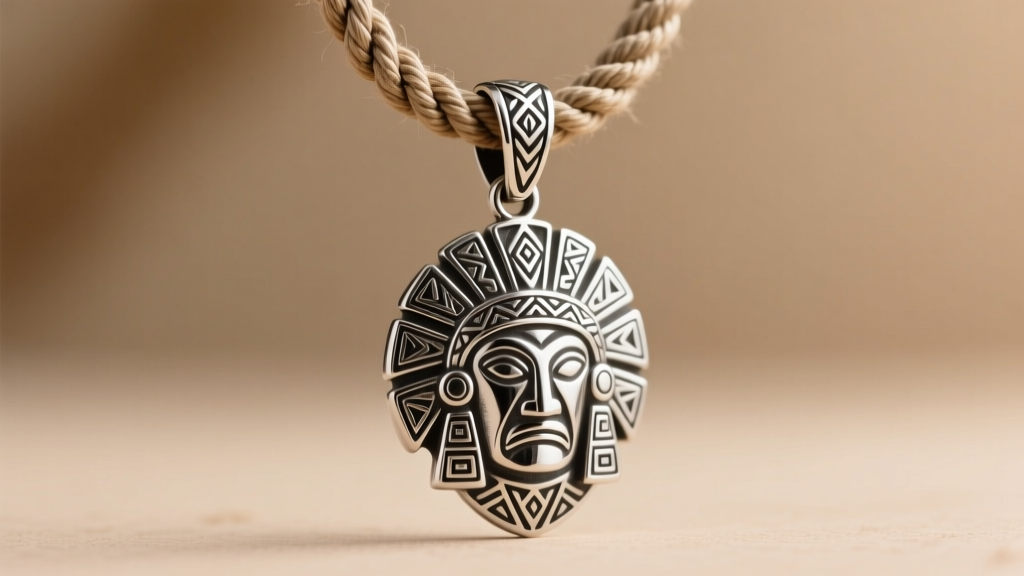
The Anatomy of a Chief of War Necklace
In the realm of statement jewelry, the "chief of war" necklace represents a distinct archetype. Rather than a single historical artifact, this term categorizes heavy, bold pendants featuring tribal, Viking, Celtic, or fantasy motifs. These pieces are designed to command attention, often depicting shields, axes, animal totems, or intricate geometric tribal faces. As we move through 2026, advancements in lost-wax casting and 3D wax printing have allowed artisans to produce incredibly detailed chief of war pendants without the microscopic porosity that plagued older mass-produced replicas. However, buying a piece of this magnitude requires more than just an eye for aesthetics; it demands a strict understanding of metallurgy, weight distribution, and structural hardware. This guide breaks down the exact specifications you need to evaluate before investing in a heavy statement piece.
Material Grades: Silver, Steel, and Bronze
The material of your pendant dictates not only its price but its longevity, weight, and how it interacts with your skin chemistry. A true chief of war necklace is typically forged from one of three primary metals, each with distinct physical properties.
925 Sterling Silver: Composed of 92.5% pure silver and 7.5% copper, this is the premium choice for high-end tribal jewelry. The copper adds necessary tensile strength, but it also makes the alloy susceptible to sulfide tarnishing. According to the Gemological Institute of America (GIA), you should always look for a stamped ".925" hallmark. For heavy pendants worn daily, seek out rhodium-plated sterling silver, which provides a hard, tarnish-resistant barrier that maintains a bright white luster.
316L Surgical Stainless Steel: This is the workhorse of modern statement jewelry. The "L" stands for low carbon, and the alloy includes 2-3% molybdenum, which drastically increases corrosion resistance against sweat and chlorides. It is highly hypoallergenic and will not turn your skin green. While it lacks the prestige and intrinsic value of silver, its sheer durability makes it ideal for massive, heavy pendants that might dent or scratch if cast in softer precious metals.
Cast Bronze and Brass: Often used for historical replicas and antiqued tribal pieces, bronze (copper and tin) offers a beautiful, warm patina. However, unsealed bronze will oxidize and react with the acids in your sweat, leaving a harmless but unsightly green copper chloride residue on your chest. If buying bronze, ensure the artisan has applied a jewelry-grade clear resin sealant to the back of the pendant.
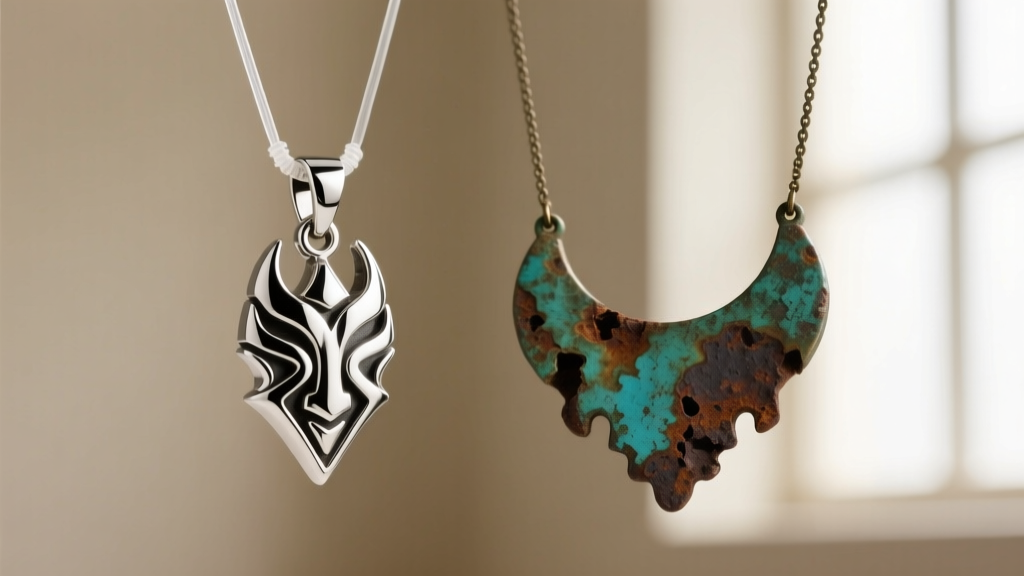
Material Comparison Matrix
| Metal Alloy | Density (g/cm³) | Tarnish Profile | Price Range (USD) | Best Use Case |
|---|---|---|---|---|
| 925 Sterling Silver | 10.49 | Moderate (Requires polishing) | $150 - $600+ | Heirloom pieces, formal tribal wear |
| 316L Stainless Steel | 8.00 | None (Highly resistant) | $40 - $120 | Daily wear, active lifestyles, heavy weights |
| Cast Bronze | 8.80 | High (Develops patina) | $60 - $200 | Historical replicas, cosplay, antiqued aesthetics |
| Zinc Alloy (Avoid) | 6.60 | Severe (Degrades quickly) | $10 - $30 | Costume jewelry only (Not recommended) |
Chain Gauges, Bails, and Weight Distribution
A common failure point in heavy statement jewelry is the mismatch between the pendant's mass and the chain's tensile strength. A chief of war pendant typically weighs anywhere from 35 grams to over 80 grams. If you hang an 80-gram bronze totem on a delicate 3mm chain, the links will slowly stretch, deform, and eventually snap under the kinetic force of your daily movement.
The Bail Bottleneck: The bail (the loop at the top of the pendant) dictates your maximum chain thickness. Many mass-produced pendants feature narrow bails with an inner diameter of only 4mm, forcing you to use thin, inadequate chains. When shopping, verify the bail's inner diameter. A proper chief of war pendant should feature a reinforced, oversized bail with at least a 6mm to 8mm inner clearance to accommodate heavy-duty chains.
Chain Recommendations: For pendants weighing over 40 grams, you need a chain with high structural integrity. The Jewelers of America notes that interlocking link styles distribute stress more evenly than simple cable chains. Opt for a 6mm to 8mm Rope Chain (which offers exceptional tensile strength due to its twisted, multi-link geometry) or a 5mm to 7mm Cuban Link Chain (which lays flat against the sternum and prevents the pendant from flipping).
Pendant Weight to Chain Thickness Ratio
- 20g - 40g Pendants: Require a minimum 4mm - 5mm chain thickness.
- 40g - 70g Pendants: Require a minimum 6mm - 8mm chain thickness.
- 70g+ Pendants: Require an 8mm+ chain, ideally in a reinforced box or thick Cuban link style.
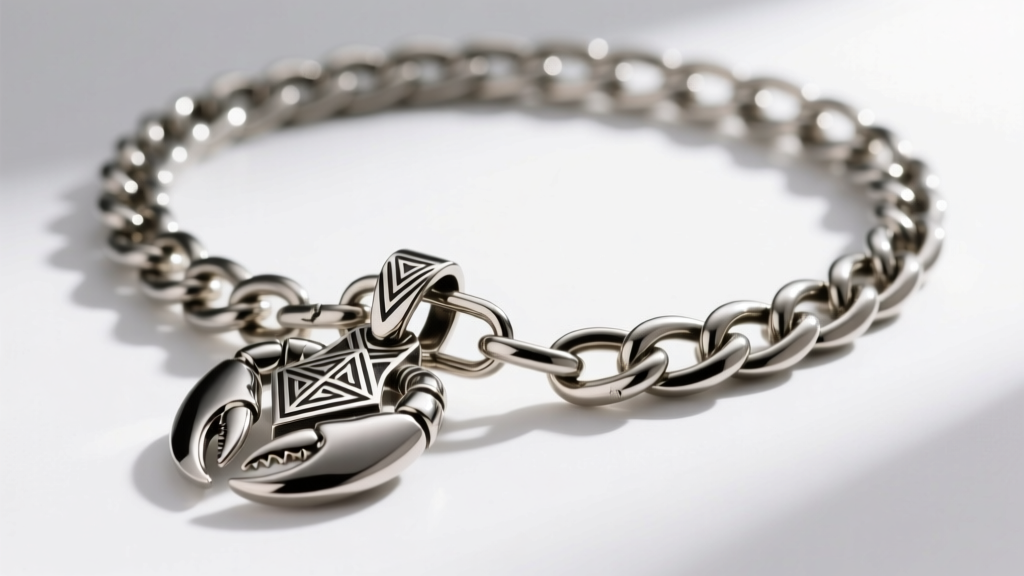
Clasp Mechanics: Preventing Catastrophic Failure
The clasp is the single weakest point of any necklace. When evaluating a chief of war necklace, you must understand the difference between static load and dynamic load. A 60-gram pendant resting on your chest exerts a static load of 60 grams. However, when you bend over, jog, or suddenly stop, the dynamic load (kinetic force) can momentarily spike to three or four times the pendant's actual weight. Standard 8mm spring-ring clasps will easily deform or snap under a dynamic load exceeding 40 grams.
For heavy tribal and historical pendants, you must demand heavy-duty hardware. Look for a 12mm to 15mm Lobster Clasp forged from solid stainless steel or sterling silver. These clasps feature a thicker internal spring mechanism and a wider jaw that securely locks into the end ring. Alternatively, a heavy steel Toggle Clasp (where a solid bar is pulled through a reinforced O-ring) is virtually fail-proof for heavy chains, as it relies on gravity and geometry rather than a tiny, fragile internal spring. Never accept a standard spring-ring or magnetic clasp on a piece weighing over 30 grams.
Sizing and Sternum Placement
Because of their sheer scale, chief of war pendants are rarely meant to sit high on the collarbone. A 20-inch chain will cause a large, heavy pendant to rest awkwardly near the base of the throat, restricting movement and looking disproportionate. The ideal placement for a statement tribal or historical piece is the upper-to-mid sternum.
For most men and women, a 22-inch to 24-inch chain provides the perfect drop. This length allows the pendant to rest flat against the chest wall, anchoring the piece visually and allowing the intricate carvings to be fully appreciated. If you are purchasing a piece online, use a soft measuring tape to map out 24 inches from the back of your neck down to your chest to visualize exactly where the focal point of the totem or shield will strike. Investing in the correct metal grade, a structurally sound chain, and a heavy-duty clasp ensures your statement piece remains a lifelong wearable artifact rather than a broken disappointment.


