Chocolate Pearl Necklace Troubleshooting: Fading, Fakes & Fixes
Discover expert troubleshooting for your chocolate pearl necklace. Learn to identify dyed fakes, fix fading, and master restringing techniques.

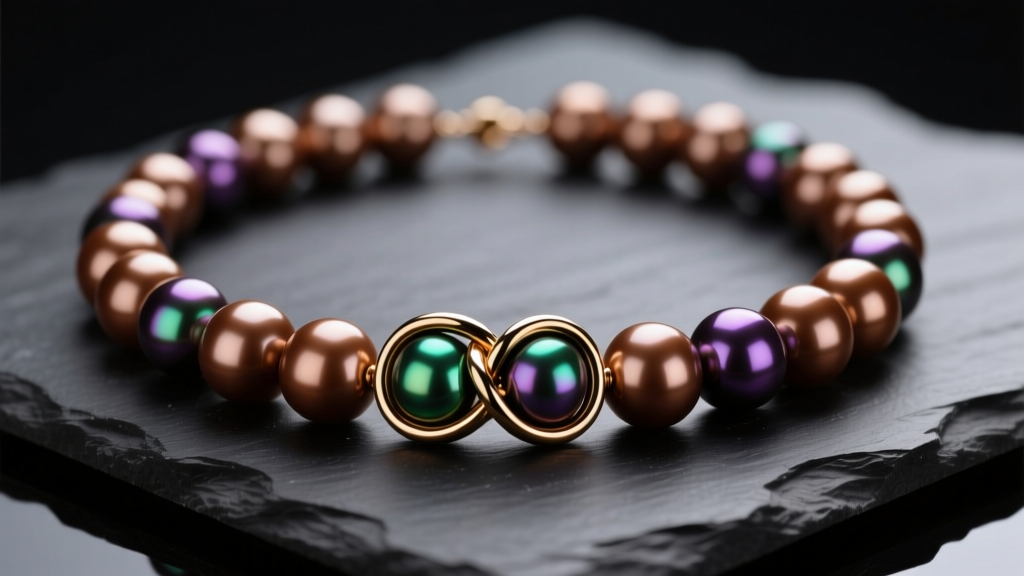
The Unique Vulnerabilities of Chocolate Pearls
The chocolate pearl necklace has surged in popularity due to its rich, earthy tones and unconventional elegance. However, from a gemological and bench-jeweler perspective, dark pearls present a unique set of structural and chemical vulnerabilities. Unlike classic white Akoya or silvery South Sea pearls, the vast majority of chocolate pearls on the market are not naturally occurring. They are typically freshwater pearls subjected to gamma irradiation or silver nitrate dyeing to achieve their deep brown hues.
While natural Tahitian pearls can exhibit chocolate overtones, true uniform chocolate Tahitians are exceedingly rare and command premium prices. Consequently, the troubleshooting required for a chocolate pearl necklace usually revolves around dye instability, nacre dehydration, and the visual consequences of improper restringing. Understanding the exact failure modes of these treatments is the first step in preserving your investment.
Diagnostic Checklist: Is Your Chocolate Pearl Necklace Real?
Before attempting any restoration or cleaning, you must definitively identify the origin and treatment of your pearls. Applying the wrong cleaning protocol to a dyed freshwater pearl can strip the color entirely, leaving you with a mottled, grayish-white strand. Grab a 10x triplet loupe and examine the drill holes and surface luster.
| Diagnostic Feature | Dyed/Irradiated Freshwater Chocolate | Natural Tahitian Chocolate |
|---|---|---|
| Price Range (18-inch strand) | $50 - $400 | $1,500 - $5,000+ |
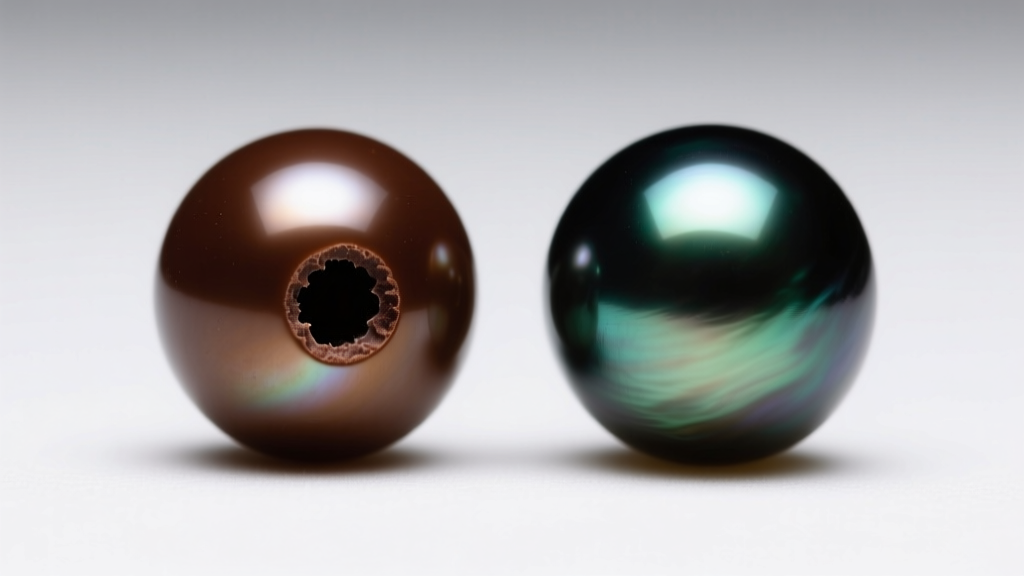
| Drill Hole Inspection (10x Loupe) | Dark ring of dye concentration visible inside the hole | Uniform color; no dark dye rings |
| Overtone & Luster | Flat, uniform brown; lacks depth | Complex peacock, bronze, or pistachio overtones |
| UV Fluorescence | Often inert or chalky blue under LWUV | Varies, often shows natural nacreous glow |
If you observe a distinct dark ring inside the drill hole, your pearls have been treated with a silver nitrate solution or organic dye. According to the Gemological Institute of America (GIA), silver nitrate treatments penetrate the porous conchiolin layers of the nacre, but they remain highly susceptible to chemical degradation from everyday wear.
Troubleshooting Fading and Discoloration
The most common complaint regarding chocolate pearl necklaces is premature fading or uneven blotching. This is rarely a defect in the pearl itself, but rather a chemical reaction between the pearl's nacre and the wearer's environment.
The Chemistry of Nacre Degradation
Pearls are composed of microscopic aragonite platelets bound together by conchiolin, an organic protein. This structure gives pearls a Mohs hardness of just 2.5 to 3.0, making them highly porous. Human sweat has a pH ranging from 4.5 to 7.0. When acidic sweat penetrates the drill holes or micro-fissures in a dyed chocolate pearl, it breaks down the conchiolin matrix, causing the dark dye to leach out. This results in the pearls looking "dusty" or reverting to a pale, muddy gray.
Can You Reverse the Fading?
If your chocolate pearls have lost their luster but the color remains relatively intact, the issue is likely surface dehydration rather than dye loss. You can temporarily restore the luster by rehydrating the nacre.
- The Mineral Oil Method: Apply a micro-drop of USP-grade mineral oil to a soft, lint-free microfiber cloth. Gently buff each pearl. Mineral oil is inert and will not go rancid. Never use olive oil, coconut oil, or commercial jewelry dips, as these will trap dirt and accelerate conchiolin decay.
- Severe Dye Loss: If the pearls have turned gray or white near the drill holes, the dye has been permanently stripped. The only fix is to send the strand to a specialized pearl processor for professional re-dyeing, a service that typically costs between $75 and $150, depending on the strand length and pearl size.
Restringing and Knotting Failures
A frequently overlooked issue with chocolate pearl necklaces is the visibility of the stringing material. Pearls are traditionally strung on white or cream silk. However, when white silk is used for dark, semi-translucent chocolate pearls, the white thread becomes glaringly visible through the drill holes and the semi-transparent edges of the nacre, creating an ugly "dotted" appearance along the strand.
The Correct Restringing Protocol
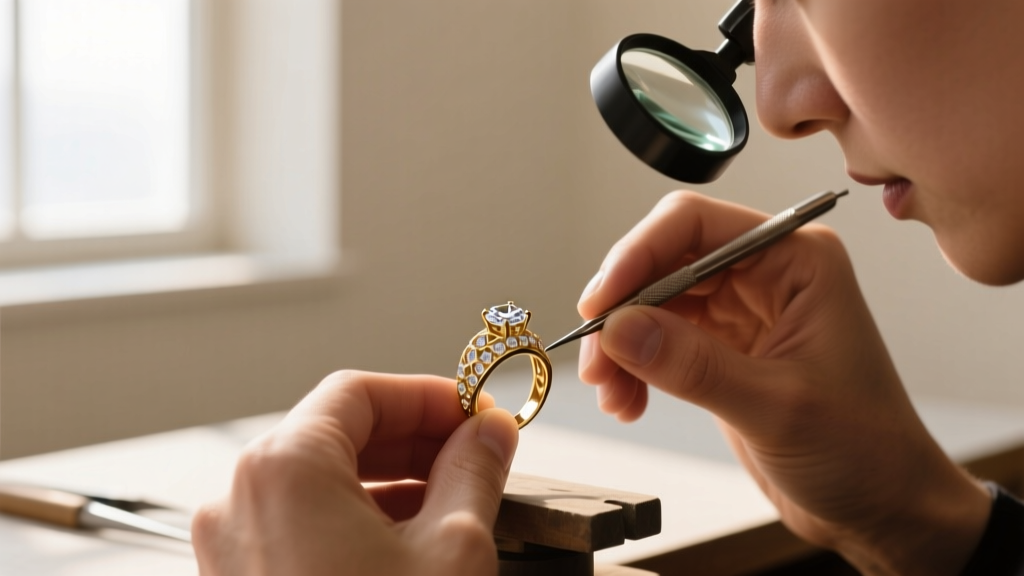
If your chocolate pearl necklace requires restringing due to stretched silk or fraying near the clasp, you must instruct your jeweler to use specific materials to maintain the visual integrity of the dark gems.
- Thread Color: Always use dark brown, bronze, or black silk. Dark brown is generally preferred as it blends seamlessly with the chocolate nacre without creating the harsh contrast of black thread.
- Thread Gauge: For standard 8mm to 10mm chocolate pearls, the drill holes are typically 0.85mm to 1.0mm. You should use Griffin Size E (0.35mm) or Size F (0.40mm) 100% natural silk thread. Synthetic nylon stretches too much and can cause the pearls to gap over time.
- Knotting Technique: French knotting (using a beading awl to push the knot flush against the pearl) is mandatory. Because dyed pearls often have slightly uneven drill holes from the coloring process, a tight knot prevents the pearls from rubbing against each other, which would otherwise grind away the dyed edges and create permanent flat spots.
For more comprehensive guidelines on maintaining the structural integrity of strung pearls, refer to the American Gem Society's pearl care resources.
Expert Maintenance Protocol
To prevent the need for troubleshooting in the first place, implement this strict maintenance protocol for your chocolate pearl necklace. Because the color is often a treatment, preventative care is vastly superior to reactive repair.
"The golden rule of pearl wear is 'Last On, First Off.' However, for dyed chocolate pearls, this rule must be elevated to an absolute mandate. Hairsprays, perfumes, and cosmetic foundations contain alcohols and solvents that will dissolve silver nitrate dyes on contact."
- Post-Wear Wiping: After every wear, wipe the strand with a damp (water only) chamois cloth to remove microscopic layers of sebum and sweat. Dry immediately with a soft cotton towel.
- Storage Environment: Store the necklace flat in a soft cotton pouch. Never hang a chocolate pearl necklace, as the weight of 8mm+ pearls will stretch the silk thread within months, leading to catastrophic string failure. Furthermore, avoid airtight plastic bags; pearls require ambient moisture to prevent the nacre from cracking.
- The Ultrasonic Ban: Never place a chocolate pearl necklace in an ultrasonic cleaner. The high-frequency vibrations will shatter the aragonite platelets and instantly strip any artificial dye from the conchiolin layers.
By understanding the gemological realities of how chocolate pearls are created and treated, you can accurately diagnose issues like fading or visible stringing, and take precise, bench-level actions to restore your necklace's original, earthy brilliance.


