Choker Necklace Gifting: How to Choose the Right Necklace in 2026
Find the perfect choker necklace for any occasion. Our 2026 gift guide covers exact lengths, metal grades, and clasp types for flawless gifting.

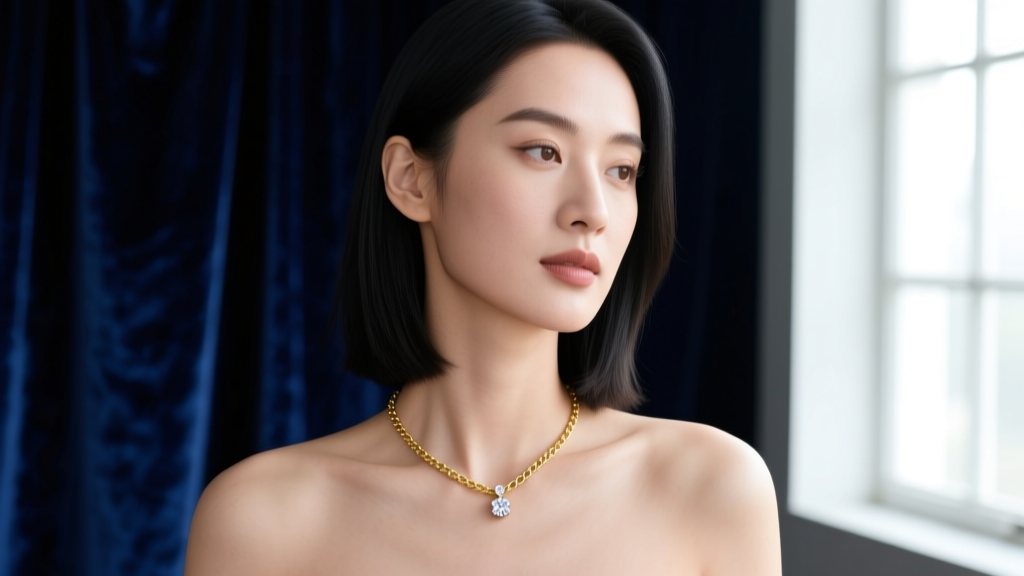
Gifting jewelry requires a nuanced understanding of the recipient's style, lifestyle, and physical comfort. When it comes to neck-adornments, the choker sits uniquely close to the skin, resting at the base of the throat. This proximity makes it an intimate, bold, and highly visible choice. However, when a buyer searches for a "choker necklace necklace" online, they are often overwhelmed by the redundancy of fast-fashion listings and vague product descriptions. As a discerning gifter in 2026, you must look past keyword-stuffed product titles and focus on actual craftsmanship, metallurgical grades, and ergonomic design.
This comprehensive guide will walk you through the precise specifications, occasion-matching frameworks, and structural details necessary to select a choker that will be cherished for a lifetime. Whether you are shopping for a minimalist everyday piece or a high-carat evening statement, understanding the anatomy of the choker is your first step toward gifting success.
The Anatomy of a Perfect Choker: Lengths and Gauges
Unlike longer pendants that swing freely, a choker must be sized with mathematical precision. A poorly fitted choker will either restrict breathing and movement or sag awkwardly, losing its defining silhouette. According to the Jewelers of America, understanding standard neck circumferences is critical for jewelers and buyers alike.
Standard Lengths and Fit
The industry standard for a classic choker is 15 inches. This length rests snugly on the collarbone for most women. However, neck sizes vary significantly based on physiology. Here is the definitive sizing framework for gifting:
- 14 Inches (The Collar): Sits tightly against the middle of the neck. Best for slender necks or rigid materials like solid gold bands and velvet ribbons.
- 15 Inches (The Standard): The most versatile length, resting just above the clavicle. Ideal for chain-link chokers and beaded designs.
- 16 Inches (The Relaxed Choker): Offers a slightly looser fit, bridging the gap between a choker and a princess-length necklace. Excellent for recipients who dislike the feeling of constriction.
Pro-Tip for Gifting: Always purchase a choker that includes a 2-inch extender chain. This eliminates the guesswork of measuring the recipient's neck and ensures a customized, comfortable fit regardless of minor weight fluctuations or swelling in warmer climates.
Occasion Matching: Which Choker for Which Event?
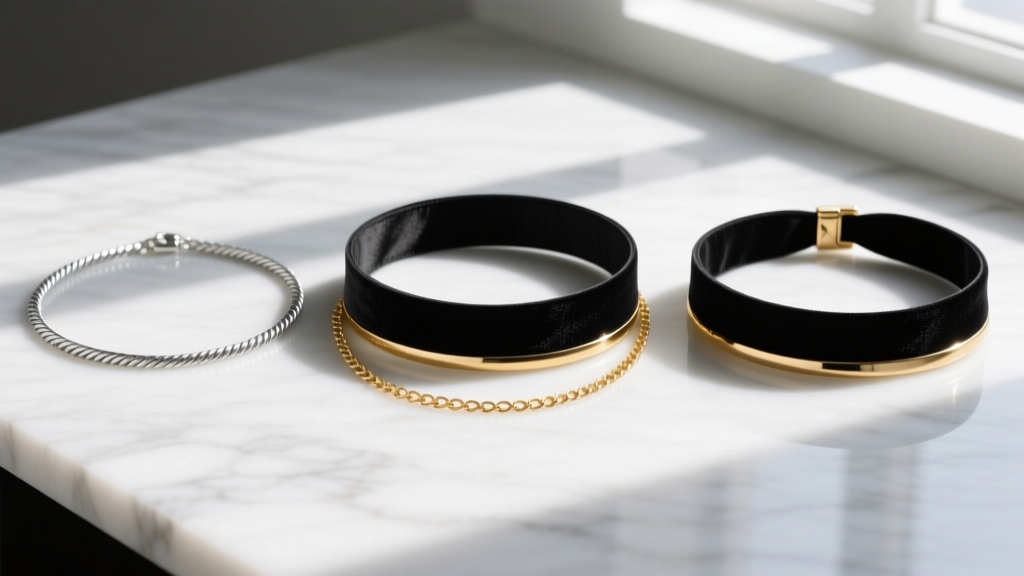
A choker is not a monolith; its material and width dictate its appropriateness for different social settings. Matching the piece to the recipient's primary lifestyle occasions ensures your gift will actually be worn.
Casual and Everyday Wear
For daily wear, the choker must withstand the elements: sweat, perfume, friction from clothing, and occasional snags. The ideal everyday choker features a width between 1.5mm and 3mm. Anything wider becomes cumbersome under collared shirts or sweaters. Materials must be highly resistant to oxidation. 316L Surgical Stainless Steel and ASTM F136 Implant-Grade Titanium are the premier choices here. They are entirely hypoallergenic, waterproof, and will not tarnish, making them perfect for the active recipient who refuses to take their jewelry off at the gym or in the shower.
Formal and Evening Events
Evening wear demands luxury, light-reflection, and structural elegance. For black-tie events, galas, or romantic dinners, pivot toward precious metals and gemstones. A 14k or 18k solid gold choker with a width of 4mm to 6mm provides enough visual weight to stand out against a dark gown or an exposed neckline. Velvet ribbon chokers (typically 10mm to 15mm wide) adorned with a singular, high-clarity diamond or sapphire drop pendant remain a timeless choice for formal occasions, echoing Victorian elegance while maintaining a modern edge.
Material Grades and Pricing Tiers
Understanding what you are actually paying for is crucial. The Federal Trade Commission (FTC) Jewelry Guides strictly regulate how metals can be marketed, yet misleading terms like "gold-filled" or "vermeil" often confuse gifters. Below is a breakdown of material grades, their longevity, and expected price ranges for high-quality chokers in 2026.
| Material / Grade | Durability & Tarnish Resistance | Price Range (USD) | Best Occasion |
|---|---|---|---|
| 316L Surgical Steel | Excellent. Waterproof, highly scratch-resistant. | $30 - $80 | Everyday, Active, Beach |
| Sterling Silver (925) | Moderate. Requires polishing; tarnishes with humidity. | $60 - $150 | Office, Casual Outings |
| Gold Vermeil (14k over Silver) | Low to Moderate. Gold layer (min 2.5 microns) will eventually wear. | $120 - $300 | Trend-driven, Occasional |
| Solid 14k Gold | Superior. Lifetime durability, retains intrinsic value. | $400 - $1,200+ | Milestones, Formal, Heirloom |
Clasp Mechanics and Failure Modes
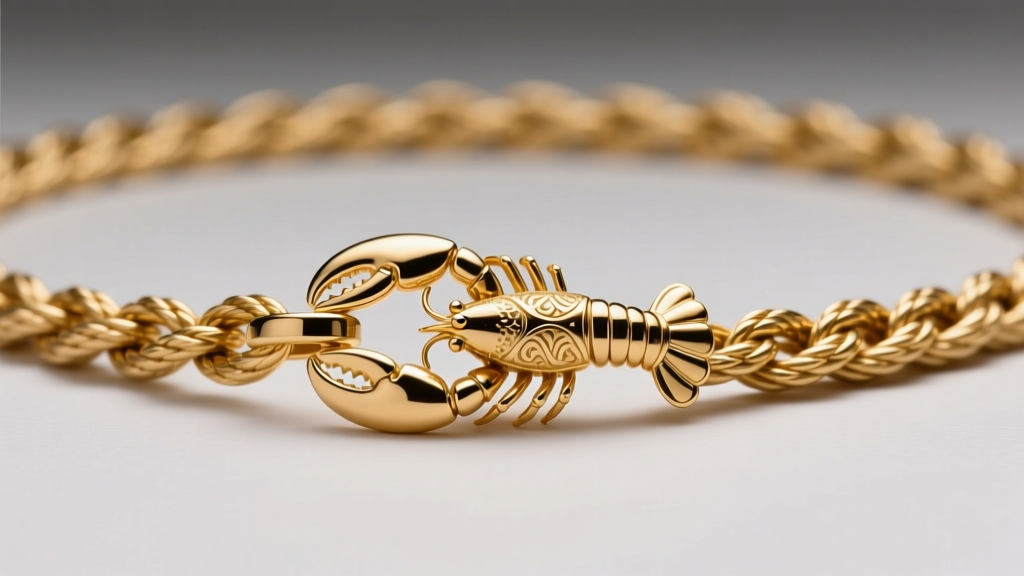
The clasp is the single most common point of failure on any necklace. A beautiful 18k gold choker is entirely useless if its clasp snaps under the weight of a pendant or pops open when catching on a silk scarf. The Gemological Institute of America (GIA) notes that the integrity of the findings (clasps, jump rings, and soldered links) is just as important as the purity of the metal.
Evaluating Clasp Types
- Spring Ring Clasps: These are the small, perfectly circular clasps commonly found on budget jewelry. Failure Mode: The internal spring mechanism is notoriously weak and prone to snapping if the choker is subjected to sudden tension. Avoid gifting chokers with spring rings if they feature heavy pendants.
- Lobster Claw Clasps: The industry standard for mid-to-high-tier jewelry. They feature a solid, lever-operated gate that locks securely into the jump ring. They can support significantly more weight and resist accidental unhooking.
- Toggle Clasps: Consisting of a T-bar that slips through a circular loop, toggles are highly secure for heavier, thicker chokers (like 10mm+ Cuban links). Failure Mode: If the chain is too light or the toggle bar is too short, it can slip out of the loop during active movement.
- Magnetic Clasps: Excellent for recipients with arthritis or limited dexterity. However, ensure the magnets are encased in solid metal with a secondary safety chain; otherwise, a strong tug on the recipient's clothing could separate the magnets and lose the piece.
Final Gifting Checklist for 2026
Before finalizing your purchase, run your selection through this expert checklist to guarantee a flawless gifting experience:
- Verify the Metal Stamp: Look for "14k", "18k", "925", or "316L" stamped directly on the clasp or end tag. Unmarked metals are a red flag for base alloys that will cause contact dermatitis.
- Check the Extender: Confirm the inclusion of a 1-to-2-inch extender chain to accommodate varying neck sizes and seasonal swelling.
- Assess the Jump Rings: The small rings connecting the chain to the clasp should be soldered (closed with heat) or at least heavy-gauge split rings. Flimsy, unsoldered wire rings will easily pull apart.
- Consider the Packaging: A rigid, velvet-lined box is essential. Chokers, especially those with memory-wire or rigid metal bands, will permanently warp if shipped or stored in flimsy, soft pouches.
By prioritizing structural integrity, precise sizing, and occasion-appropriate materials, your choker gift will transcend fleeting trends and become a cornerstone of the recipient's jewelry collection.


