Pendant or Necklace: 2026 Budget & Value Buying Guide
Deciding between a pendant or necklace investment? Our 2026 value assessment breaks down material costs, chain durability, and where to spend.

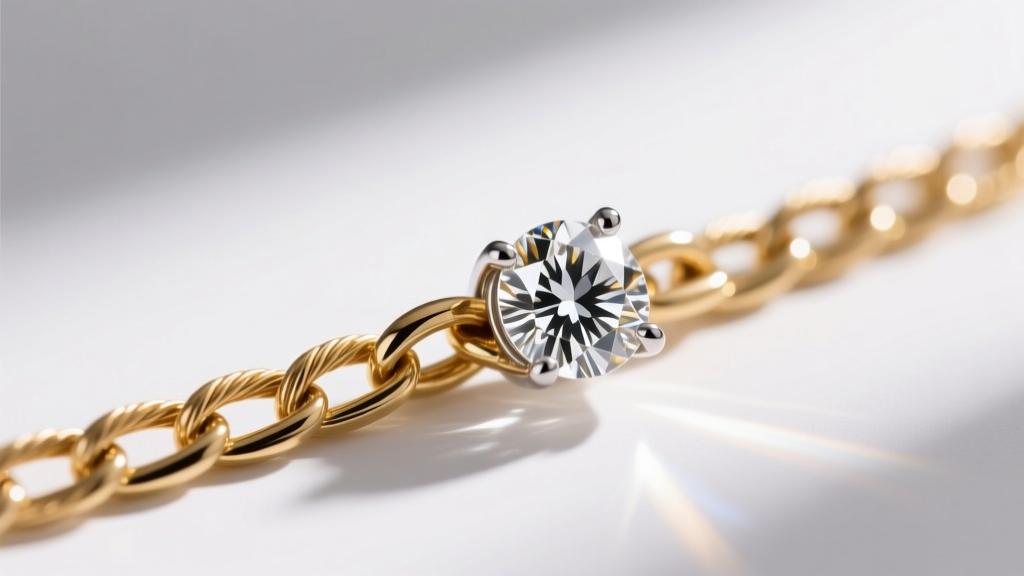
The Core Dilemma: Where Should Your Jewelry Budget Go?
When building a fine jewelry collection, buyers frequently face a specific allocation dilemma: do you invest the bulk of your budget into a heavy, durable chain, or do you prioritize a high-carat, premium gemstone focal point? The decision between a pendant or necklace chain investment is not just about aesthetics; it is a calculated financial decision based on cost-per-wear (CPW), material depreciation, and structural longevity. In 2026, with fluctuating precious metal markets and the widespread normalization of lab-grown diamonds, the value calculus has shifted dramatically. This guide provides a forensic breakdown of where your money actually goes when you buy neckwear, helping you maximize your return on investment (ROI) whether you prioritize the chain or the charm.
Material Cost Breakdown: Chain vs. Focal Point
To understand value, we must separate raw material costs from retail markups. A standard 16-inch cable chain weighs between 1.5 and 3 grams. At current 2026 gold spot prices, the raw melt value of a 2-gram 14k gold chain is roughly $90. However, retail prices range from $180 to $350 due to manufacturing, importing, and branding margins. Pendants, conversely, carry immense value density. A single carat of natural diamond can inflate a pendant's price by thousands of dollars, whereas a lab-grown equivalent offers identical optical properties for a fraction of the cost. According to the Gemological Institute of America (GIA), the 4Cs dictate this value density, making pendants the primary driver of luxury pricing.
| Material Grade | Avg. Chain Cost (16-inch) | Avg. Pendant Cost (0.50ct Diamond) | Longevity & Tarnish Resistance |
|---|---|---|---|
| Sterling Silver (925) | $25 - $60 | $150 - $300 | Low (Requires polishing, prone to sulfur tarnish) |
| Gold Vermeil (2.5µm over Silver) | $45 - $90 | $200 - $450 | Medium (Plating wears at friction points in 1-2 years) |
| 10k Solid Gold (41.7% Pure) | $130 - $200 | $250 - $500 | High (Excellent tensile strength, slight dullness) |
| 14k Solid Gold (58.5% Pure) | $220 - $400 | $400 - $850 | Very High (Industry standard for daily wear durability) |
| 18k Solid Gold (75% Pure) | $450 - $750 | $650 - $1,200+ | Medium-High (Rich color, but softer and prone to bending) |
The Hidden Costs of Chain Construction
Not all chains are priced purely by gram weight. The manufacturing technique heavily influences the final retail price. Machine-woven cable and curb chains are highly automated, keeping labor costs low. Conversely, intricate styles like Byzantine, Foxtail, or hand-linked Rope chains require extensive labor or complex casting molds, inflating the price by 30% to 60% over a basic cable chain of the exact same karat and weight.
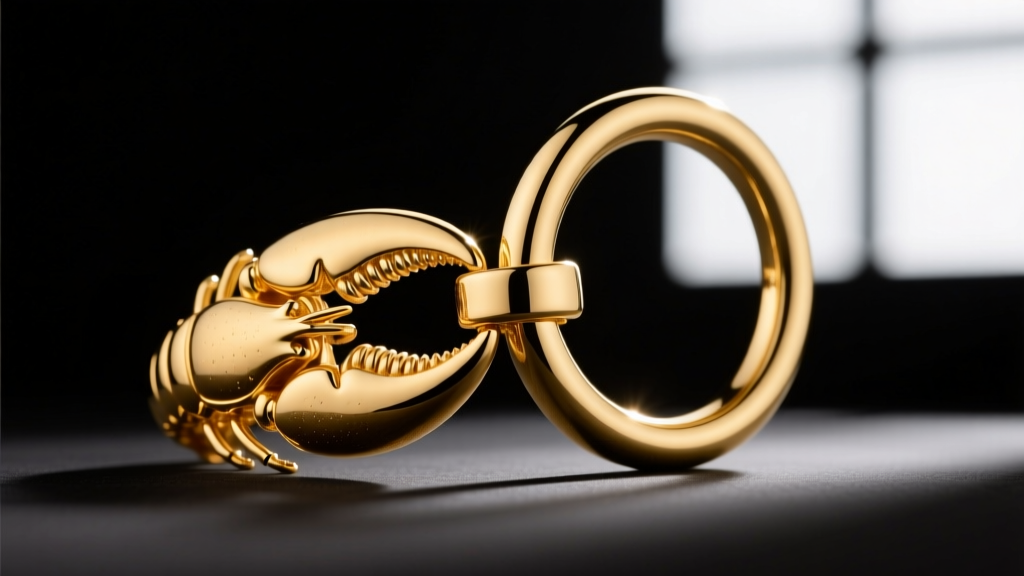
Furthermore, the clasp is a critical failure point. Lobster clasps are standard for chains over 1.5 grams, but they contain an internal steel spring. If exposed to chlorine (like in a swimming pool), the steel spring can corrode and fail, even if the exterior gold remains pristine. For lightweight chains under 1.5 grams, a spring-ring clasp is actually more proportionate and less likely to pull on the delicate end jump rings, preventing the chain from snapping under its own clasp weight.
When to Invest Heavily in the Pendant
You should allocate 70% or more of your budget to the pendant if your goal is to create a generational heirloom or a striking statement piece. Pendants sit at the visual center of the chest, making them the focal point of any outfit. When investing here, prioritize gemstone quality and setting security over chain weight.
- Optical Priority: For pendants that rest on the collarbone, color and cut are vastly more important than clarity. Because the stone is viewed from a distance of 12 to 24 inches, an SI1 (Slightly Included) diamond faces up identically to a VVS1 (Very Very Slightly Included) stone, but costs up to 40% less. Reallocate those savings to a premium ideal cut.
- Setting Security: A four-prong setting allows maximum light return but is prone to snagging on knitwear. If you plan to wear the pendant daily, invest in a bezel setting. A 14k gold bezel encases the girdle of the stone, eliminating prong-snagging and reducing the risk of losing the center stone by nearly 90%.
- The Bail Connection: Never overlook the bail (the loop connecting the pendant to the chain). A hidden bail or a soldered jump ring is essential. Open, unsoldered jump rings on pendants can pull apart under just 2 to 3 pounds of tension, resulting in a lost investment.
When to Prioritize the Necklace Chain
Prioritize the chain if you are building a layering foundation or a daily-wear staple. A high-quality chain acts as a versatile chassis. According to JCK Online market analyses, consumers are increasingly investing in modular jewelry—buying one premium chain and swapping out multiple lower-cost pendants to suit different necklines and occasions.
If you choose this route, invest in a 14k or 18k solid gold chain with a minimum thickness of 1.5mm to 2.0mm. Chains thinner than 1.2mm are highly susceptible to kinking and micro-fractures, especially if subjected to the weight of a heavy pendant. A 2mm Cuban link or a 1.8mm Box chain offers the perfect tensile strength to support pendants weighing up to 15 grams without stretching the links over time.
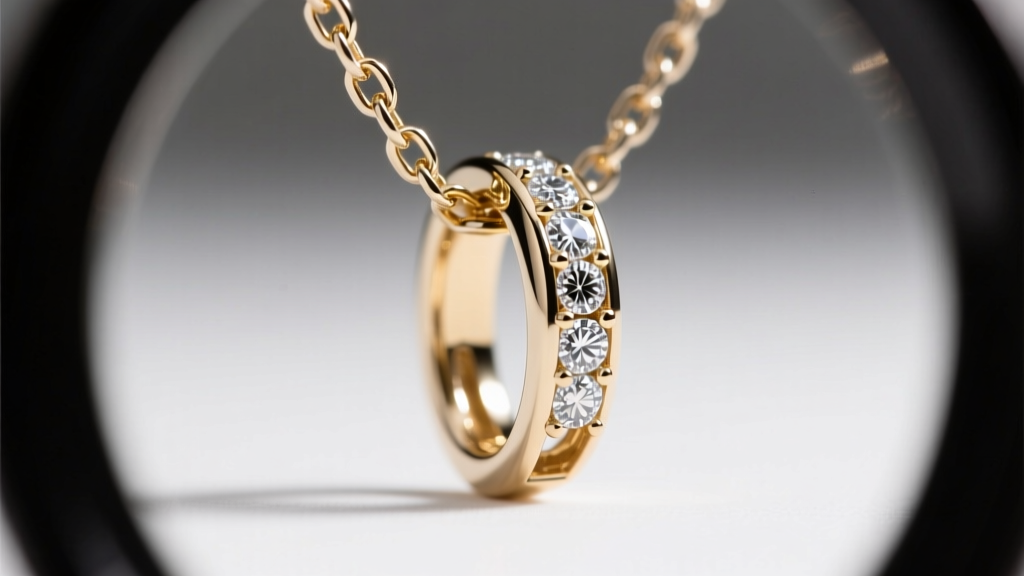
The 2026 Value Matrix: Pricing Tiers for Setups
To help you decide on a pendant or necklace budget, here is a practical decision framework based on current market pricing tiers:
Tier 1: The Everyday Essential ($150 - $400)
Strategy: Heavy on the chain, light on the pendant.
Build: A solid 10k or 14k gold 1.2mm cable chain ($200) paired with a sterling silver or 10k gold minimalist geometric pendant ($100). Avoid vermeil if you want this to survive daily showers and friction. This tier maximizes structural longevity over gemstone prestige.
Tier 2: The Balanced Milestone ($600 - $1,200)
Strategy: Equal investment in chain integrity and pendant optics.
Build: A 14k solid gold 1.5mm box chain ($350) paired with a 0.50ct lab-grown diamond pendant in a bezel setting ($650). Lab-grown diamonds offer identical hardness (10 on the Mohs scale) and refractive index as mined stones, allowing you to afford a thicker, safer chain without sacrificing carat weight.
Tier 3: The Heirloom Investment ($2,500+)
Strategy: Heavily weighted toward the pendant's intrinsic and rarity value.
Build: An 18k gold 2.0mm rope chain ($800) supporting a 1.00ct natural, untreated sapphire or natural diamond pendant in a custom hand-forged halo setting ($2,500+). At this tier, the chain serves purely as a secure, luxurious conduit for a high-value asset.
Expert Verdict: Maximizing Your Jewelry ROI
Ultimately, deciding between a pendant or necklace chain investment comes down to your wearing habits. If you suffer from metal sensitivities or frequently break delicate jewelry, route 75% of your budget into a thick, 14k solid gold chain that will outlast trends and physical wear. If you view jewelry as an artistic expression or a store of gemological value, anchor your budget in a high-quality, bezel-set pendant, and simply maintain it with a reliable, mid-weight chain. By understanding the manufacturing costs, structural failure points, and gemstone value metrics detailed above, you can confidently allocate your 2026 jewelry budget for maximum aesthetic and financial return.


