How to Clean a Gold Necklace: Expert Care for Textured Trends
Learn how to clean a gold necklace safely, from delicate 14k chains to 2026's trending hammered and textured pendants. Expert care tips inside.

The 2026 Gold Trend Landscape: Why Texture Changes the Rules
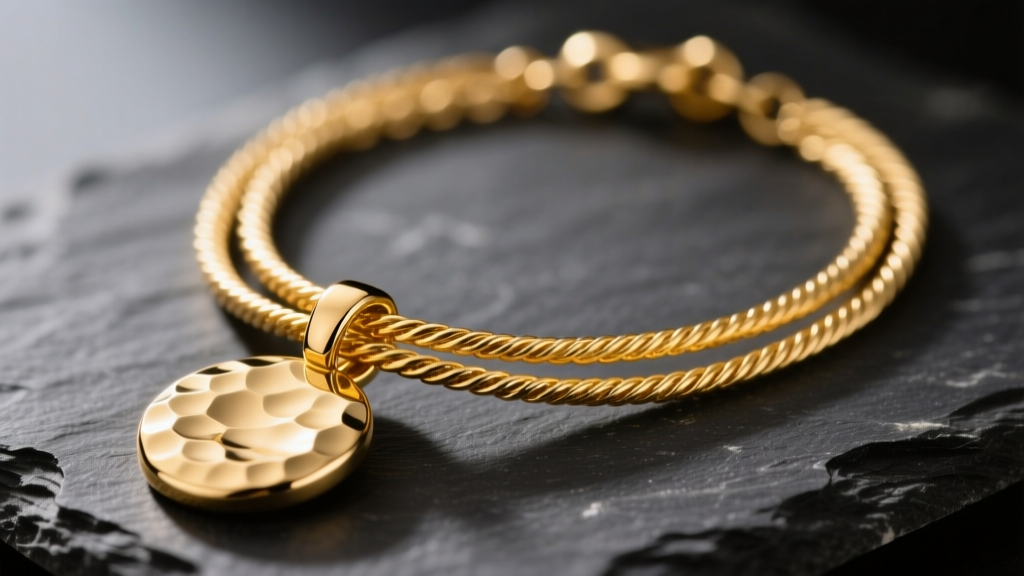
In 2026, the jewelry industry has seen a massive shift away from ultra-smooth, high-polish gold finishes toward organic, tactile textures. Molten gold pendants, hammered links, brushed matte surfaces, and intricate granulation are dominating the necklaces and pendants category. While these styles offer a breathtaking, artisanal aesthetic, they introduce a unique maintenance challenge: microscopic crevices that trap sebum, cosmetic residues, and environmental pollutants. If you are wondering how to clean a gold necklace with these intricate textures, standard wiping techniques are no longer sufficient. The increased surface area of textured gold means it attracts more oils and lotions, requiring a specialized approach to restore its original luster without dulling the intentional matte or brushed finishes.
The Chemistry of Gold: Karat Weight and Tarnish Resistance
Before diving into the cleaning process, it is crucial to understand the metallurgy of your piece. Pure 24k gold is highly resistant to tarnish but is too soft for everyday necklace chains. Therefore, most modern jewelry is crafted in 14k or 18k gold, alloyed with metals like copper, silver, zinc, and nickel to increase durability. According to the Gemological Institute of America (GIA), it is these alloy metals—not the gold itself—that react with oxygen, sulfur, and the acids in your skin to create tarnish. Furthermore, everyday products like perfumes, hairsprays, and sunscreens (specifically those containing titanium dioxide or zinc oxide) can leave a stubborn, cloudy film on gold alloys. Understanding your necklace's karat weight and alloy composition is the first step in determining the safest cleaning protocol.
Step-by-Step: How to Clean a Gold Necklace at Home
When you need to clean a gold necklace safely at home, avoid harsh commercial jewelry dips that contain ammonia or abrasives. Instead, follow this expert-approved, gentle methodology designed to lift dirt from textured crevices without scratching the metal.
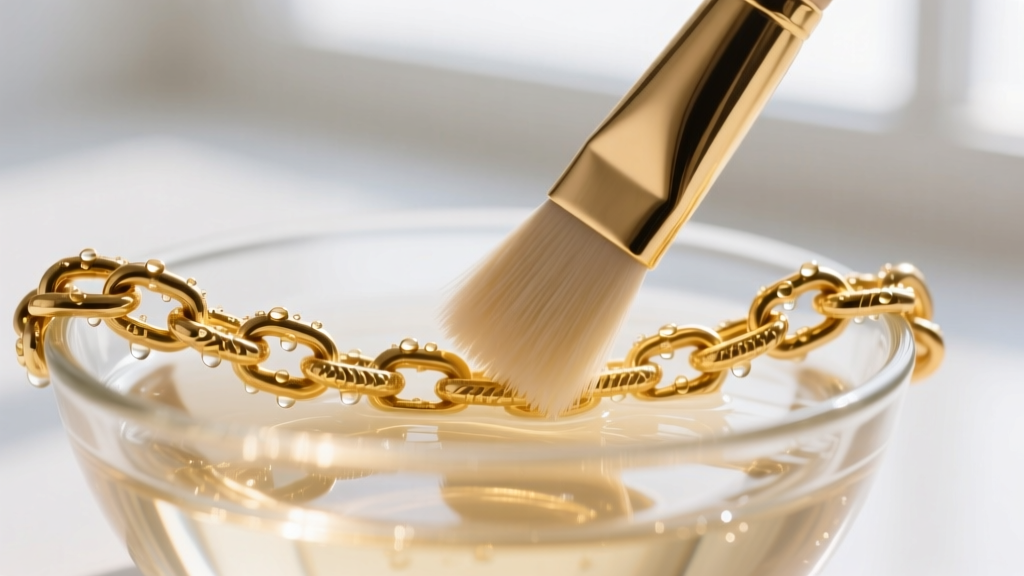
- Prepare the Solution: Fill a glass bowl with lukewarm distilled water (approximately 98°F or 37°C). Tap water contains chlorine and hard minerals that can leave microscopic spots on gold. Add three drops of a lotion-free dish detergent, such as original Dawn. Avoid soaps with added moisturizers, as they leave a residual film.
- The Soak: Submerge your gold necklace and let it soak for 15 to 20 minutes. This allows the mild surfactants to break down the molecular bonds of trapped oils and cosmetic buildup.
- Targeted Agitation: For hammered or granulated pendants, use a baby toothbrush with ultra-soft bristles (ideally 0.05mm or less). Gently brush the crevices in a circular motion. Never use stiff-bristled brushes, which can alter brushed or matte finishes by inadvertently polishing them.
- The Rinse: Rinse the necklace under a gentle stream of lukewarm distilled water. Ensure the drain is securely plugged or use a mesh strainer to prevent catastrophic loss.
- Drying and Polishing: Pat the piece dry with a clean, lint-free microfiber cloth. Never use paper towels or tissues; they contain wood fibers that can inflict micro-scratches on high-polish gold elements.
The Ultrasonic and Chemical Traps
While ultrasonic cleaners are heavily marketed for jewelry care, they pose significant risks to modern necklace trends. Ultrasonic machines use high-frequency sound waves to create cavitation bubbles that implode, blasting dirt away. However, this intense vibration can easily shake loose gemstones in pavé settings or fracture tension-set stones. More importantly, the harsh chemical solutions often used in ultrasonic baths can strip away the intentional oxidized patinas or matte finishes on 2026's trending artisanal gold pieces. Always reserve ultrasonic cleaning for plain, high-polish, solid gold chains without gemstone inclusions or textured surfaces.
Maintenance Matrix: Cleaning Frequency by Necklace Style
Different necklace architectures require different maintenance schedules. Use the table below to optimize your care routine based on your specific jewelry style.
| Necklace Style | Karat | Cleaning Frequency | Recommended Method |
|---|---|---|---|
| Hammered/Molten Pendant | 14k or 18k | Bi-weekly | Soft brush, mild soap, distilled water |
| Delicate Cable Chain | 18k | Monthly | Soap soak, microfiber wipe |
| White Gold Pavé Choker | 14k | Weekly | Lint-free cloth, professional steam |
| Granulated Collar | 22k | As needed | Dry microfiber only (avoid water trapping) |
| Mixed-Metal Layered Set | 14k/Silver | Bi-weekly | Targeted spot cleaning, no full submersion |
Pro Tips for White Gold and Mixed-Metal Layering
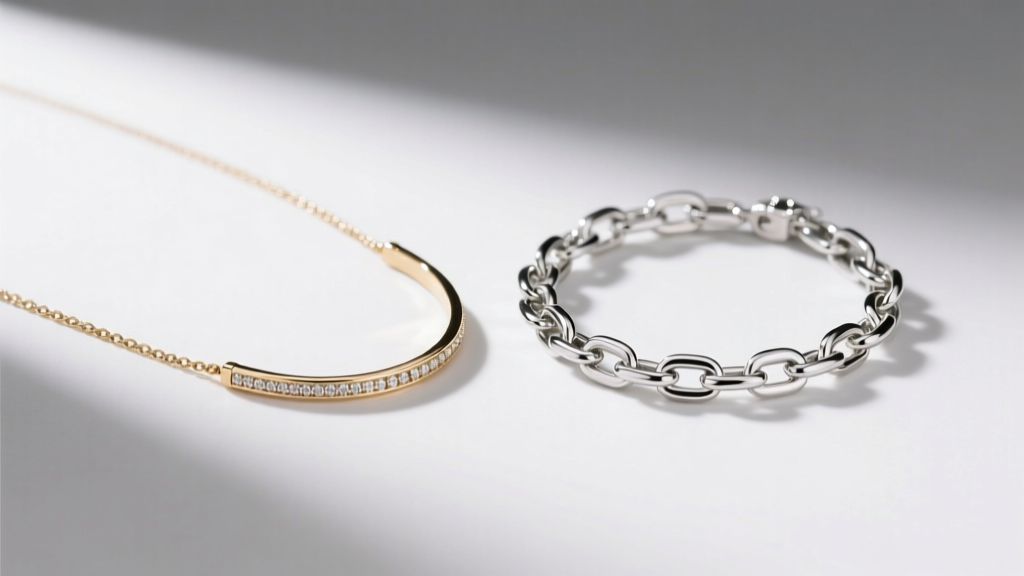
Layering remains a dominant styling technique, but mixing yellow gold, rose gold, white gold, and sterling silver on the same neckline complicates the cleaning process. White gold necklaces are actually yellow gold alloys plated with a microscopic layer of rhodium to achieve their bright, silvery-white appearance. When you clean a gold necklace that features white gold, aggressive rubbing or abrasive pastes will wear away this rhodium flash, revealing the pale yellow alloy beneath. If your white gold necklace begins to look brassy or dull, no amount of home cleaning will restore it; it requires professional re-plating. Furthermore, if your layered set includes sterling silver components, never use silver dip cleaners, as the harsh chemicals will permanently damage the gold alloys and any porous gemstones like pearls or turquoise.
When to Seek Professional Jewelry Spa Services
While home maintenance is excellent for removing everyday oils and lotions, professional intervention is necessary for deep-seated tarnish and structural integrity checks. Jewelers of America recommends having your fine necklaces professionally inspected and cleaned at least once a year. A bench jeweler can utilize high-pressure steam cleaners to blast away compacted dirt from behind pendant settings without the vibration risks of ultrasonic machines. They can also perform a gentle polish using specialized rouge compounds to remove superficial scratches from high-polish areas while carefully masking off any brushed or matte textures to preserve the designer's original intent. For heirloom pieces or necklaces with complex mechanical clasps, professional servicing ensures that the structural components remain secure, keeping your most treasured layers safe and radiant for decades to come.


