Maximizing Value: Choosing the Right Choker Necklace Length
Discover how to assess value when shopping for a choker necklace length. Learn material costs, sizing tips, and budget hacks for lasting quality.


The Economics of Choker Sizing: Why Length Dictates Price
As we navigate the jewelry market in 2026, the intersection of fit and finance has never been more critical. With precious metal prices experiencing sustained volatility, the exact choker necklace length you select is no longer just a stylistic preference—it is a significant financial decision. A choker sits uniquely on the anatomy, typically resting anywhere from the mid-neck to the collarbone, and this positioning demands specific structural integrity. When evaluating budget and value, understanding how a mere one or two inches of chain impacts material weight, clasp tension, and overall longevity is essential for making a smart investment.
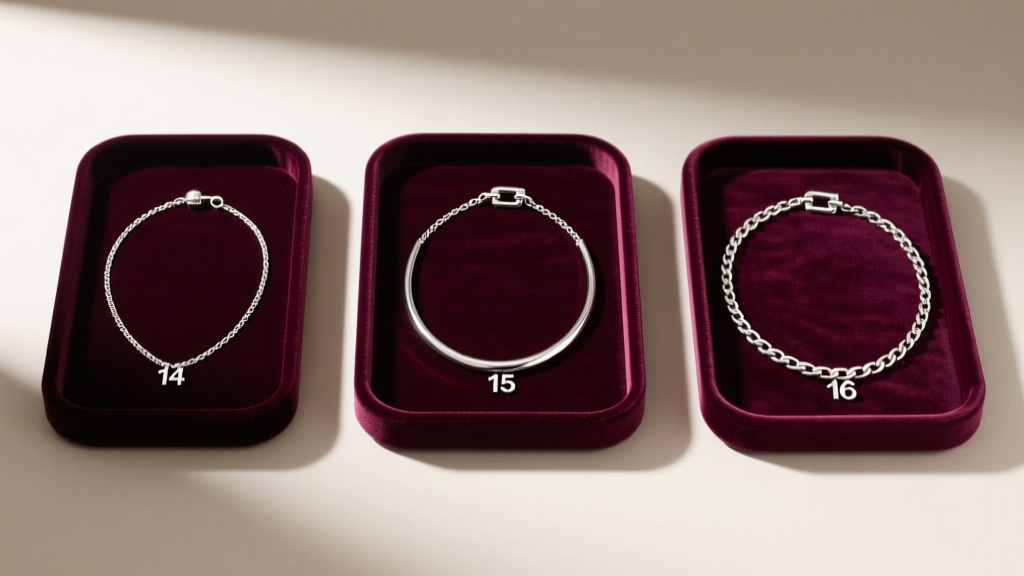
Standard choker lengths generally fall into three categories: 14 inches (tight, resting above the collarbone), 15 inches (the universal standard, resting at the base of the neck), and 16 inches (a relaxed choker, grazing the collarbone). While the visual difference between a 14-inch and a 16-inch chain might seem marginal, the metallurgical and economic realities are vastly different. In solid gold or platinum, those extra two inches translate directly to gram weight, which scales linearly with the spot price of the metal. Furthermore, shorter lengths endure unique kinetic stresses that cheaper findings simply cannot withstand, leading to hidden replacement costs that destroy the long-term value of your purchase.
Material Weight vs. Cost: A Value Breakdown by Length
To truly assess value, we must look at the raw material cost relative to the chain's gauge and length. Let's examine a classic 2.0mm rope chain crafted in solid 14k yellow gold. The density of 14k gold (which is 58.5% pure gold alloyed with metals like silver, copper, or zinc for durability) means that even small increases in length add noticeable weight. According to the Gemological Institute of America (GIA), understanding the precise alloy composition and weight is the first step in verifying a piece's intrinsic value.
| Choker Length | Fit Profile | Approx. Weight (2.0mm 14k Rope) | Estimated Base Metal Value (2026) |
|---|---|---|---|
| 14 Inches | Tight / High Neck | 3.2 Grams | $185 - $210 |
| 15 Inches | Standard / Base of Neck | 3.5 Grams | $205 - $230 |
| 16 Inches | Relaxed / Collarbone | 3.8 Grams | $225 - $255 |
Note: Base metal value reflects raw material costs and does not include retail markup, labor, or brand premiums. However, it serves as your baseline for assessing whether a retailer's price is justified.
If you are operating on a strict budget, opting for a 14-inch length in a solid metal will save you roughly 10% to 15% on the raw material cost compared to a 16-inch piece. However, this savings must be weighed against the fit and the increased tension placed on the chain, which we will explore in the next section.
Hidden Costs: Clasps, Findings, and the "Cheap Choker" Trap
The most frequent point of failure in budget-friendly necklaces is the clasp. When a necklace is worn as a choker, it is subjected to continuous kinetic stress. Every time you turn your head, swallow, or look down, the neck muscles expand and contract, pulling directly against the clasp and the jump rings. A standard 18-inch princess-length chain drapes loosely, absorbing movement. A 14-inch choker, however, acts like a tourniquet, placing up to 40% more tensile stress on the findings.
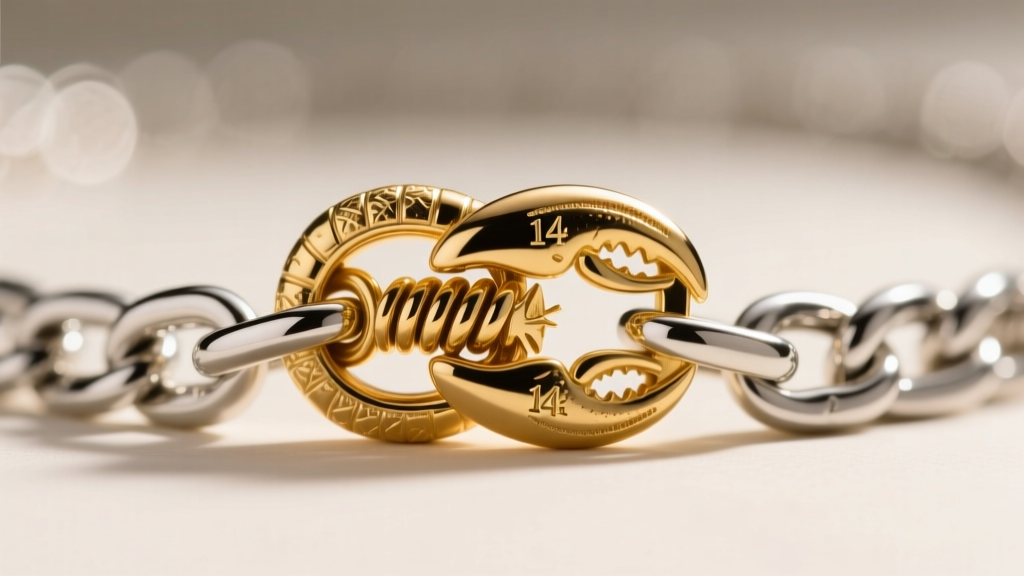
Cheap chokers often utilize lightweight spring-ring clasps. These are hollow, prone to internal spring fatigue, and highly susceptible to snapping under the constant tension of a tight choker fit. Upgrading to a solid lobster clasp or a custom tension-fit box clasp with a figure-8 safety catch adds anywhere from $25 to $60 to the manufacturing cost, but it prevents the catastrophic loss of the chain. The Jewelers of America consistently advises consumers to inspect the quality of findings, as a heavy chain with a weak clasp is a structural liability. When assessing value, always ask the jeweler about the clasp mechanism. If a $300 solid gold choker is fitted with a flimsy 4mm spring ring, its true value is compromised by its imminent failure rate.
Budgeting for Solid Metals Over Plated Alternatives
Many budget shoppers turn to gold-plated or vermeil chokers to achieve the look of solid gold without the premium price tag. However, the choker's placement on the neck makes it uniquely hostile to plating. The skin on the neck produces sweat, oils, and friction, which rapidly degrade thin metal layers.
If you must buy plated, ensure it meets the strict definition of gold vermeil. According to the Federal Trade Commission (FTC) Jewelry Guides, vermeil must consist of a sterling silver base coated with gold that is at least 10k fineness and a minimum thickness of 2.5 microns. Standard flash-plated brass chokers often feature less than 0.5 microns of gold. On a tight 14-inch choker, a 0.5-micron flash plating will rub off and expose the base metal within three to six months of daily wear, rendering the piece worthless and causing potential skin discoloration. Investing in a slightly thinner solid 10k or 14k gold chain will always out-value a thick vermeil choker in the long run.
The Value Assessment Framework: 4 Questions Before You Buy
To ensure you are getting the best return on your investment, run any potential choker purchase through this four-point value assessment framework:
- Is the chain style structurally sound for tight wear? Avoid delicate box chains or thin snake chains under 1.5mm for 14-inch chokers. The constant bending and neck movement will cause these styles to kink and permanently deform. Opt for rope, cable, or wheat chains, which distribute tension evenly across their interlocking links.
- Does the clasp match the chain's weight and tension? The clasp should be rated to hold at least three times the weight of the chain. For a 4-gram choker, the clasp should be a solid, medium-sized lobster or a reinforced bolt ring.
- Is the metal purity appropriate for my skin chemistry? If you have high skin acidity, sterling silver and low-karat gold alloys (like 10k) may tarnish or oxidize rapidly when worn tightly against the neck. Budget for 14k or 18k gold, or platinum, to minimize maintenance and polishing costs.
- What is the cost-per-wear? A $450 solid 14k gold 15-inch choker worn daily for five years costs roughly $0.24 per wear. A $60 gold-plated brass choker that tarnishes and breaks in four months costs $0.50 per wear and leaves you with zero residual scrap value.
"A well-fitted choker is an engineering marvel as much as a fashion statement. The proximity to the body's most active joints—the cervical spine and the jaw—demands uncompromising quality in both the chain links and the closure mechanisms."
Final Verdict: Where to Allocate Your Budget
When determining the ideal choker necklace length for your collection, align your budget with the structural demands of the piece. If your budget is under $150, prioritize high-quality sterling silver or heavy gold vermeil (2.5+ microns) in a 15-inch or 16-inch relaxed length to minimize tension on the clasp and reduce skin friction. If your budget exceeds $400, commit to solid 14k gold, select a durable rope or cable link, and ensure the jeweler has equipped it with a heavy-duty lobster or box clasp. By understanding the hidden economics of chain weight, tensile stress, and plating longevity, you can confidently invest in a choker that offers both impeccable style and enduring financial value.


