Troubleshooting Your Boar Tusk Necklace: Cracks, Odor & Care
Learn how to fix cracks, eliminate odors, and properly maintain your boar tusk necklace with expert oiling, drilling, and storage techniques.

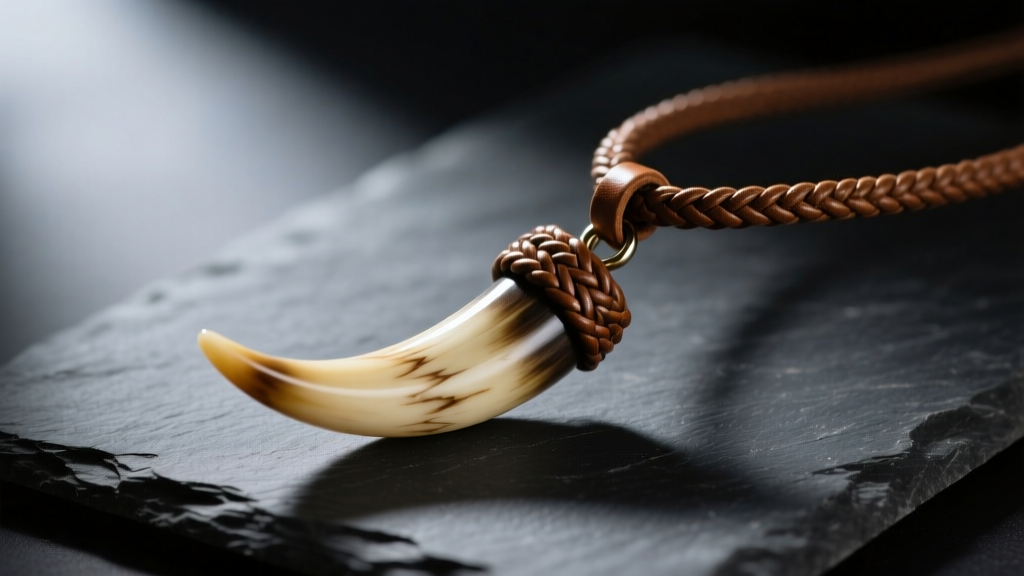
A wild boar tusk necklace is more than just a piece of jewelry; it is a rugged, primal statement piece that connects the wearer to the natural world. Whether sourced from ethical hunting, natural sheds, or specialized exotic leather and bone suppliers, these pendants carry a unique weight and texture that metals and gemstones simply cannot replicate. However, because a boar tusk is an organic material composed of a porous dentin core surrounded by a brittle enamel exterior, it is highly susceptible to environmental stress. If you have noticed your boar tusk necklace developing hairline fractures, emitting an unpleasant earthy odor, or suffering from cord fraying, you are experiencing the classic pitfalls of organic jewelry.
Troubleshooting these issues requires an understanding of biological materials and conservation science. According to guidelines established by the Canadian Conservation Institute, organic artifacts like bone, ivory, and horn require strict humidity control and specialized handling to prevent irreversible degradation. In this guide, we will dive deep into the exact failure modes of boar tusk pendants and provide actionable, professional-grade solutions to restore and protect your necklace.
Diagnosing and Repairing Tusk Fractures
The most common and devastating issue with a boar tusk necklace is cracking. Tusks are essentially elongated canine teeth. The outer layer is enamel (highly mineralized and brittle), while the inner core is dentin (porous and moisture-retentive). When a tusk is exposed to dry environments or rapid temperature fluctuations, the dentin loses moisture and shrinks. Because the enamel shell cannot shrink at the same rate, the resulting internal tension causes the tusk to split, usually starting from the hollow root end and traveling up toward the tip.
The Cyanoacrylate and Dust Repair Method
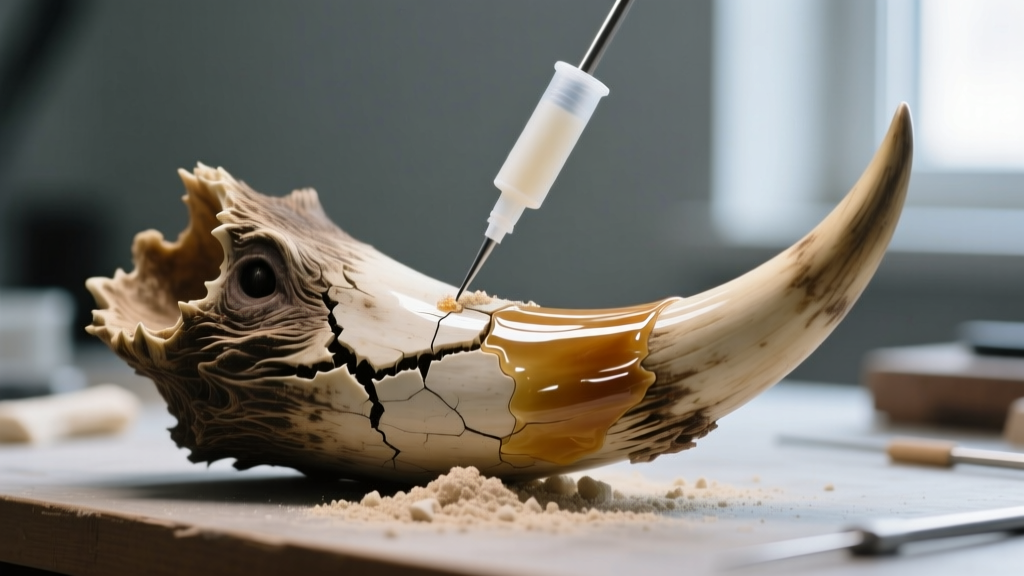
If your tusk has developed a hairline crack, do not ignore it. The crack will expand over time. To stabilize and repair the fracture, you will need a thin-viscosity cyanoacrylate (CA) glue (such as Starbond EM-02) and fine bone or tusk dust.
- Preparation: Clean the crack gently with a soft, dry brush. Do not use water or alcohol, as these can trap moisture inside the dentin.
- Dust Application: Pack the fine bone dust directly into the crack. If you do not have tusk dust, pure baking soda can serve as a chemical accelerator and filler for CA glue.
- Glue Wicking: Apply the thin CA glue over the dust-filled crack. The thin viscosity allows the glue to wick deep into the microscopic pores of the dentin via capillary action.
- Curing and Sanding: Allow it to cure for 15 minutes. Once hardened, the glue and dust form a cement-like bond. Gently sand the surface with 600-grit, then 1200-grit sandpaper to restore the smooth enamel finish.
Eliminating Persistent Organic Odors
A properly cured and cleaned boar tusk should have no discernible smell, or at most, a very faint, earthy scent. If your boar tusk necklace emits a sour, rotting, or overly musky odor, it means that microscopic organic tissue (pulp or cementum) was left inside the hollow root cavity during the initial preparation, or the tusk was sealed before it was fully desiccated.
The Activated Charcoal Desiccation Chamber
Do not attempt to mask the odor with perfumes or essential oils; this will only create a more nauseating combination and can stain the porous dentin. Instead, you must draw out the volatile organic compounds (VOCs) causing the smell.
Procure an airtight glass or plastic container. Line the bottom with a generous layer of activated charcoal (the kind used for aquarium filtration or air purification works perfectly). Place a wire rack or a small piece of breathable mesh over the charcoal so the tusk does not physically touch it. Seal the container and leave it in a cool, dark place for 14 to 21 days. The activated charcoal will aggressively adsorb the odor-causing VOCs from the enclosed air, gradually pulling the smell out of the tusk's porous core. For severe cases, replacing the charcoal halfway through the process is recommended.
Hardware and Cord Failure Prevention
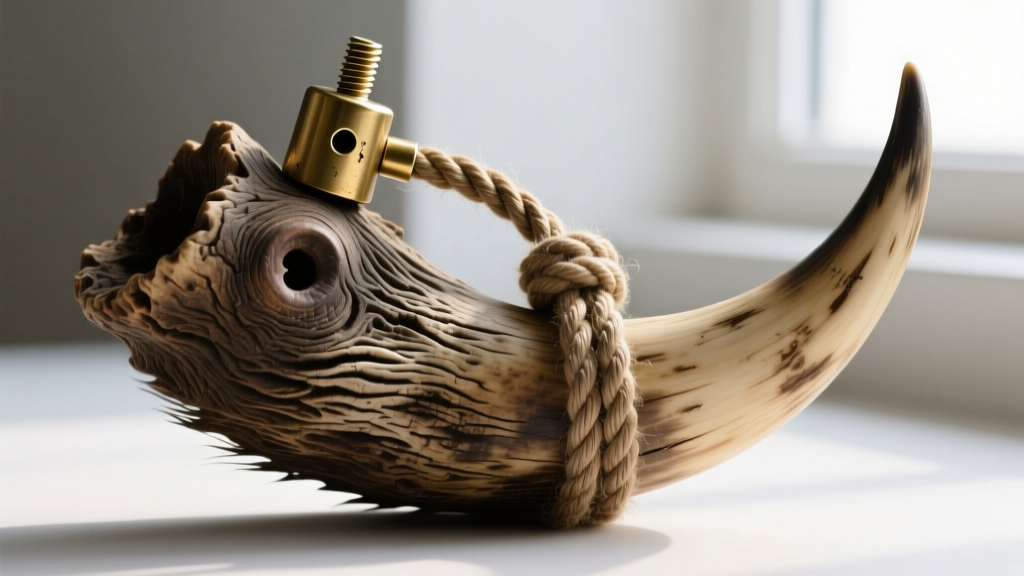
Attaching a bail or drilling a hole directly through a boar tusk is a high-risk procedure. The enamel is incredibly hard, but the dentin is soft. This discrepancy in hardness causes standard twist drill bits to 'grab' the softer inner material, leading to micro-fractures, heat buildup, and catastrophic blowout at the exit point.
Precision Drilling Protocols
To drill a hole for a jump ring or cord without splitting your boar tusk necklace, follow these strict parameters:
- Bit Selection: Use a brad-point bit or a specialized carbide-tipped glass/tile bit. These bits score the hard enamel cleanly before cutting into the softer dentin.
- RPM Control: High speeds generate friction heat, which will instantly crack the enamel. Keep your rotary tool or drill press speed strictly between 300 and 500 RPM.
- Backer Board: Always clamp the tusk against a sacrificial piece of hardwood. This prevents the drill bit from tearing out chunks of dentin when it breaks through the opposite side.
- Lubrication: Use a drop of mineral oil or water on the drilling site to keep the bit cool and reduce dust inhalation.
Cord and Bail Selection Matrix
The weight and shape of a boar tusk demand specific cord materials. A heavy, solid tusk will quickly fray standard cotton or thin leather. Below is a troubleshooting matrix to help you select the right suspension system for your pendant.
| Cord Material | Tensile Strength | Best For | Failure Mode / Risk |
|---|---|---|---|
| Waxed Cotton (2mm+) | High | Medium to heavy tusks; drilled holes | Wax wears off over time; requires re-waxing |
| Braided Leather (3mm+) | Very High | Large, heavy tusks; rustic aesthetics | Sweat and moisture cause leather to rot and snap |
| Paracord (550 Type) | Extremely High | Outdoor wear, survivalist styles | Aesthetically bulky; nylon can melt near heat |
| Stainless Steel Chain | Moderate to High | Tusks with glued-in metal screw bails | Chain can act as a saw, cutting through soft bone bails |
Long-Term Preservation and Oiling Schedules
Proper hydration is the key to preventing future cracks. However, not all oils are safe for organic jewelry. A common mistake is using vegetable-based oils (like olive oil, coconut oil, or linseed oil). These oils contain unsaturated fats that will eventually oxidize, turn rancid, and cause your necklace to smell like spoiled food while turning the white enamel a sickly yellow.
The American Institute for Conservation recommends using stable, inert substances for organic artifacts. For your boar tusk necklace, you should exclusively use USP-grade food-safe mineral oil or a microcrystalline wax (such as Renaissance Wax).
The Bi-Annual Preservation Routine
- Cleaning: Wipe the tusk down with a slightly damp microfiber cloth to remove skin oils, sweat, and environmental dirt. Dry immediately.
- Oiling: Apply 2-3 drops of USP mineral oil to a soft cotton rag. Rub it vigorously into the tusk, paying special attention to the hollow root end and any natural grooves where moisture escapes fastest.
- Wax Sealing: After the oil has penetrated for 24 hours, apply a thin coat of microcrystalline wax. Buff it with a clean horsehair brush. The wax creates a breathable, moisture-resistant barrier that protects the tusk from sudden humidity drops without suffocating the organic material.
By understanding the biological makeup of your pendant and adhering to these strict conservation protocols, your boar tusk necklace will remain a durable, striking, and odor-free centerpiece in your jewelry collection for decades to come.


