How to Clean a Necklace Evil Eye Pendant: Expert Care Guide
Learn how to safely clean and maintain your necklace evil eye pendant. Expert tips on protecting glass, enamel, and metal settings from damage.


The evil eye amulet, historically known as the 'Nazar', is more than just a striking piece of jewelry; it is a cultural talisman believed to ward off negative energy and misfortune. When crafted into a necklace, the evil eye pendant becomes a daily-wear staple. However, the unique combination of materials used in these pendants—typically a delicate glass or enamel 'eye' set within a precious metal bezel—requires a highly specific approach to cleaning and maintenance. Standard jewelry cleaning methods that work for solid diamond or gold pieces can actually shatter, dull, or permanently damage an evil eye charm.
In this comprehensive guide, we break down the exact material science behind your necklace evil eye pendant and provide a meticulous, step-by-step care regimen to ensure its vibrant colors and protective symbolism endure for generations.
The Anatomy of an Evil Eye Pendant: Why Material Matters
To properly care for your jewelry, you must first understand its construction. A traditional necklace evil eye pendant consists of two primary components that react differently to environmental stressors:
- The Eye (Glass or Enamel): Authentic Turkish and Greek evil eyes are typically crafted from layered, hand-poured glass. Glass sits at approximately 5.5 on the Mohs scale of mineral hardness. This means it is highly susceptible to scratching from everyday dust (which contains quartz, hardness 7) and other jewelry. Alternatively, high-end designer pendants may use vitreous enamel (fused glass powder) or cold enamel (epoxy resin) over a metal base.
- The Setting and Chain (Precious Metals): The bezel holding the eye is usually crafted from 14k or 18k gold, sterling silver, or gold vermeil. These metals require specific polishing techniques that must avoid contact with the glass or enamel center.
Daily Wear and Tear: Common Failure Modes
Before diving into the cleaning process, it is crucial to recognize how these pendants typically fail. According to the Gemological Institute of America (GIA), improper care is the leading cause of damage to composite jewelry. Watch out for these specific failure modes:
- Thermal Shock: Vitreous enamel and layered glass can fracture if exposed to rapid temperature changes. Washing your necklace in hot water and then stepping into an air-conditioned room can cause microscopic stress fractures in the blue glass center.
- Chemical Erosion: Chlorine in swimming pools and household bleach aggressively attack the alloy metals (like copper and zinc) mixed into 14k and 18k gold. This leads to a phenomenon called 'stress corrosion cracking', where the prongs holding the glass eye become brittle and snap.
- UV Degradation: If your pendant uses cold enamel (resin) instead of glass, prolonged exposure to direct ultraviolet sunlight will cause the vibrant blue and white pigments to yellow and become cloudy over time.
Step-by-Step Cleaning Guide for Glass and Enamel Eyes
Because the glass or enamel eye is the focal point of the pendant, it must be cleaned with extreme gentleness. Never use abrasive pastes, baking soda, or toothpaste, as these will leave permanent micro-scratches on the glass surface, dulling its reflective quality.
What You Need
- Distilled water (tap water contains minerals that can leave hard water spots on glass)
- pH-neutral liquid dish soap (free of harsh degreasers or lotions)
- A brand-new, ultra-soft baby toothbrush
- Lint-free microfiber polishing cloths
The Cleaning Process
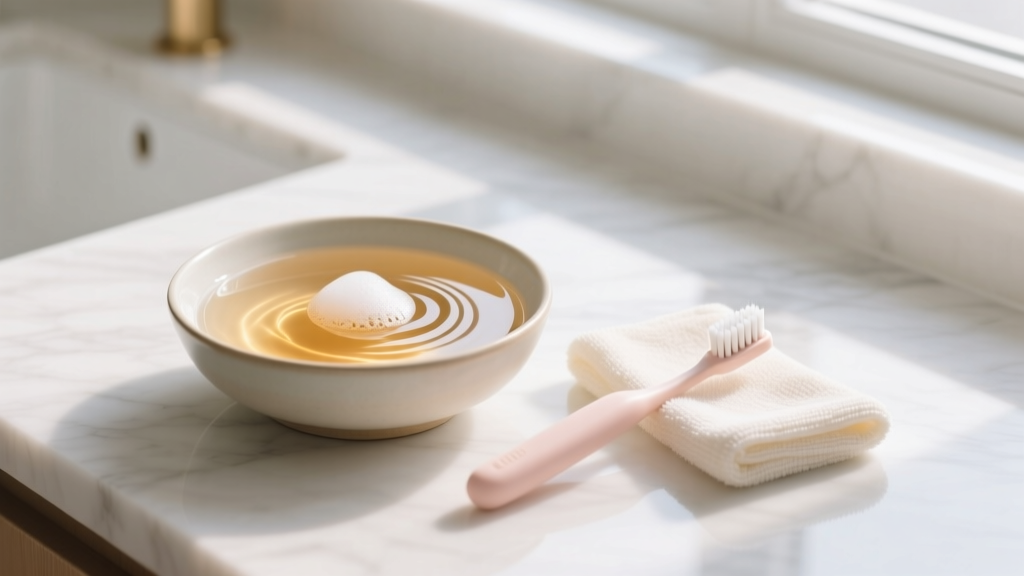
- Prepare the Solution: Mix a few drops of pH-neutral dish soap into a small bowl of lukewarm distilled water. Ensure the water is room temperature to prevent thermal shock to the glass or enamel.
- Targeted Agitation: Dip the soft baby toothbrush into the solution. Gently brush the metal bezel and the back of the pendant where skin oils and dead skin cells accumulate. When brushing the glass eye, use only the softest bristles in a circular motion to dislodge dust without grinding it into the glass.
- Rinse Carefully: Rinse the pendant under a gentle stream of lukewarm distilled water. Do not plug the sink; use a strainer to prevent accidental loss.
- Dry and Polish: Pat the piece dry with a lint-free microfiber cloth. Avoid air-drying, as water droplets will evaporate and leave mineral deposits on the glass eye.
Metal Maintenance: Caring for the Setting and Chain
While the glass eye requires gentle soap and water, the metal chain and setting require targeted treatments based on their specific metallurgical composition. The Jewelers of America recommends tailoring your metal care to the specific alloy to prevent irreversible stripping or tarnishing.
| Metal Type | Common Issues | Recommended Cleaning Agent | Polishing Method |
|---|---|---|---|
| Sterling Silver (925) | Sulfide tarnish (blackening) | Silver dip solution (use sparingly) | Anti-tarnish treated flannel cloth |
| 14k / 18k Solid Gold | Soap scum, lotion buildup | Mild dish soap and warm water | Soft microfiber buffing cloth |
| Gold Vermeil / Plated | Friction wear, base metal exposure | Damp microfiber cloth only | Gentle wiping (no rubbing or pastes) |
Crucial Warning for Silver: If your necklace evil eye pendant features a sterling silver setting, keep liquid silver polish strictly away from the glass or enamel eye. Silver polish contains mild abrasives and chemical tarnish-removers that will permanently cloud the glass surface and strip the paint from hand-painted enamel details.
What to Avoid: The 'Never Do This' List
To protect the structural integrity and aesthetic beauty of your pendant, strictly avoid the following common jewelry care mistakes:
- Ultrasonic Cleaners: Never place an evil eye pendant in an ultrasonic jewelry cleaner. The high-frequency sound waves create microscopic bubbles that collapse in a process called cavitation. This intense localized pressure will shatter layered glass and cause vitreous enamel to flake off the metal backing.
- Steam Cleaners: The sudden, intense heat from a jewelry steam cleaner will instantly crack glass and melt cold enamel resins.
- Commercial Jewelry Wipes: Pre-moistened jewelry wipes often contain ammonia or mild acids designed for diamond cleaning. These chemicals can degrade the protective clear coat on enamel and dull the finish on glass.
Proper Storage to Prevent Scratches and Tarnish
How you store your necklace evil eye pendant when it is not being worn is just as critical as how you clean it. Because the glass center is relatively soft (Mohs 5.5), storing it loosely in a jewelry box with diamond, sapphire, or ruby pieces will result in severe scratching.
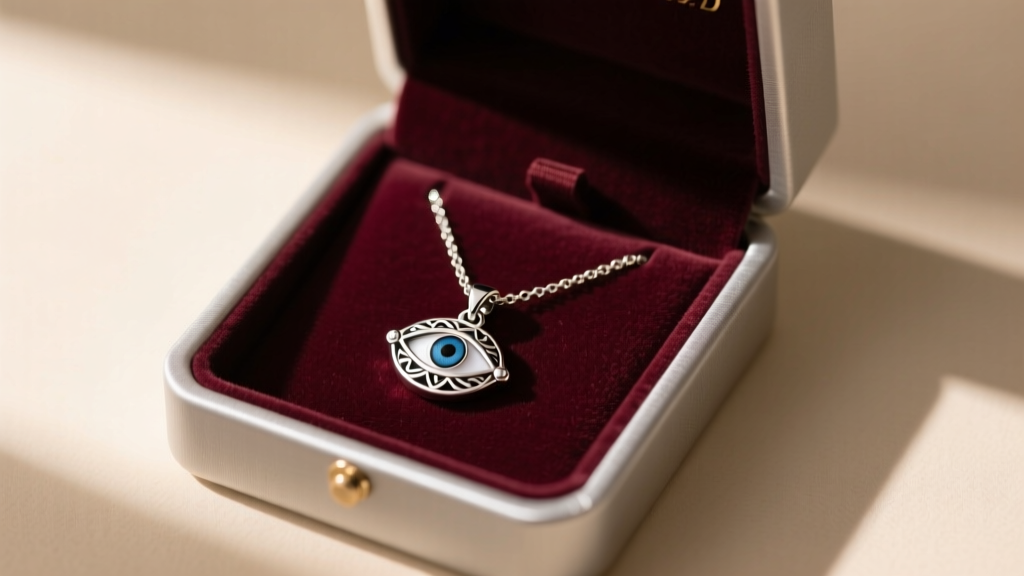
Always store your pendant in a dedicated, soft velvet pouch or a separate compartment in a lined jewelry box. If your pendant features a sterling silver chain, place a small anti-tarnish silica strip or a piece of treated anti-tarnish paper inside the pouch. This absorbs the ambient hydrogen sulfide and moisture in the air, preventing the silver from oxidizing and turning black. When traveling, use a hard-shell jewelry case to prevent the glass eye from being crushed under the weight of heavier items in your luggage.
When to Seek Professional Jewelry Repair
While routine cleaning and maintenance can be handled at home, certain issues require the expertise of a master jeweler. If you notice the metal bezel lifting away from the glass eye, do not attempt to push it back into place with your fingers or use household glues. Super glue will seep into the porous edges of the glass and create a permanent, cloudy haze.
Expert Tip: If your evil eye pendant's glass center does crack or shatter, a professional jeweler can carefully remove the broken glass from the metal bezel without damaging the precious metal setting, allowing you to commission a custom glass-blower to create a replacement eye that fits your existing necklace perfectly.
By understanding the unique material properties of your necklace evil eye pendant and following these precise care instructions, you ensure that both its physical beauty and its protective symbolism remain intact for years to come.


