Was Titanic Necklace Real? The Gemology of the Heart of the Ocean
Discover if the Titanic necklace was real. We analyze the Heart of the Ocean's gemology, its Hope Diamond inspiration, and how to buy sapphire pendants.

The Short Answer: Fictional Lore vs. Gemological Reality
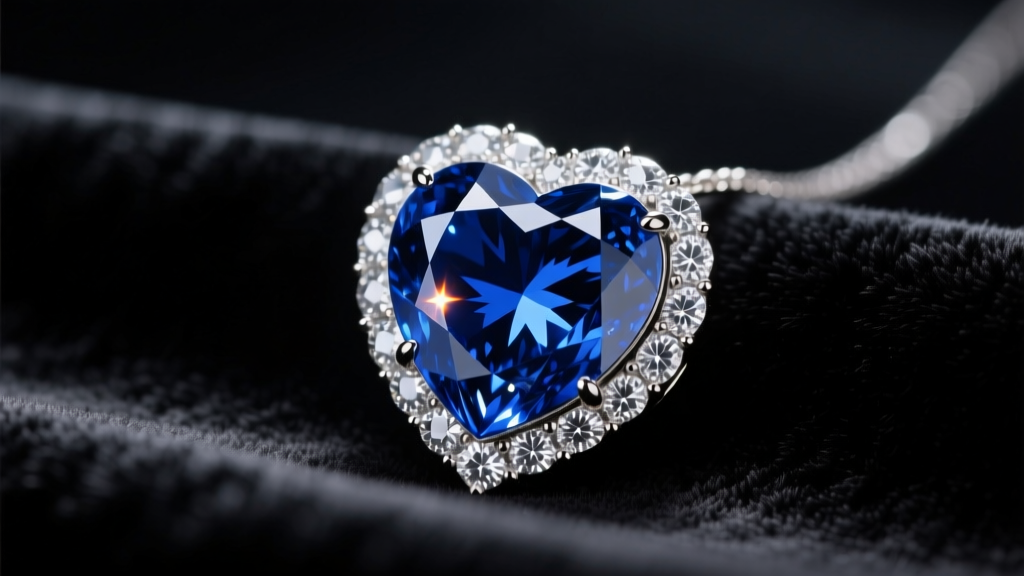
When audiences first watched James Cameron’s 1997 cinematic masterpiece, the search volume for one specific question exploded: was titanic necklace real? The short answer is no. The "Heart of the Ocean" (Le Cœur de la Mer) is a fictional artifact conceived by screenwriters to serve as a narrative anchor for Rose and Jack’s tragic romance. In the film's lore, Louis XVI wore the original diamond, which was later cut into a heart shape and lost in the Atlantic.
However, while the artifact itself is a myth, the gemological inspirations, the physical movie props, and the real-world high jewelry equivalents are very much grounded in reality. To truly understand the legacy of this iconic pendant, we must examine the historical diamonds that inspired it, the jewelers who crafted the physical props, and the exact specifications required to source a genuine, high-carat blue sapphire equivalent today.
The Hope Diamond: The True Inspiration
James Cameron did not invent the concept of a cursed, legendary blue diamond. The Heart of the Ocean is heavily inspired by the Hope Diamond, currently housed at the Smithsonian Institution. According to the Smithsonian National Museum of Natural History, the Hope Diamond is a 45.52-carat Fancy Deep Grayish-Blue VS2 diamond.
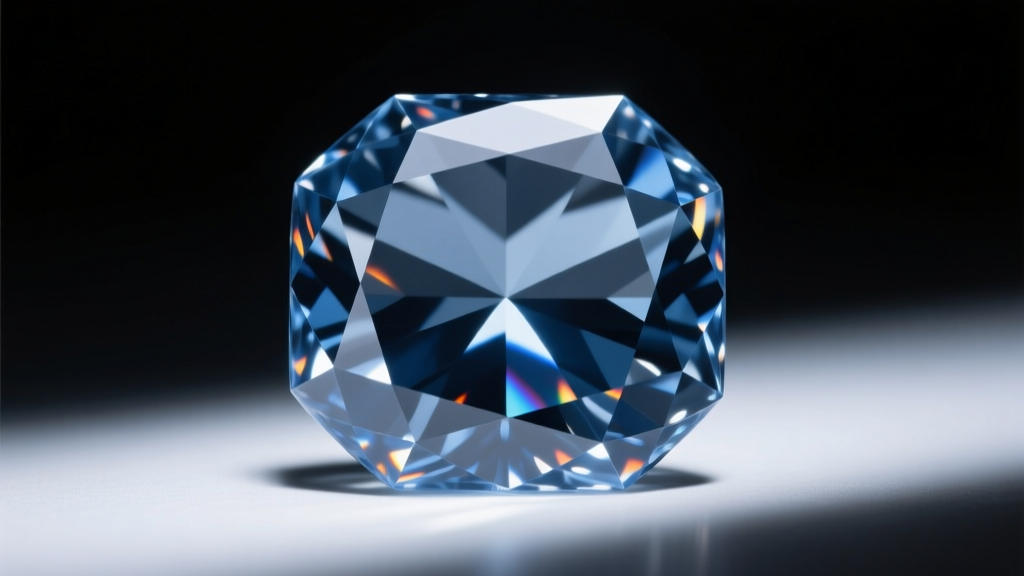
From a gemological perspective, the Hope Diamond is a Type IIb diamond, meaning it contains trace amounts of boron substituting for carbon in the crystal lattice. This boron impurity is responsible for its rare blue hue and its unique property of phosphorescence—glowing red for several seconds after exposure to ultraviolet light. The fictional Heart of the Ocean adopted the Hope Diamond’s supposed "curse" and its history of passing through the hands of French royalty (the Hope was originally the 115-carat Tavernier Blue, later recut into the 69-carat French Blue for King Louis XIV), blending historical fact with Hollywood dramatization.
The Real Props: Asprey & Garrard and Harry Winston
While the lore was fictional, the physical necklaces worn by Kate Winslet and Gloria Stuart were real objects crafted by master jewelers. Furthermore, a completely authentic, high-jewelry version was later created for promotional purposes.
| Version | Creator | Materials | Estimated Value |
|---|---|---|---|
| Film Prop (Principal Photography) | Asprey & Garrard | White Gold, Cubic Zirconia, Blue Glass/Synthetic Sapphire | $10,000 (Original Cost) |
| Promotional Piece (1998 Oscars) | Harry Winston | Platinum, 15ct Ceylon Sapphire, 36ct Diamond Halo | $2.2 Million (Appraised) |
| Fictional Lore (In-Universe) | N/A | Heart-Cut Blue Diamond, White Gold/Diamond Chain | Priceless (Insurance Claim) |
The original prop was commissioned from British crown jeweler Asprey & Garrard. Crafted in white gold and set with cubic zirconia and a synthetic blue stone, it cost roughly $10,000 to produce. However, when Celine Dion was scheduled to sing "My Heart Will Go On" at the 1998 Academy Awards, Harry Winston was commissioned to create a real "Heart of the Ocean." This authentic masterpiece featured a 15-carat heart-shaped Ceylon sapphire surrounded by a 36-carat halo of brilliant-cut white diamonds, set in platinum. Dion wore the $2.2 million necklace, cementing its status in real-world jewelry history.
Gemological Breakdown: Sourcing a "Heart of the Ocean" Equivalent
For collectors and enthusiasts looking to acquire a genuine sapphire and diamond pendant that mirrors the Heart of the Ocean, understanding sapphire grading is non-negotiable. Unlike diamonds, colored gemstones are evaluated primarily on color saturation, origin, and treatment rather than strict clarity grades.
Sapphire Color and Origin Grading
The blue color in corundum (sapphire) is caused by trace elements of iron and titanium. The most prized hues for a Heart of the Ocean replica are "Royal Blue" (a deep, vivid, slightly purplish-blue) and "Cornflower Blue" (a softer, velvety medium-blue). Origin plays a massive role in valuation. Kashmir sapphires possess a microscopic silk (rutile needles) that scatters light, giving them a velvety appearance, but they are virtually extinct on the open market. Therefore, high-end replicas today utilize top-tier Ceylon (Sri Lankan) sapphires, which offer exceptional brilliance and optimal light return in deep pavilion cuts.
The Importance of Heat Treatment
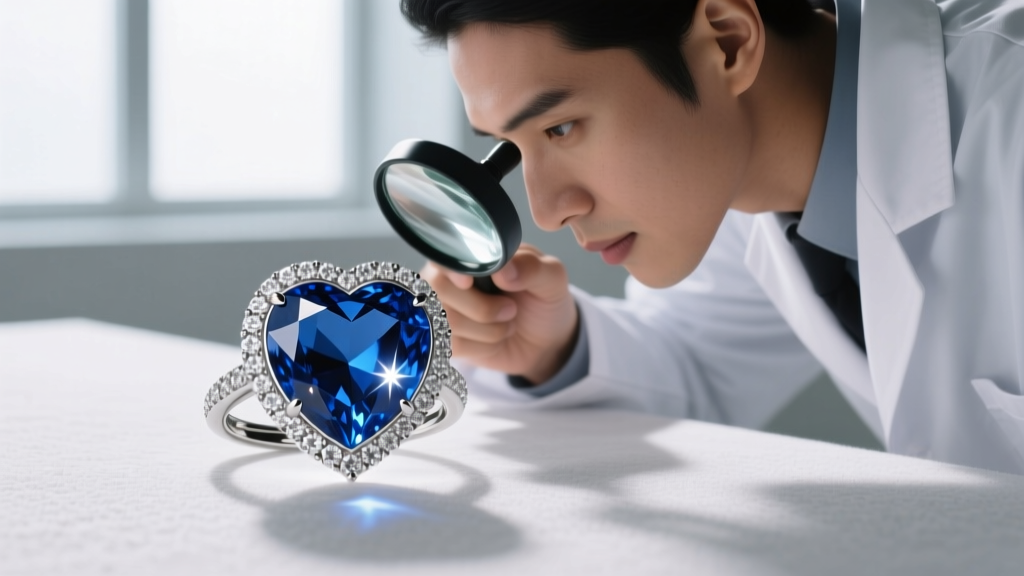
The Gemological Institute of America (GIA) notes that the vast majority of commercial sapphires are heat-treated to dissolve rutile silk and improve color saturation. While heated sapphires are beautiful and stable, serious collectors seeking investment-grade pendants demand "unheated" or "no heat" stones certified by labs like GIA, Gübelin, or SSEF. An unheated Ceylon sapphire of 5 carats or more commands a premium of 200% to 400% over its heated counterpart. Buyers must also be wary of beryllium diffusion (lattice diffusion), a treatment that artificially introduces color-causing elements into the stone's crystal structure, drastically reducing its value.
Setting Mechanics: Platinum vs. 18k White Gold
When setting a heavy, high-carat heart-shaped sapphire, the choice of metal for the pendant bail and halo is critical for structural integrity.
- 950 Platinum: The superior choice for heirloom pendants. Platinum is denser, heavier, and more durable than gold. Its prongs do not wear away easily, ensuring the heavy center stone remains secure. It also possesses a naturally white color that will never fade.
- 18k White Gold: An alloy of yellow gold mixed with white metals (like nickel or palladium) and plated with rhodium to achieve a bright white finish. Over time, the rhodium plating wears off, revealing a slightly yellowish undertone. It requires re-plating every 12 to 18 months to maintain the "Heart of the Ocean" aesthetic.
Furthermore, the cut of the sapphire dictates the setting. Heart-shaped gemstones are notoriously difficult to cut; they require a deep pavilion to prevent "windowing" (a dead, transparent area in the center where light leaks out). A custom V-prong is mandatory at the cleft of the heart to protect this fragile point from chipping upon impact.
Market Pricing for High-Carat Sapphire Pendants
If you are commissioning a bespoke Heart of the Ocean replica in 2026, expect the following pricing tiers for the center sapphire alone (excluding the diamond halo and platinum setting):
- 2.00 - 3.00 Carat (Heated Ceylon): $1,500 – $4,500 total.
- 2.00 - 3.00 Carat (Unheated Ceylon): $6,000 – $15,000 total.
- 5.00+ Carat (Unheated Royal Blue): $15,000 – $35,000+ per carat.
- Diamond Halo (Melee): Expect to pay $800 – $1,500 for 1.50 to 2.00 carats of VS-clarity, F-G color melee diamonds, set in a micro-pavé platinum halo.
Final Verdict
So, was titanic necklace real? The artifact from the shipwreck is pure Hollywood fiction, but the gemological legacy it spawned is incredibly real. From the boron-rich lattice of the Hope Diamond to the 15-carat Ceylon masterpiece crafted by Harry Winston, the Heart of the Ocean represents the pinnacle of colored gemstone fascination. For modern collectors, sourcing an unheated, deep-pavilion Ceylon sapphire set in 950 platinum remains the ultimate tribute to cinema's most famous piece of jewelry.


