Beginner Guide to Choosing a Coloring Necklace for Your Skin Tone
Discover how to choose the perfect coloring necklace for your skin tone. Learn enamel types, anodized titanium colors, and gemstone color theory.

What is a Coloring Necklace?
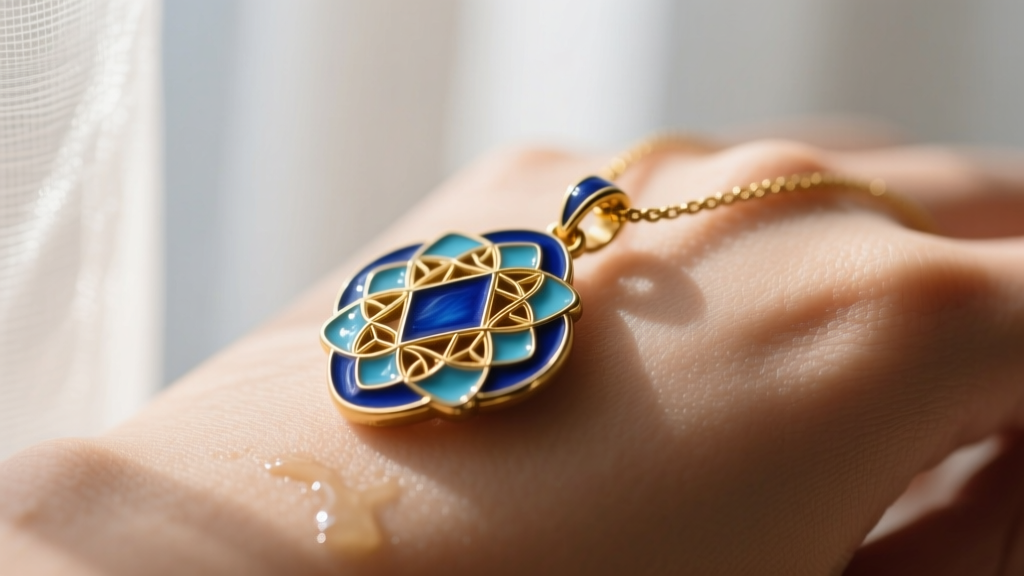
In the jewelry industry, a coloring necklace refers to any pendant or chain where vibrant, intentional color is the primary focal point of the design. Unlike traditional plain metal chains or clear diamond solitaires, coloring necklaces rely on advanced material science and artistic techniques to introduce bold hues. As we move through 2026, the demand for hyper-personalized, color-driven jewelry has surged, with collectors and everyday wearers alike seeking pieces that complement their unique biological color palettes.
Understanding how to select the right coloring necklace requires a basic grasp of three core disciplines: skin undertone theory, the material science of jewelry coloring (such as vitreous enameling and titanium anodizing), and the Gemological Institute of America (GIA) color grading standards for gemstones. This beginner-friendly explainer will break down the exact mechanics of colored jewelry and provide a practical framework for choosing your next statement piece.
The Science of Skin Undertones and Jewelry Colors
Before selecting a colored pendant, you must identify your skin's undertone. While your surface skin tone can change with sun exposure or skincare routines, your undertone remains constant. Undertones generally fall into three categories, each dictating which coloring necklace materials will make your skin look radiant rather than washed out.
Identifying Your Undertone
- Warm Undertones: Your veins appear greenish. You tan easily and look best in earthy, rich colors. Gold metals enhance your natural glow.
- Cool Undertones: Your veins appear blue or purple. You burn easily in the sun and look best in crisp, jewel-toned colors. Silver and platinum metals provide the best contrast.
- Neutral Undertones: Your veins appear teal or colorless. You have a mix of warm and cool pigments and can pull off almost any coloring necklace shade.
Material Breakdown: How Color is Applied to Necklaces
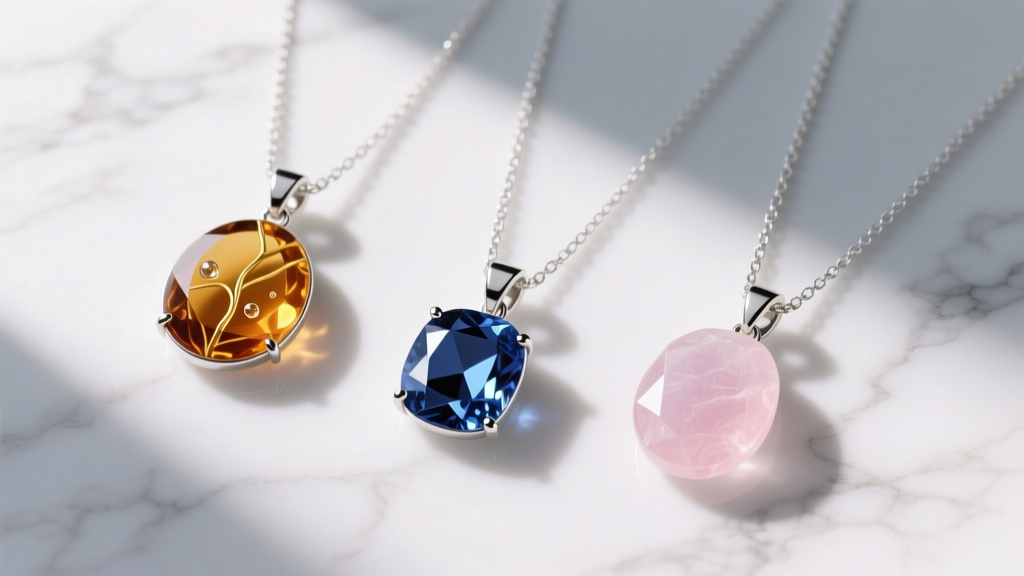
Not all color is created equal. The method used to apply color to a necklace pendant drastically affects its durability, price point, and visual depth. According to jewelry fabrication experts at Rio Grande Jewelry Supply, understanding the difference between fired and cold color applications is crucial for long-term wearability.
| Material / Technique | Application Process | Durability & Care | Average Price Range |
|---|---|---|---|
| Vitreous Enamel | Glass powder fused to metal at 1400°F - 1650°F. | Extremely high. Resists scratching and UV fading. Can shatter if dropped on hard tile. | $120 - $450+ |
| Cold Enamel (Epoxy Resin) | Pigmented resin poured into metal recesses and cured at room temperature. | Moderate. Prone to micro-scratches and yellowing from prolonged UV exposure over 3-5 years. | $40 - $150 |
| Anodized Titanium | Electrochemical process altering the oxide layer thickness via voltage. | High. Hypoallergenic and lightweight. Colors can fade if exposed to harsh alkaline chemicals. | $60 - $200 |
| Colored Gemstones | Naturally occurring or lab-grown crystalline structures cut to reflect light. | Varies by Mohs hardness (e.g., Sapphire is 9, Opal is 5.5-6.5). | $100 - $5,000+ |
The Voltage Spectrum: Anodized Titanium Coloring Necklaces
One of the most fascinating advancements in modern coloring necklaces is the use of anodized titanium. Unlike paint or enamel, anodizing uses electricity to thicken the natural oxide layer on the titanium's surface. The thickness of this layer refracts light, creating vibrant, permanent colors without using any dyes or pigments.
For the jewelry nerd or the meticulous buyer, here is the exact voltage-to-color spectrum used by master jewelers:
- 10V - 15V: Straw / Pale Gold (Best for warm undertones)
- 15V - 20V: Copper / Deep Bronze (Best for warm/neutral undertones)
- 20V - 30V: Royal Purple / Magenta (Best for cool undertones)
- 30V - 50V: Cobalt Blue / Teal (Best for cool undertones)
- 50V - 70V: Bright Green / Yellow-Green (Best for neutral/warm undertones)
- 70V - 90V: Rose Pink / Fuchsia (Universally flattering, leans cool)
Because the color is a structural property of the metal oxide layer, an anodized titanium coloring necklace is inherently hypoallergenic, making it the ultimate choice for those with nickel allergies or sensitive skin.
Gemstone Color Theory: Hue, Tone, and Saturation
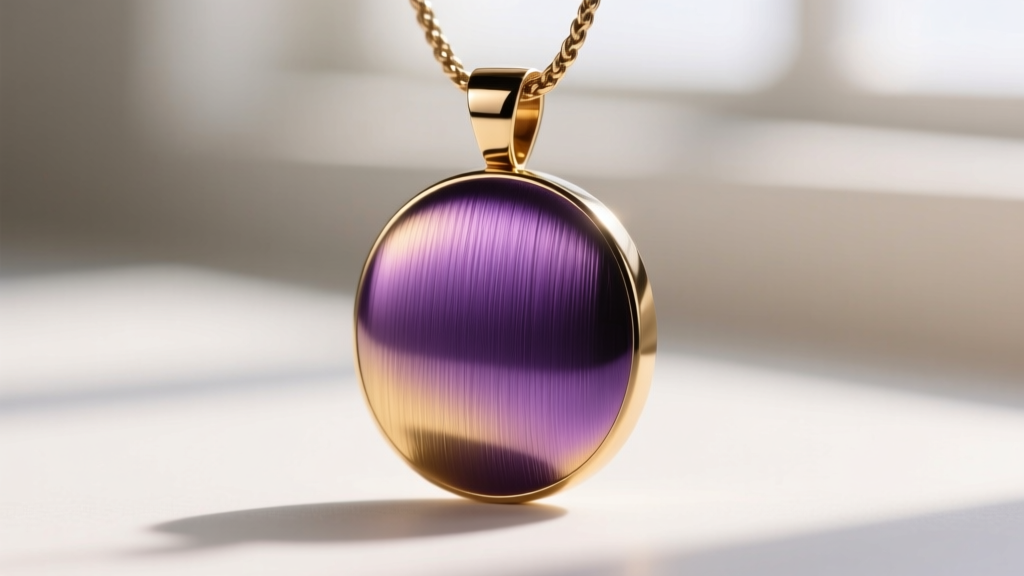
When your coloring necklace features a central gemstone rather than enamel or metal oxides, you must evaluate the stone using the GIA's color grading framework. A gemstone's color is not just a single attribute; it is a combination of three distinct variables:
1. Hue (The Base Color)
Hue is the primary color impression. For example, a sapphire might have a primary blue hue with a secondary violet or green hue. Cool undertones should seek out pure hues (pure blue, pure red), while warm undertones look best when the secondary hue leans slightly yellow or orange.
2. Tone (Lightness or Darkness)
Tone refers to how light or dark the color is, ranging from colorless (0) to black (10). Medium to medium-dark tones (ranging from 4 to 6 on the GIA scale) generally reflect the most light and provide the most vibrant 'pop' against the collarbone, regardless of your skin tone.
3. Saturation (Color Intensity)
Saturation is the purity or strength of the hue. Highly saturated stones (rated 'Strong' or 'Vivid') command premium prices and serve as the ultimate focal point for a coloring necklace. If you have a neutral skin tone, you can wear highly saturated, neon-like gemstones (such as Paraiba tourmaline) without the jewelry overpowering your natural features.
Care and Maintenance for Colored Pendants
Expert Tip: Never use ultrasonic cleaners on cold enamel or porous colored gemstones like turquoise or opals. The high-frequency vibrations can cause resin to delaminate from the metal backing or fracture internal gemstone inclusions.
To maintain the vibrancy of your coloring necklace, tailor your cleaning method to the specific material:
- Vitreous Enamel & Gemstones: Clean with warm water, a drop of mild dish soap, and a soft baby toothbrush. Dry immediately with a microfiber cloth to prevent water spots.
- Cold Enamel / Resin: Wipe gently with a damp, lint-free cloth. Avoid all chemical cleaners, including alcohol and ammonia, which will cloud the resin's surface over time.
- Anodized Titanium: Rinse with plain water and pat dry. If the color appears dull due to skin oils, a gentle wipe with a microfiber cloth will restore the light refraction. Avoid harsh degreasers.
Final Thoughts on Building Your Collection
Choosing the right coloring necklace is an intersection of art, biology, and material science. By identifying your skin's undertone and understanding the physical properties of enamels, resins, and anodized metals, you can curate a collection that not only makes a bold fashion statement but also stands the test of time. Whether you opt for the structural brilliance of a 30-volt blue titanium pendant or the historic craftsmanship of a fired cloisonné piece, color remains the most powerful tool in your jewelry wardrobe.


